The Ultimate Guide to Matcha Bowls
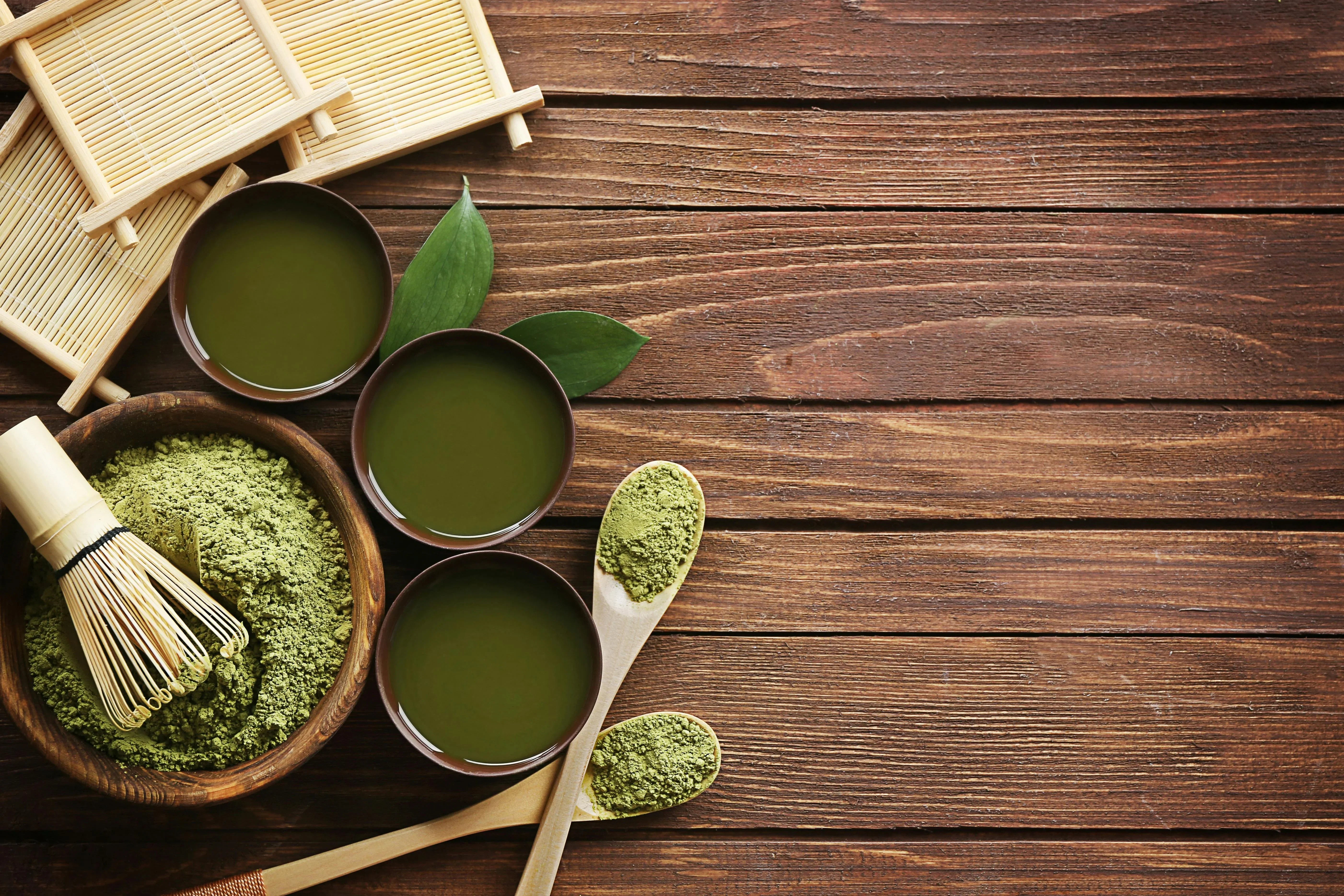
Matcha bowls are far more than just functional items used in the preparation of matcha tea; they are integral to the cultural ritual that surrounds this ancient Japanese practice. These carefully crafted vessels embody the artistry, philosophy, and seasonal awareness that make each sip of matcha special. This guide will take you through the different shapes, materials, and key factors to consider when selecting your perfect matcha bowl, helping you make an informed decision that will elevate your tea experience.
Table of Content
- Exploring the Different Shapes of Matcha Bowls
- Choose the Perfect Material for Your Matcha Bowl
- Tips for Choosing Your First Matcha Bowl
- Conclusion: Elevating Your Matcha Experience
Exploring the Different Shapes of Matcha Bowls
Matcha bowls, or chawan, come in a variety of shapes, each offering unique functional benefits and aesthetic appeal. These shapes are designed with purpose in mind, not only impacting the bowl’s utility but also contributing to the overall mood and energy of your matcha ritual. From deep and cylindrical to shallow and wide, the shape of your matcha bowl can influence how you interact with the tea.

-
Tsutsu-nari: These bowls feature straight, cylindrical sides, and are traditionally deeper in form, perfect for keeping your matcha warm during colder months. This shape is perfect for tea enthusiasts looking for a bowl that enhances heat retention, ensuring your matcha remains at the ideal temperature as you enjoy it.

-
Wan-nari: The classic and traditional shape of Japanese tableware, the wan-nari bowl is slightly rounded, offering both comfort and practicality. The gentle curves make it easy to hold and ideal for those who prefer a traditional approach to their tea ceremonies.

-
Hira-nari: For a lighter, more refreshing experience, the hira-nari bowl features a wide, shallow shape, minimizing heat retention. Perfect for warmer seasons, this bowl is designed to give a cool, refreshing feel while whisking and drinking your matcha.
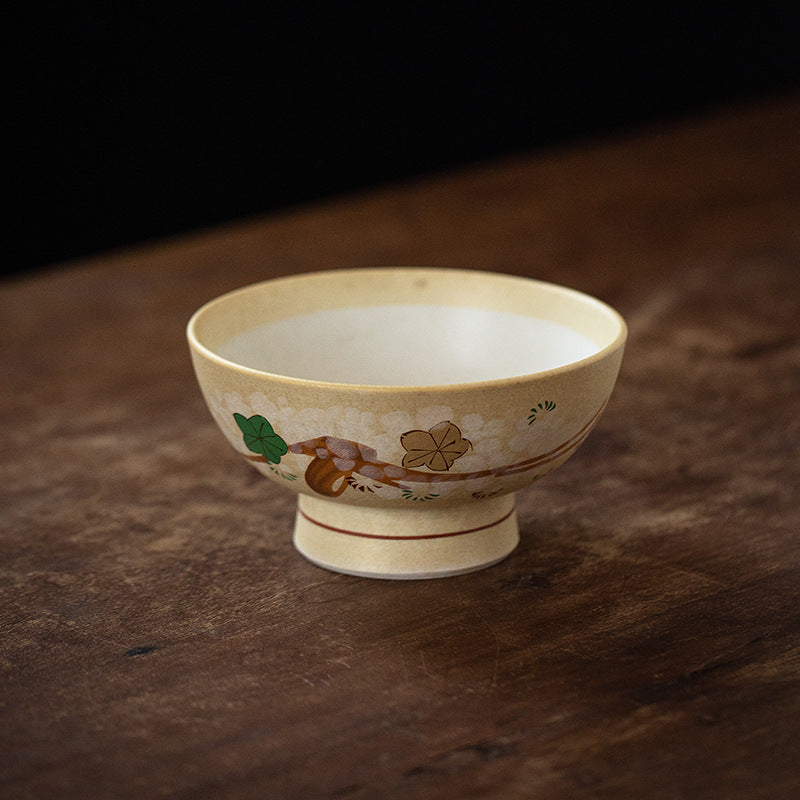
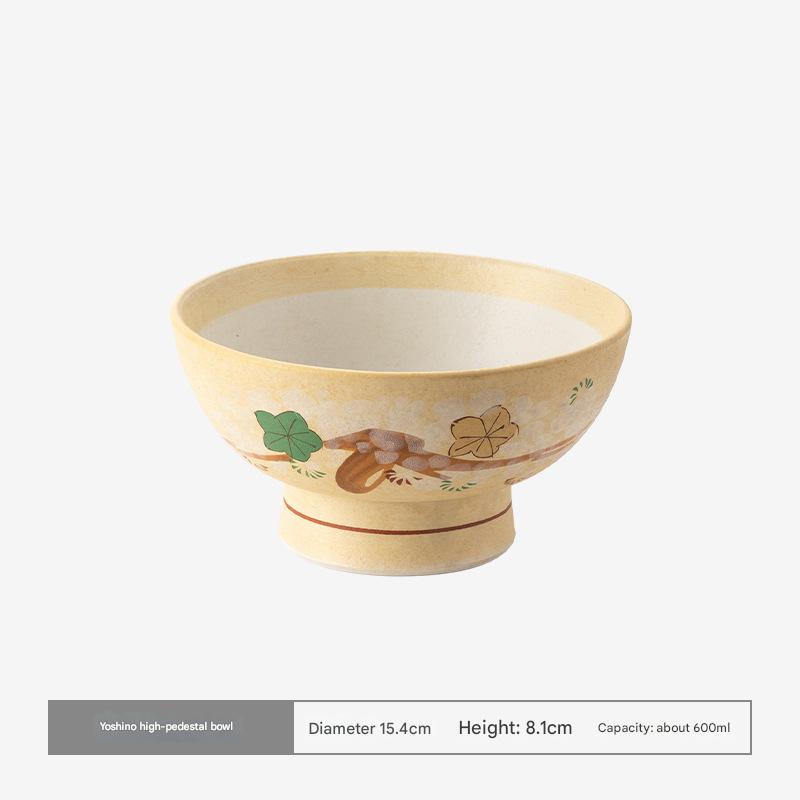
If you're looking for a bowl that brings both vibrant color and traditional craftsmanship, the Handcrafted Japanese Ceramic Ramen Bowl with Hand-Painted Floral Designs perfectly combines these qualities. Its gentle, curved shape enhances both comfort and functionality, making it an excellent choice for your matcha ritual.

Choose the Perfect Material for Your Matcha Bowl
The material of your matcha bowl plays a crucial role in the tactile experience of tea preparation. Different materials offer distinct advantages that affect everything from temperature regulation to aesthetics. Whether you prefer something more traditional or modern, the material you choose will impact how you experience the ritual.

-
Stoneware: Known for its natural earthy texture, stoneware provides the perfect balance of weight and sturdiness. It evokes a sense of seasonality and enhances the tactile experience, offering a grounded feel that connects you with the earth as you whisk your matcha.

-
Porcelain: If you prefer a lighter, more delicate bowl, porcelain is the ideal choice. Its smooth finish makes it easy to handle and helps to accentuate the vibrant green color of matcha, enhancing its visual appeal.

-
Lacquerware: For those who value minimalism and practicality, lacquerware bowls offer a sleek, smooth finish and excellent heat retention. These bowls are perfect for outdoor ceremonies and come in a range of simple yet elegant designs.

-
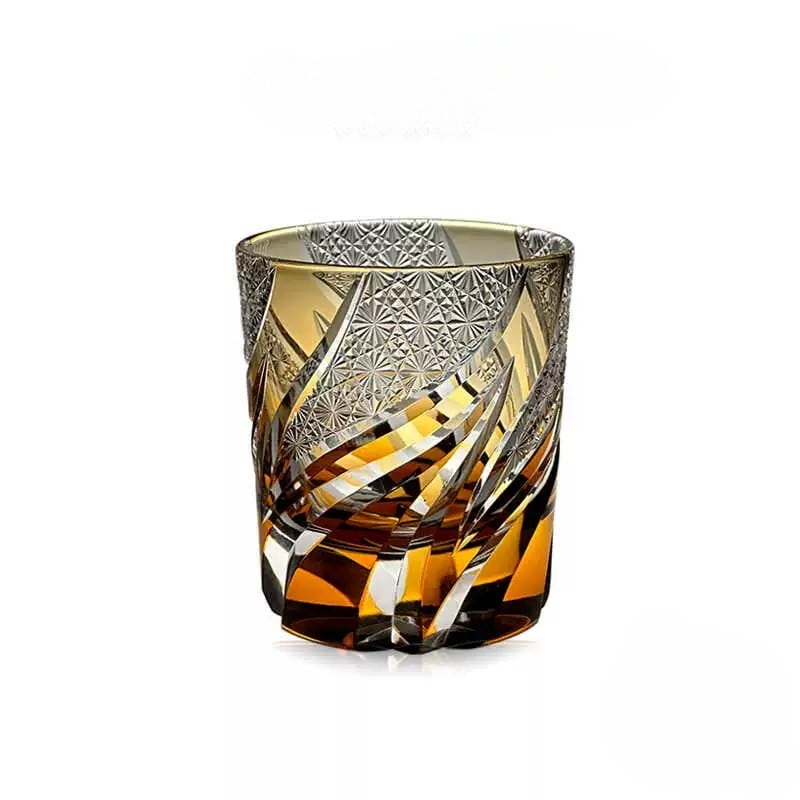
Glass: Glass matcha bowls bring a modern touch to the traditional practice. Although they are aesthetically striking, they can be a bit tricky to handle for beginners due to their smooth surface. However, for experienced tea drinkers, glass provides a unique and refreshing feel that complements the delicate nature of matcha.
For a more modern, elegant feel, the Handcrafted Iridescent Ceramic Bowl - Elegant Dining offers a smooth, reflective surface that creates an air of sophistication. Its minimalist design pairs perfectly with the art of matcha tea, transforming each moment into an elegant experience.

Tips for Choosing Your First Matcha Bowl
Selecting the right matcha bowl can be a daunting task, especially for those just beginning their journey into the world of matcha. To help you make a decision, here are some essential tips for choosing your first bowl.
-
Consider the Mikomi: The shape of the bowl’s interior (called mikomi) plays a crucial role in the whisking process. A bowl with a wide mikomi allows for easy whisking, ensuring that your matcha is properly aerated for a smooth, creamy texture.
-
Comfort and Weight: A matcha bowl should feel comfortable to hold. If it’s too heavy or too large, it may be difficult to handle, particularly when whisking or drinking. Look for a bowl that fits comfortably in your hands and is easy to manipulate.
-
Seasonal Considerations: In Japanese tea culture, the season often dictates the type of bowl used. Choose a bowl that reflects the current season, whether it’s a darker, earth-toned stoneware bowl for winter or a lighter, airier porcelain bowl for summer. This subtle detail adds a beautiful layer of mindfulness to the experience.
Conclusion: Elevating Your Matcha Experience
Choosing the right matcha bowl is more than just a practical decision—it’s an opportunity to connect with the rich cultural tradition that surrounds matcha tea. Whether you are drawn to the deep, comforting shapes of stoneware, the delicate elegance of porcelain, or the minimalist beauty of lacquerware, each bowl brings its own unique touch to your tea ritual. By considering the shape, material, and seasonal elements of your bowl, you can enrich your matcha experience and cultivate a deeper appreciation for this timeless tradition.
Remember, the perfect matcha bowl should feel right in your hands and enhance your overall tea-drinking experience. It’s not just about the aesthetics; it’s about how it makes you feel as you whisk and enjoy the vibrant, green tea. As you explore the world of matcha, embrace the artistry and craftsmanship that go into each bowl, and allow it to bring a sense of mindfulness and beauty to your daily practice.
May your journey with matcha be filled with warmth, serenity, and the joy of experiencing this cherished ritual in the perfect bowl.
Essential Tips for Stocking Your Home Bar with Japanese Sake
8 Perfect Gifts for Couples to Enjoy Together
Related Posts

How to Care for Handmade Japanese Ceramics, Lacquerware, and Glassware

How to Care for Handmade Japanese Ceramics, Lacquerware, and Glassware

How to Care for Handmade Japanese Ceramics, Lacquerware, and Glassware

The History of Chopsticks

How to Care for Handmade Japanese Ceramics, Lacquerware, and Glassware

The Story of Urushi

How to Care for Handmade Japanese Ceramics, Lacquerware, and Glassware