
How to Care for Handmade Japanese Ceramics, Lacquerware, and Glassware
Embracing the Legacy: Why Proper Care for Japanese Tableware Matters
The allure of authentic Japanese tableware lies not just in its exquisite beauty, but in the rich history, unparalleled craftsmanship, and the quiet stories whispered by each piece. From the earthy warmth of artisan ceramics to the lustrous depth of lacquerware and the dazzling precision of Edo Kiriko glassware, these items are more than mere utensils; they are a bridge to Japanese culture, designed to elevate everyday moments into cherished rituals. At Sakitime, we believe that owning such treasures comes with the joy of stewardship. Proper product care ensures that your handmade Japanese ceramics, lacquerware, and glassware retain their original splendor, allowing you to savor their beauty for generations to come. This guide offers practical tableware tips to help you preserve the integrity and spirit of your cherished collection.
Caring for Japanese Ceramics: Pottery & Porcelain
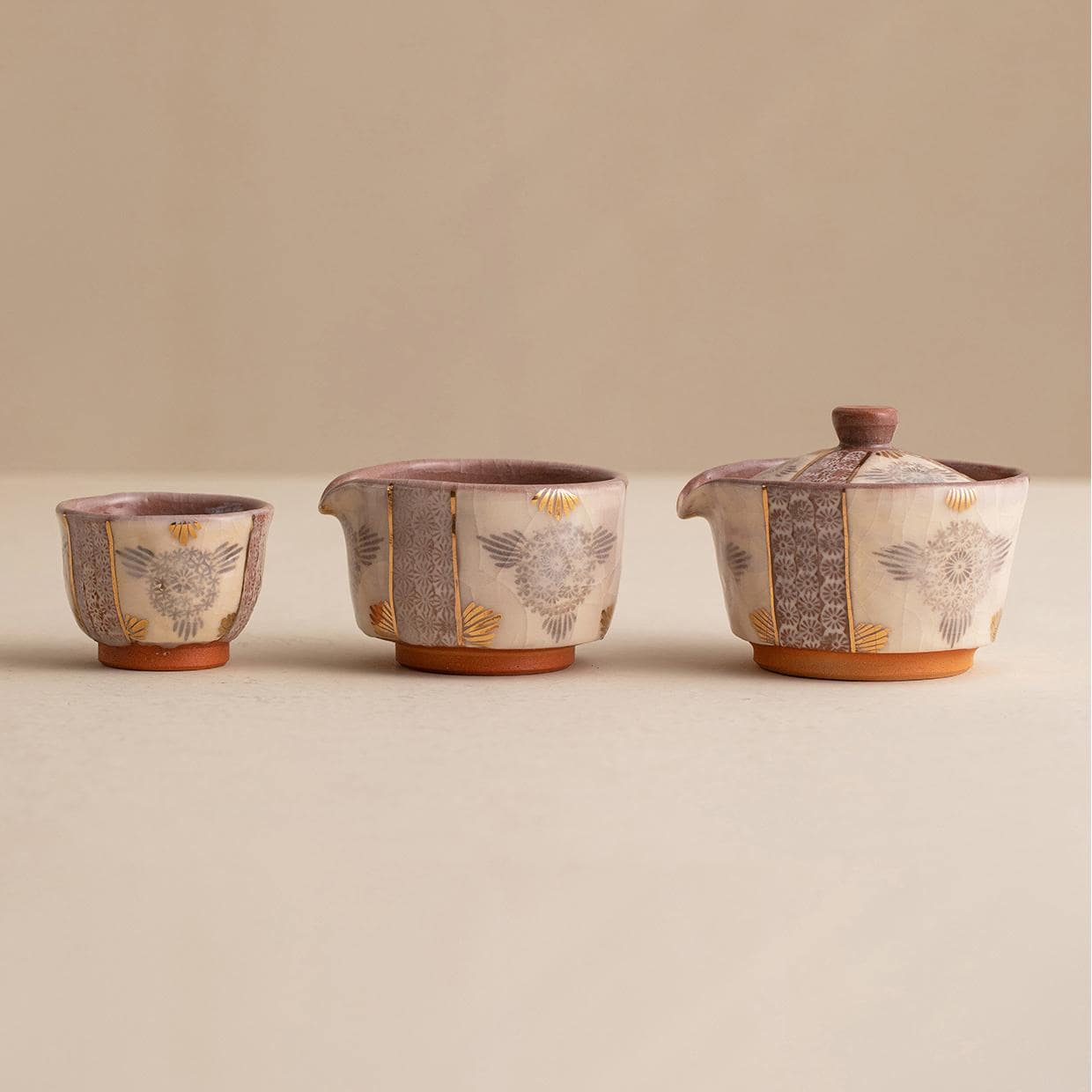
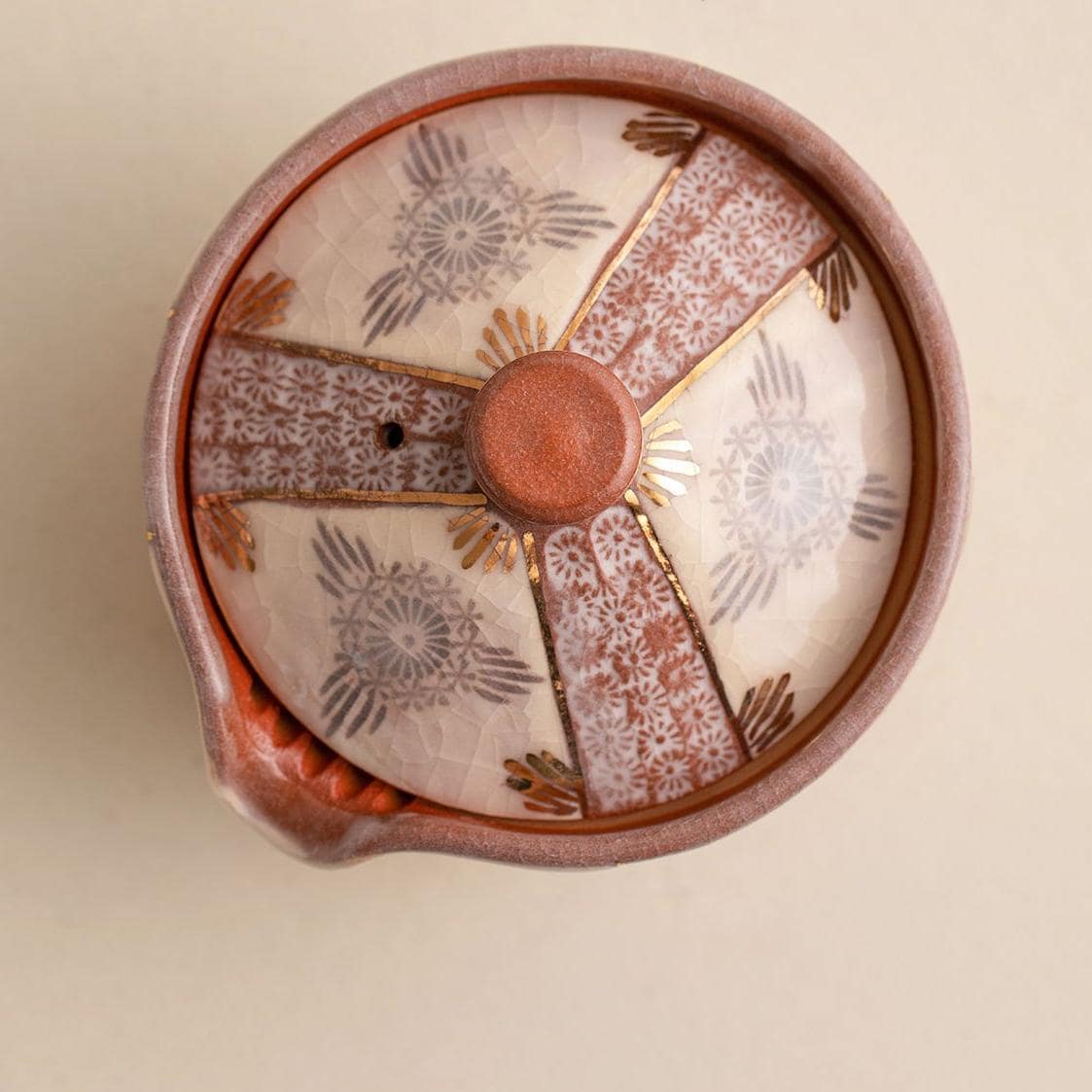
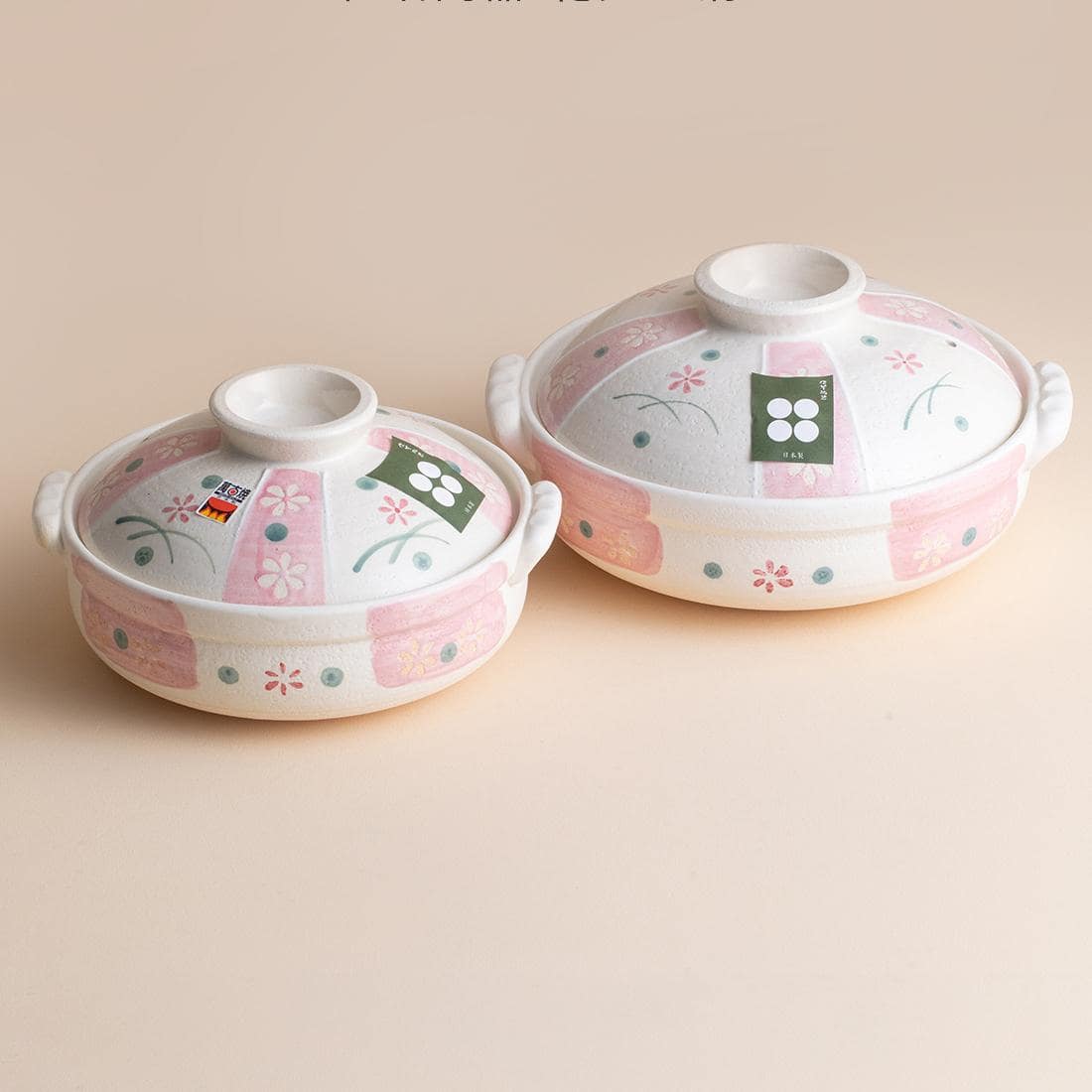
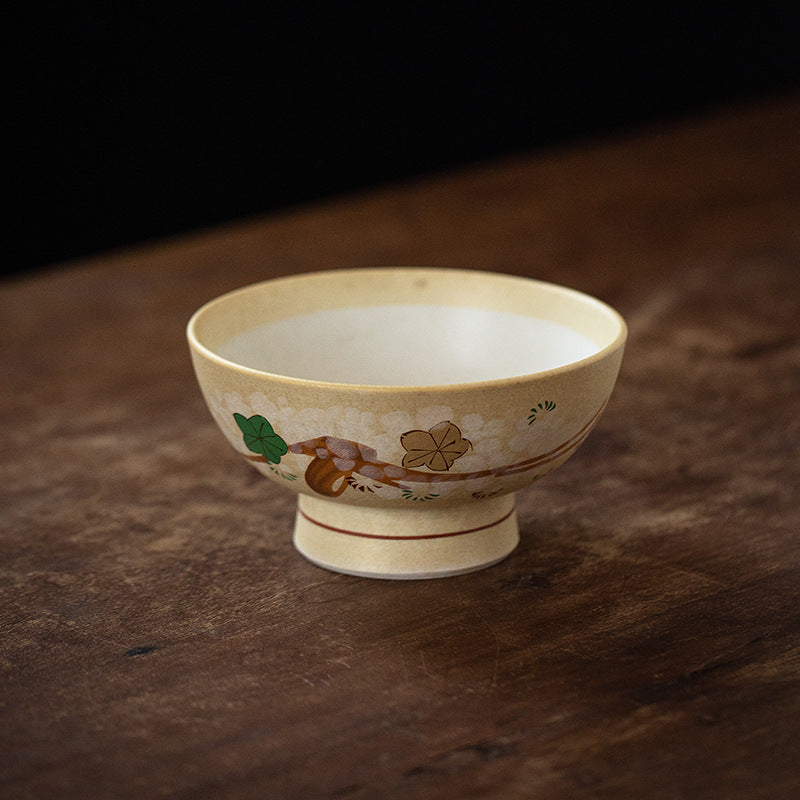
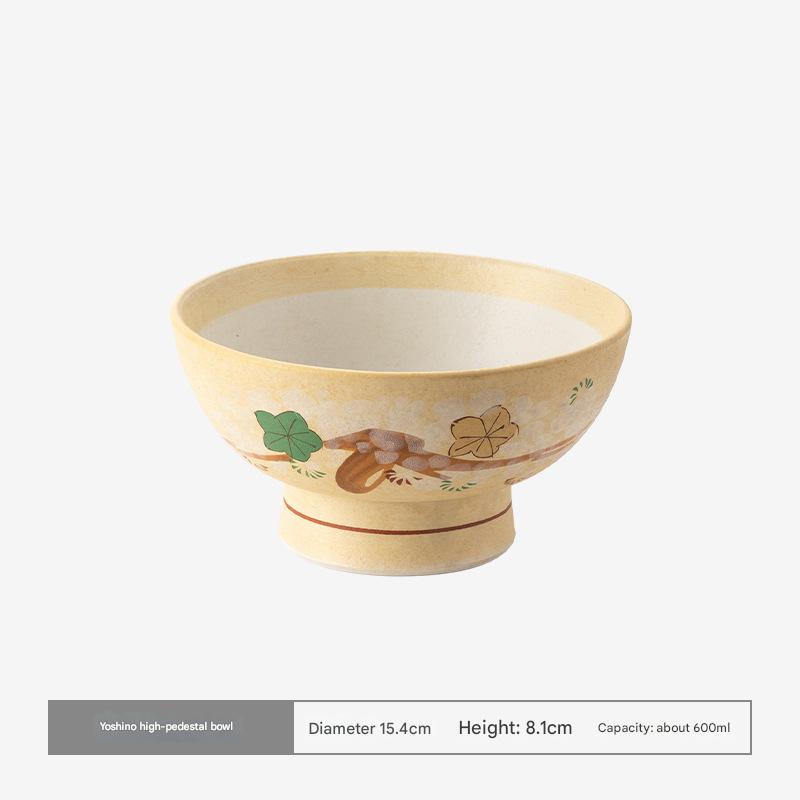
Japanese ceramics encompass a vast spectrum, from rustic, unglazed pottery (yakimono) with its wabi-sabi aesthetic, to refined, translucent porcelain (jiki). While their appearances differ, many core product care principles apply.
Washing & Cleaning Japanese Ceramics:
- Hand-Washing is Paramount: Always opt for hand-washing. The high temperatures, harsh detergents, and vigorous cycles of dishwashers can cause thermal shock, chip delicate rims, dull glazes, or even lead to cracking over time, especially for older or more fragile pieces.
- Gentle Cleansers: Use a mild, non-abrasive dish soap and lukewarm water. Avoid harsh chemicals, bleach, or scouring pads, which can scratch glazes or damage unglazed surfaces.
- Soft Sponges & Cloths: Employ a soft sponge, cloth, or a gentle brush for cleaning. For intricate designs or hard-to-reach areas, a soft toothbrush can be useful.
- Addressing Stains: For tea or coffee stains on unglazed or lightly glazed ceramics, a paste made from baking soda and water can often work wonders. Apply, let sit for a few minutes, then gently scrub and rinse thoroughly. For stubborn stains, a diluted solution of white vinegar can also be effective, but always test on an inconspicuous area first. Avoid prolonged soaking, especially for unglazed pieces, as they can absorb water and odors.
- Rinsing: Rinse thoroughly under lukewarm water to remove all soap residue.
Drying & Storage for Japanese Ceramics:
- Immediate Drying: After washing, dry your ceramics immediately with a soft, lint-free cloth. Air drying can lead to water spots, especially on darker glazes.
- Preventing Chipping: Store ceramics carefully to prevent chips and cracks. Avoid stacking pieces without protective barriers. Felt pads, soft cloths, or paper towels placed between plates, bowls, or cups can offer excellent protection.
- Display Considerations: If displaying ceramics, ensure they are on stable surfaces away from high-traffic areas where they might be accidentally knocked. Protect from direct sunlight if the piece has painted elements, as UV rays can cause fading over many years.
Special Considerations for Unglazed Ceramics:
Unglazed or partially glazed ceramics, often found in traditional tea ware like certain teacups (yunomi) or sake sets, are porous. They can absorb flavors and aromas over time, which is sometimes desired (e.g., in a well-seasoned teapot). However, this porosity also means they are more susceptible to staining and odor absorption.
- "Seasoning" New Pieces: Some traditional unglazed tea ware can benefit from a gentle "seasoning" process. Boil the piece in water for about 10-15 minutes, then let it cool naturally in the water. This helps to close pores and strengthen the clay.
- Avoid Strong Flavors/Odors: Be mindful of what you put in unglazed pieces. Strong-smelling foods or very oily substances can linger.
- Dedicated Use: Many connoisseurs dedicate specific unglazed pieces to a single type of tea or sake to allow the vessel to develop a unique character over time.
Preserving the Luster of Japanese Lacquerware
Japanese lacquerware (urushi) is renowned for its deep, reflective sheen and intricate designs. It is crafted from the sap of the urushi tree, a natural resin that, once hardened, is incredibly durable yet requires specific product care to maintain its beauty.
Washing & Cleaning Japanese Lacquerware:
- Gentle Hand-Washing Only: Like ceramics, lacquerware must be hand-washed. Use lukewarm water and a very small amount of mild dish soap.
- Soft is Key: Use an extremely soft sponge or cloth. Abrasive materials will scratch the delicate lacquer surface, leading to irreversible damage. Never use metal scrubbers or harsh brushes.
- No Soaking: Never soak lacquerware for extended periods. Prolonged exposure to water can cause the lacquer to swell, crack, or peel. Wash quickly and efficiently.
- Immediate Drying: This is perhaps the most crucial step for lacquerware. Immediately after washing, dry the piece thoroughly with a soft, lint-free cloth. Water spots can leave permanent marks, and residual moisture can compromise the lacquer over time. Gently buff to restore its natural sheen.
Storage & Handling for Japanese Lacquerware:
- Temperature & Humidity Control: Lacquerware is sensitive to extreme temperatures and humidity. Store it away from direct sunlight, heating vents, air conditioning units, and areas prone to significant temperature fluctuations. High humidity can cause the lacquer to become sticky, while very dry conditions can lead to cracking.
- Protect from Scratches: When storing, ensure pieces do not rub against each other or other hard surfaces. Use soft cloths or custom-made boxes for protection. Avoid stacking heavy items on top of lacquerware bowls or trays.
- Avoid Harsh Environments: Never put lacquerware in a dishwasher, microwave, or oven. The heat and chemicals will cause irreparable damage.
- No Sharp Objects: Be mindful when using utensils with lacquerware. While durable, sharp knives or forks can scratch the surface. Use wooden or plastic chopsticks and serving utensils where possible.
Restoring & Maintaining Lacquerware:
For minor dullness, a very small amount of food-grade mineral oil or a specialized lacquer polish (if recommended by the manufacturer) can be gently applied with a soft cloth to restore shine. Always test on an inconspicuous area first.
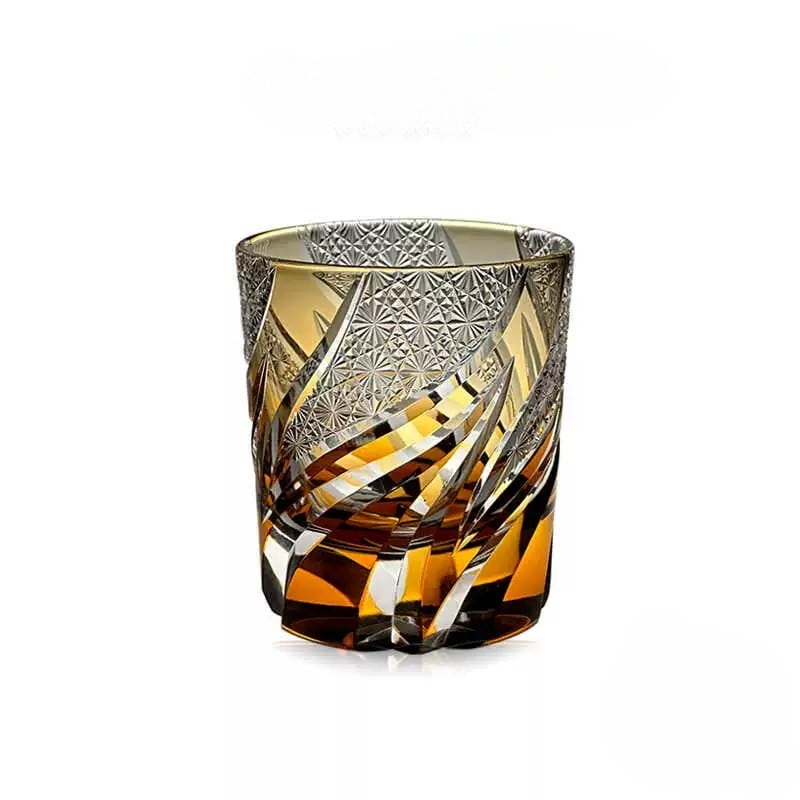
Maintaining the Brilliance of Japanese Glassware: Especially Edo Kiriko
Japanese glassware, particularly the intricate cut glass of Edo Kiriko, is a testament to precision and artistry. Its dazzling patterns and vibrant colors demand careful product care to maintain their sparkle and structural integrity.
Washing & Cleaning Japanese Glassware:
- Hand-Washing is a Must: Dishwashers are generally not recommended for delicate glassware, especially for Edo Kiriko. The high pressure, heat, and harsh detergents can dull the glass, etch the surface, or even chip the intricate cut patterns.
- Lukewarm Water & Mild Soap: Use lukewarm water and a very mild, non-abrasive dish soap. Avoid sudden temperature changes, as this can cause thermal shock and crack the glass.
- Gentle Cleaning Tools: A soft sponge or cloth is ideal. For the precise cuts of Edo Kiriko, a soft-bristled brush (like a dedicated glass brush or a soft toothbrush) can help clean crevices without scratching.
- Thorough Rinsing: Rinse thoroughly under lukewarm water to remove all soap residue, which can leave a hazy film.
Drying & Polishing Japanese Glassware:
- Immediate Drying: Dry glassware immediately after rinsing to prevent water spots and streaks.
- Lint-Free Cloths: Use a clean, lint-free microfiber cloth specifically designed for glass. This will help achieve a brilliant, streak-free shine.
- Polishing: For an extra sparkle, gently polish the dry glass with a fresh, dry lint-free cloth. Hold the base or stem firmly while polishing to avoid applying pressure to delicate rims or designs.
Storage & Handling for Japanese Glassware:
- Preventing Scratches & Chips: Store glassware upright, if possible, in cabinets where they won't rub against each other. If stacking is unavoidable (e.g., small bowls), place a soft cloth or felt pad between each piece.
- Stable Surfaces: Always place glassware on stable, flat surfaces. Avoid placing them near the edge of counters or tables where they could be easily knocked over.
- Temperature Extremes: Avoid exposing glassware to extreme temperature changes (e.g., pouring boiling water into a cold glass, or putting a hot glass into cold water) as this can cause it to crack or shatter.
General Tableware Tips & Common Mistakes to Avoid
Beyond the specific care instructions for each material, there are universal product care principles that apply to all your authentic Japanese tableware.
- Avoid Microwaves and Ovens: With very few exceptions (specifically marked as microwave/oven safe), assume your handmade Japanese tableware is NOT safe for microwaves or conventional ovens. Extreme heat can damage glazes, crack ceramics, or warp lacquerware.
- No Dishwashers: We cannot stress this enough. While convenient, dishwashers are the enemy of fine, handmade tableware. The combination of high heat, harsh detergents, and forceful water jets is simply too aggressive for delicate items.
- Beware of Temperature Shock: Sudden changes in temperature can cause cracks or breakage in ceramics and glassware. Allow items to come to room temperature before washing, and avoid placing very hot items on cold surfaces or vice-versa.
- Handle with Care: Always handle your pieces gently. Avoid clanking them together or against other hard surfaces. When washing, place a rubber mat or towel at the bottom of your sink to cushion against accidental drops.
- Stacking Smartly: If you must stack, always use protective barriers like felt, foam, or soft cloths between items to prevent scratches and chips. Never stack heavy items on top of delicate ones.
- Read Manufacturer Instructions: Always refer to any specific care instructions provided by the artisan or retailer. While this guide provides general advice, individual pieces might have unique requirements.
A Note on Authenticity and Longevity
The beauty of authentic Japanese tableware lies in its connection to tradition and the skilled hands that crafted it. These are not mass-produced items; they are pieces of art meant to be used, cherished, and passed down. By diligently following these product care guidelines, you are not just cleaning an object; you are actively participating in its longevity, ensuring that the spirit of its creation continues to enrich your home. Each time you carefully wash a sake cup, dry a lacquered bowl, or polish an Edo Kiriko glass, you are reaffirming your appreciation for its heritage and craftsmanship. This mindful approach to caring for your artisan ceramics and traditional Japanese tableware deepens your connection to these beautiful objects and the culture they represent.
Embrace and Cherish Your Collection
Caring for your handmade Japanese ceramics, lacquerware, and glassware is a simple act of respect for the artistry and tradition they embody. By investing a little time and effort in proper product care, you ensure that these beautiful pieces remain vibrant and functional, ready to enhance countless meals, tea ceremonies, and sake tastings for years to come. Let their enduring beauty be a testament to your appreciation for quality and craftsmanship.
Ready to discover your next cherished piece? Explore Sakitime's exquisite collection of authentic Japanese tableware, artisan ceramics, sake sets, chopsticks, Edo Kiriko glassware, and tea ware today. Find the perfect additions to your home and begin your own journey of mindful appreciation.
Are Silver Chopsticks Worth It? Guide & Care Tips
Dishwasher-Safe Chopsticks: Material Guide & Tips
Related Posts

How to Care for Handmade Japanese Ceramics, Lacquerware, and Glassware

How to Care for Handmade Japanese Ceramics, Lacquerware, and Glassware

How to Care for Handmade Japanese Ceramics, Lacquerware, and Glassware

The History of Chopsticks

How to Care for Handmade Japanese Ceramics, Lacquerware, and Glassware

The Story of Urushi

How to Care for Handmade Japanese Ceramics, Lacquerware, and Glassware