
How to Care for Handmade Japanese Ceramics, Lacquerware, and Glassware
The allure of authentic Japanese tableware lies not just in its exquisite beauty, but in the stories it tells – of master artisans, centuries-old traditions, and the mindful approach to daily life. Whether you've fallen for the rustic charm of handmade Japanese ceramics, the sophisticated gleam of lacquerware, or the dazzling precision of Edo Kiriko glassware, these are more than just functional items; they are pieces of art. To ensure these treasures remain cherished heirlooms for generations, understanding proper product care is paramount. This comprehensive guide offers essential tableware tips to preserve the integrity and beauty of your precious Japanese ceramics, lacquerware, and glassware.
Understanding Your Treasures: The Materials
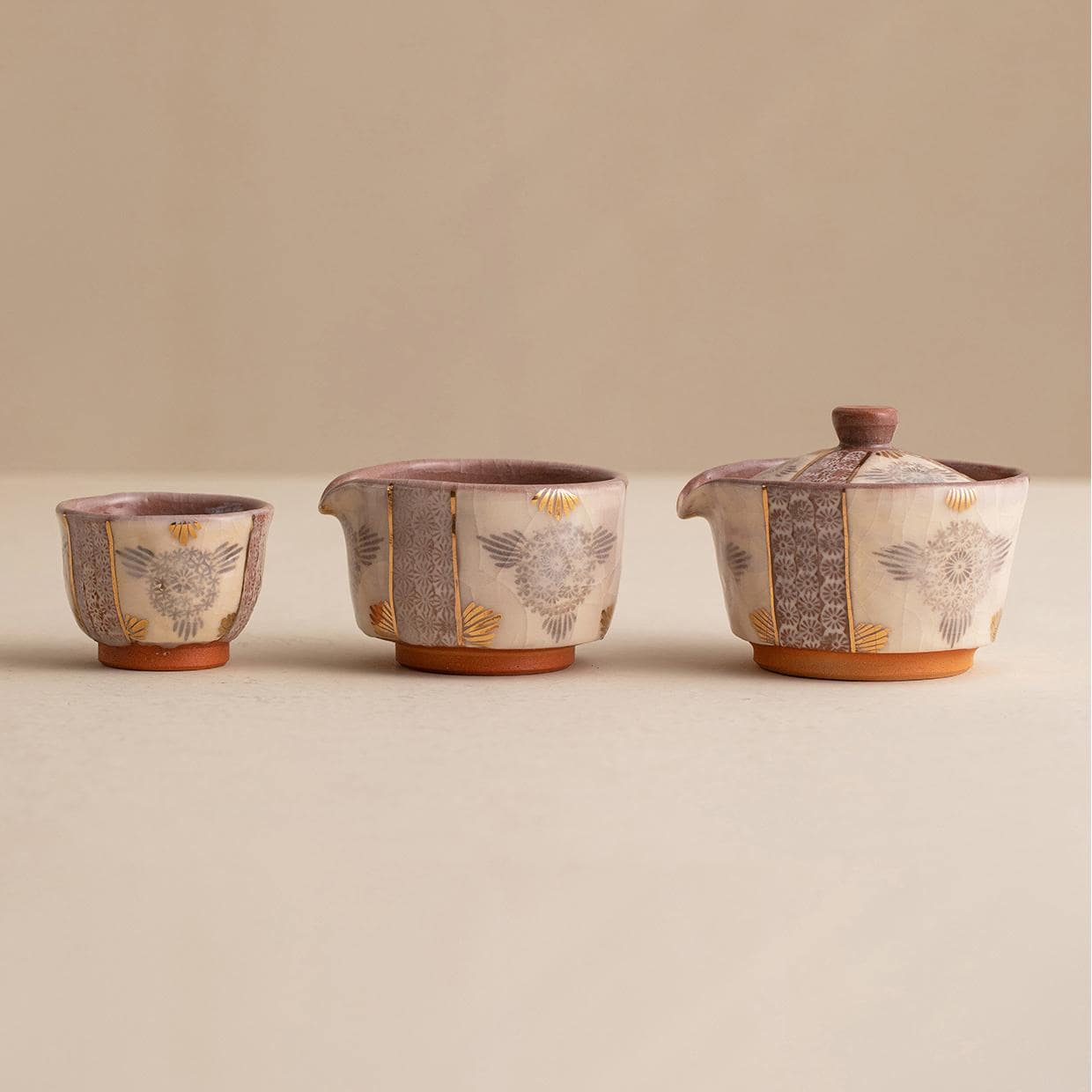
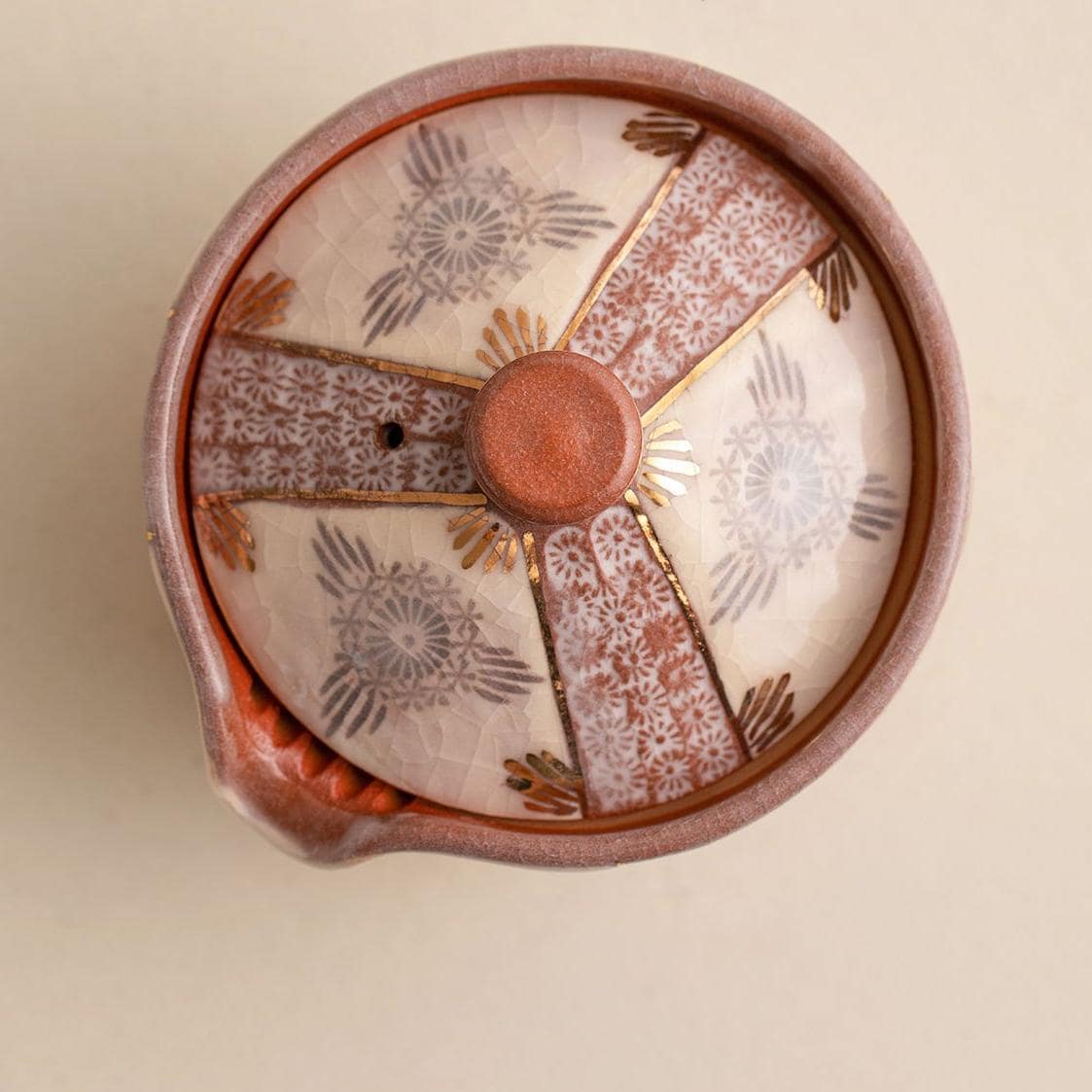
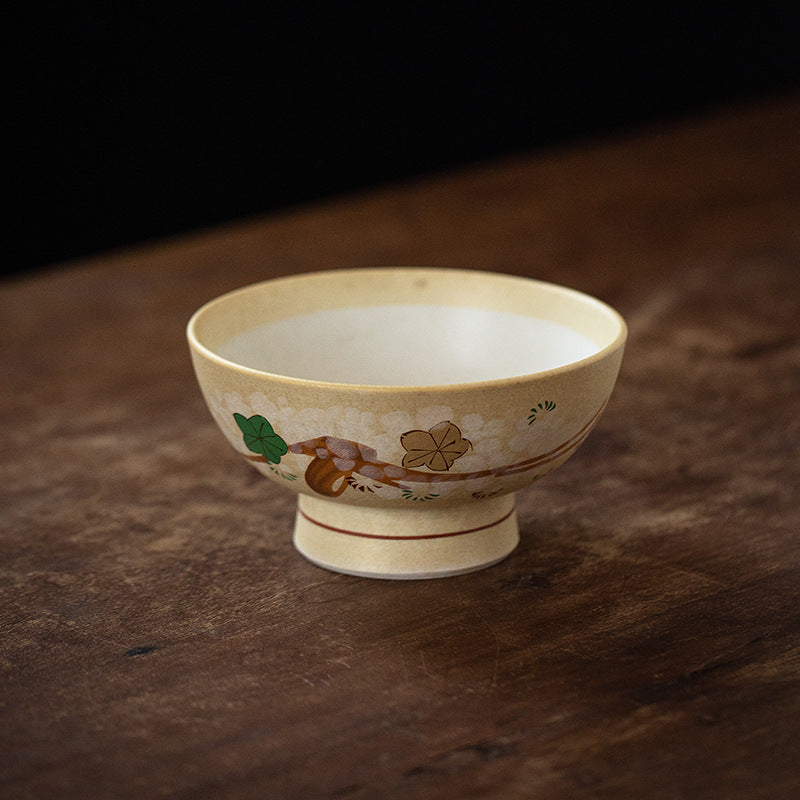
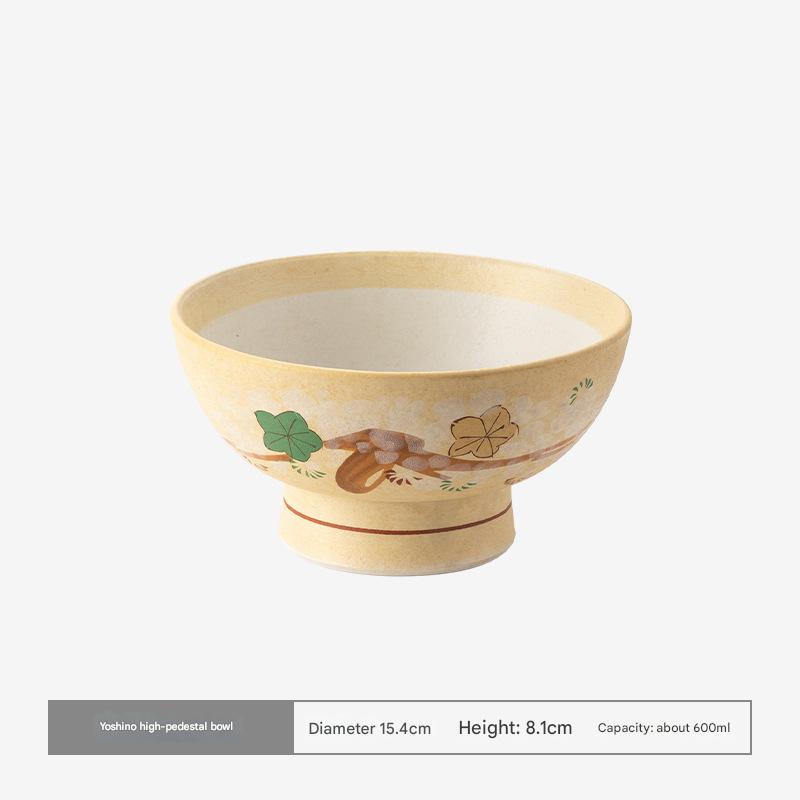
Before diving into specific care routines, it’s helpful to appreciate the unique characteristics of each material. Handmade Japanese ceramics, encompassing everything from delicate tea ware to robust ramen bowls and elegant sake sets, vary widely in their composition and finish. Some are porous and unglazed, absorbing liquids and developing a unique patina over time, while others boast smooth, vibrant glazes that seal the surface. This diversity means a one-size-fits-all approach isn't always ideal.
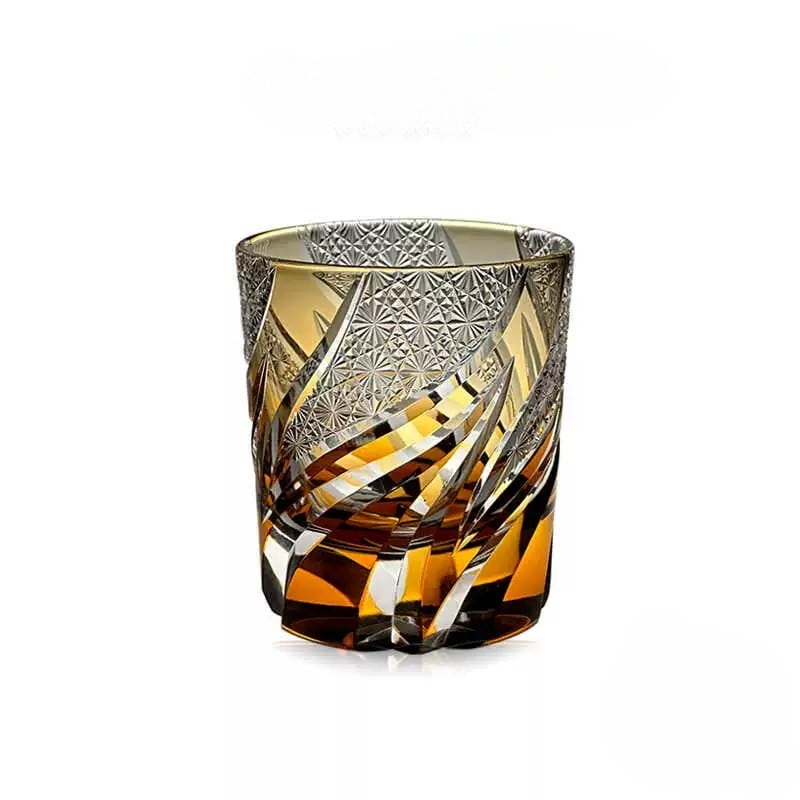
Japanese lacquerware, known as urushi, is crafted from the sap of the lacquer tree and applied in numerous thin layers, often adorned with intricate designs. Its beauty is matched by its delicate nature; it's susceptible to scratches, extreme temperatures, and harsh chemicals. Finally, Japanese glassware, particularly the renowned Edo Kiriko, showcases incredible craftsmanship. These pieces, often hand-cut and polished, require gentle handling to maintain their sparkle and prevent chips or cracks. Each material demands a thoughtful approach to care, ensuring its longevity and continued splendor.
Caring for Handmade Japanese Ceramics
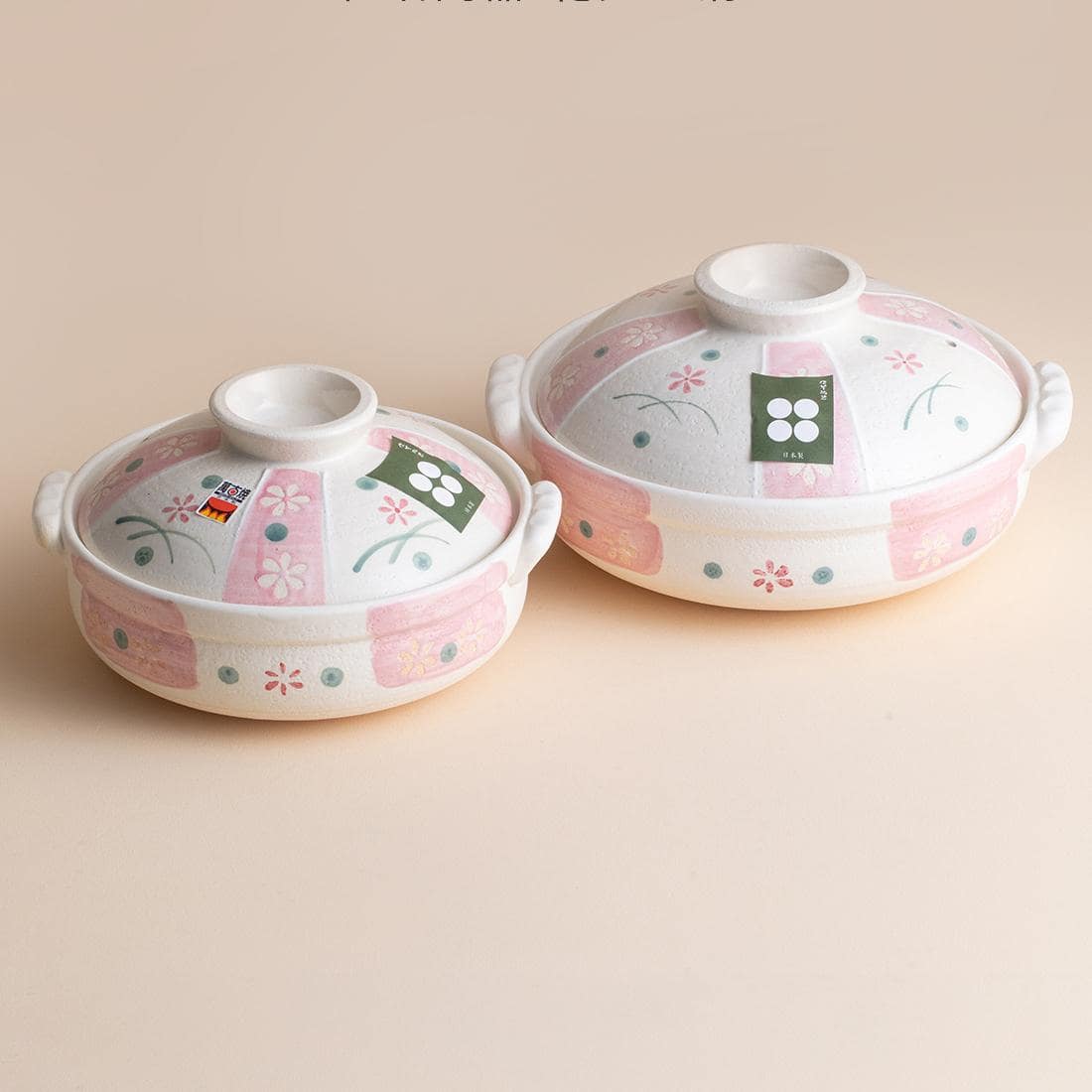
Japanese ceramics are incredibly diverse, from robust stoneware to delicate porcelain. Proper care ensures they retain their beauty and functionality for years. Here are essential tableware tips for your ceramic pieces:
- Hand Washing is Best: Always opt for hand washing. The high temperatures, harsh detergents, and vigorous agitation of dishwashers can cause chips, cracks, or dull the glaze over time. Use lukewarm water and a mild, non-abrasive dish soap.
- Gentle Cleaning Tools: Use a soft sponge or cloth. Avoid metal scourers, abrasive pads, or brushes with stiff bristles, which can scratch glazes or damage delicate finishes.
- Pre-Soaking (with Caution): For stubborn food residues, a short soak in warm, soapy water can help. However, avoid prolonged soaking, especially for unglazed or porous ceramics, as they can absorb water and potentially develop stains or odors.
- Rinsing Thoroughly: Rinse all soap residue completely. Leftover soap can dull the surface or affect the taste of food or drink served later.
- Drying Properly: Air drying is ideal. Place ceramics on a drying rack or a soft, clean towel. Ensure pieces are completely dry before storing to prevent mold or mildew, especially for unglazed items. For faster drying, gently wipe with a soft, lint-free cloth.
- Dealing with Stains (Unglazed Ceramics): Unglazed or semi-glazed ceramics, like some authentic Japanese tea ware or artisan sake sets, may absorb oils and colors, developing a unique patina. For stubborn stains, a paste of baking soda and water can be gently applied and rinsed, but test on an inconspicuous area first.
- Thermal Shock: Avoid sudden temperature changes. Do not place a hot ceramic piece directly into cold water, or vice versa, as this can cause cracking. Allow items to cool down naturally before washing.
- Microwave and Oven Use: Not all ceramics are microwave or oven safe. Check the product description or manufacturer's guidelines. Items with metallic glazes or decorations are never microwave safe.
- Storage: When stacking ceramic plates or bowls, place a soft cloth or paper towel between each piece to prevent scratches and chips. Store items in a cabinet where they won't be jostled or easily knocked over.
Preserving the Luster of Japanese Lacquerware
Japanese lacquerware is renowned for its deep, lustrous finish and intricate designs. Its beauty is undeniable, but it requires particular care to maintain its pristine condition. These product care tips will help preserve your exquisite lacquer pieces:
- Hand Wash Only, Gently: Lacquerware should never go into a dishwasher. Hand wash immediately after use with lukewarm water and a very mild, non-abrasive soap.
- Soft Cleaning Materials: Use only a soft sponge or cloth. Abrasive scrubbers will scratch the delicate lacquer surface.
- Avoid Prolonged Soaking: Do not soak lacquerware, as this can cause the lacquer to swell, crack, or peel over time.
- Rinse and Dry Immediately: Rinse thoroughly with clean water and dry immediately with a soft, lint-free cloth. Do not let it air dry, as water spots can mar the finish.
- Temperature Sensitivity: Lacquerware is sensitive to extreme temperatures. Do not place hot food directly onto lacquer surfaces without protection, and avoid exposing it to direct sunlight for extended periods or storing it near heat sources (like radiators or stoves). High heat can cause the lacquer to crack or warp. Conversely, very cold temperatures can also cause damage.
- No Harsh Chemicals: Never use abrasive cleaners, strong detergents, alcohol-based cleaners, or solvents on lacquerware. These will strip the finish and cause irreversible damage.
- Storage: Store lacquerware in a stable environment, away from direct sunlight and extreme temperature fluctuations. If stacking, place a soft cloth or felt pad between each piece to prevent scratches.
- Avoid Sharp Objects: Be mindful of using knives or other sharp utensils directly on lacquer surfaces, as they can easily scratch the finish.
Maintaining the Brilliance of Edo Kiriko and Japanese Glassware
Japanese glassware, from everyday drinking glasses to the spectacular Edo Kiriko, adds a touch of elegance to any table. Their clarity and often intricate designs require careful handling to keep them sparkling. Follow these tableware tips for your glassware:
- Hand Wash Exclusively: Glassware, especially delicate and hand-cut pieces like Edo Kiriko, should always be hand washed. Dishwashers can cause etching, chipping, or breakage.
- Lukewarm Water and Mild Soap: Use lukewarm water and a small amount of mild dish soap. Hot water can be too harsh for delicate glass and can increase the risk of thermal shock.
- Gentle Cleaning: Use a soft sponge or cloth to gently clean the glass. For intricate patterns or cuts, a soft brush (like a baby bottle brush) can help reach crevices, but be extremely gentle.
- Preventing Thermal Shock: Glass is susceptible to thermal shock. Never pour hot liquids into a cold glass or immerse a hot glass in cold water. Allow glasses to gradually adjust to temperature changes.
- Rinsing and Drying for Shine: Rinse thoroughly with clean water. To achieve a streak-free shine, dry immediately with a clean, lint-free microfibre cloth. Avoid air drying, as it can leave water spots.
- Handling with Care: Hold glasses by the body, not the rim or stem, when washing and drying to minimize pressure on fragile points.
- Storage: Store glasses upright in a cabinet where they are unlikely to be knocked over. For stemware, avoid hanging them by the base if it puts stress on the stem. If you must stack glasses, ensure they are designed for stacking and place a soft cloth or paper towel between them to prevent suction and scratches.
General Best Practices for All Japanese Tableware
While each material has its specific needs, some universal product care principles apply to all your authentic Japanese tableware:
- No Dishwashers: This cannot be stressed enough. For handmade Japanese ceramics, lacquerware, and delicate glassware, dishwashers are the enemy. The harsh detergents, high temperatures, and forceful water jets are detrimental to all these materials.
- Clean Immediately: The sooner you clean your tableware after use, the easier it will be to remove food residues and prevent staining.
- Avoid Abrasives: Stay away from abrasive cleaners, scouring pads, and harsh chemicals. They can scratch, dull, or strip the finishes of your precious items.
- Mindful Handling: Always handle your Japanese tableware with care. Avoid clinking pieces together, dropping them, or placing them precariously where they might fall.
- Protect Surfaces: When placing hot items on tables, always use coasters or trivets, especially for lacquerware, to protect both the tableware and your furniture.
- Consider Usage: While beautiful, some pieces are truly decorative. If you're using them for daily meals, be prepared for natural wear and tear. For special occasion pieces, extra vigilance in care is warranted.
Storage Solutions to Protect Your Investment
Proper storage is a crucial aspect of product care, preventing damage and preserving the condition of your Japanese tableware when not in use. Thoughtful storage ensures your pieces are protected from dust, chips, and scratches.
- Dedicated Cabinet Space: Designate a cabinet or shelf specifically for your Japanese ceramics, lacquerware, and glassware. Avoid overcrowding, which increases the risk of items knocking into each other.
- Soft Liners: Line shelves with soft, non-slip material such as felt, cork, or rubber matting. This provides a gentle surface and prevents items from sliding.
- Padding Between Items: For plates, bowls, and saucers, always place soft felt pads, paper towels, or thin foam sheets between each piece when stacking. This prevents scratches and chips.
- Upright Storage for Glassware: Store glasses and stemware upright. Avoid storing stemware upside down on its rim, as this can put undue stress on the delicate rim and lead to chipping over time.
- Separate Compartments: If possible, use cupboard dividers or individual cubbies for particularly fragile or valuable items, such as Edo Kiriko glasses or artisan sake cups, to prevent them from touching.
- Stable Environment: Store your tableware in an environment with stable temperature and humidity. Avoid areas prone to extreme fluctuations, such as near windows with direct sunlight, over radiators, or in damp basements, as these can negatively impact all materials, especially lacquerware.
- Dust Protection: Keep cabinet doors closed to protect items from dust and grime, reducing the frequency of deep cleaning.
When to Seek Professional Help (or Embrace Imperfection)
Despite the best product care, accidents can happen. For valuable or sentimental pieces, professional restoration might be an option. Specialists in ceramic, lacquer, or glass repair can often work wonders, though this can be costly.
However, for ceramics, there's a unique Japanese art form called Kintsugi, which embraces the beauty of imperfection. Kintsugi repairs broken pottery with a special lacquer dusted with powdered gold, silver, or platinum. Rather than hiding the repair, it highlights the breaks as part of the object's history, adding to its unique charm and value. Embracing Kintsugi can transform a broken piece into an even more meaningful work of art, celebrating its resilience and story.
Caring for your authentic Japanese tableware is a rewarding practice that deepens your appreciation for these exquisite items. By following these tableware tips for Japanese ceramics, lacquerware, and glassware, you ensure their beauty endures, allowing them to grace your table and enrich your life for many years to come. Each piece tells a story, and with proper care, you become a part of its ongoing legacy.
Ready to discover your next cherished piece or expand your collection? Explore Sakitime's exquisite range of authentic Japanese tableware, artisan ceramics, sake sets, chopsticks, Edo Kiriko glassware, and tea ware by browsing our full collection today.
Dishwasher-Safe Chopsticks: Material Guide & Tips
Kids’ Chopsticks Guide: Size, Style, & Training Tips
Related Posts

How to Care for Handmade Japanese Ceramics, Lacquerware, and Glassware

How to Care for Handmade Japanese Ceramics, Lacquerware, and Glassware

How to Care for Handmade Japanese Ceramics, Lacquerware, and Glassware

The History of Chopsticks

How to Care for Handmade Japanese Ceramics, Lacquerware, and Glassware

The Story of Urushi

How to Care for Handmade Japanese Ceramics, Lacquerware, and Glassware