
How to Care for Handmade Japanese Ceramics, Lacquerware, and Glassware
The Art of Preservation: Why Proper Care Matters for Your Japanese Tableware
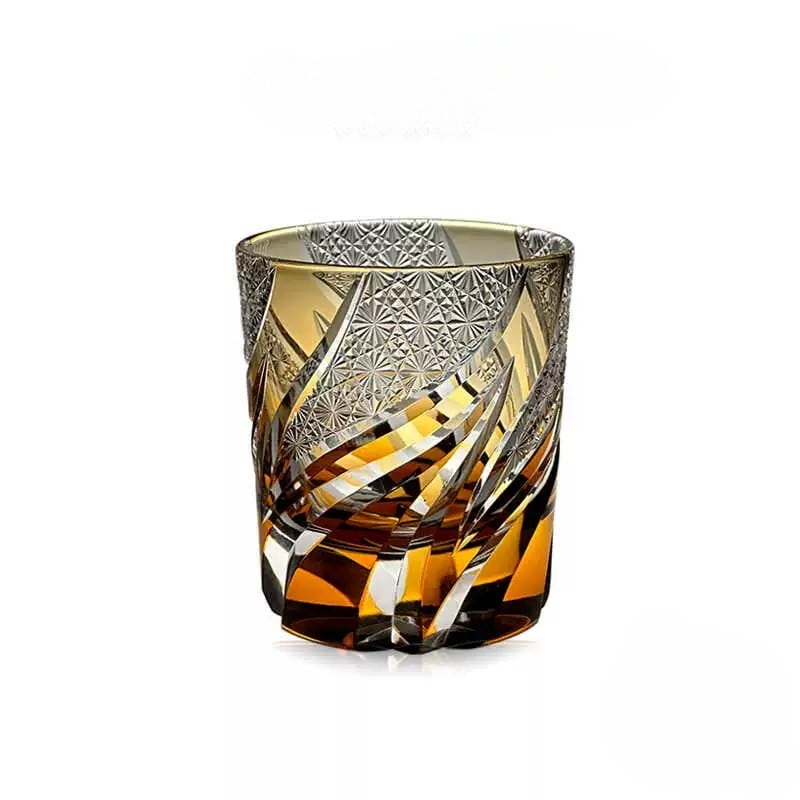
The allure of authentic Japanese tableware lies not just in its beauty, but in the story of its creation. Each piece, whether a meticulously crafted ceramic bowl, a lustrous lacquer tray, or a sparkling Edo Kiriko glass, carries the heart and skill of an artisan. At Sakitime, we believe these aren't just objects; they are heirlooms, meant to be cherished and used, bringing daily joy and a touch of Japanese elegance to your home. But like any cherished possession, handmade Japanese ceramics, lacquerware, and glassware require thoughtful care to maintain their integrity, beauty, and longevity. Proper product care ensures that the vibrant glazes on your artisan ceramics don't fade, the delicate sheen of your lacquerware remains unblemished, and the intricate cuts of your glassware continue to sparkle. This guide will walk you through the essential tableware tips to preserve the unique character of your cherished pieces for generations to come.
Gentle Touch: Universal Care Principles for All Handmade Japanese Items
Before diving into material-specific advice, there are foundational principles that apply to almost all handmade Japanese tableware. Adhering to these general rules will significantly extend the life and beauty of your collection.
- Handwashing is Paramount: Dishwashers, while convenient, are often too harsh for delicate, handmade items. The high temperatures, strong detergents, and forceful water jets can chip, scratch, dull, or even crack your treasured pieces. Always opt for handwashing with mild soap and a soft sponge or cloth.
- Avoid Extreme Temperatures: Sudden temperature changes (thermal shock) can be detrimental, especially to ceramics and glass. Never transfer a hot item directly to a cold surface, or vice versa. Avoid placing ceramics or glass directly from the refrigerator into a hot oven or microwave, and do not pour boiling water into a cold glass.
- Gentle Drying: After washing, dry your items promptly with a soft, lint-free cloth. Air drying can lead to water spots, especially on glassware and dark-colored ceramics or lacquerware. For delicate items, allowing them to air dry on a soft mat for a short period before a final wipe is acceptable, but ensure they are completely dry before storage.
- Mindful Storage: Store items carefully to prevent chips, scratches, and breakage. Stack ceramics with a soft cloth or felt pad in between. Avoid stacking delicate glassware or lacquerware. Ensure storage areas are free from excessive humidity or dryness, and direct sunlight.
- No Harsh Abrasives or Chemicals: Steer clear of abrasive scrubbers, harsh chemical cleaners, bleach, or acidic solutions. These can damage glazes, finishes, and the underlying materials. Stick to mild, pH-neutral dish soap.
Nurturing Your Japanese Ceramics: From Earthenware to Porcelain
Japanese ceramics encompass a vast range of styles, from rustic unglazed earthenware (yakimono) to delicate, translucent porcelain. Each type has specific characteristics that influence its care. Understanding these nuances is key to proper Japanese ceramics care.
- Unglazed & Porous Ceramics (e.g., some Raku, Bizen-ware): These pieces are often more absorbent and can stain easily. Before first use, some artisans recommend soaking them in water for a few hours to help prevent staining. After use, wash immediately to prevent food from drying on. Avoid oily or strongly colored foods if you wish to maintain their pristine appearance, or embrace the natural patina that develops over time. They are generally not microwave or dishwasher safe.
-
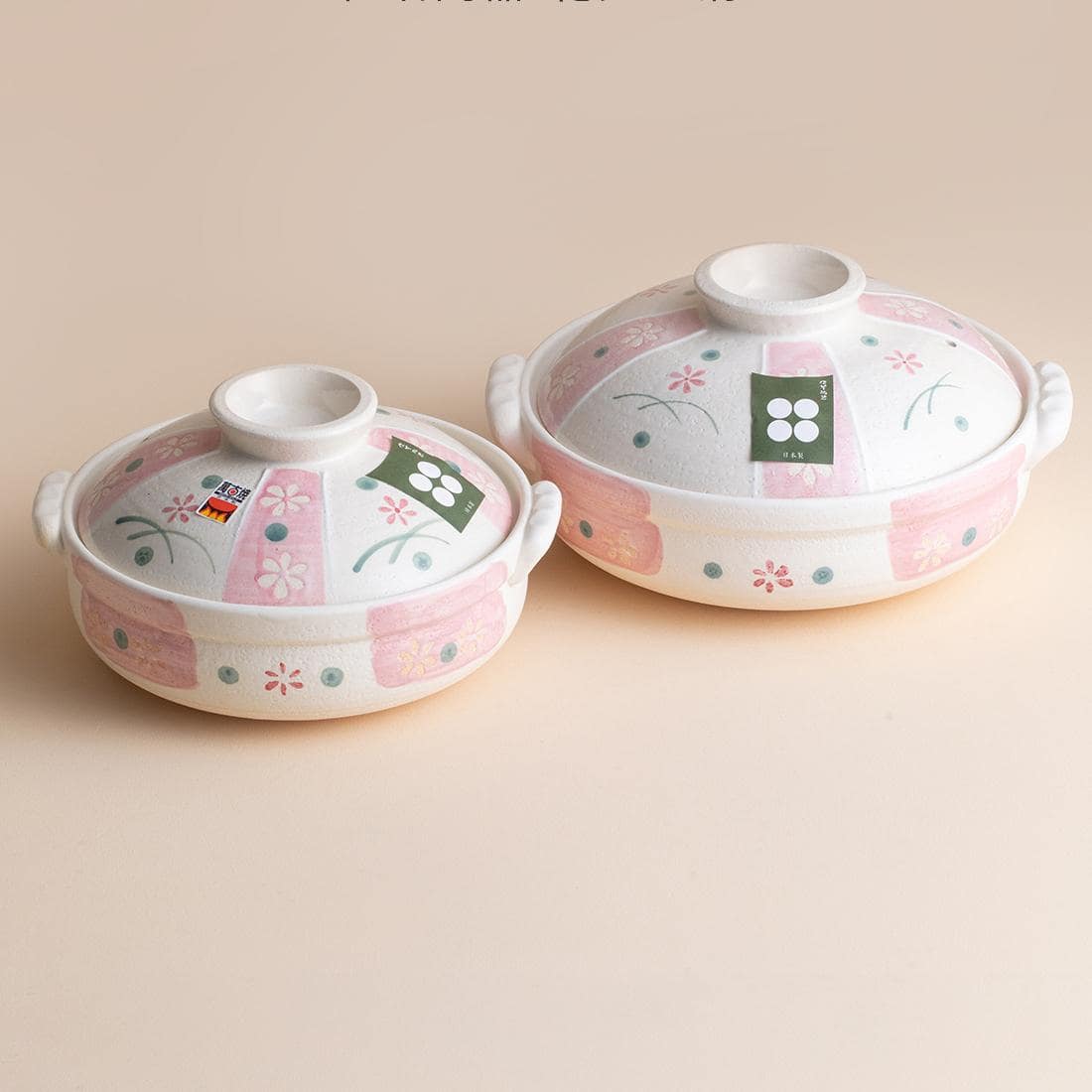
Glazed Ceramics (Stoneware, Porcelain): Most Japanese bowls, plates, and cups fall into this category.
- Washing: Handwash with warm water and a small amount of mild dish soap. Use a soft sponge or cloth. For stubborn food residue, soak the item in warm water for a short period before gently scrubbing.
- Drying: Dry immediately with a soft, lint-free towel to prevent water spots, especially on dark glazes.
- Stains: For tea or coffee stains inside cups, a paste of baking soda and water can gently lift them. Apply the paste, let it sit for a few minutes, then gently rub with a soft cloth and rinse thoroughly.
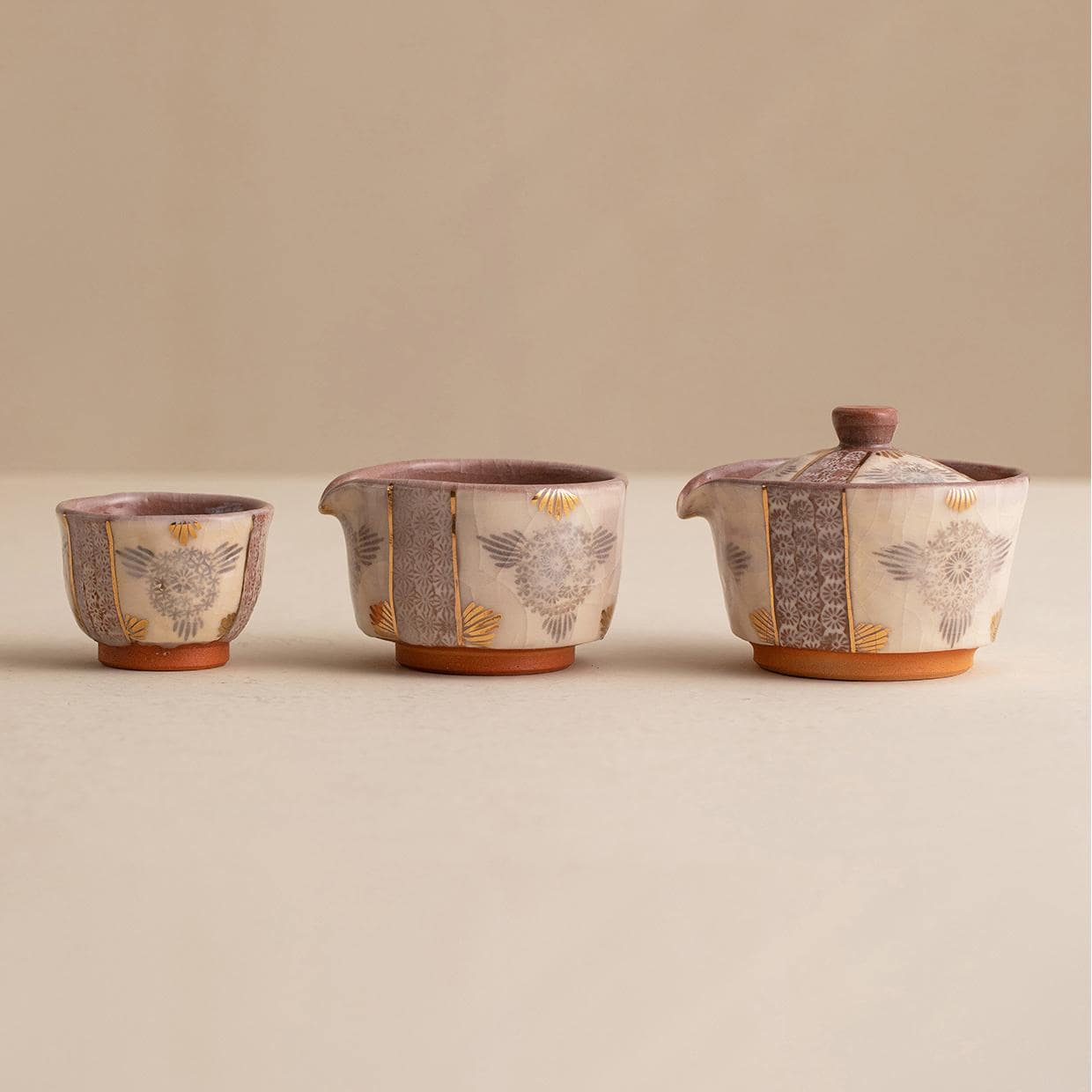
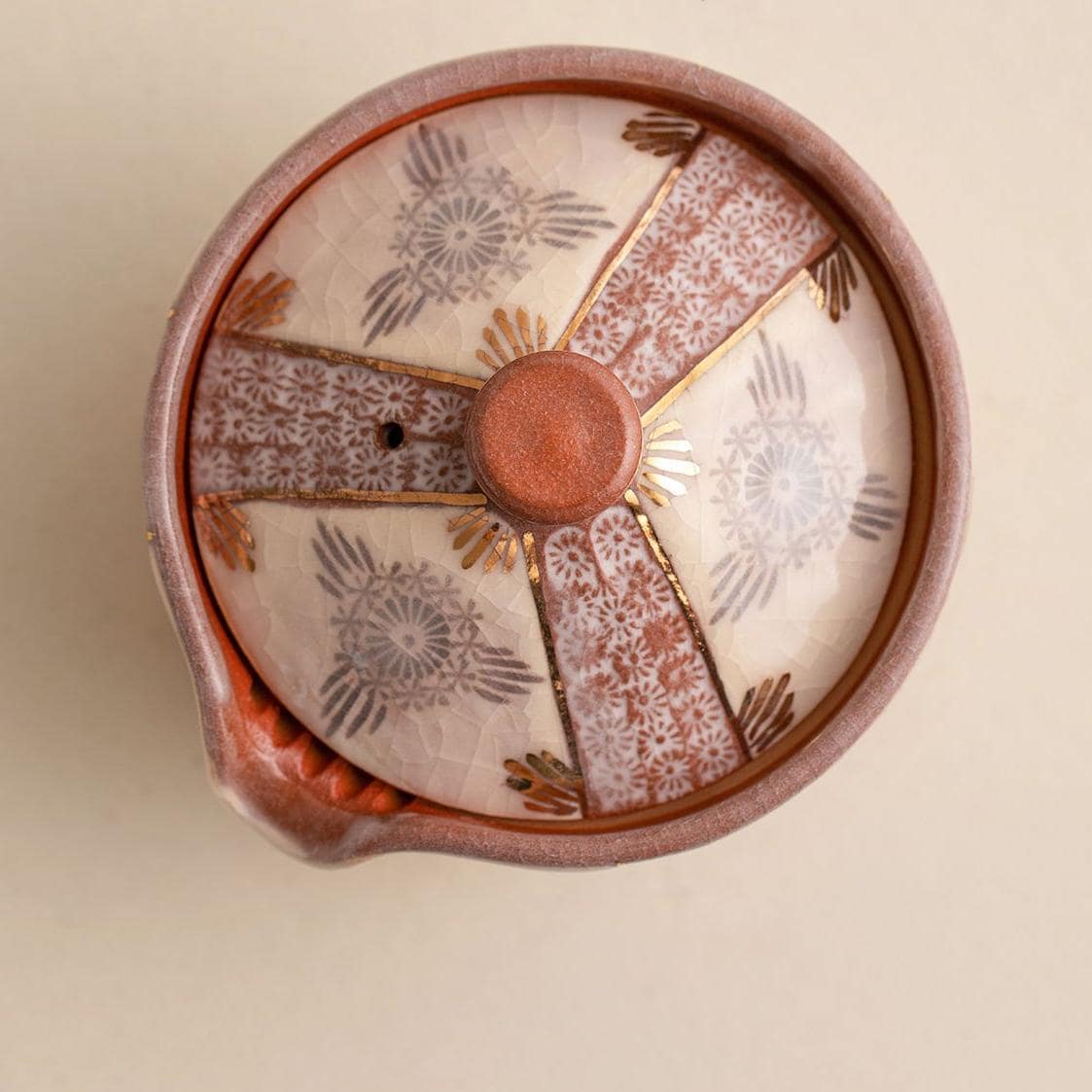
- Crackle Glazes (Kannyu): Many beautiful Japanese ceramics feature crackle glazes, where fine lines appear in the glaze. These lines are intentional and part of the aesthetic. However, they can absorb colors from food or liquids over time, leading to staining. To minimize this, rinse crackle-glazed items immediately after use and avoid leaving highly pigmented foods or liquids in them for extended periods. Some collectors embrace the "hishaku" effect, where tea or other liquids gradually color the cracks, creating a unique patina.
- Microwave & Oven Use: While some modern glazed ceramics are microwave and oven safe, it's always best to check with the manufacturer or assume they are not, especially for handmade pieces. Gold, silver, or metallic accents are never microwave safe.
- Storage: When stacking ceramic plates or bowls, place a soft cloth, felt pad, or even a paper towel between each piece to prevent scratching or chipping the glaze. Store cups and mugs right side up to protect their rims.
Protecting the Luster: Caring for Exquisite Japanese Lacquerware
Japanese lacquerware, known as "urushi," is renowned for its deep luster, smooth finish, and often intricate decorative elements. These pieces, whether sake cups, bowls, or trays, are made from the sap of the lacquer tree and require specific care to preserve their unique beauty.
- Immediate Washing: Lacquerware is sensitive to prolonged exposure to food acids and oils. Wash your lacquerware immediately after use.
- Mild Soap & Warm Water: Use lukewarm water and a very mild, pH-neutral dish soap. Avoid hot water, which can dull the lacquer finish or cause it to crack over time.
- Soft Cloth Only: Never use abrasive sponges, scourers, or brushes. Only use a very soft cloth or sponge to gently wipe the surface.
- Gentle Drying: This is crucial. After washing, gently wipe the lacquerware completely dry with a soft, lint-free cloth. Do not air dry, as water spots can be challenging to remove and can dull the finish. Ensure no moisture remains, especially in crevices or decorative elements.
- Avoid Soaking: Never soak lacquerware in water for extended periods. This can cause the material to swell, crack, or delaminate.
- Temperature Sensitivity: Lacquerware is sensitive to extreme temperatures. Do not expose it to direct sunlight, high heat (e.g., stovetop, microwave, oven, dishwasher), or extreme cold. It can become brittle in very dry conditions and warp in high humidity.
- Storage: Store lacquerware in a stable environment, away from direct sunlight and extreme temperature fluctuations. Avoid stacking, as this can scratch the delicate surface. If stacking is unavoidable, place a soft, clean cloth between each piece. Store in a cabinet or box where it won't be easily knocked or scratched.
- Repair: Minor scratches can sometimes be polished out by a professional, but deep damage often requires specialized urushi repair techniques.
Shining Bright: Maintaining the Elegance of Japanese Glassware (Especially Edo Kiriko)
Japanese glassware, from simple, elegant tumblers to the intricately cut patterns of Edo Kiriko, adds a touch of sophistication to any table. Their transparency and delicate nature require careful handling to maintain their sparkle and prevent damage.
- Handwash with Care: Always handwash glassware. The clinking and high temperatures in a dishwasher are a recipe for chips, cracks, and dullness.
- Lukewarm Water & Mild Soap: Use lukewarm water and a small amount of mild, non-abrasive dish soap.
- Soft Sponge or Cloth: Gently clean with a soft sponge or cloth. For intricate patterns like those found in Edo Kiriko, a soft brush (like a clean, soft toothbrush) can carefully dislodge any residue from the cuts, but be extremely gentle.
- Rinsing: Rinse thoroughly under lukewarm running water to remove all soap residue.
- Drying is Key for Brilliance: This is perhaps the most important step for glassware. Immediately after rinsing, dry each piece completely with a clean, lint-free microfiber cloth or a specialized glass polishing cloth. Hold the glass by the base or stem, not the rim, to avoid fingerprints and minimize pressure on delicate edges. For wine glasses, dry the bowl first, then the stem, and finally the base. Proper drying prevents water spots and streaks, ensuring your glassware truly sparkles.
- Avoiding Thermal Shock: As mentioned, glassware is highly susceptible to thermal shock. Never pour hot liquids into a cold glass, or place a cold glass directly into hot water. Allow glasses to come to room temperature before washing if they were previously very hot or cold.
- Storage: Store glassware upright in a cabinet where it's protected from dust and accidental bumps. Avoid stacking, especially for delicate pieces or those with stems. If you must stack, ensure there's a protective layer between them, though it's generally not recommended. Give each piece enough space so they don't knock against each other.
Beyond the Dish: Care for Chopsticks, Sake Sets, and Tea Ware
Your collection likely extends beyond plates and bowls. Here's how to care for other common Japanese tableware items.
-
Chopsticks:
- Wooden & Lacquered Chopsticks: Handwash immediately after use with mild soap and lukewarm water. Dry thoroughly with a soft cloth. Avoid soaking, dishwashers, and prolonged exposure to direct sunlight or heat, which can cause warping or cracking.
- Metal Chopsticks: Generally more durable, but still benefit from handwashing to prevent scratching and maintain their finish. Some may be dishwasher safe, but always check manufacturer recommendations.
-
Sake Sets (Tokkuri & Guinomi):
- Ceramic Sake Sets: Follow the general care for Japanese ceramics. Pay attention to unglazed portions or crackle glazes. Wash promptly after use to prevent sake residue from staining.
- Glass Sake Sets (e.g., Edo Kiriko): Adhere strictly to glassware care guidelines, emphasizing gentle handwashing and meticulous drying to maintain clarity and sparkle.
- Lacquer Sake Cups: Treat as you would any other lacquerware, ensuring immediate washing, gentle drying, and avoidance of heat.
-
Tea Ware (Teapots, Cups, Chawan):
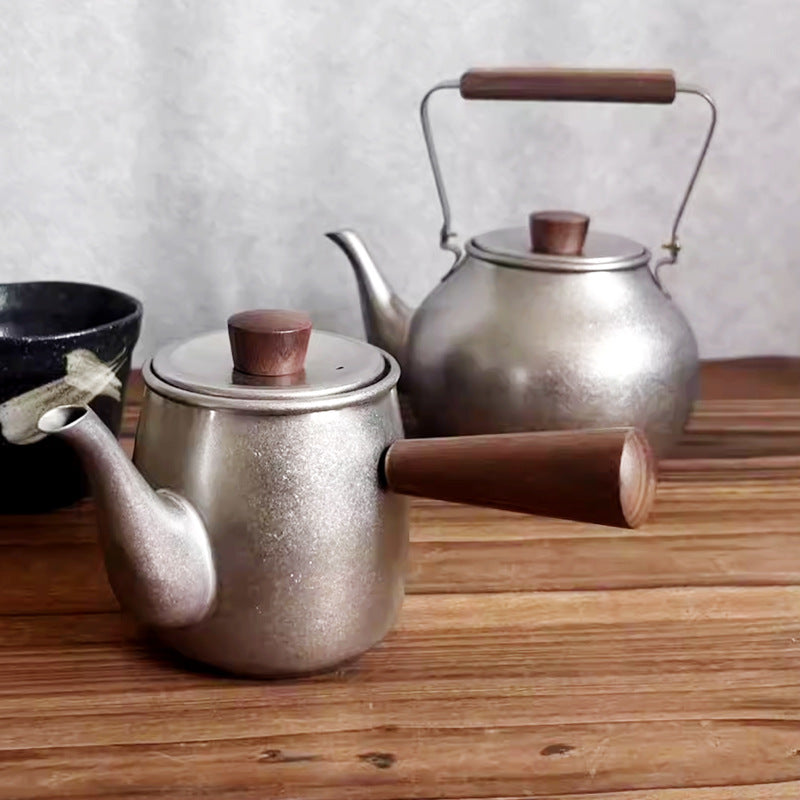
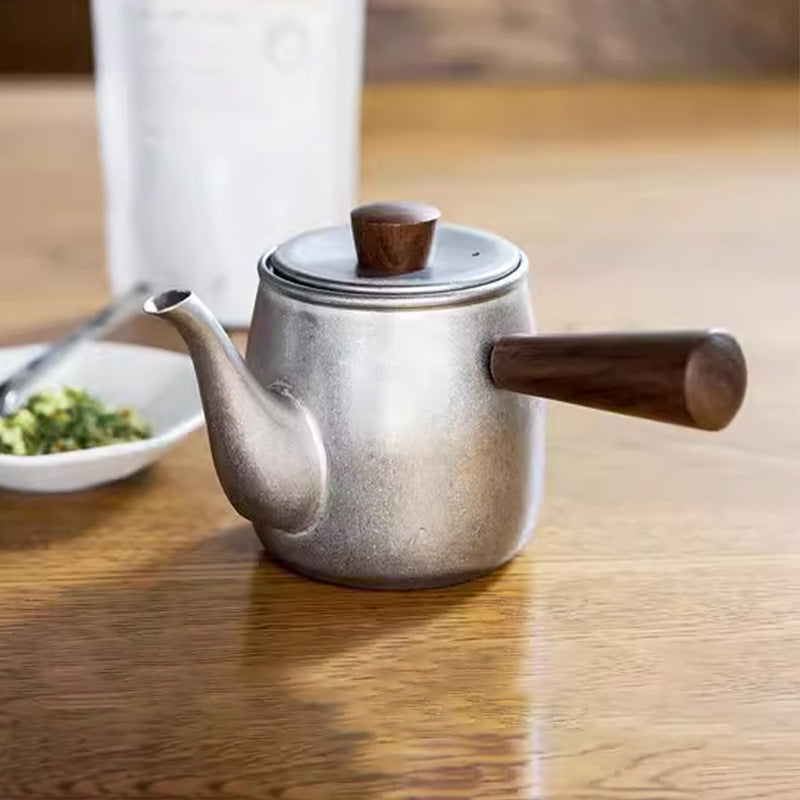
- Ceramic Teapots & Cups: Handwash with mild soap and water. For teapots, ensure the spout and interior are thoroughly rinsed. For unglazed teapots (like some kyusu), many tea connoisseurs prefer to rinse only with hot water and avoid soap entirely, allowing a protective patina of tea oils to build up over time, which is believed to enhance the tea's flavor.
- Chawan (Matcha Bowls): Often made from porous ceramics. Rinse immediately after use. If using soap, ensure it's mild and rinsed completely, as residual soap can affect the taste of matcha. Allow to air dry thoroughly before storing.
- Glass Teaware: Follow glassware care.
Common Pitfalls and How to Avoid Them: Extending the Life of Your Treasures
Even with the best intentions, mistakes can happen. Being aware of common pitfalls can help you avoid damaging your beautiful Japanese tableware.
- Ignoring "Handwash Only": This is the most frequent and damaging mistake. Dishwashers are rarely suitable for handmade ceramics, lacquerware, or delicate glassware.
- Using Abrasive Cleaners: Steel wool, harsh scrubbing pads, or gritty cleansers can permanently scratch glazes, lacquer finishes, and even glass.
- Sudden Temperature Changes: Putting a cold ceramic bowl into a hot microwave or pouring boiling water into a chilled glass can cause irreparable thermal shock.
- Leaving Food or Liquids to Dry On: Especially problematic for porous ceramics, crackle glazes, and lacquerware, as it can lead to stubborn stains or dulling.
- Improper Storage: Stacking items without protection, or storing delicate pieces where they can easily be knocked over, leads to chips and breaks.
- Excessive Soaking: Lacquerware and some porous ceramics should never be left to soak for long periods.
- Microwaving Metallic Accents: Any gold, silver, or metallic trim on ceramics will spark in the microwave and can damage both the item and the appliance.
Display and Storage: Ensuring Longevity and Continued Enjoyment
Beyond daily cleaning, how you display and store your Japanese tableware plays a crucial role in its long-term preservation.
- Display with Intention: When displaying your pieces, choose locations away from direct sunlight, which can fade colors and damage lacquer. Avoid areas prone to vibrations or high traffic where items might be easily bumped or knocked over. Ensure shelves are sturdy and level.
- Protect from Dust: Use enclosed cabinets or display cases to protect items from dust and environmental contaminants, especially for pieces not in regular use.
- Rotation for Even Wear: If you have a large collection, consider rotating your pieces. This ensures that all items get used and appreciated, rather than some sitting neglected for too long, and can help prevent uneven wear or exposure to environmental factors.
- Safe Packing for Moves: If moving or storing items for an extended period, wrap each piece individually in acid-free tissue paper, bubble wrap, or soft cloth. Use sturdy boxes with adequate padding to prevent shifting. Label boxes clearly.
- Humidity Control: While not always practical for every home, be mindful of extreme humidity or dryness. Very dry environments can cause some wooden or lacquer items to crack, while excessive humidity can encourage mold growth in porous ceramics if not properly dried.
Caring for your handmade Japanese ceramics, lacquerware, and glassware is an act of respect for the artisan's skill and the cultural heritage they represent. By following these product care guidelines and tableware tips, you ensure that your cherished pieces remain beautiful and functional for many years, continuing to bring joy and elegance to your daily life. We invite you to explore our exquisite collection of authentic Japanese tableware and find more treasures to add to your home. Browse our full collection today and discover the perfect piece to begin or expand your own story of Japanese artistry.
Related Posts

How to Care for Handmade Japanese Ceramics, Lacquerware, and Glassware

How to Care for Handmade Japanese Ceramics, Lacquerware, and Glassware

The History of Chopsticks

How to Care for Handmade Japanese Ceramics, Lacquerware, and Glassware

The Story of Urushi

How to Care for Handmade Japanese Ceramics, Lacquerware, and Glassware