
How to Care for Handmade Japanese Ceramics, Lacquerware, and Glassware
The allure of authentic Japanese tableware lies not just in its functional beauty, but in the stories it tells – of generations of skilled artisans, time-honored techniques, and a profound respect for nature's materials. From the earthy warmth of handmade Japanese ceramics to the shimmering depth of traditional lacquerware and the intricate brilliance of Edo Kiriko glassware, each piece is a testament to exquisite craftsmanship. At Sakitime, we believe that owning such treasures is a journey of appreciation, and part of that journey involves understanding how to care for them properly. With the right product care, your cherished items will continue to bring joy and elegance to your table for many years to come.
Embracing the Artistry: Why Proper Care Matters for Japanese Tableware
When you invest in artisan ceramics, delicate sake sets, meticulously crafted chopsticks, or stunning Edo Kiriko glassware, you're bringing a piece of Japanese heritage into your home. These are not mass-produced items; they are often handmade, each with its unique character, subtle imperfections, and inherent fragility. Proper care isn't just about cleanliness; it's about preserving the integrity of the material, maintaining its aesthetic appeal, and honoring the artisan's dedication. Neglecting basic tableware tips can lead to irreversible damage, fading colors, or compromised structural integrity. By understanding the specific needs of Japanese ceramics, lacquerware, and glassware, you ensure their longevity and continue to enjoy their serene presence.
The Gentle Touch: Caring for Your Precious Japanese Ceramics
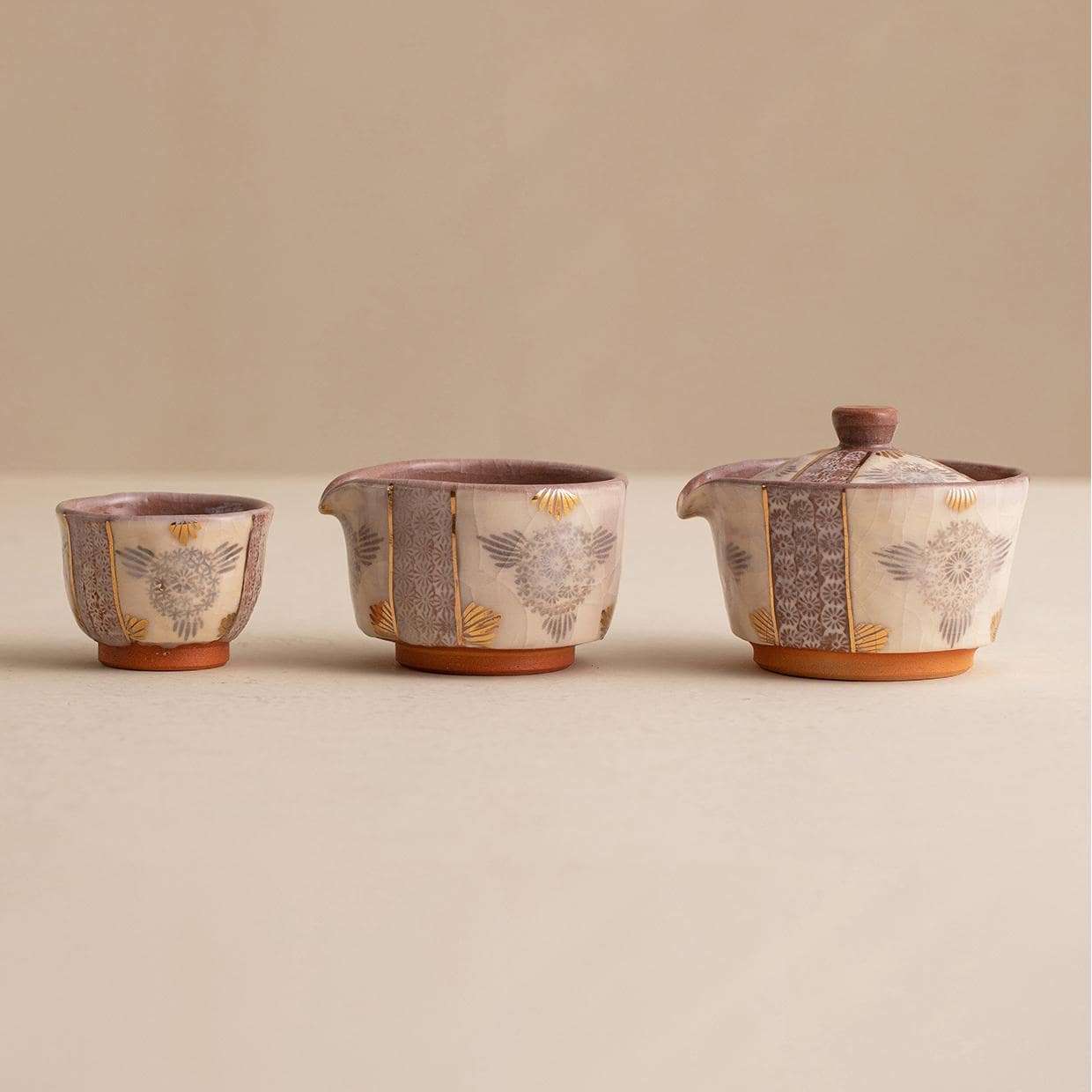
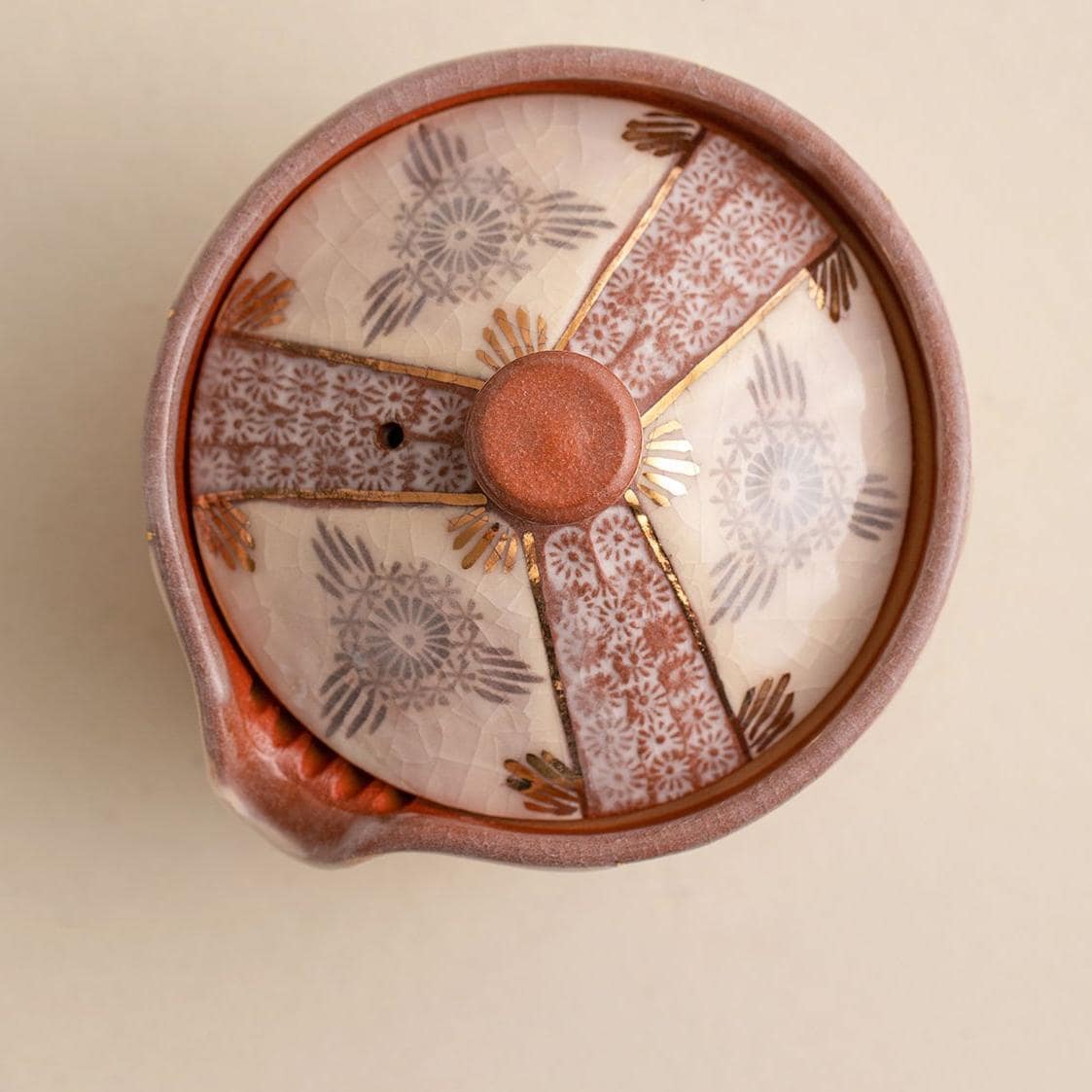
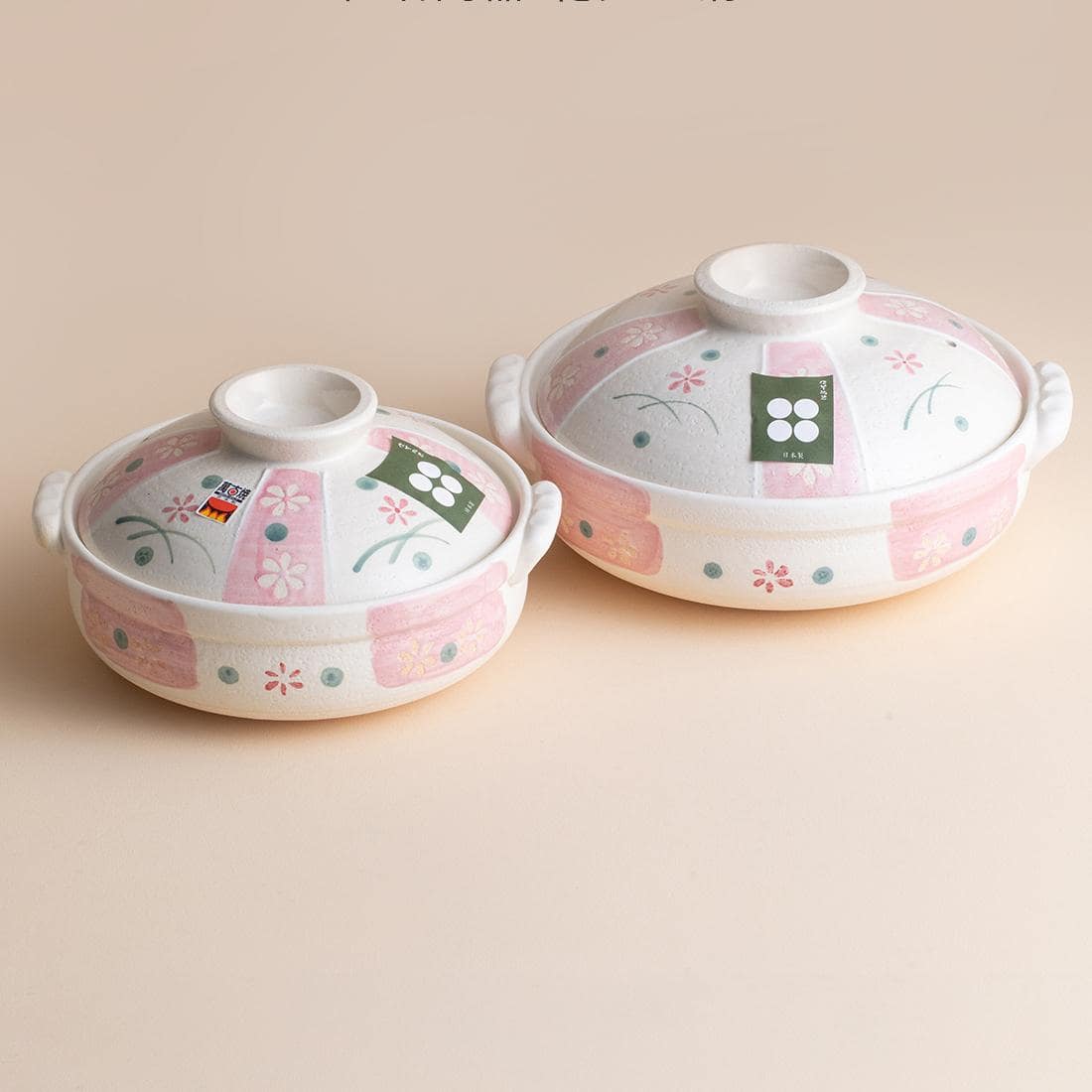
Japanese ceramics encompass a vast range of styles, from rugged Bizen stoneware to delicate Arita porcelain, and each type may have slightly different care requirements. However, some fundamental principles apply to all.
Initial Preparation and Seasoning (Medome)
For unglazed or lightly glazed pottery, particularly those with porous surfaces (like some styles of Bizen or Shigaraki ware), a process called medome (目止め) is often recommended before first use. This helps to seal the pores, prevent staining, and enhance durability.
- Rice Water Method: Boil the ceramic piece in rice water (the water left over from washing rice, or water with a tablespoon of rice flour) for 15-20 minutes. Let it cool completely in the water. The starch fills the microscopic pores, reducing absorption.
- Flour Paste Method: For larger pieces, you can coat them with a thin paste made from flour and water, let it dry, then rinse thoroughly.
Always check if the specific ceramic piece requires medome, as some modern glazes or high-fired porcelain do not.
Washing and Drying Ceramics
- Hand Washing is Best: Always hand wash your Japanese ceramics. Dishwashers, even on gentle cycles, use harsh detergents, high temperatures, and forceful water jets that can chip, crack, or dull glazes. They can also cause thermal shock, especially for delicate or unglazed pieces.
- Lukewarm Water and Mild Soap: Use lukewarm water and a small amount of mild, non-abrasive dish soap. Avoid harsh chemical cleaners or abrasive sponges that can scratch surfaces or erode glazes.
- Soft Cloth or Sponge: Use a soft cloth, sponge, or gentle brush to clean. Pay attention to crevices and decorative elements.
- Rinse Thoroughly: Ensure all soap residue is rinsed off, as it can leave streaks or dull the finish over time.
- Air Dry or Soft Towel: Allow pieces to air dry completely on a drying rack, or gently dry them with a soft, lint-free towel. For pieces with a foot rim, ensure the rim is also dry to prevent mold or mildew, especially in humid environments.
- Avoid Sudden Temperature Changes: Never place a hot ceramic dish directly into cold water or vice-versa. Sudden thermal shock can cause cracking or crazing (fine lines in the glaze).
Dealing with Stains and Odors
For stubborn stains or lingering odors in porous ceramics:
- Baking Soda Paste: Make a paste with baking soda and water, apply it to the stain, let it sit for a while, then gently scrub and rinse.
- Lemon Juice: For tea or coffee stains, rubbing with half a lemon can be effective. Rinse well afterwards.
- Avoid Bleach: Never use bleach or strong chemical stain removers, as they can damage glazes and materials.
Preserving the Luster: Expert Tips for Japanese Lacquerware (Urushi)
Japanese lacquerware, known as urushi (漆器), is renowned for its deep luster, smooth finish, and often intricate designs. These pieces, whether bowls, trays, or sake cups, are exquisitely beautiful but also delicate and require specific care to maintain their beauty.
Gentle Cleaning for Urushi
- Hand Wash Only: Like ceramics, lacquerware should always be hand washed. Dishwashers are an absolute no-go.
- Lukewarm Water and Mild Soap: Use lukewarm water and a very small amount of mild dish soap. Avoid harsh detergents.
- Soft Sponge or Cloth: Gently wipe the surface with a soft sponge or a non-abrasive cloth. Never use abrasive scrubbers, steel wool, or scouring pads, as they will scratch the delicate lacquer finish.
- Immediate Drying: The most crucial step! Dry lacquerware immediately after washing with a very soft, lint-free cloth. Do not let it air dry, as water spots can form and dull the finish.
Protecting from Damage
- Avoid Extreme Temperatures: Lacquerware is sensitive to extreme heat and cold. Do not place it in microwaves, ovens, refrigerators, or freezers. Avoid pouring boiling hot water directly into lacquer bowls unless they are specifically designed for it (and even then, exercise caution).
- No Direct Sunlight: Prolonged exposure to direct sunlight or strong UV light can cause the lacquer to fade, crack, or become brittle. Store pieces away from windows.
- Prevent Scratches: Store lacquerware separately to prevent items from rubbing against each other. Use soft cloth dividers or individual boxes. Avoid stacking heavy items on top of lacquerware.
- No Sharp Objects: Be careful when using utensils with lacquerware. While durable, it can be scratched by sharp knives or forks.
- Keep Away from Chemicals: Harsh chemicals, alcohol, and strong solvents can damage the lacquer finish. Stick to mild soap and water.
With proper product care, your lacquerware will develop a beautiful patina over time, deepening its luster and elegance.
Sparkling Brilliance: Maintaining Japanese Glassware, Especially Edo Kiriko
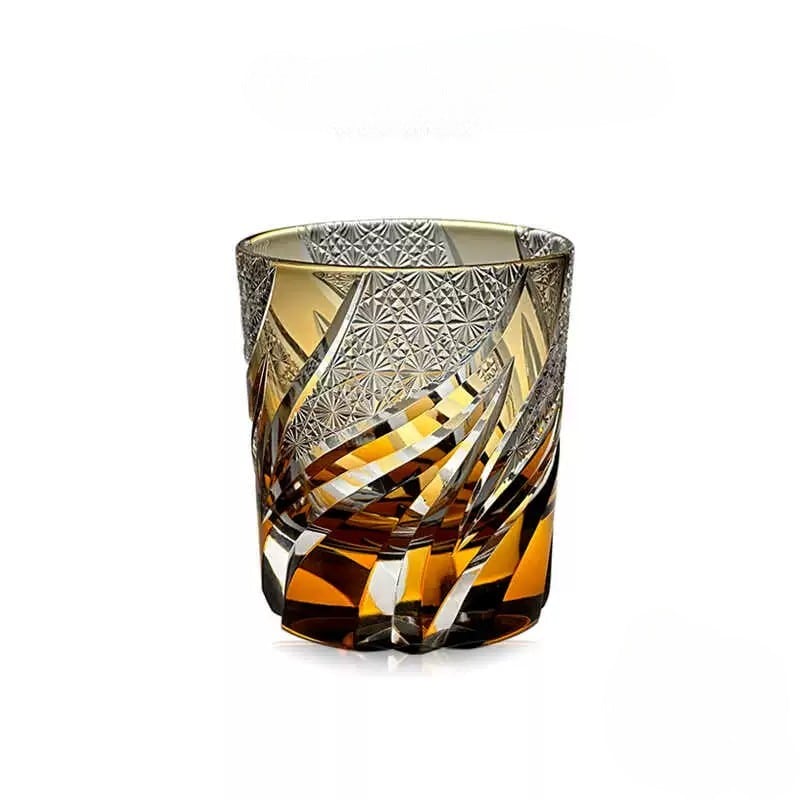
Japanese glassware, particularly the stunning Edo Kiriko, is known for its intricate cut patterns and vibrant colors. These pieces, whether sake glasses, tumblers, or decorative bowls, are often works of art that demand careful handling.
Washing Edo Kiriko and Other Fine Glassware
- Hand Wash Exclusively: Glassware with delicate cuts, hand-painted details, or gold/silver accents should always be hand washed. Dishwashers can cause chipping, scratching, and dulling of the surface, especially for delicate cut glass like Edo Kiriko. The high heat can also damage metallic accents.
- Lukewarm Water and Mild Soap: Use lukewarm water and a small amount of gentle, liquid dish soap. Avoid abrasive cleaners or powders.
- Soft Sponge or Cloth: Gently clean the glass with a soft sponge or cloth. For intricate cuts in Edo Kiriko, a soft brush (like a clean, soft toothbrush) can help remove residue from grooves, but use it with extreme care.
- Rinse Thoroughly: Rinse the glassware under clear, lukewarm running water to remove all soap residue.
-
Careful Drying and Polishing: This is key for preventing water spots and achieving maximum sparkle.
- Immediately after rinsing, dry the glass with a clean, lint-free microfiber cloth or a soft linen towel.
- For extra sparkle, polish the glass gently with a dry, lint-free cloth. Hold the glass by the base or stem to avoid leaving fingerprints.
- Avoid Thermal Shock: As with ceramics, avoid sudden changes in temperature. Don't pour very hot liquids into cold glassware or vice-versa, as this can cause cracking.
Storing Glassware Safely
- Prevent Chipping: Store glassware upright and spaced apart to prevent them from knocking into each other. For stemware, avoid hanging them by the base if they are heavy or delicate.
- Glass Dividers: Use padded dividers or place soft cloths between glasses if you need to store them close together.
- Stable Surface: Ensure glassware is stored on a stable shelf or cabinet where it won't easily tip over.
Universal Wisdom: General Tableware Tips for All Your Japanese Treasures
Beyond the specifics of each material, there are overarching tableware tips that apply to almost all your authentic Japanese items, ensuring their longevity and beauty.
- No Dishwashers, Microwaves, or Ovens (Unless Specified): This is perhaps the most critical general rule. Assume that your handmade Japanese tableware is not dishwasher, microwave, or oven safe unless explicitly stated otherwise by the artisan or retailer. The high temperatures, harsh detergents, and vigorous cycles of appliances are detrimental to glazes, finishes, and the structural integrity of most artisan pieces.
- Handle with Care: Always handle delicate items gently. Avoid clanking them together during washing or storage. Pick up items by their base or strongest point, not by delicate rims or handles.
- Separate Washing: When washing multiple items, especially a mix of materials, wash them one by one. This prevents accidental chips or scratches that can occur when items bump against each other in a sink.
- Clean Promptly: Rinse or wash items soon after use. Food residue, especially acidic or oily substances, can stain or etch surfaces if left for too long.
- Use Gentle Utensils: When serving or eating from your special pieces, consider using wooden or silicone utensils rather than metal, which can scratch delicate surfaces.
Adhering to these simple rules will significantly extend the life and beauty of your entire collection.
Safe Havens: Optimal Storage Solutions for Longevity
Proper storage is just as vital as proper cleaning for preserving your Japanese tableware. It protects against accidental damage, dust, and environmental factors.
- Individual Protection: For particularly valuable or delicate pieces, consider storing them in individual boxes or fabric pouches. This is especially true for sake sets, tea ware, and Edo Kiriko glassware.
- Soft Dividers: When stacking plates or bowls (only if they are sturdy enough and designed for stacking), place soft felt, cork, or paper plate dividers between each piece to prevent scratching. Never stack delicate items like teacups or thin bowls.
- Stable Shelving: Store items on sturdy, level shelves in a cabinet where they are not at risk of falling or being knocked over. Avoid storing heavy items on top of lighter, more fragile ones.
-
Environmental Considerations:
- Temperature and Humidity: Avoid storing items in areas with extreme fluctuations in temperature or humidity. High humidity can encourage mold on porous ceramics or damage lacquer, while extreme dryness can cause some materials to crack.
- Light Exposure: Keep items out of direct sunlight, especially lacquerware and pieces with delicate colors or glazes, which can fade over time.
- Organize Thoughtfully: Group similar items together. Keep frequently used items easily accessible, and less frequently used items in safer, more protected storage.
When Accidents Happen: Repairing and Restoring Your Beloved Pieces
Despite the most diligent care, accidents can sometimes happen. A chip, a crack, or a break can be disheartening, but it doesn't always mean the end for your cherished Japanese piece. In Japan, there's a profound philosophy of embracing imperfections and repairing broken items, giving them a new life and story.
- Kintsugi for Ceramics: For broken ceramics, the traditional Japanese art of Kintsugi (金継ぎ) offers a beautiful solution. Using lacquer and powdered gold, silver, or platinum, broken pieces are rejoined, highlighting the cracks as part of the item's history rather than hiding them. This unique repair method celebrates breakage and repair, making the item even more precious. While it requires specialized skill, Kintsugi kits are available for enthusiasts, or you can seek out professional Kintsugi artists.
- Professional Restoration: For valuable or intricately designed pieces of lacquerware or glassware, seeking professional restoration services is often the best course of action. Experts have the knowledge and tools to repair damage while preserving the original aesthetic and integrity of the piece. Look for specialists in antique or fine art restoration.
- Gentle Adhesives for Minor Damage: For minor chips or hairline cracks on less valuable items, a food-safe, waterproof adhesive designed for ceramics or glass might offer a temporary solution. However, be aware that such repairs are usually visible and may not withstand repeated washing or use. Always prioritize safety, especially for items used with food.
Remember, even a repaired item carries a unique charm and story, embodying the Japanese spirit of Wabi-Sabi – finding beauty in imperfection and transience.
A Legacy of Beauty: Enjoying and Sustaining Your Japanese Collection
Owning authentic Japanese tableware is a privilege, connecting you to centuries of artistry and culture. By dedicating a little time and effort to proper product care, you not only preserve the physical beauty of your ceramics, lacquerware, and glassware but also honor the craftsmanship and the stories they represent. These aren't just objects; they are conduits of tradition, designed to enhance your daily rituals and special occasions.
From the serene simplicity of a handcrafted tea bowl to the festive elegance of a sake set, each piece from Sakitime is an invitation to experience the richness of Japanese aesthetics. We hope these tableware tips empower you to care for your collection with confidence and joy, ensuring that these treasures remain a cherished part of your home for generations to come.
Ready to expand your collection or find that perfect piece to start your journey? Browse Sakitime's exquisite collection of authentic Japanese tableware, artisan ceramics, sake sets, chopsticks, Edo Kiriko glassware, and tea ware today!
Related Posts

How to Care for Handmade Japanese Ceramics, Lacquerware, and Glassware

How to Care for Handmade Japanese Ceramics, Lacquerware, and Glassware

How to Care for Handmade Japanese Ceramics, Lacquerware, and Glassware

How to Care for Handmade Japanese Ceramics, Lacquerware, and Glassware

How to Care for Handmade Japanese Ceramics, Lacquerware, and Glassware

The History of Chopsticks