
How to Care for Handmade Japanese Ceramics, Lacquerware, and Glassware
Embracing the Legacy: An Introduction to Caring for Japanese Tableware
The allure of authentic Japanese tableware lies not just in its exquisite beauty and functionality, but in the rich history, meticulous craftsmanship, and cultural narratives each piece embodies. From the earthy textures of artisan ceramics to the mirror-like sheen of traditional lacquerware and the dazzling sparkle of Edo Kiriko glassware, these items are more than mere utensils; they are pieces of art, designed to elevate everyday dining into an experience. At Sakitime, we deeply appreciate the dedication of the artisans who create these treasures. When you bring these beautiful objects into your home, you're not just acquiring tableware; you're adopting a piece of Japan's soul. To ensure these cherished items continue to bring joy and beauty for generations, understanding proper product care is paramount. This comprehensive guide will equip you with the essential tableware tips to preserve the integrity, luster, and longevity of your handmade Japanese ceramics, lacquerware, and glassware.
The Art of Caring for Japanese Ceramics: Pottery & Porcelain
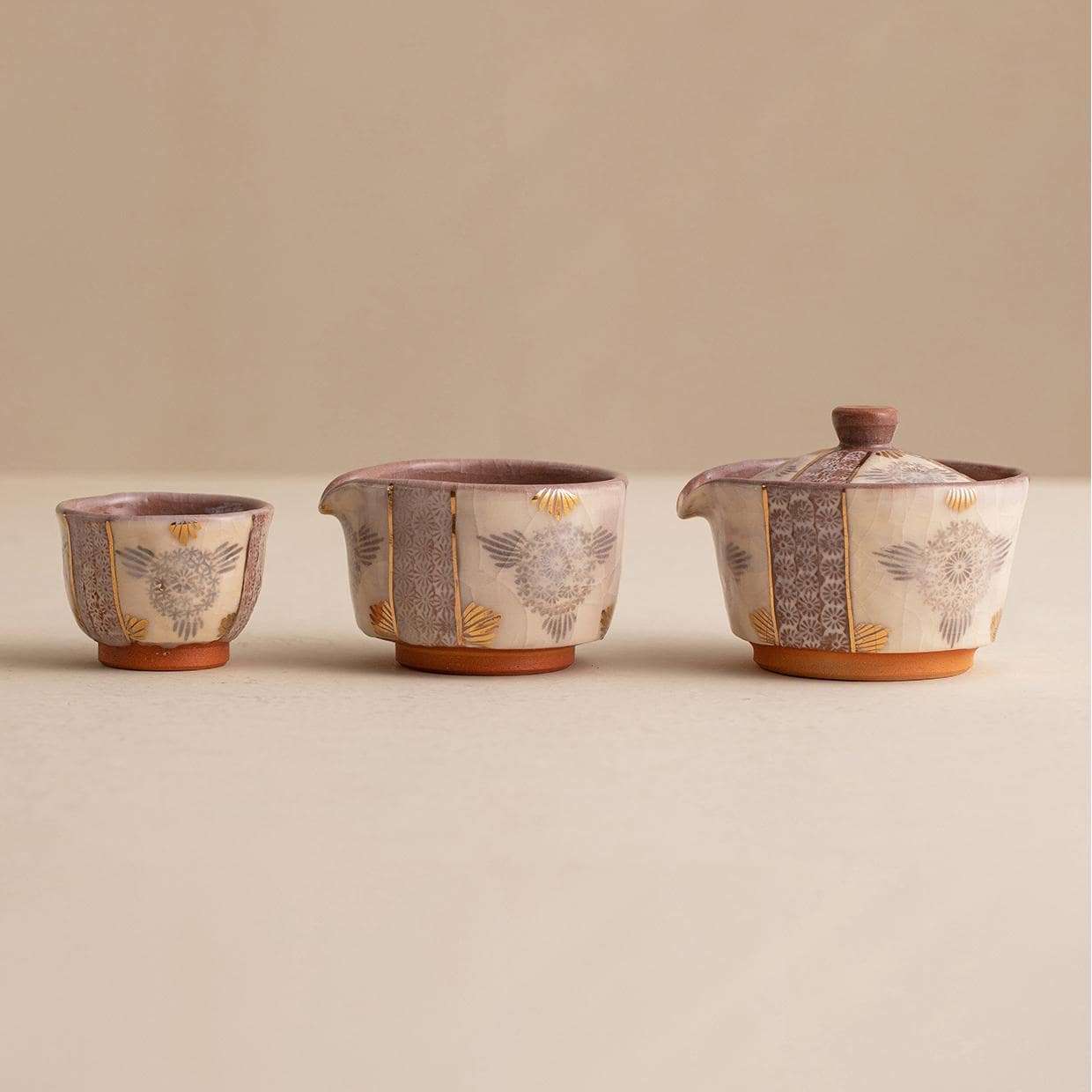
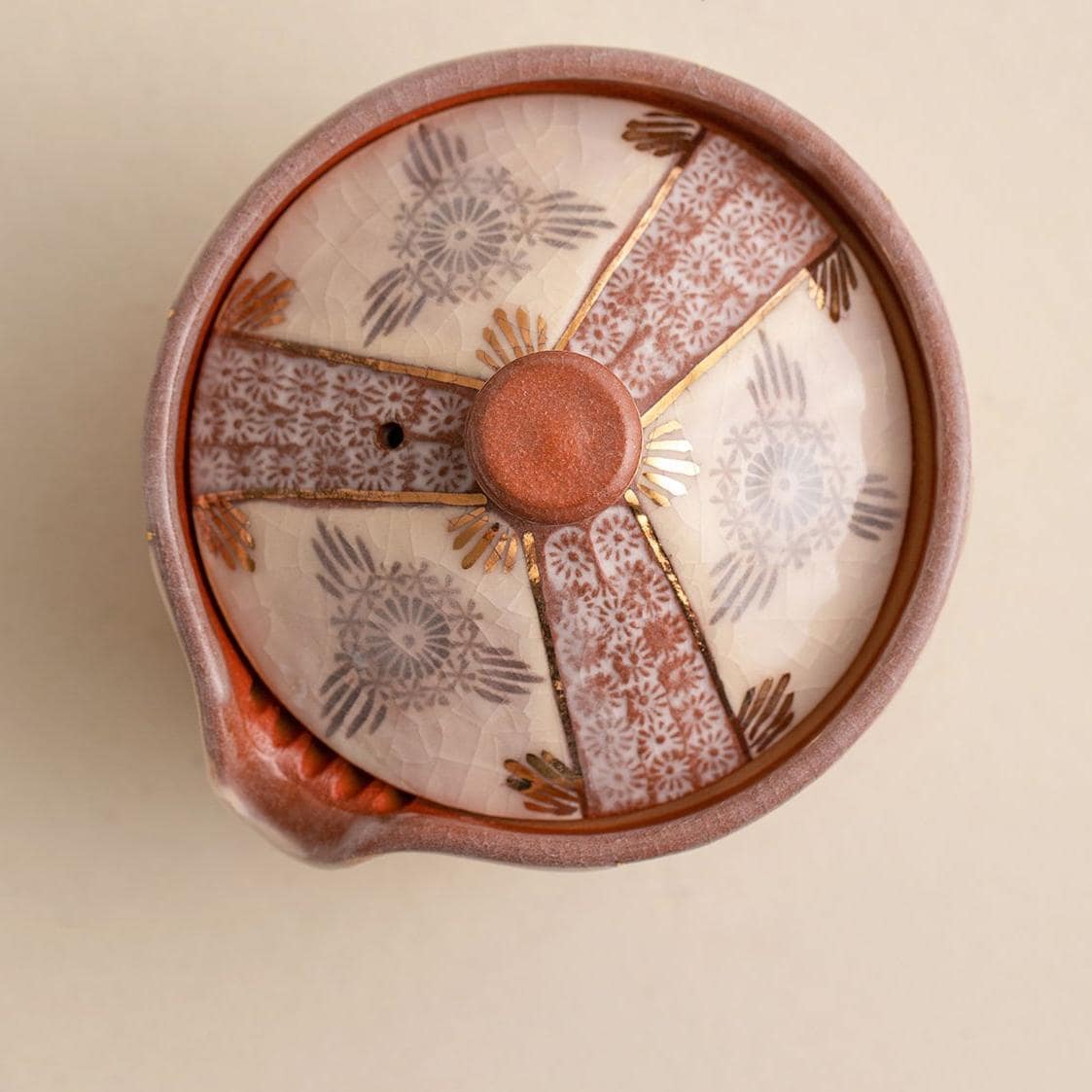
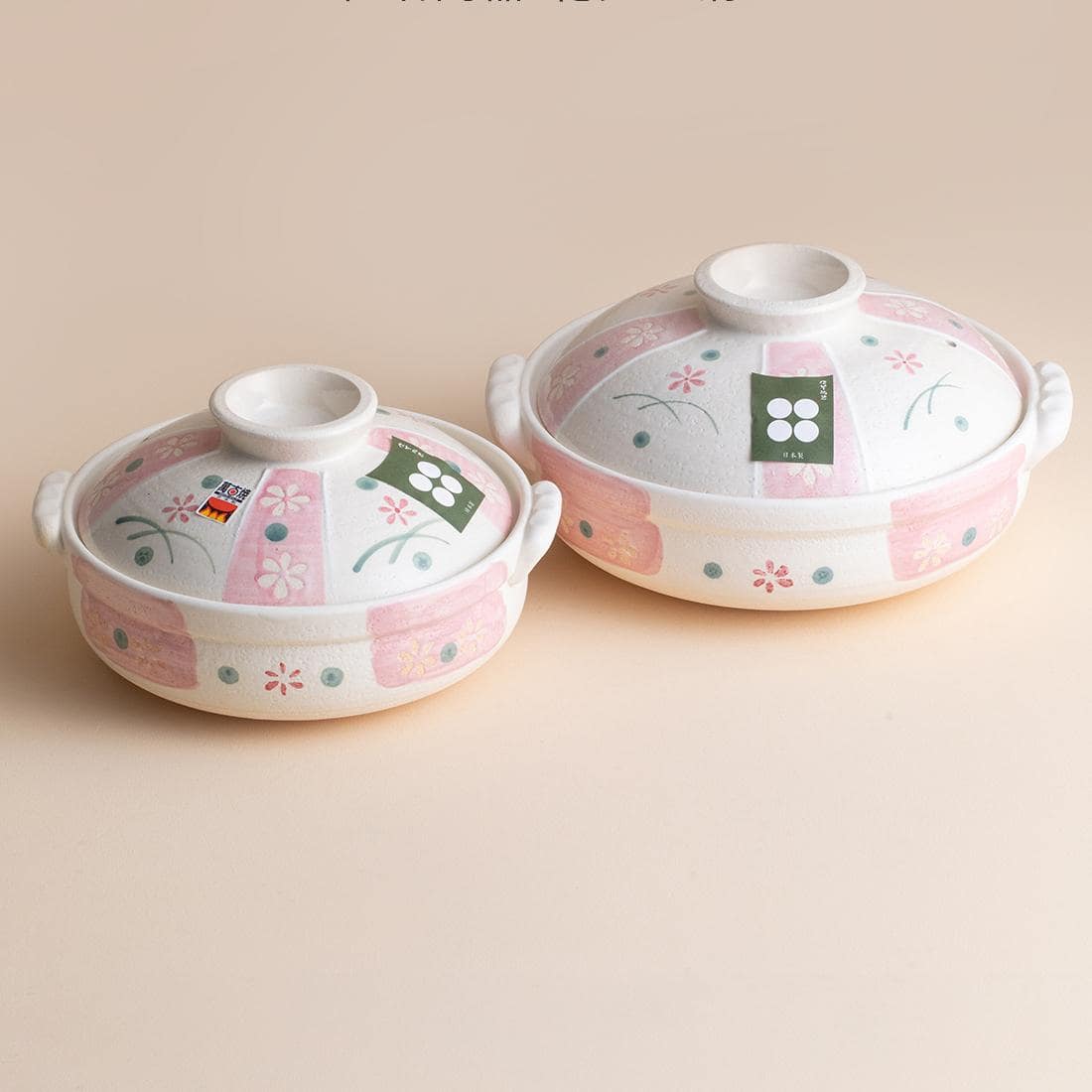
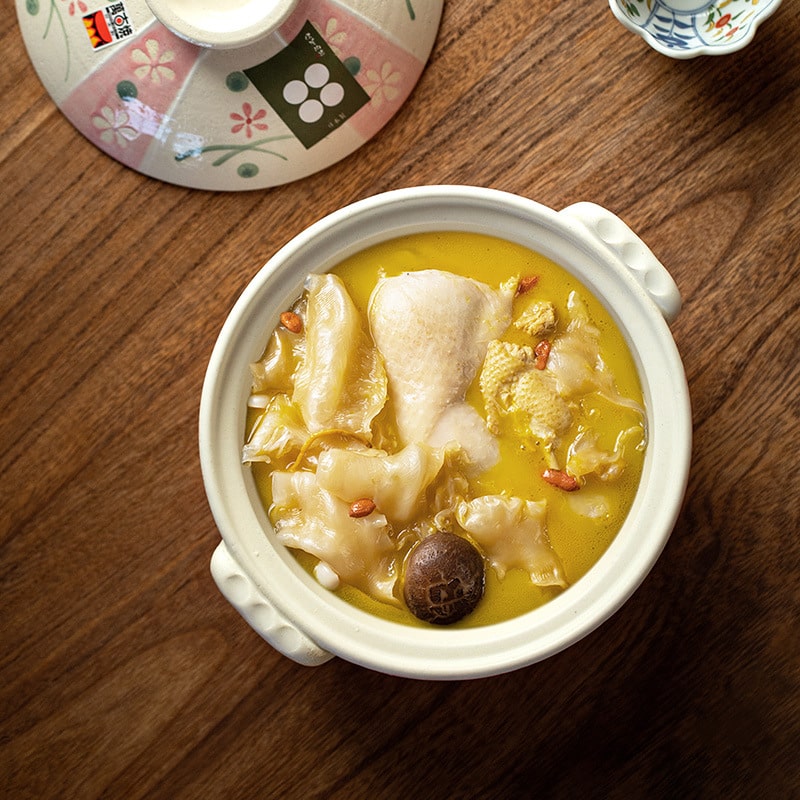
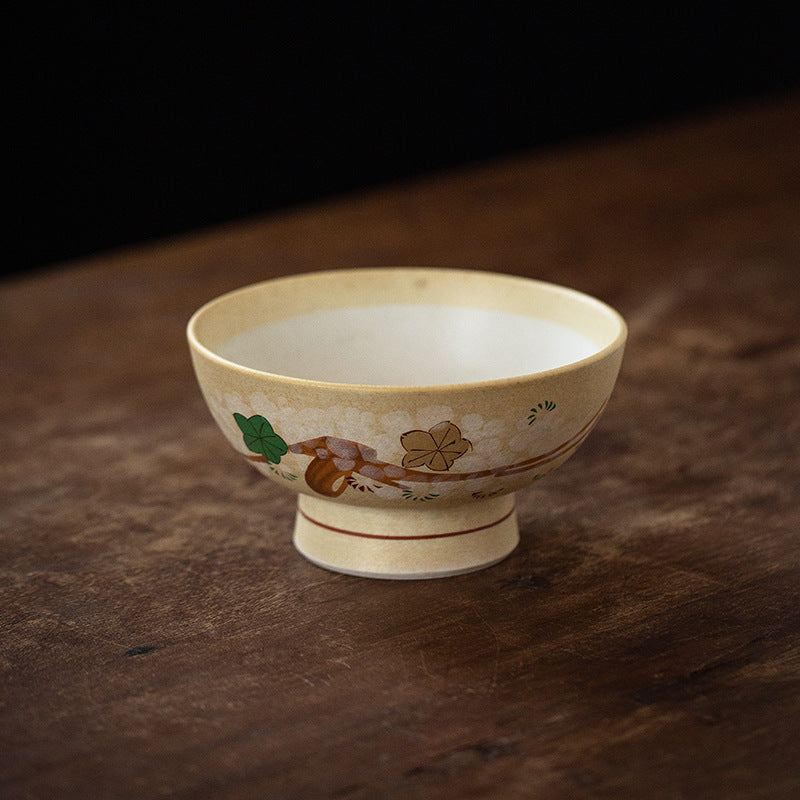
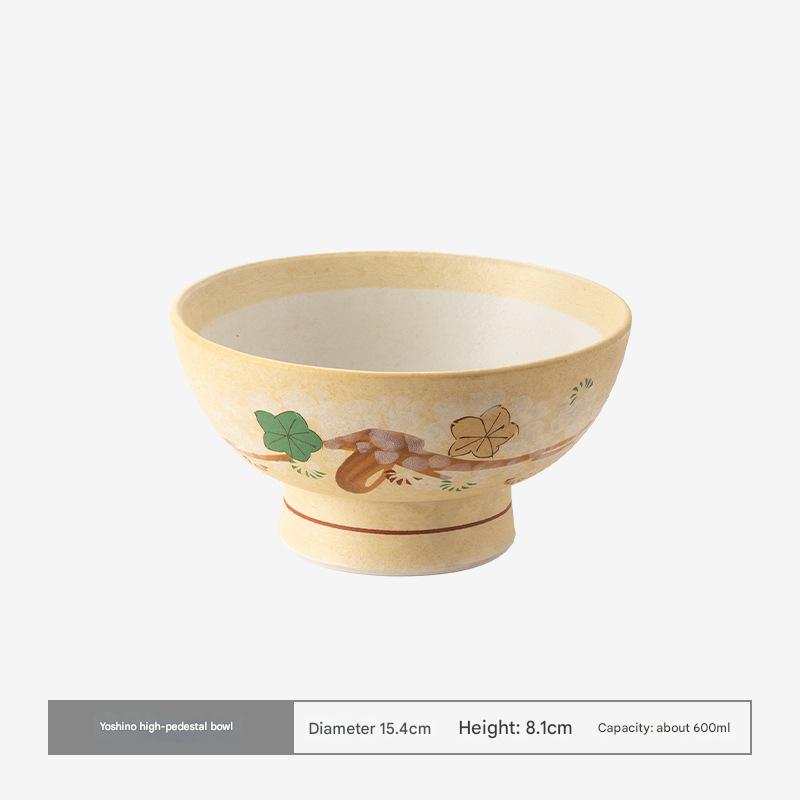
Japanese ceramics encompass an incredibly diverse range of styles, from rugged, unglazed earthenware to delicate, translucent porcelain. Each type boasts unique characteristics that dictate its optimal care. Whether you own a rustic Bizen-yaki bowl, a vibrant Kutani-yaki plate, or a refined Arita-yaki cup, gentle handling is key to preserving its beauty.
Washing Your Japanese Ceramics:
- Handwashing is Highly Recommended: For virtually all handmade Japanese ceramics, especially those with intricate designs, delicate glazes, or unglazed surfaces, handwashing is the safest method. Dishwashers subject items to high temperatures, harsh detergents, and vigorous water jets, which can lead to chipping, cracking, dulling of glazes, or even complete destruction over time.
- Mild Soap and Soft Sponges: Use a mild, pH-neutral dish soap and a soft sponge or cloth. Avoid abrasive scrubbers, steel wool, or harsh cleaning agents, which can scratch glazes or damage unglazed surfaces.
- Gentle Cleaning: For stubborn food residues, allow the item to soak briefly in warm (not hot) soapy water. Never force off dried food with sharp objects.
- Unglazed Ceramics (e.g., Bizen-yaki, Iga-yaki): These types are often porous and can absorb oils and scents. Wash them quickly and thoroughly, avoiding prolonged soaking. Some artisans even recommend washing new unglazed pieces with rice water or boiling them in rice water to help fill microscopic pores and prevent staining. Always consult the specific care instructions provided with your piece if available.
- Glazed Ceramics (e.g., Kutani-yaki, Mino-yaki): While the glaze offers a protective layer, it can still be scratched or dulled. Be gentle, especially with iridescent or metallic glazes.
Drying and Storing Japanese Ceramics:
- Thorough Drying: After washing, rinse your ceramics thoroughly under warm running water. Immediately dry them with a soft, lint-free cloth. For unglazed pieces, ensuring they are completely dry before storage is crucial to prevent mold or mildew growth, which can be difficult to remove. Air drying can be acceptable in a clean, dust-free environment, but immediate hand-drying helps prevent water spots.
- Preventing Chipping: When storing, avoid stacking ceramics directly on top of each other, especially if they have delicate rims or bases. Use soft felt pads, cloth dividers, or paper towels between stacked items. For more valuable pieces, consider storing them in individual padded boxes or display cabinets.
- Stable Environment: Store your Japanese ceramics in a stable environment, away from extreme temperature fluctuations or direct sunlight, which can potentially impact certain glazes or cause material stress over many years.
- Kintsugi Care: If you possess a piece repaired with Kintsugi (the art of repairing broken pottery with lacquer dusted or mixed with powdered gold, silver, or platinum), treat it with even greater care. Kintsugi pieces should only be hand-washed with cool water and mild soap, and never exposed to high heat or harsh chemicals.
Preserving the Luster of Japanese Lacquerware (Urushi)
Japanese lacquerware, known as Urushiware, is truly an exquisite art form. Crafted from the sap of the lacquer tree and often adorned with intricate designs using gold dust (maki-e), mother-of-pearl (raden), or carved patterns, these pieces possess a unique depth and warmth. However, their beauty is delicate, requiring specific product care to maintain their characteristic sheen and prevent damage.
Washing Your Japanese Lacquerware:
- Immediate Handwashing: Always wash lacquerware immediately after use. Food acids and oils can potentially dull the finish if left on for too long.
- Lukewarm Water and Mild Soap: Use lukewarm (not hot) water and a very small amount of mild, non-abrasive dish soap. A soft sponge or cloth is essential. Never use abrasive scrubbers, steel wool, or strong detergents, as these will scratch or erode the delicate lacquer surface.
- Avoid Soaking: Do not soak lacquerware for extended periods. Prolonged exposure to water can compromise the integrity of the lacquer layers.
- No Dishwashers, Microwaves, or Ovens: These appliances are absolute no-gos for lacquerware. High heat will cause the lacquer to crack, warp, blister, or discolor permanently.
Drying and Storing Japanese Lacquerware:
- Immediate Drying is Crucial: After washing, rinse the lacquerware thoroughly and immediately wipe it dry with a soft, lint-free cloth. Water spots can dull the finish over time. Do not allow it to air dry completely, as residual water can leave marks.
- Avoiding Scratches: When using lacquerware, opt for soft utensils (wood, silicone, or plastic) to avoid scratching the surface. Avoid cutting food directly on lacquer plates.
- Protection from Heat and Sunlight: Lacquerware is highly sensitive to heat and direct sunlight. Store it in a cool, dark place away from windows, heaters, or hot appliances. Prolonged exposure to UV light can cause fading or cracking.
- Proper Storage: Store lacquerware in a dust-free environment. If stacking is necessary, always place a soft cloth or felt pad between each piece to prevent scratches. For long-term storage, wrapping individual pieces in soft, breathable cloth can offer additional protection. Avoid storing in extremely dry or humid conditions, as both can be detrimental to the lacquer.
Maintaining the Brilliance of Japanese Glassware: Edo Kiriko & Beyond
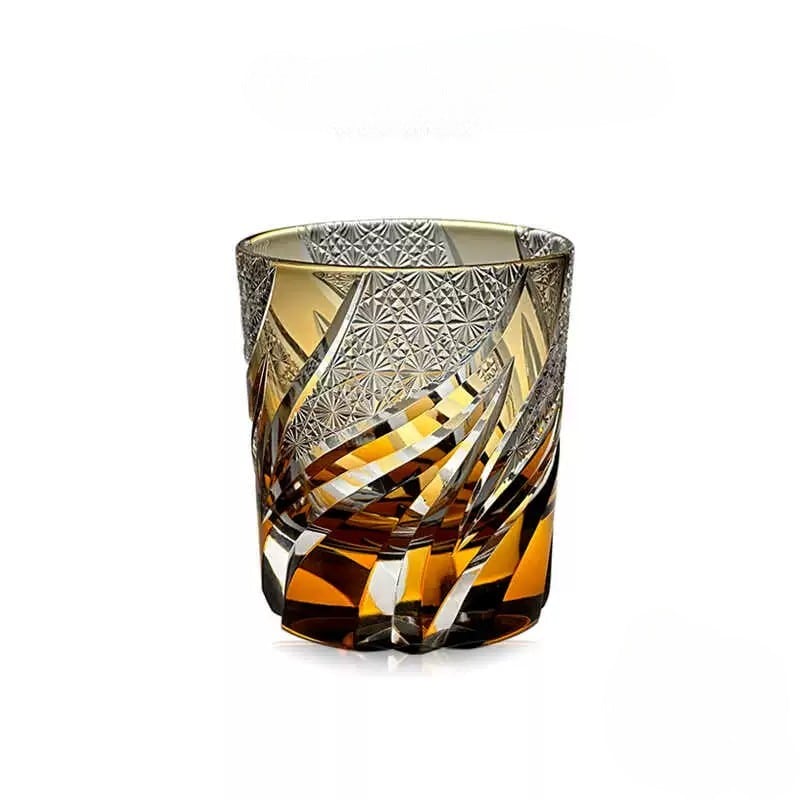
Japanese glassware, particularly the intricate Edo Kiriko, is renowned for its clarity, vibrant colors, and stunning cut patterns. Whether you own a simple, elegant sake glass or a breathtaking Edo Kiriko tumbler, these pieces demand careful handling to retain their sparkle and prevent damage. Our collection features a wide array of authentic Japanese tableware, including exquisite sake sets, artisan ceramics, and Edo Kiriko glassware, designed to elevate your dining experience.
Washing Your Japanese Glassware:
- Handwashing is Essential: For all handmade Japanese glassware, and especially for delicate items like Edo Kiriko, handwashing is the only recommended method. Dishwashers can cause chips, cracks, etching, or clouding due to high temperatures, strong detergents, and mechanical jostling.
- Warm Water and Mild Soap: Use warm (not excessively hot) water and a small amount of mild, liquid dish soap.
- Soft Cleaning Tools: A soft sponge or a non-abrasive cloth is ideal. For the intricate cuts and patterns of Edo Kiriko, a soft brush (such as a dedicated glass brush or a soft-bristled toothbrush) can gently clean crevices without scratching.
- Rinsing: Rinse thoroughly under warm running water to remove all soap residue. Leftover soap can lead to streaks or a dull appearance.
Drying and Storing Japanese Glassware:
- Immediate Polishing: For a truly brilliant, streak-free shine, dry and polish your glassware immediately after rinsing with a clean, lint-free microfiber cloth. This is particularly important for Edo Kiriko, as water spots or mineral deposits can diminish the beauty of the cuts.
- Avoid Air Drying: Unless you have very soft water, avoid letting glassware air dry completely, as hard water can leave unsightly mineral spots.
- Careful Handling: Always handle glassware by the base or the sturdiest part. Avoid gripping by the rim, especially if it's thin or delicate, as this is a common point for chipping.
- Stable Storage: Store glassware upright in a stable cabinet where it won't be easily knocked over. Avoid stacking glasses, as this puts pressure on the rims and can lead to chips or cracks. If stacking is unavoidable for space, use protective felt pads between each piece.
- Temperature Sensitivity: Keep glassware away from sudden and extreme temperature changes, which can cause thermal shock and lead to cracking or shattering.
General Tableware Care Tips for Enhanced Longevity
Beyond the specific care instructions for each material, a few universal principles apply to all your cherished Japanese tableware, ensuring they remain beautiful and functional for years to come. These general product care and tableware tips are vital for extending the life of your artisan pieces.
- Immediate Cleaning: Develop the habit of washing your items as soon as possible after use. This prevents food from drying and sticking, making cleaning easier and reducing the need for harsh scrubbing.
- Avoid Temperature Shock: This is critical for all materials. Never place a very hot item onto a cold surface, or pour very hot liquid into a cold ceramic or glass vessel, and vice versa. Sudden temperature changes can cause stress, leading to cracks or breakage, even in seemingly robust pieces.
- Gentle Handling: Always handle your authentic Japanese tableware with care. These are not mass-produced, indestructible items. Be mindful when placing them down, moving them, or loading them into a sink.
- No Harsh Chemicals or Abrasives: Reiterate this golden rule: avoid bleach, oven cleaners, strong solvents, abrasive powders, or metallic scrubbers. Stick to mild dish soap and soft cleaning tools.
- Display with Care: If an item is primarily for display, ensure it is placed on a stable surface, away from edges where it could be accidentally knocked over. Protect it from direct sunlight, which can fade colors or weaken materials over time.
- Consider Display vs. Daily Use: While many pieces are crafted for daily enjoyment, some highly delicate or antique items might be better suited for occasional use or display only. Understand the fragility of each piece you own.
- Protect Surfaces: When serving, use trivets under hot ceramic bowls or plates to protect your table surfaces. Coasters are excellent for protecting surfaces from condensation rings from glassware.
Why Proper Care is an Act of Appreciation
Caring for your handmade Japanese ceramics, exquisite lacquerware, and dazzling Edo Kiriko glassware is more than just a chore; it's an act of respect and appreciation. It's a nod to the skilled artisans who poured their heart and soul into creating these unique pieces. Each item tells a story of tradition, craftsmanship, and cultural heritage, and by taking the time to care for them properly, you are participating in preserving that narrative.
Proper product care ensures that the vibrant colors of Kutani-yaki remain brilliant, the intricate cuts of Edo Kiriko continue to sparkle, and the deep luster of Urushiware retains its captivating sheen. It prevents premature wear, damage, and dullness, allowing you to fully experience the beauty and functionality these items were designed to offer. Moreover, well-maintained tableware retains its value, becoming cherished heirlooms that can be passed down through generations, sharing their stories with future admirers.
Discover the perfect addition to your home from our curated selection of Japanese ceramics, lacquerware, and glassware. Each piece is chosen for its authenticity, quality, and timeless beauty.
Elevate Your Dining Experience with Sakitime
At Sakitime, we are passionate about bringing the beauty and tradition of authentic Japanese tableware to your home. We believe that every meal can be an experience, and the right tableware transforms dining into an art form. By following these comprehensive product care guidelines, you can ensure that your cherished Japanese ceramics, lacquerware, and glassware from Sakitime remain stunning and functional for many years to come.
Ready to explore more
Related Posts

How to Care for Handmade Japanese Ceramics, Lacquerware, and Glassware

How to Care for Handmade Japanese Ceramics, Lacquerware, and Glassware

How to Care for Handmade Japanese Ceramics, Lacquerware, and Glassware

How to Care for Handmade Japanese Ceramics, Lacquerware, and Glassware

The History of Chopsticks

How to Care for Handmade Japanese Ceramics, Lacquerware, and Glassware