
How to Care for Handmade Japanese Ceramics, Lacquerware, and Glassware
The allure of authentic Japanese tableware lies not just in its aesthetic beauty, but in the story it tells—of centuries of craftsmanship, artistic tradition, and a deep respect for natural materials. Whether it's the earthy warmth of handmade Japanese ceramics, the lustrous depth of traditional lacquerware, or the dazzling precision of Edo Kiriko glassware, each piece is a functional work of art. To ensure these treasures continue to grace your table for generations, understanding their specific care requirements is essential. This guide offers practical advice on how to preserve the unique character and longevity of your cherished Sakitime collection, turning daily use into an act of mindful appreciation.
Universal Principles for All Handmade Japanese Tableware
Before delving into the specifics of ceramics, lacquerware, and glassware, there are fundamental principles that apply to almost all handmade Japanese tableware. Adhering to these general guidelines will significantly contribute to the longevity and pristine condition of your items.
- Handwashing is Paramount: With very few exceptions, handmade Japanese ceramics, lacquerware, and glassware are not dishwasher safe. The high temperatures, harsh detergents, and aggressive water jets of a dishwasher can cause irreparable damage, leading to chipping, cracking, dulling, and erosion of delicate finishes. Always opt for gentle handwashing.
- Avoid Temperature Shock: Sudden and drastic changes in temperature can be detrimental, especially to ceramics and glass. Never place a cold item directly into very hot water, or vice-versa. Allow items to adjust to room temperature before washing or exposing them to extreme heat/cold.
- Use Mild Detergents: Opt for a gentle, pH-neutral dish soap. Harsh chemicals, abrasive cleaners, or strong degreasers can strip finishes, dull glazes, and degrade materials over time.
- Soft Sponges and Cloths: Always use a soft sponge, cloth, or brush designed for delicate dishes. Abrasive scrubbers, steel wool, or even the rough side of a standard sponge can scratch surfaces, especially on glazed ceramics, lacquerware, and glassware.
- Immediate and Thorough Drying: Do not allow items to air dry, as this can lead to water spots, mineral deposits, and in the case of lacquerware, potential damage from prolonged moisture. Immediately after washing, gently dry each piece with a soft, lint-free cloth.
Caring for Your Exquisite Japanese Ceramics (Pottery & Porcelain)
Japanese ceramics encompass a vast spectrum, from rustic, unglazed pottery (like Bizen-ware or Shigaraki-ware) to exquisitely glazed porcelain (such as Arita-ware or Kutani-ware). Each type requires a nuanced approach to product care.
Unglazed & Coarse Pottery
For ceramics with a rough, unglazed, or semi-glazed finish, such as many artisan sake cups or rustic tea ware, the material's porous nature is part of its charm. These pieces often develop a unique patina over time, absorbing oils and flavors from what they hold.
- Initial Preparation (for some types): Some unglazed pottery benefits from a simple "seasoning" before first use. Boil the piece gently in water with a tablespoon of rice or starch for 10-15 minutes, then let it cool naturally in the water. This helps to seal pores and prevent excessive staining. Consult the specific care instructions for your particular ceramic.
- Washing: Use lukewarm water and a very mild, diluted dish soap. Gently wipe with a soft cloth or sponge. Avoid soaking for extended periods, as the pottery can absorb too much water.
- Stain Prevention: Due to their porous nature, these ceramics can absorb oils and colors, leading to stains. Rinse promptly after use, especially with oily foods or strong pigments like coffee or tea.
- Drying: Ensure thorough drying. Air drying can trap moisture, potentially leading to mildew or musty odors. A clean, soft towel followed by a brief period of air drying in a well-ventilated area is ideal.
Glazed Pottery & Porcelain
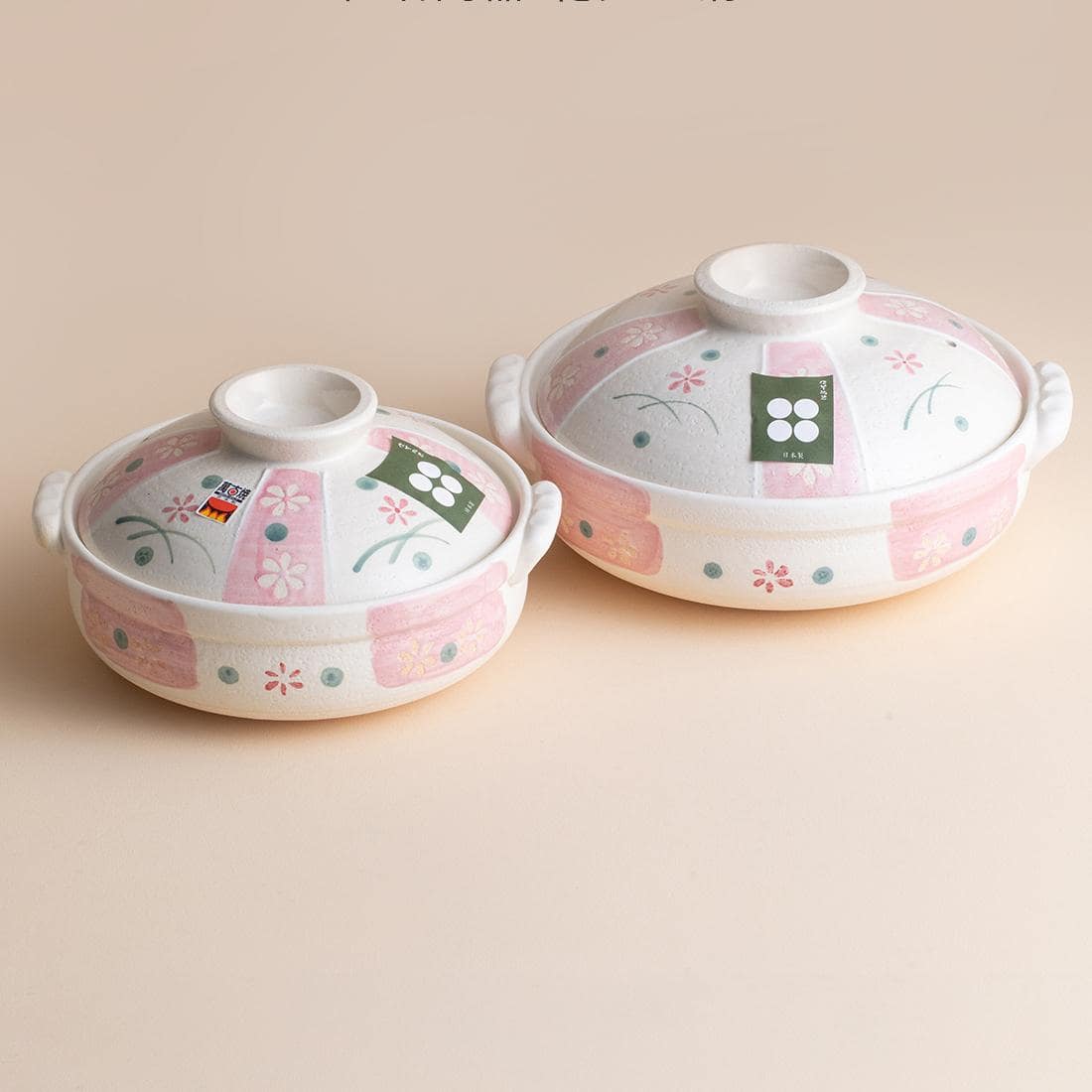
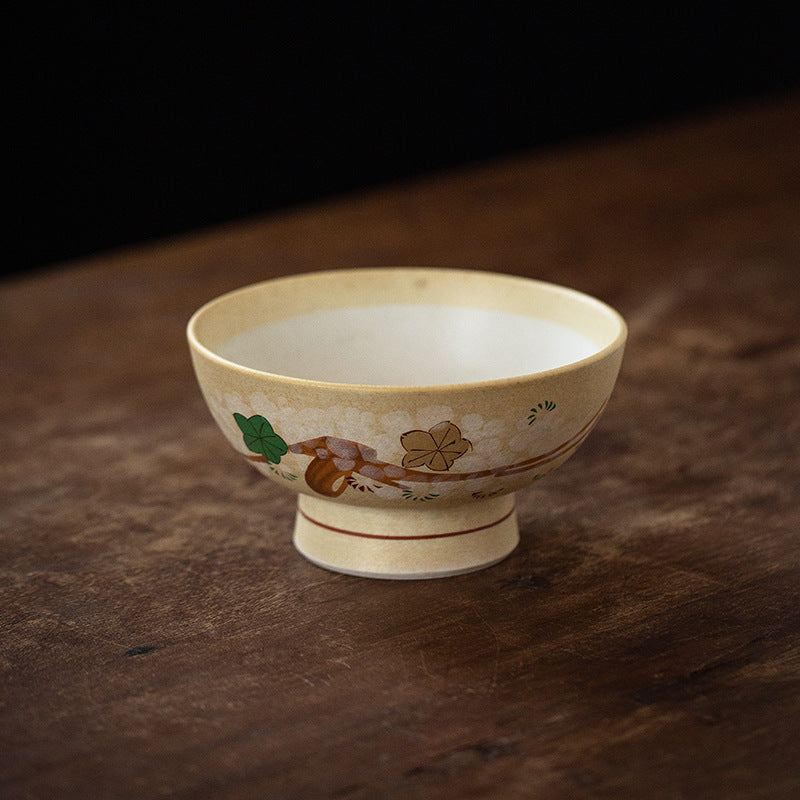
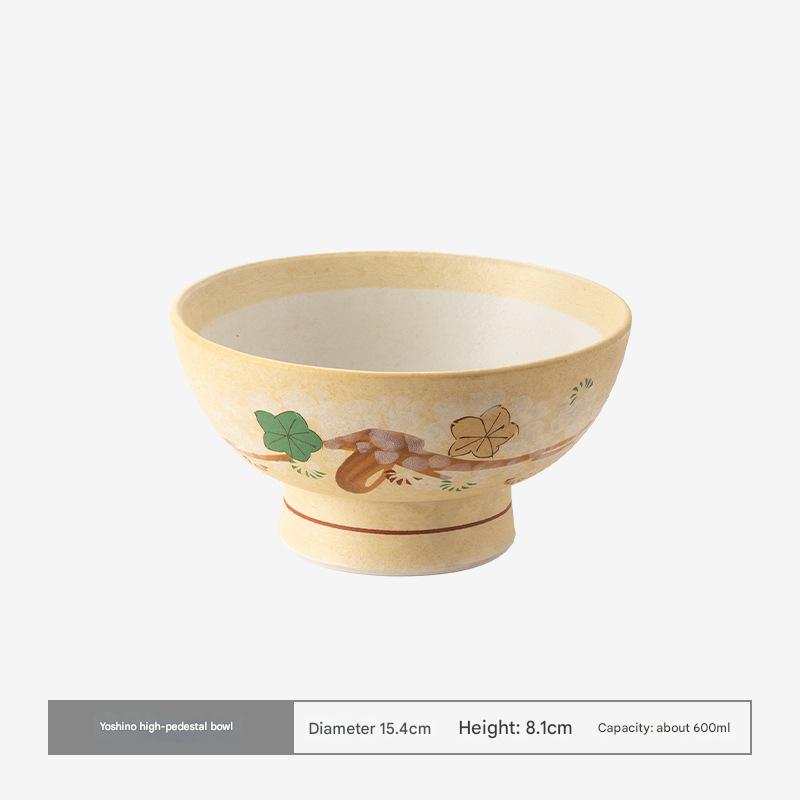
Most Japanese ceramics, including elegant sake sets, decorative plates, and refined tea ware, feature a protective glaze that seals the clay body. While generally more robust than unglazed pieces, they still require diligent care.
- Washing: Handwash with warm water and a mild dish soap using a soft sponge or cloth. Pay attention to intricate designs or raised textures.
- Avoiding Chips: Be particularly careful when washing or storing glazed ceramics to prevent chipping, especially around rims and edges. Do not let them clink against other dishes in the sink.
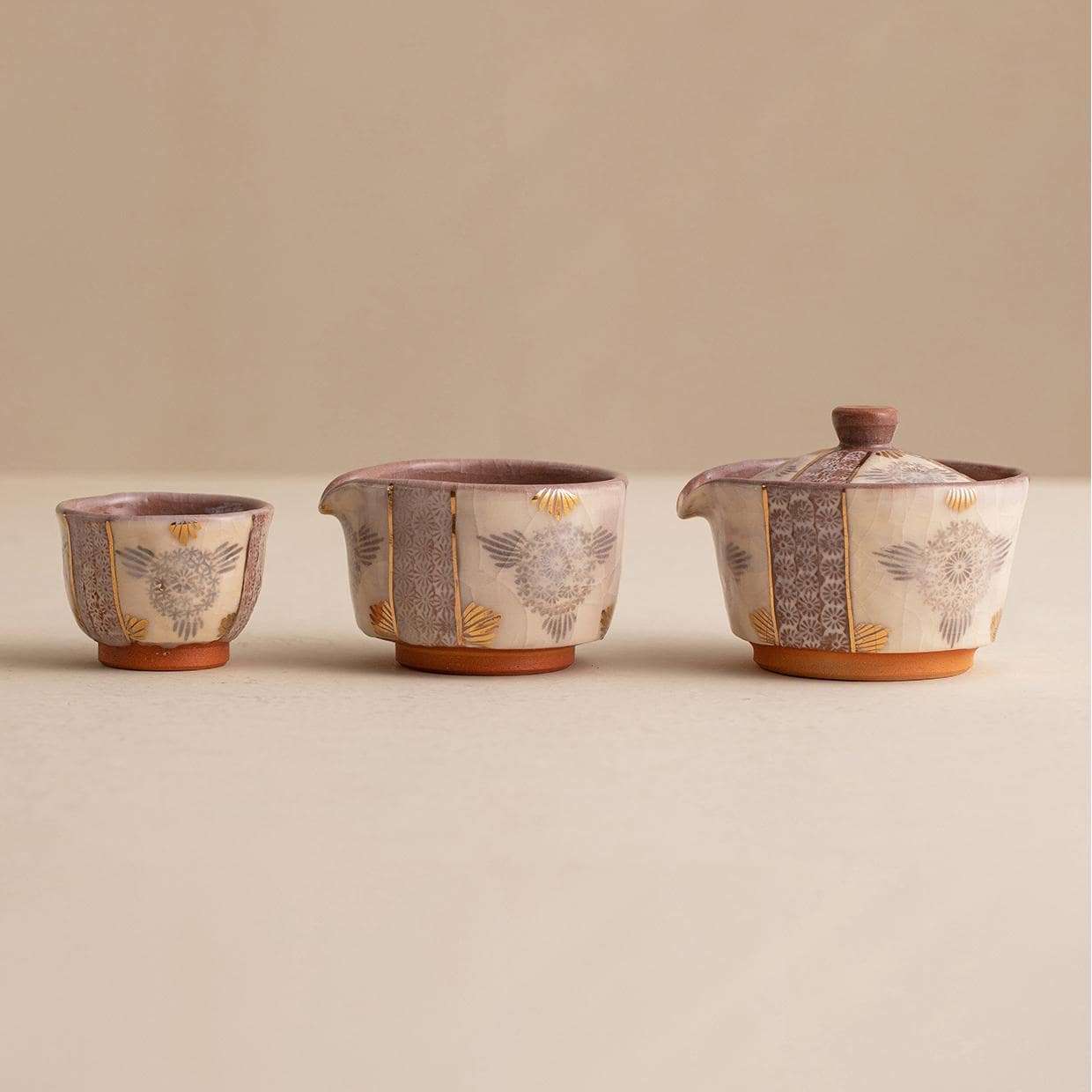
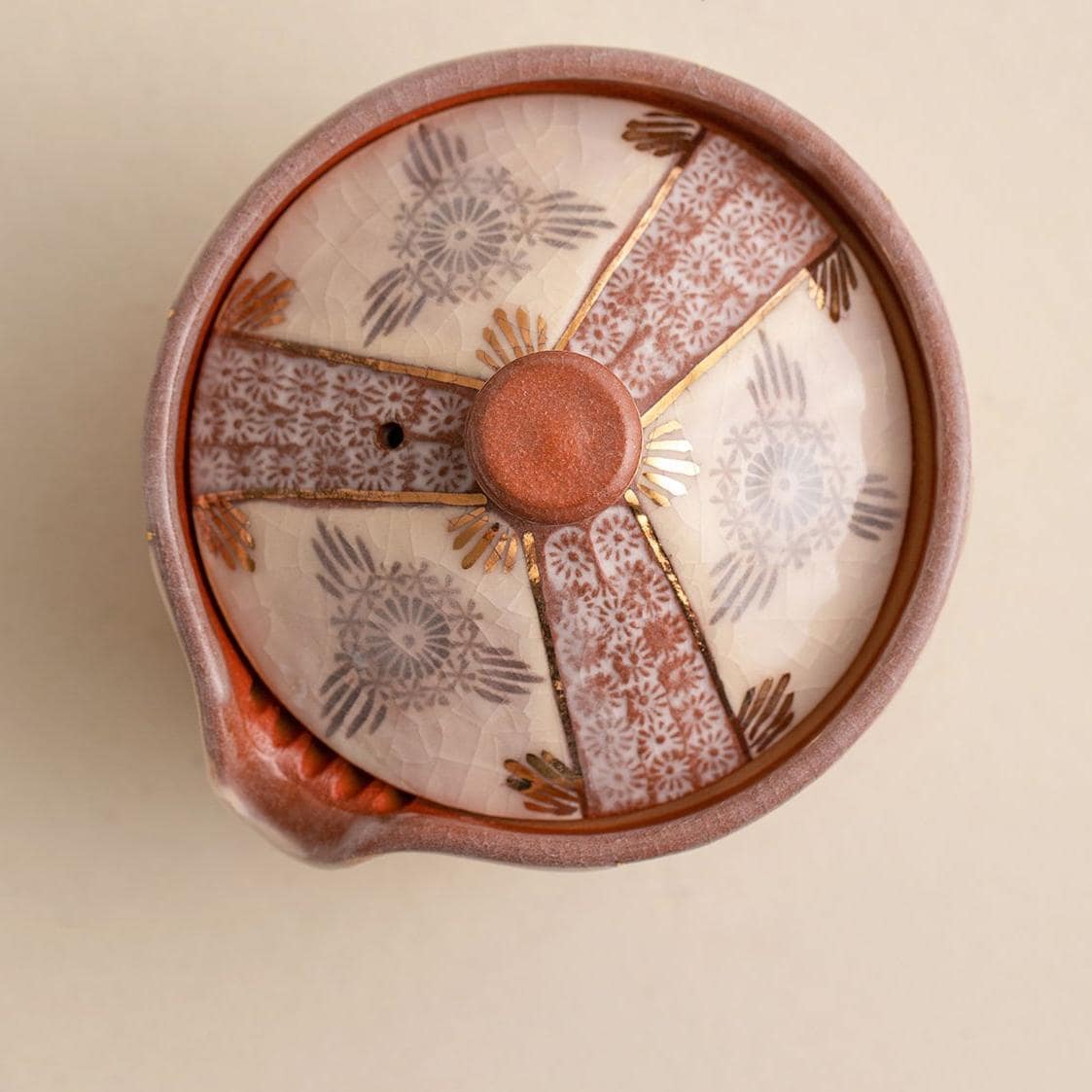
- Crackled Glazes (Kannyu): Some traditional glazes, like those seen in certain raku or celadon wares, are intentionally crackled (kannyu). While beautiful, these tiny fissures can absorb colors and odors. Rinse immediately after use, and avoid prolonged contact with highly pigmented foods or liquids.
- Stain Removal: For stubborn tea or coffee stains inside cups, a paste of baking soda and water can be gently applied and left for a few minutes before rinsing. Avoid abrasive scrubbing.
- Microwave & Oven Use: Generally, avoid using ceramics with metallic glazes (e.g., gold, silver, iridescent finishes) in the microwave, as this can cause arcing and damage. While some ceramics are oven-safe, always verify with the manufacturer's guidelines. Sudden temperature changes (e.g., from freezer to hot oven) should be avoided.
Preserving the Luster of Authentic Japanese Lacquerware (Urushi)
Japanese lacquerware, known as Urushi-ware, is renowned for its deep luster, smooth finish, and intricate designs. Crafted from the sap of the lacquer tree, these pieces—from elegant soup bowls to exquisite chopsticks—are incredibly durable when cared for properly, but sensitive to harsh treatment.
- Gentle Washing: Wash immediately after use with lukewarm water and a very mild, non-abrasive dish soap. Use an extremely soft sponge or a clean, soft cloth. Never use abrasive scrubbers, as they will scratch the delicate lacquer surface.
- No Soaking: Do not soak lacquerware, as prolonged exposure to water can cause the lacquer to swell, crack, or peel.
- Immediate Drying: This is crucial. After washing, dry the lacquerware immediately and thoroughly with a soft, lint-free cloth. A gentle buffing motion can enhance its natural sheen.
- Avoid Extreme Temperatures: Lacquerware is sensitive to heat and direct sunlight. Never place it in a dishwasher, microwave, oven, or expose it to open flames. Avoid leaving it in direct sunlight for extended periods, as UV rays can cause the lacquer to fade or crack.
- Humidity and Dryness: Urushi lacquer prefers a stable environment. Extremely dry conditions can lead to cracking, while excessive humidity can make it sticky. Store in a stable environment away from radiators, air conditioners, or direct sunlight.
- Scratches: While Urushi is quite resilient, it can scratch. Avoid stacking pieces without protection. If a piece does get a minor scratch, it's sometimes possible to gently buff it out with a very soft cloth and a tiny dab of mineral oil, but for significant damage, professional restoration is recommended.
Maintaining the Brilliance of Japanese Glassware (Edo Kiriko & Beyond)
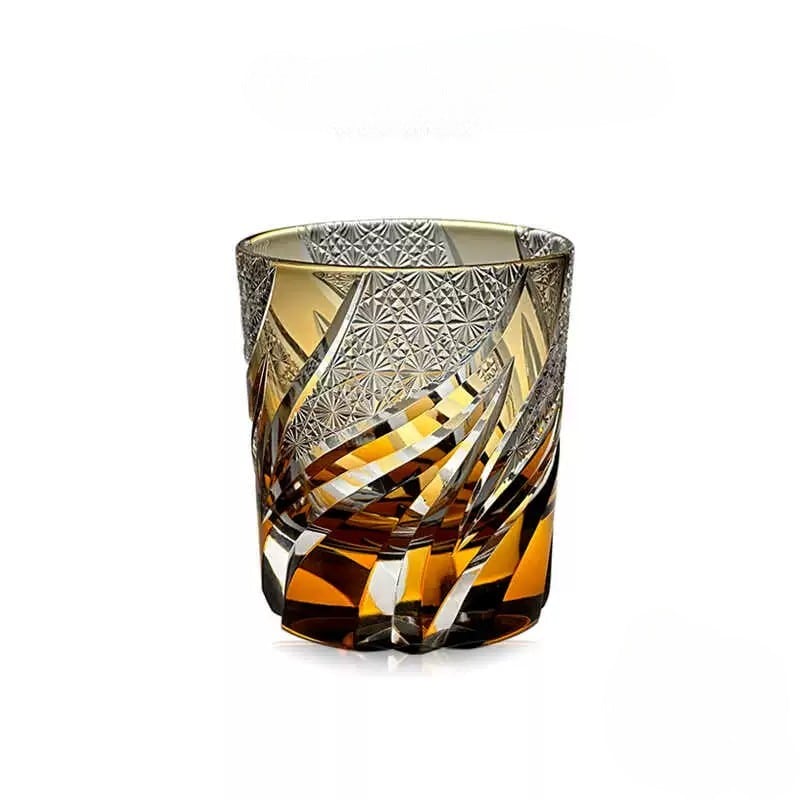
Japanese glassware, particularly the intricate cut glass of Edo Kiriko, is a testament to precision and artistry. Whether it's a delicate sake glass or a stunning tumbler, proper care ensures its sparkle endures.
- Handwashing Only: Like other fine Japanese tableware, glassware should always be handwashed. Dishwashers can cause etching, dulling, and chipping, especially on delicate rims and cut patterns.
- Lukewarm Water & Mild Soap: Use lukewarm water and a very mild dish soap. Hot water can be too harsh for delicate glass, and cold water may not effectively remove oils.
- Soft Cloth or Sponge: Use a soft sponge or a dedicated glass-cleaning cloth. For intricate patterns like those found in Edo Kiriko, a soft brush (like a baby bottle brush or soft toothbrush) can help clean crevices without scratching. Be gentle to avoid chipping the delicate edges of the cuts.
- Rinsing: Rinse thoroughly under cool, running water to remove all soap residue.
- Drying to Prevent Water Spots: Immediately dry glassware with a clean, lint-free microfiber cloth specifically designed for glass. This prevents unsightly water spots and streaks, which can be particularly noticeable on clear or finely cut glass. For difficult-to-reach areas, a blast of cool, dry air (from a hairdryer on a cool setting) can help.
- Handling: Always hold glassware by the body, not the stem, when washing or drying, to avoid placing undue stress on delicate parts.
- Storage: Store glassware upright to prevent chipping of rims. If stacking is necessary for certain types of glasses, place a soft cloth or paper towel between each piece to prevent scratches. Ensure glasses are not stored in direct contact with each other, especially if they have delicate rims or bases.
Smart Storage Solutions for Your Cherished Japanese Tableware
Proper storage is just as vital as daily cleaning in maintaining the condition of your Japanese treasures. Thoughtful storage protects against accidental damage and environmental factors.
-
Separate and Protect:
- Ceramics: Avoid stacking plates directly on top of each other without protection. Use felt dividers, soft cloths, or plate protectors between each piece to prevent scratches and chips. For bowls and cups, ensure they are stable and not prone to tipping.
- Lacquerware: Store lacquerware individually or with soft cloth separators to prevent scratches. Do not stack heavy items on top of lacquerware.
- Glassware: Store glasses upright and avoid clinking. If cabinet space is tight, use padded dividers or individual compartments.
- Stable Environment: Store all items in a stable environment, away from extreme temperature fluctuations, direct sunlight, and excessive humidity or dryness. A regular kitchen cabinet or display case is usually suitable.
- Avoid Overcrowding: Give your pieces room to breathe. Overcrowded cabinets increase the risk of items knocking against each other, leading to chips or cracks.
- Display with Care: If displaying items, ensure they are on stable surfaces, away from high-traffic areas where they might be accidentally knocked over. Consider enclosed display cabinets for delicate pieces to protect them from dust and accidental bumps.
Common Care Mistakes to Avoid with Your Japanese Treasures
Understanding what NOT to do is often as important as knowing what to do. Avoiding these common mistakes will significantly extend the life and beauty of your authentic Japanese tableware.
- The Dishwasher Trap: This is the most frequent and damaging mistake. The combination of high heat, strong detergents, and forceful water jets is a recipe for disaster for virtually all handmade Japanese ceramics, lacquerware, and delicate glassware.
- Microwave Misuse: Be extremely cautious with microwaves. Lacquerware should never go into a microwave. Ceramics with metallic glazes (gold, silver, iridescent) or those with traditional repair (kintsugi) will spark and be damaged. Even unadorned ceramics can be susceptible to thermal shock. When in doubt, avoid it.
- Abrasive Cleaners and Tools: Steel wool, scouring pads, harsh chemical cleaners, or even baking soda used too vigorously can permanently scratch, dull, or strip the finishes of your items. Stick to mild soap and soft materials.
- Leaving Items to Air Dry: While seemingly harmless, air drying allows water minerals to settle and create unsightly spots, especially on glass and dark-glazed ceramics. For lacquerware, prolonged moisture can be detrimental. Always dry immediately with a soft cloth.
- Ignoring Temperature Changes: Rapid shifts from hot to cold or vice-versa can cause thermal shock, leading to cracks in ceramics and glass. Always allow items to adjust gradually.
- Prolonged Soaking: Soaking is particularly bad for lacquerware and unglazed pottery, as it can lead to swelling, cracking, or absorption of odors. Even glazed ceramics should not be left to soak for extended periods.
- Stacking Without Protection: Directly stacking plates, bowls, or cups without any protective layer is a leading cause of chips and scratches.
Your collection of Japanese tableware from Sakitime is more than just dinnerware; it's an investment in art, culture, and daily joy. By following these product care guidelines for your Japanese ceramics, lacquerware, and glassware, you're not just cleaning them—you're participating in a tradition of respect for craftsmanship and ensuring these beautiful pieces remain vibrant and functional for years to come. Each mindful wash and careful storage choice contributes to the longevity of these exquisite items, allowing them to continue enriching your dining experiences and home aesthetics.
Ready to discover more treasures or expand your collection with pieces that will bring beauty and tradition to your table? Explore our extensive range of authentic Japanese tableware, artisan ceramics, sake sets, chopsticks, Edo Kiriko glassware, and tea ware. Browse our full collection today and find the perfect pieces to cherish and care for.
Related Posts

How to Care for Handmade Japanese Ceramics, Lacquerware, and Glassware

How to Care for Handmade Japanese Ceramics, Lacquerware, and Glassware

How to Care for Handmade Japanese Ceramics, Lacquerware, and Glassware

The History of Chopsticks

How to Care for Handmade Japanese Ceramics, Lacquerware, and Glassware

The Story of Urushi