
How to Choose Japanese Chopsticks: Size, Material, and Style Guide
The Art of Chopstick Selection: Why It Matters
Chopsticks are more than just eating utensils; they are an extension of the hand, an integral part of the Japanese dining experience, and often, a beautiful piece of art. For centuries, these elegant tools have graced tables across Japan, evolving in form, function, and aesthetic. Choosing the right pair of Japanese chopsticks can profoundly enhance your enjoyment of food, making every meal more comfortable, efficient, and culturally immersive. Whether you're a seasoned enthusiast of Japanese cuisine or just beginning your journey into the world of authentic Japanese tableware, understanding the nuances of chopstick selection is key. This comprehensive guide will help you navigate the essential factors – size, material, and style – ensuring you find the perfect pair that feels right in your hand and complements your Japanese dining rituals.
Finding Your Perfect Fit: The Importance of Chopstick Size
Just like a well-fitting suit or a comfortable pair of shoes, the right size chopsticks can make all the difference in your dining comfort and dexterity. Using chopsticks that are too long or too short can lead to awkward handling, fatigue, and a less enjoyable meal. The ideal length is not a one-size-fits-all concept; it depends on the size of your hand.
A traditional method to determine your optimal chopstick length involves measuring your "thumb-index finger span." This is the distance between the tips of your outstretched thumb and index finger. Multiply this measurement by 1.5, and you'll get a good approximation of your ideal chopstick length. For most adults, this typically falls between 22 and 24 centimeters (approximately 8.5 to 9.5 inches). Children, naturally, will require shorter chopsticks, usually ranging from 16 to 20 centimeters.
- Standard Adult Lengths: Most commonly found in 22.5 cm (for women) and 23.5 cm (for men), though personal preference for hand size plays a significant role.
- Longer Chopsticks: Sometimes used for cooking (saibashi), serving, or by individuals with larger hands.
- Shorter Chopsticks: Ideal for children or individuals with smaller hands, promoting better control and reducing strain.
Experimenting with different lengths is encouraged. A pair that feels balanced and allows for a comfortable grip without excessive stretching or cramping will significantly improve your chopstick skills and overall Japanese dining experience. Consider exploring a variety of lengths to find what feels most natural and efficient for you. You can find a wide range of sizes in our collection of authentic Japanese chopsticks, perfect for every hand.
Unraveling the Materials: From Wood to Metal
The material of your chopsticks dictates not only their appearance and feel but also their durability, grip, and how they interact with food. Each material offers a unique set of characteristics, catering to different preferences and dining needs.
-
Wood: The Classic Choice
- Pros: Warm to the touch, excellent grip (especially with textured finishes), lightweight, aesthetically pleasing with natural grain patterns. Many traditional Japanese chopsticks are made from various woods like bamboo, cedar, cherry, chestnut, ebony, and ironwood.
- Cons: Can absorb odors over time, may require hand washing, some softer woods can stain or warp. Lacquered wood, however, offers greater durability and water resistance.
- Examples: Bamboo is eco-friendly, lightweight, and very common. Ebony and Ironwood are dense, durable, and exude a luxurious feel. Chestnut wood is popular for its beautiful grain and comfortable weight.
-
Lacquerware (Urushi): Artistry and Durability
- Pros: Traditional Japanese lacquer (urushi) creates a durable, hygienic, and beautiful finish. It's food-safe, resistant to water, and often adorned with intricate designs. The slightly textured surface of lacquer can also improve grip.
- Cons: Can be more expensive than plain wood, requires careful hand washing (avoid harsh scrubbing or dishwashers).
- Significance: Urushi lacquer is a hallmark of authentic Japanese tableware, reflecting centuries of craftsmanship.
-
Metal (Stainless Steel, Titanium): Modern and Hygienic
- Pros: Extremely durable, easy to clean, hygienic, and often dishwasher-safe. Titanium is lightweight and hypoallergenic.
- Cons: Can feel cold or heavy, may be slippery, and can scratch delicate plates. Less common for traditional Japanese dining, though gaining popularity for modern aesthetics.
-
Plastic/Melamine: Practical and Economical
- Pros: Very durable, inexpensive, dishwasher-safe, and comes in a wide range of colors and designs. Common for casual use or in restaurants.
- Cons: Lacks the traditional feel and aesthetic of wood or lacquer, can sometimes feel flimsy or less substantial.
When selecting, consider how the material feels in your hand, its weight, and how well it grips different types of food. For an authentic and comfortable Japanese dining experience, wood or lacquered chopsticks are generally preferred.
A Style for Every Occasion: Exploring Designs and Finishes
Beyond size and material, the style and finish of your Japanese chopsticks speak volumes about personal taste and the occasion. From minimalist elegance to intricate artistry, the aesthetic details are what truly make a pair of chopsticks unique and special.
-
Traditional vs. Modern Designs:
- Traditional: Often feature classic lacquer finishes, subtle patterns, or natural wood grains. Some boast exquisite inlays of mother-of-pearl (raden), intricate painted designs, or carvings inspired by nature. These are perfect for formal Japanese dining or as a cherished part of a refined Japanese tableware guide.
- Modern: May incorporate bolder colors, contemporary patterns, or sleek, minimalist lines. Materials like stainless steel or innovative plastics might be used, appealing to a more contemporary aesthetic.
-
Tip Styles: The shape of the chopstick tip is crucial for functionality.
- Pointed Tips: Common in Japan, ideal for picking up small, delicate pieces of food like fish bones or small grains of rice. They offer precision.
- Rounded/Blunt Tips: More common in other Asian cultures, these are generally sturdier and good for larger, heavier foods.
- Textured Tips: Some chopsticks feature a slightly roughened or ridged tip, often found on wooden or lacquered pairs, to provide extra grip on slippery foods like noodles or tofu.
-
Shaft Shapes: Chopsticks come in various shaft shapes that affect grip and feel.
- Round: Smooth and comfortable, but can sometimes feel a bit slippery.
- Square/Rectangular: Offers a more secure grip, preventing rolling on the table.
- Octagonal/Hexagonal: A popular compromise, combining the comfort of round with the stability of square, often seen in high-quality artisan ceramics and chopstick sets.
-
Decorative Elements and Finishes:
- Lacquer Finishes: Beyond plain colors, lacquer can be applied in multiple layers with intricate patterns, gradients, or even incorporate gold or silver dust (maki-e).
- Inlays: Mother-of-pearl, abalone, or even small pieces of metal can be inlaid into the wood or lacquer for stunning visual effects.
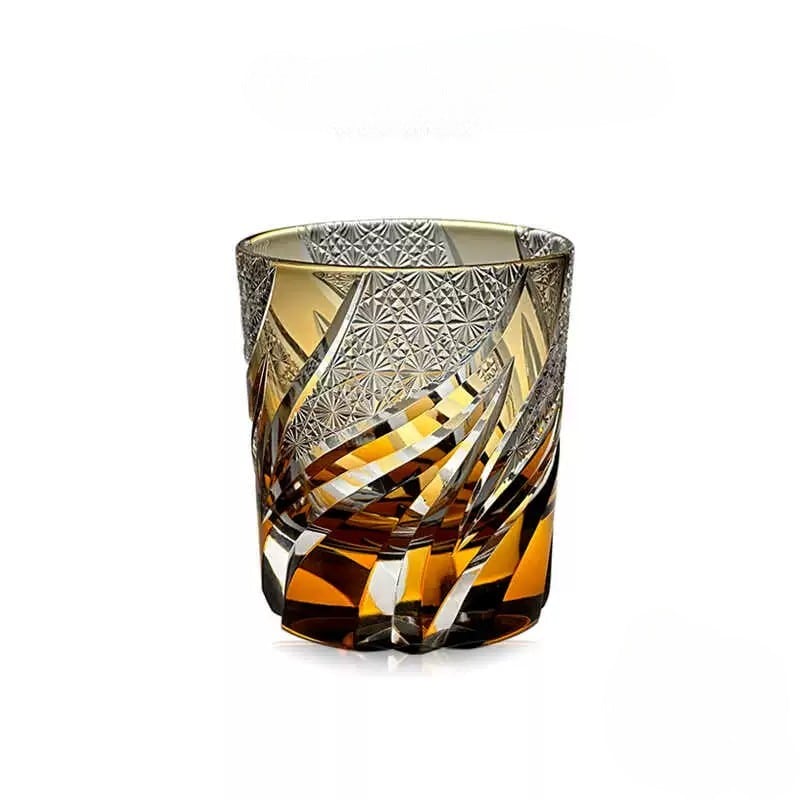
- Edo Kiriko Patterns: While primarily known for glassware, some chopstick designs might subtly echo the geometric precision and beauty found in Edo Kiriko glassware, adding a touch of sophisticated elegance.
- Natural Wood Grain: For those who appreciate simplicity, the beauty of a finely polished natural wood grain can be incredibly appealing.
When choosing, consider the overall aesthetic of your dining space and other Japanese tableware. A beautiful pair of chopsticks can be a fantastic conversation starter and a thoughtful gift idea for anyone who appreciates Japanese culture and cuisine.
Choosing Chopsticks for Specific Japanese Dishes
While most Japanese chopsticks are versatile, certain dishes can be enjoyed even more with specific chopstick characteristics. This isn't a strict rule, but rather a guide to optimizing your Japanese dining experience.
- Sushi and Sashimi: For delicate pieces of sushi and sashimi, pointed tips are highly advantageous. They allow for precise handling, ensuring you don't crush the delicate fish or rice. Lacquered wood or fine wooden chopsticks are often preferred for their refined feel and aesthetic, complementing the artistry of the food.
- Ramen and Noodles: When tackling a slippery bowl of ramen or udon, chopsticks with textured tips or a slightly rougher surface (common on many wooden and lacquered pairs) provide superior grip. This prevents noodles from slipping, making slurping easier and more enjoyable. Slightly longer chopsticks can also be helpful for reaching into deep bowls.
- Tempura and Fried Foods: For crispy tempura, a pair of chopsticks with a good, secure grip is important to avoid dropping the delicate, fried pieces. Wooden or lacquered chopsticks with a comfortable shaft shape (octagonal or square) are excellent choices.
- Donburi (Rice Bowls): For dishes served in a bowl over rice, a standard length chopstick with a comfortable grip is usually sufficient. The key is to be able to scoop rice effectively while also picking up toppings.
- Serving Chopsticks (Saibashi): These are typically much longer (30-40 cm) and are specifically designed for cooking, stirring, and serving food from communal dishes. They prevent hands from getting too close to hot food or sauces.
Ultimately, personal comfort and skill level play the biggest role. However, considering the food you'll be eating can add another layer of enjoyment to your selection process for your Japanese tableware.
Care and Maintenance: Preserving Your Japanese Tableware
Proper care is essential to ensure your authentic Japanese chopsticks remain beautiful and functional for years to come. The care routine largely depends on the material, but a few general rules apply to most high-quality Japanese tableware.
- Hand Washing is Preferred: For most wooden and lacquered chopsticks, hand washing is highly recommended. Use a soft sponge and mild dish soap. Avoid abrasive scrubbers, as they can damage delicate finishes, especially lacquer. Rinse thoroughly and dry immediately with a soft cloth to prevent water spots or warping.
- Avoid Dishwashers: High heat, harsh detergents, and prolonged exposure to water in a dishwasher can cause irreparable damage to wooden and lacquered chopsticks. It can lead to warping, cracking, fading of lacquer, and dulling of finishes. Metal and some plastic chopsticks may be dishwasher-safe, but always check the manufacturer's instructions.
- Do Not Soak: Prolonged soaking, especially for wooden chopsticks, can lead to swelling, cracking, and damage to the finish. Wash them quickly after use.
- Storage: Store your chopsticks in a dry place, away from direct sunlight or extreme temperature changes. A chopstick rest (hashioki) not only elevates your Japanese dining setup but also keeps the tips off the table, maintaining hygiene and preventing them from rolling.
- Avoid Microwaves and Ovens: Never place chopsticks in a microwave or oven, as this can cause warping, charring, or damage to finishes.
By following these simple care guidelines, your chosen Japanese chopsticks will continue to be a cherished part of your dining rituals, reflecting the timeless beauty and functionality of authentic Japanese tableware.
Choosing the right Japanese chopsticks is a journey of personal preference, cultural appreciation, and practical consideration. By paying attention to size, exploring the diverse range of materials, and appreciating the intricate styles and finishes, you can find a pair that not only feels perfect in your hand but also elevates every aspect of your Japanese dining experience. Whether you're looking for an everyday companion, a special pair for formal occasions, or a thoughtful gift idea for a loved one, the world of authentic Japanese chopsticks offers unparalleled beauty and craftsmanship.
Ready to discover your perfect pair? Explore Sakitime's exquisite collection of authentic Japanese chopsticks, alongside our artisan ceramics, sake sets, and tea ware, and bring the elegance of Japanese dining to your home.
Related Posts

How to Care for Handmade Japanese Ceramics, Lacquerware, and Glassware

How to Care for Handmade Japanese Ceramics, Lacquerware, and Glassware

How to Care for Handmade Japanese Ceramics, Lacquerware, and Glassware

How to Care for Handmade Japanese Ceramics, Lacquerware, and Glassware

How to Care for Handmade Japanese Ceramics, Lacquerware, and Glassware

How to Care for Handmade Japanese Ceramics, Lacquerware, and Glassware