
How to Care for Handmade Japanese Ceramics, Lacquerware, and Glassware
The allure of authentic Japanese tableware lies not just in its functional beauty, but in the stories it tells, the traditions it embodies, and the artisan skill poured into each piece. From the earthy warmth of handmade Japanese ceramics to the deep, reflective sheen of traditional lacquerware and the intricate brilliance of Edo Kiriko glassware, these items are more than mere objects – they are cherished works of art designed to elevate everyday dining and special occasions alike. To ensure these exquisite pieces retain their beauty and integrity for generations, understanding and practicing proper product care is paramount. This comprehensive guide will equip you with the essential tableware tips to lovingly preserve your Japanese ceramics, lacquerware, and glassware, transforming care into an act of appreciation for their enduring artistry.
The Art of Gentle Handling: Universal Care Principles for Japanese Tableware
While each material has its specific nuances, a foundational approach to gentle handling forms the bedrock of caring for all your delicate Japanese tableware. These universal principles are designed to prevent common damage and extend the life of your precious items.
- Always Handwash: This is arguably the most crucial rule. Dishwashers, even on gentle cycles, subject items to harsh detergents, high temperatures, and forceful water jets that can chip, crack, dull finishes, or even completely destroy delicate pieces. Handwashing allows for precise control and significantly reduces the risk of damage.
- Avoid Extreme Temperature Changes: Sudden shifts from very hot to very cold (thermal shock) can cause even robust materials like ceramic and glass to crack or shatter. Allow items to cool naturally before washing, and use lukewarm water for cleaning.
- Use Mild Cleansers and Soft Tools: Opt for a mild, pH-neutral dish soap. Harsh chemicals or abrasive cleaners can strip finishes, etch surfaces, or leave residues. Always use a soft sponge, cloth, or a very soft brush for cleaning; never steel wool, scouring pads, or abrasive powders.
- Rinse Thoroughly and Dry Immediately: After washing, rinse items completely to remove all soap residue. Then, dry them immediately with a soft, lint-free cloth. This prevents water spots, mineral buildup, and for porous materials, discourages mold or odors.
- Mindful Storage: Store items in a way that prevents them from knocking against each other. Consider felt dividers for plates, individual compartments for sake cups, or clear spaces for delicate glassware. Avoid stacking items unless they are specifically designed for it, and even then, do so with caution.
Nurturing Japanese Ceramics: Pottery, Porcelain, and Beyond
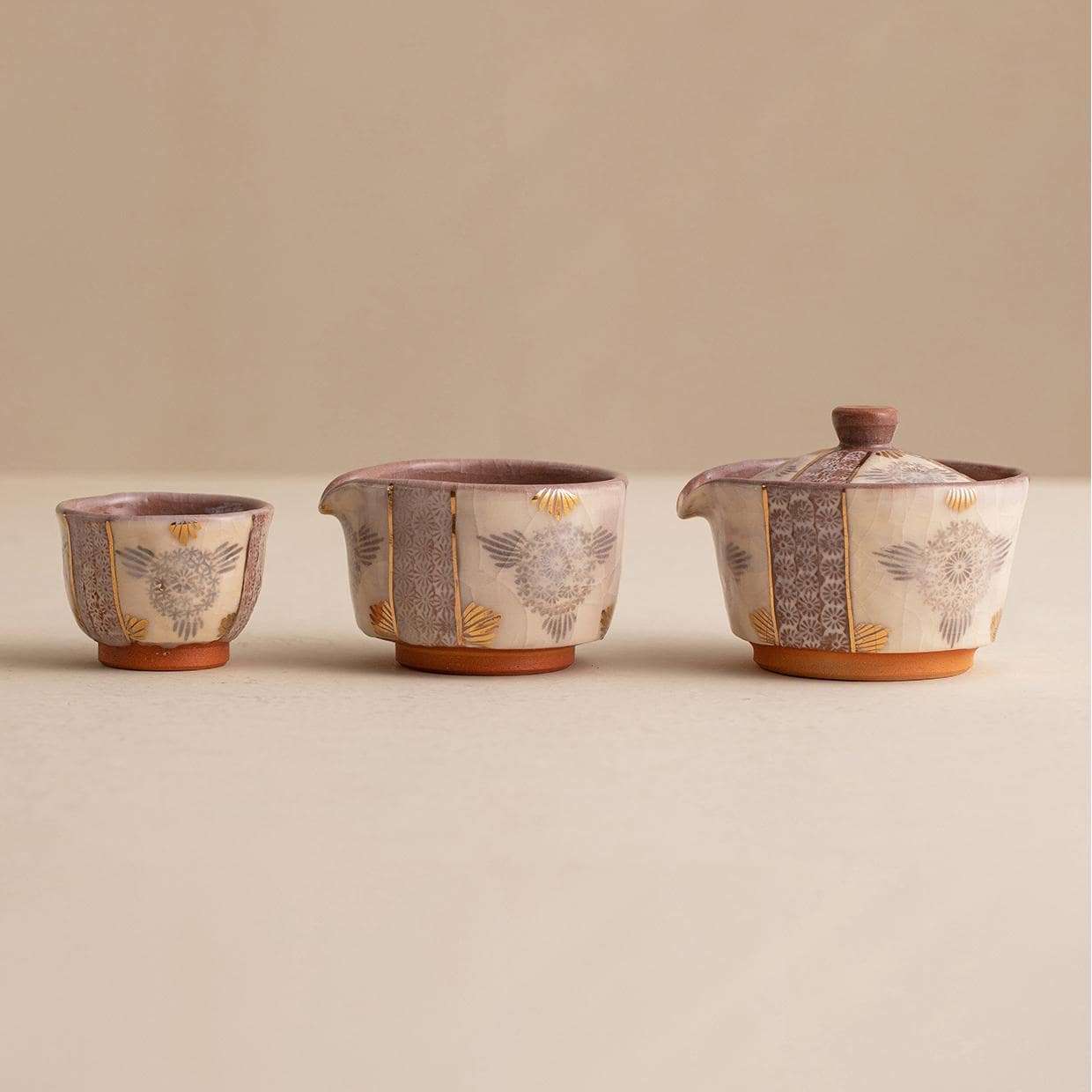
Japanese ceramics encompass an astonishing range of styles, from rustic, unglazed pottery (like Bizen-yaki or Shigaraki-yaki) to refined, intricately painted porcelain (such as Arita-ware or Kutani-ware). Each type, while beautiful, requires specific attention to maintain its unique character.
Unglazed and Porous Ceramics (e.g., some types of Minoyaki, Bizen-yaki, Shigaraki-yaki)
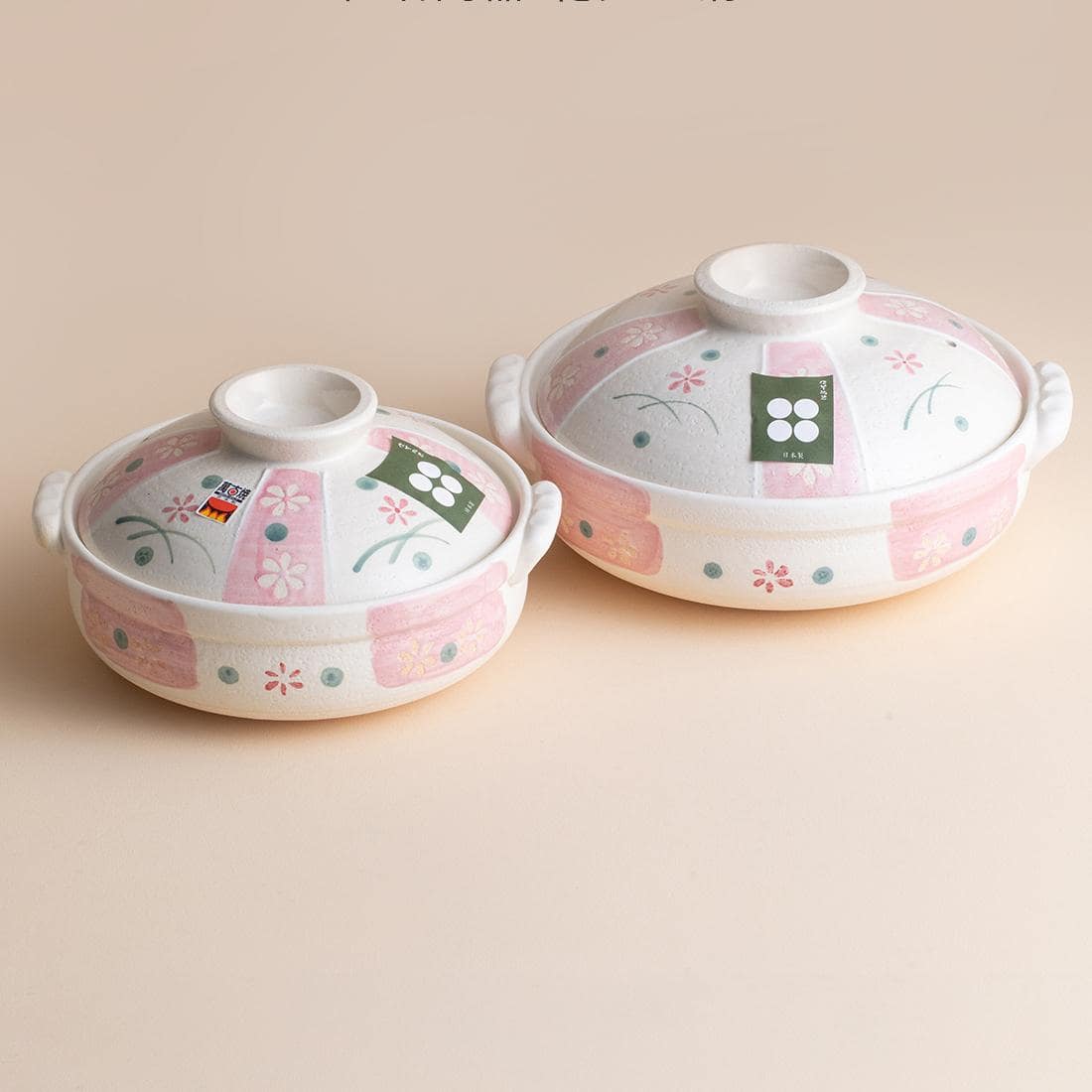
These ceramics, often prized for their natural textures and earthy tones, are more absorbent than their glazed counterparts. Their porous nature means they can absorb liquids, oils, and odors, which can lead to staining or lingering smells if not cared for properly.
- Pre-Use Conditioning (for some types): Before first use, some porous ceramics benefit from a brief conditioning. For example, some earthenware teapots or bowls can be soaked in lukewarm water for 15-30 minutes. This helps the pores absorb water, making them less likely to absorb strong flavors or stain during use. Always check the specific recommendations for your piece, as not all ceramics require this.
- Immediate Cleaning: Wash immediately after use. Do not let food residues dry on the surface.
- Avoid Strong Detergents: For very porous pieces, some connoisseurs prefer to only rinse with warm water and use minimal to no soap, especially for items like clay teapots where a "tea patina" is desired. If soap is necessary, use a tiny amount of mild, diluted soap.
- Thorough Drying is Critical: Because they absorb moisture, these pieces must be allowed to dry completely before storage to prevent mold and mildew. Air dry upside down on a drying rack, then if possible, allow a further period of air drying right-side-up in a well-ventilated area until absolutely bone dry.
- Prevent Staining: Be mindful of highly pigmented foods or liquids (e.g., turmeric, red wine) that can easily stain porous surfaces.
Glazed Ceramics and Porcelain (e.g., Arita-ware, Kutani-ware, many Minoyaki pieces)
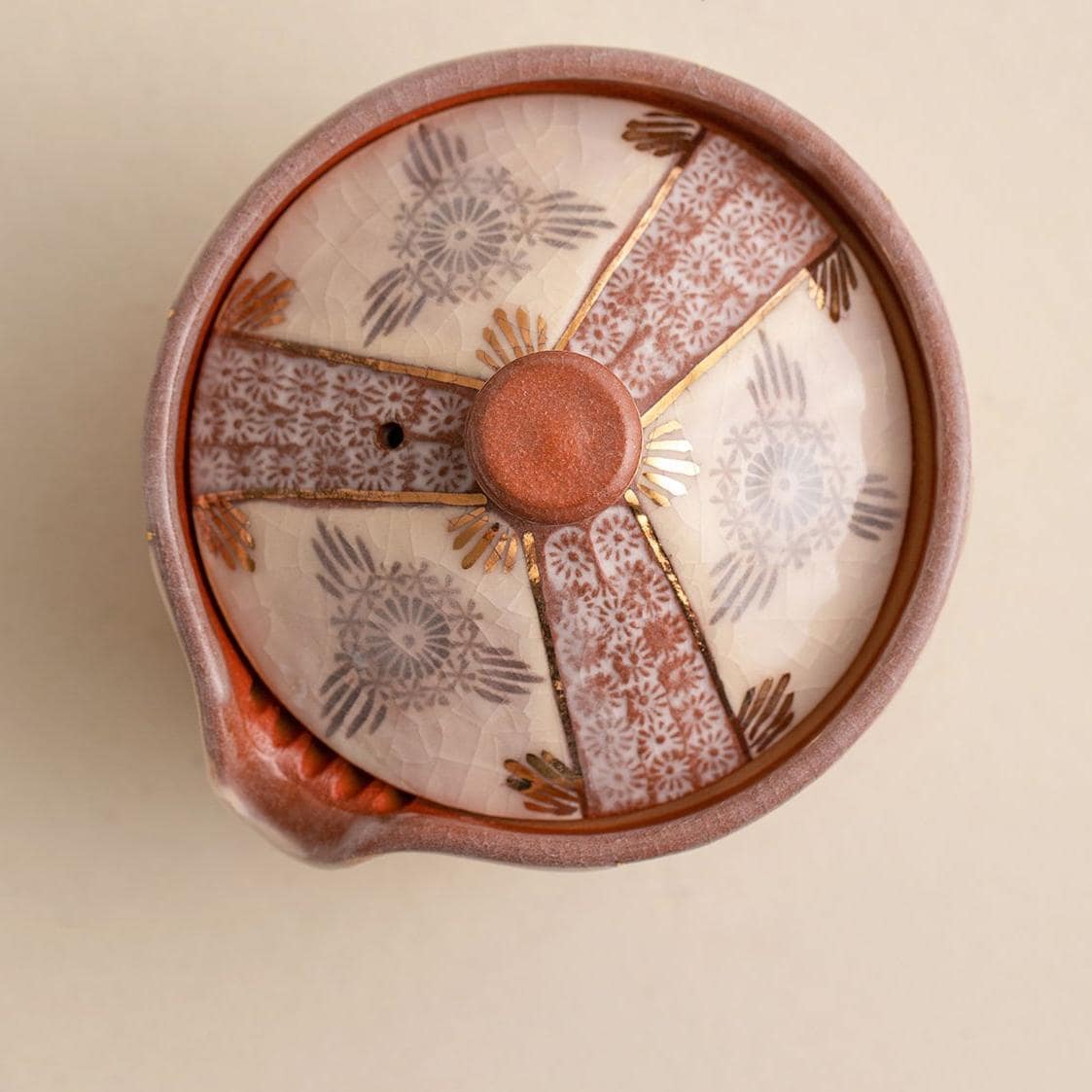
Glazed ceramics and porcelain are generally less porous and more resilient than unglazed pottery, but they still require careful handling to prevent chipping, scratching, or dulling of their beautiful finishes.
- Gentle Handwashing: Use lukewarm water and a mild dish soap with a soft sponge or cloth. Pay attention to intricate designs or gilded accents, which can be particularly delicate.
- Watch for Crazing: Some glazed ceramics develop a network of fine cracks in the glaze over time, a phenomenon known as crazing. This is often part of the charm of the piece, but it can make the ceramic slightly more susceptible to staining if liquids seep into the cracks. Clean gently and dry thoroughly.
- Avoid Abrasives: Never use abrasive cleaners, scouring pads, or harsh chemicals, as these can scratch the glaze, dull the finish, or damage painted decorations.
- Care with Metal Utensils: Be aware that metal cutlery can sometimes leave gray marks on glazed ceramics. These are usually surface marks and can often be removed with a gentle ceramic cleaner or a paste of baking soda and water applied with a soft cloth.
To explore the diverse world of Japanese ceramics, from rustic pottery to refined porcelain, browse our extensive collection of authentic Japanese tableware.
Preserving the Deep Luster of Japanese Lacquerware (Urushi)
Japanese lacquerware, known as Urushi, is celebrated for its exquisite beauty, durability, and profound depth of color. Made from the sap of the Urushi tree, these pieces are often meticulously handcrafted and can be quite delicate. Proper care is essential to maintain their iconic sheen and prevent damage.
- Gentle Handwashing Only: Always handwash lacquerware immediately after use. Use lukewarm water and a very small amount of mild, pH-neutral dish soap.
- Softest Tools: Use only the softest sponge or a cotton cloth. Never use abrasive scrubbers, harsh brushes, or scouring pads, as these will scratch the delicate lacquer surface.
- Quick Rinse and Immediate Drying: Rinse quickly under lukewarm water to remove all soap residue. Then, immediately dry the piece with a soft, lint-free cloth. Water spots can leave permanent marks if allowed to dry on their own.
- Avoid Soaking: Do not soak lacquerware for extended periods, as this can weaken the lacquer layers and cause damage.
- No Dishwashers, Microwaves, or Ovens: The high temperatures, harsh detergents, and drying cycles of dishwashers, microwaves, and ovens are extremely damaging to lacquerware and will cause cracking, warping, and loss of luster.
- Protect from Direct Sunlight and Extreme Temperatures: Prolonged exposure to direct sunlight can cause the lacquer to fade or crack. Similarly, extreme heat or cold can cause the lacquer to warp or crack. Store lacquerware in a stable environment, away from direct heat sources or open windows.
- Guard Against Scratches: Lacquerware is susceptible to scratches. Avoid using sharp utensils directly on the surface. When storing, ensure pieces are not stacked directly on top of each other or rubbing against other items. Use soft cloths or felt dividers if necessary.
- Avoid Harsh Chemicals: Do not use alcohol-based cleaners, solvents, or abrasive polishes, as these can damage the lacquer finish.
Maintaining the Sparkling Clarity of Japanese Glassware (Edo Kiriko & More)
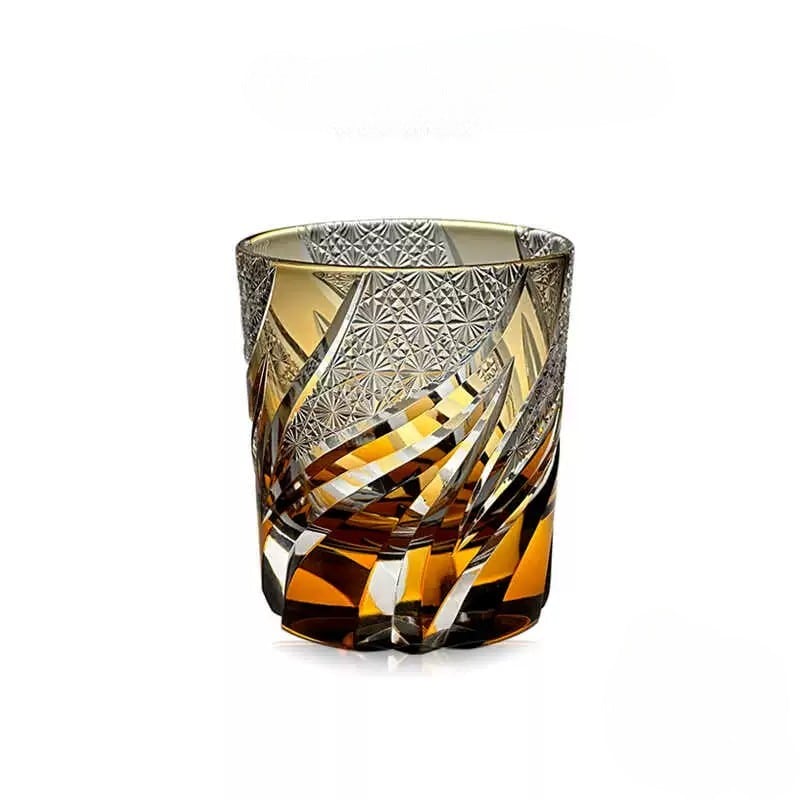
Japanese glassware, particularly the stunning Edo Kiriko with its intricate cut patterns, or delicate hand-blown sake glasses, adds a touch of refined elegance to any table. Their brilliance and clarity are a testament to skilled craftsmanship, and with proper care, they will continue to sparkle for years to come.
- Handwash with Care: Always handwash glassware using lukewarm water and a mild dish soap.
- Soft Sponge or Cloth: Use a soft sponge or cloth to gently clean the surface. For intricate cut patterns like those found in Edo Kiriko, a very soft-bristled brush (like a dedicated glass brush or even a clean, soft toothbrush) can help dislodge residues from the crevices.
- Thorough Rinsing: Rinse thoroughly under lukewarm water to ensure no soap residue remains, as this can lead to cloudiness or streaks.
- Polish for Brilliance: The key to sparkling glassware is immediate and thorough drying. Use a clean, lint-free microfiber cloth to dry and polish the glass. This prevents water spots and enhances its natural brilliance. For particularly stubborn water spots, a solution of water and white vinegar (1:1 ratio) can be used, followed by a thorough rinse and polish.
-
Avoid Dishwashers: Dishwashers can cause several problems for delicate glassware:
- Chipping and Breaking: Delicate rims and stems are easily chipped or broken by the force of water jets or contact with other items.
- Etching: The combination of high heat and harsh detergents can chemically etch the surface of glass, leading to a permanent cloudy or dull appearance.
- Dulling of Finish: Repeated dishwasher cycles can dull the shine of even more robust glassware.
- Prevent Thermal Shock: As with ceramics, avoid sudden temperature changes that can cause glass to crack or shatter.
- Careful Storage: Store glassware upright in a cabinet where pieces won't knock against each other. Avoid stacking glasses, especially those with delicate rims or stems, as this can lead to chips or breakage. For very valuable or delicate pieces, consider storing them in individual felt bags or boxes.
Caring for Your Sake Sets, Chopsticks, and Tea Ware
Many specialized Japanese tableware items, such as sake sets, chopsticks, and tea ware, often combine the materials discussed above. Applying the core principles, along with a few specific considerations, will ensure their longevity.
Sake Sets (Tokkuri and Guinomi)
Sake sets are typically made from ceramic, glass, or sometimes lacquerware. Apply the care instructions specific to the material of your set. For example, a ceramic tokkuri and guinomi should be handwashed with mild soap and dried thoroughly. Glass sake cups benefit from immediate polishing to maintain their clarity. If you own wooden masu cups, rinse them quickly with lukewarm water after use, dry them immediately, and avoid soaking to prevent warping or cracking.
Chopsticks
Chopsticks come in various materials, each with its own care needs:
- Wooden and Lacquer Chopsticks: These are the most common and require the most careful attention. Always handwash immediately after use with mild soap and lukewarm water. Dry them thoroughly with a soft cloth. Do not soak, and avoid dishwashers, as these can cause warping, cracking, or damage to the lacquer finish.
- Metal Chopsticks: Generally more durable, metal chopsticks can often withstand dishwashers, but handwashing is still recommended to preserve their finish and prevent discoloration or scratches from other utensils.
- Bamboo Chopsticks: Similar to wooden chopsticks, handwash and dry immediately.
Tea Ware (Teapots, Cups, Matcha Bowls)
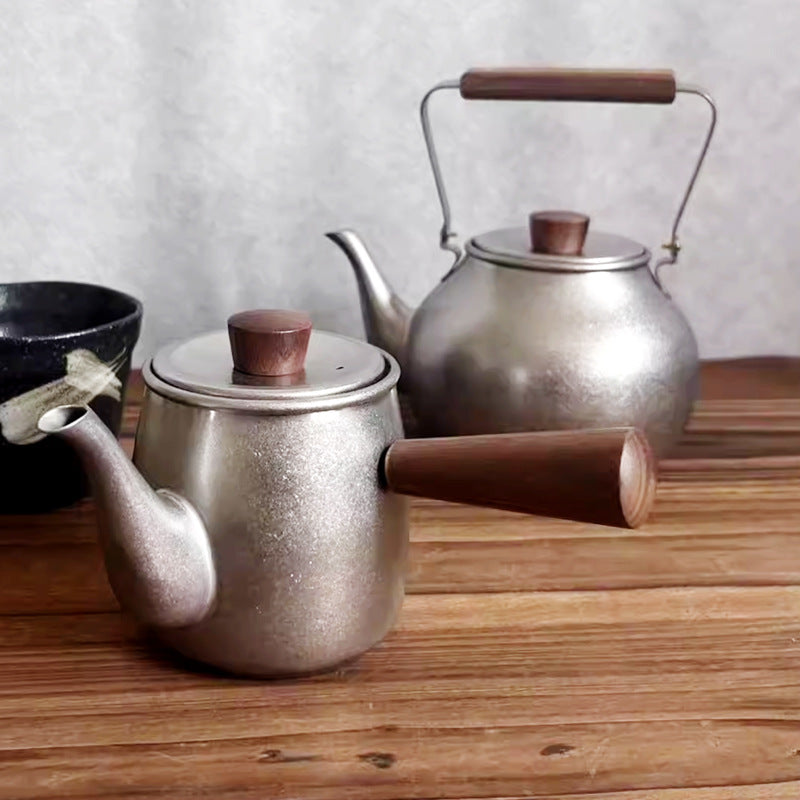
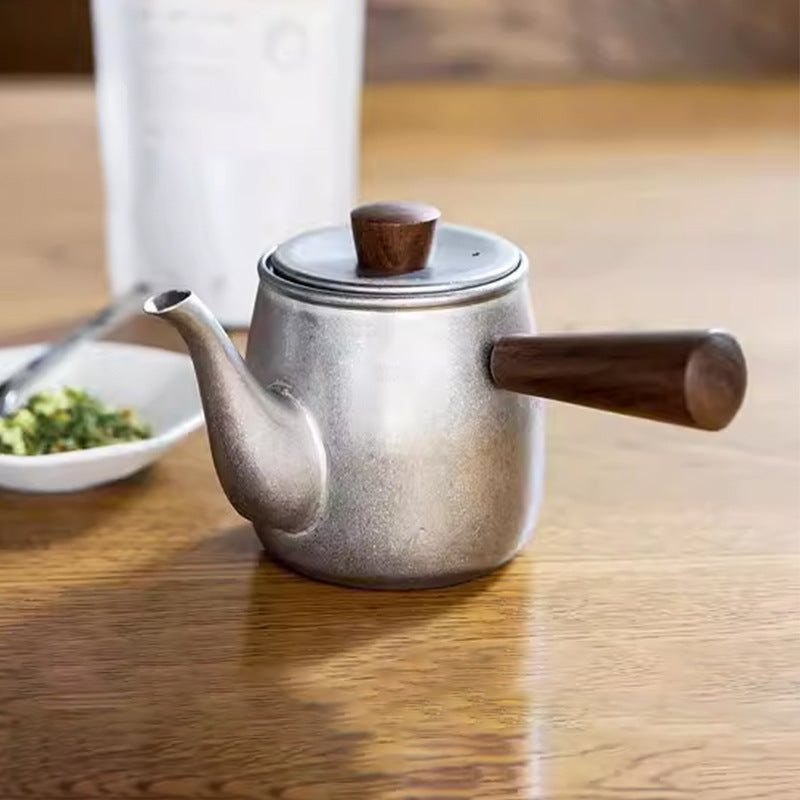
Japanese tea ware, including delicate teacups (yunomi), matcha bowls (chawan), and various teapots (kyusu), embodies the spirit of Japanese tea ceremonies.
- Ceramic/Porcelain Tea Ware: Follow the general ceramic and porcelain care guidelines. Handwash with mild soap and lukewarm water, and dry thoroughly.
- Unglazed Clay Teapots (e.g., Tokoname-yaki, Banko-yaki): For these specific types of teapots, many tea enthusiasts recommend only rinsing with warm water after use, avoiding soap altogether. The porous clay is believed to absorb the tea's essence over time, building a "tea patina" that enhances the flavor of subsequent brews. If you must use soap, ensure it's extremely mild and rinse exhaustively. Always allow to air dry completely before storing.
Related Posts

How to Care for Handmade Japanese Ceramics, Lacquerware, and Glassware

How to Care for Handmade Japanese Ceramics, Lacquerware, and Glassware

How to Care for Handmade Japanese Ceramics, Lacquerware, and Glassware

How to Care for Handmade Japanese Ceramics, Lacquerware, and Glassware

How to Care for Handmade Japanese Ceramics, Lacquerware, and Glassware

How to Care for Handmade Japanese Ceramics, Lacquerware, and Glassware