
How to Care for Handmade Japanese Ceramics, Lacquerware, and Glassware
The allure of authentic Japanese tableware lies not just in its exquisite beauty and functionality, but in the rich history, artisanal skill, and cultural heritage embedded within each piece. Whether it's a meticulously crafted sake set, a delicate tea bowl, a vibrant Edo Kiriko glass, or a lustrous lacquerware bento box, these items are more than mere objects; they are expressions of art and tradition. Owning such treasures brings a unique aesthetic to your home and dining experiences, but it also comes with the responsibility of proper care. Unlike mass-produced items, handmade Japanese ceramics, lacquerware, and glassware often require specific attention to preserve their integrity, beauty, and longevity. Understanding the nuances of product care for these distinct materials ensures that your cherished pieces remain beautiful and functional for generations, allowing you to truly appreciate the craftsmanship for years to come.
The Art of Caring for Handmade Japanese Ceramics
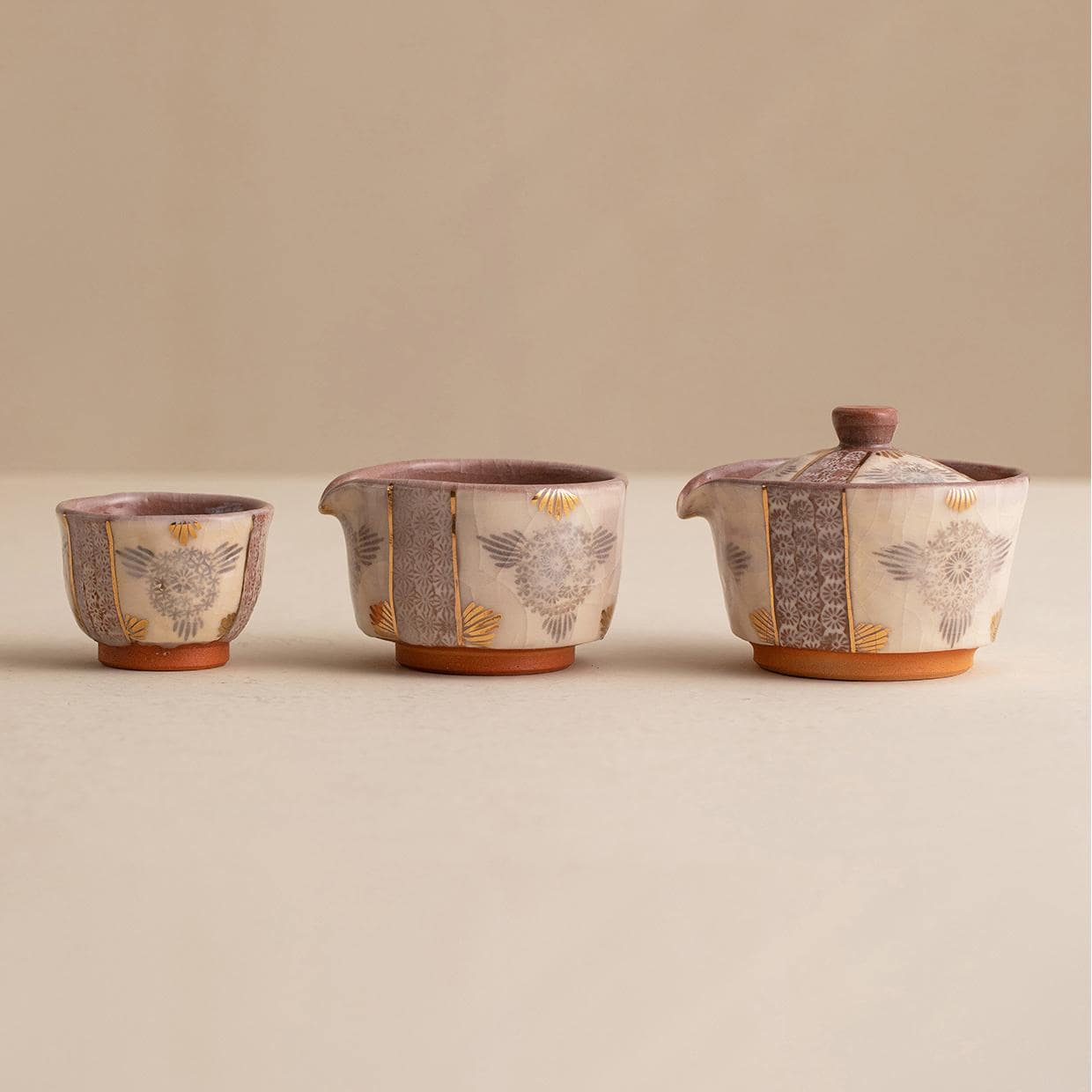
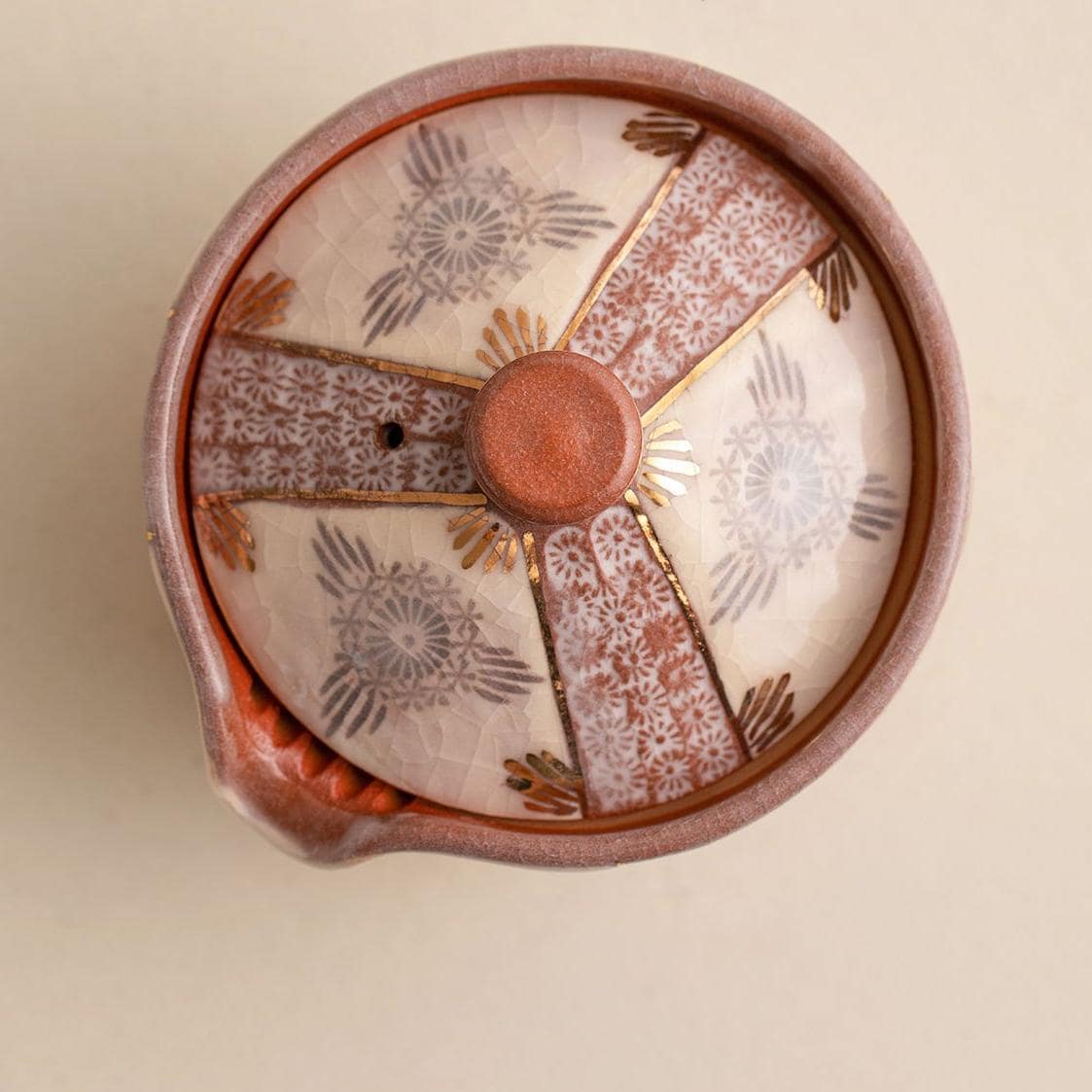
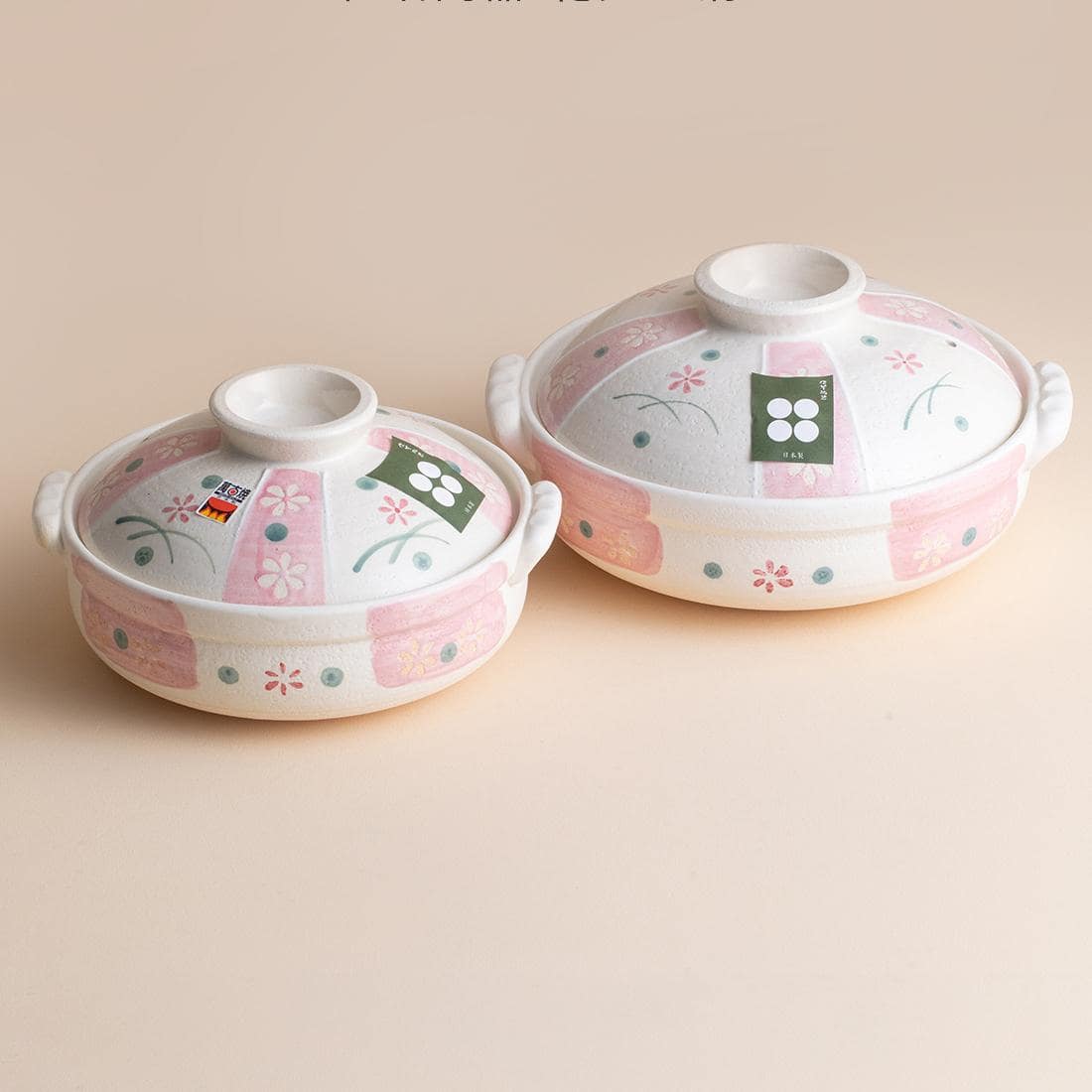
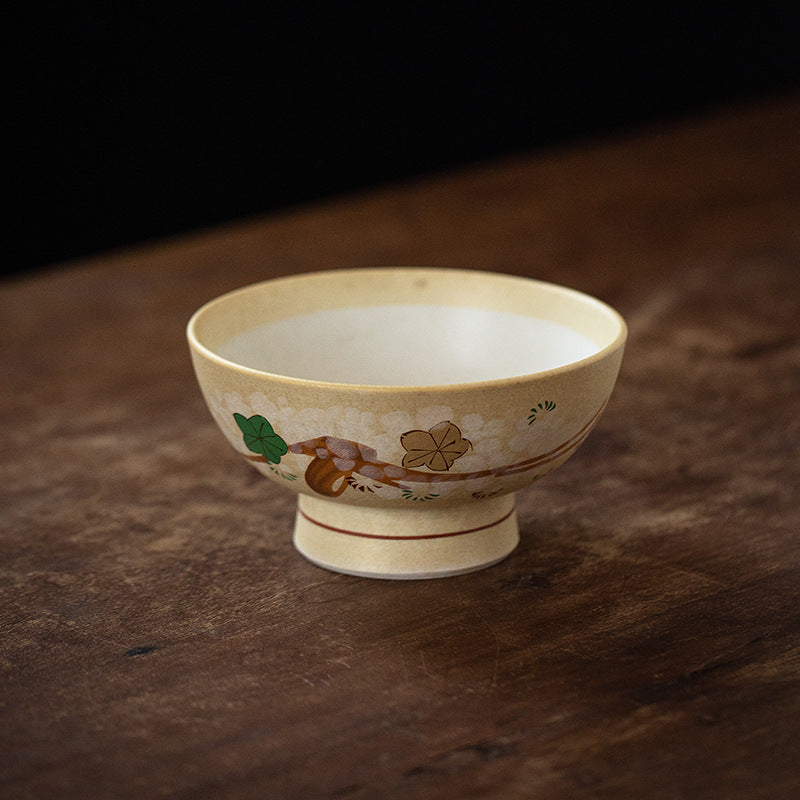
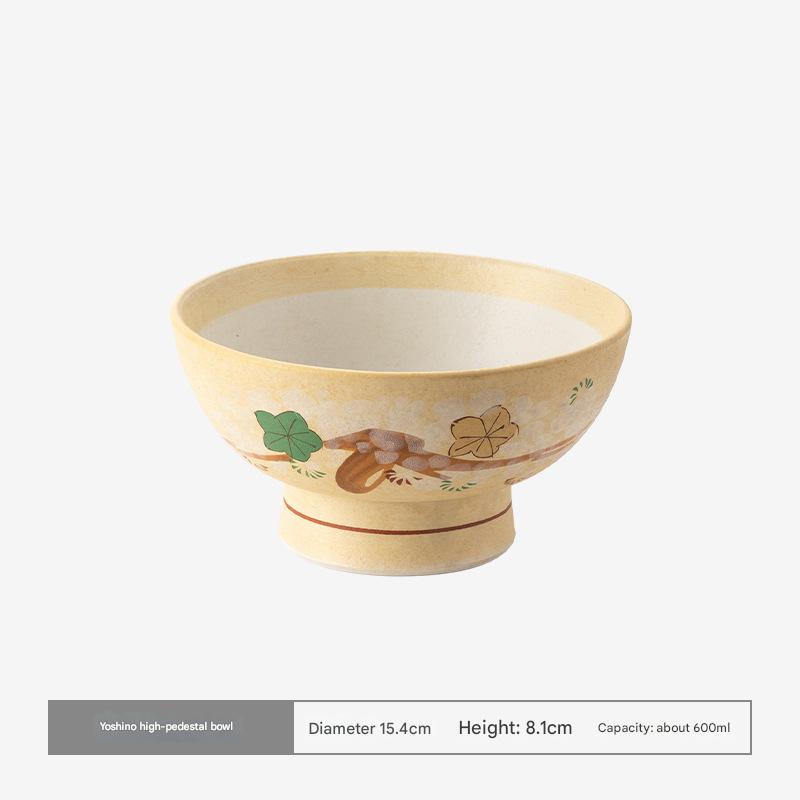
Japanese ceramics encompass a vast and diverse world, ranging from delicate porcelain to robust stoneware and rustic earthenware. Each type possesses unique characteristics that dictate its optimal care. Proper care for your handmade Japanese ceramics, whether they are elegant tea ware or everyday serving dishes, is crucial for preserving their beauty and preventing damage.
Understanding Different Ceramic Types:
- Porcelain (磁器 - Jiki): Known for its fine, non-porous body, translucency, and often delicate appearance. It's usually strong but can be brittle.
- Stoneware (炻器 - Sekki): Denser and less porous than earthenware, fired at high temperatures. It's durable and often has a rustic, earthy feel.
- Earthenware (陶器 - Tōki): More porous and softer than stoneware or porcelain, fired at lower temperatures. It often has a natural, warm aesthetic and may require more careful handling to prevent staining.
Washing and Drying Ceramics:
The golden rule for all handmade Japanese ceramics is handwashing whenever possible. Dishwashers, even on gentle cycles, can be too harsh. The high temperatures, strong detergents, and aggressive water jets can cause chipping, cracking, fading of glazes, or even thermal shock, especially for delicate or older pieces.
- Use Mild Soap: Opt for a gentle, non-abrasive dish soap. Harsh chemicals can strip away delicate glazes or react with the clay body.
- Lukewarm Water: Avoid extreme temperature changes. Plunging a hot ceramic piece into cold water or vice-versa can cause thermal shock, leading to cracks.
- Soft Sponge or Cloth: Use a soft sponge or cloth to gently clean surfaces. Never use abrasive scrubbers, steel wool, or scouring pads, as these can scratch glazes and decorations.
- Rinse Thoroughly: Ensure all soap residue is rinsed away, as it can leave a dull film or, over time, degrade the surface.
- Immediate Drying: After washing, dry your ceramics immediately with a soft, lint-free cloth. This prevents water spots, especially on darker glazes, and reduces the risk of moisture absorption in more porous earthenware. For unglazed bases or feet, ensure they are completely dry before storage to prevent mold or mildew.
Preventing Stains and Scratches:
For more porous earthenware, be mindful of strong pigments from food or drinks (like tea or coffee), which can stain over time. Rinsing immediately after use can help. Some traditional ceramics, particularly those with unglazed bases or delicate hand-painted motifs, are more susceptible to scratching. When stacking, place a soft cloth or felt pad between items to prevent abrasion. Avoid sliding ceramics across rough surfaces.
Microwave and Oven Use:
Unless explicitly stated by the artisan or retailer, assume your handmade Japanese ceramics are not microwave or oven safe. Many glazes contain metallic elements that can spark in a microwave, and rapid temperature changes in an oven can cause cracking. When in doubt, err on the side of caution.
Preserving the Luster of Japanese Lacquerware
Japanese lacquerware, known as urushi ware, is celebrated for its exquisite beauty, durability, and deep, lustrous finish. From elegant bowls and trays to practical chopsticks and bento boxes, these pieces are crafted using sap from the urushi tree, a natural material that, once cured, becomes incredibly resilient. However, this natural material also requires specific care to maintain its radiant appearance and prevent damage.
Washing and Drying Lacquerware:
Similar to ceramics, handwashing is paramount for all Japanese lacquerware. Dishwashers are an absolute no-go. The intense heat, harsh detergents, and high-pressure water can severely damage the delicate lacquer finish, causing it to dull, crack, or peel.
- Gentle Handwashing: Use lukewarm water and a very small amount of mild dish soap.
- Soft Cloth or Sponge: Gently wipe the surface with a soft cloth or non-abrasive sponge. Never use anything abrasive, as even a slight scratch can mar the reflective surface.
- Rinse Thoroughly: Rinse promptly and thoroughly to remove all soap residue.
- Immediate Drying: This is critical. Immediately dry your lacquerware with a soft, lint-free cloth. Water spots can leave marks, and prolonged exposure to moisture, while less damaging than for ceramics, is still best avoided.
Avoiding Damage and Preserving Finish:
- Extreme Temperatures: Lacquerware is sensitive to extreme heat and cold. Do not place it in the microwave, oven, or refrigerator. Avoid leaving it in direct sunlight or near heat sources like stoves or radiators, as this can cause the lacquer to dry out, crack, or fade.
- Sharp Objects: Be careful with knives and other sharp utensils, as they can scratch the surface. While urushi is durable, it's not impervious to deep cuts.
- Abrasive Cleaners: Never use chemical cleaners, alcohol-based wipes, or abrasive powders. These will damage the lacquer finish.
- Storage: When storing lacquerware, especially bowls or trays, avoid stacking them directly on top of each other without protection. Place a soft cloth or paper between items to prevent scratches. Store in a stable environment, away from extreme temperature fluctuations.
With proper care, your Japanese lacquerware will maintain its deep sheen and continue to be a stunning part of your authentic Japanese tableware collection for decades, even centuries.
Maintaining the Dazzle of Japanese Glassware, Including Edo Kiriko
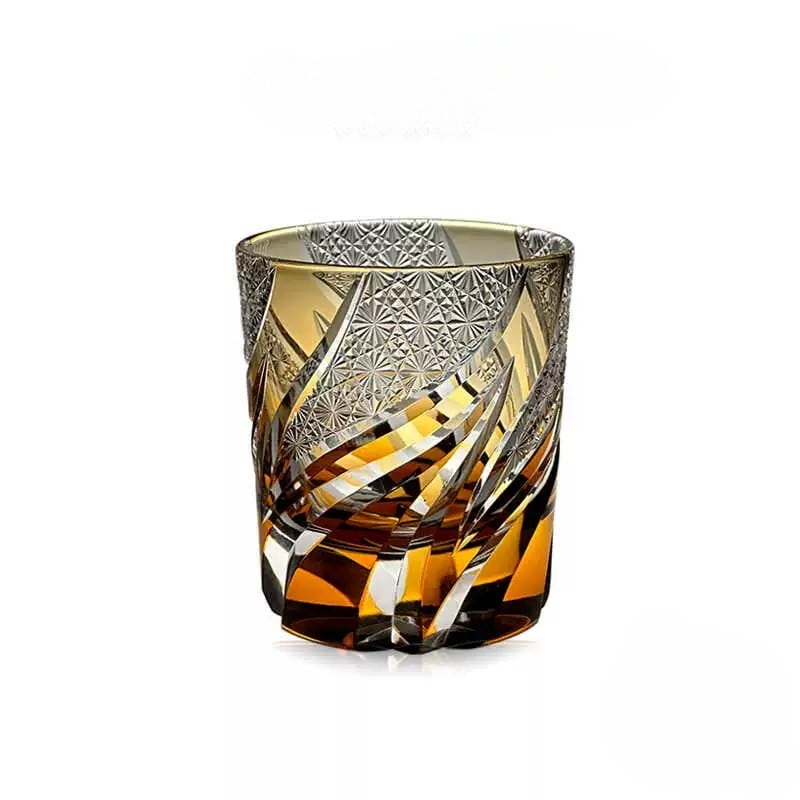
Japanese glassware, from simple, elegant drinking glasses to the intricately cut Edo Kiriko, is renowned for its clarity, brilliance, and often exquisite craftsmanship. Edo Kiriko glassware, in particular, with its distinctive patterns and vibrant colors, is a testament to meticulous artistry. While glass is generally durable, handmade and art glass pieces require specific care to prevent chips, cracks, and preserve their sparkling appearance.
Washing and Drying Glassware:
For all Japanese glassware, especially delicate pieces and Edo Kiriko, handwashing is strongly recommended. Dishwashers can cause chips, scratches, and can dull the surface over time due to harsh detergents and high temperatures.
- Lukewarm Water and Mild Soap: Use lukewarm water and a gentle, non-abrasive dish soap.
- Soft Sponge or Cloth: Gently clean the glass with a soft sponge or cloth. For intricate patterns like those on Edo Kiriko, a soft brush (like a clean, soft toothbrush) can be used carefully to clean crevices, but avoid scrubbing too hard.
- Handle with Care: Hold glassware by the body, not the stem or rim, especially when wet, as it can be slippery.
- Rinse Thoroughly: Rinse under lukewarm running water until all soap residue is gone.
- Immediate Drying for Brilliance: To prevent water spots and maintain maximum sparkle, dry glassware immediately with a clean, lint-free microfiber cloth. Polish gently to a shine. For intricate Edo Kiriko, ensure all moisture is removed from the cuts.
Preventing Chips and Cracks:
- Avoid Clanking: Be mindful when washing multiple glass items. Clanking them together in the sink is a common cause of chips.
- Temperature Changes: While glass is generally more resilient to thermal shock than ceramics, extreme and sudden temperature changes can still cause cracks. Avoid pouring boiling water directly into a cold glass or placing a hot glass into cold water.
- Storage: Store glassware upright to protect delicate rims. If stacking is necessary (e.g., for certain bowls), ensure there's a protective layer like a soft cloth between pieces. Avoid overcrowding shelves, as this increases the risk of items knocking into each other.
Special Considerations for Edo Kiriko:
Edo Kiriko's beauty lies in its precisely cut patterns. These cuts, while beautiful, can also be delicate. Handle Edo Kiriko by the body of the glass, avoiding excessive pressure on the cut edges. When cleaning, be gentle around these areas to prevent micro-chips or dulling of the sharp lines that define its character.
General Tableware Tips for Long-Term Enjoyment
Beyond the specific care instructions for ceramics, lacquerware, and glassware, there are general best practices that apply to all types of authentic Japanese tableware. Adhering to these universal tableware tips will significantly contribute to the longevity and pristine condition of your cherished collection.
Safe Handling:
- Always use two hands for larger or heavier pieces: Especially when moving items from a cabinet or carrying them to the table. This distributes weight evenly and reduces the risk of dropping.
- Avoid sudden movements: Delicate items can easily slip or knock against other objects.
- Clear your workspace: Before handling precious items, ensure your sink area or countertop is clear of other dishes, utensils, or obstacles that could cause accidental bumps.
Smart Storage Solutions:
Proper storage is just as important as proper cleaning. It protects your items from dust, accidental damage, and environmental factors.
- Dedicated Cabinetry: Store valuable pieces in a dedicated cabinet or display case where they are less likely to be knocked or jostled.
- Avoid Stacking (where possible): For most handmade ceramics and glassware, direct stacking is not recommended as it can cause chips, scratches, or put undue pressure on delicate rims and bases. If stacking is unavoidable for space reasons, always place a soft cloth, felt pad, or paper plate between each item.
- Upright Storage for Glassware: Store glasses upright to protect their rims, which are often the most fragile part.
- Temperature and Humidity Control: Avoid storing items in areas with extreme temperature fluctuations or high humidity. This is particularly crucial for lacquerware, which can crack in very dry conditions or develop mold in excessively humid environments.
- Display with Care: If displaying items, ensure they are on stable, level surfaces, away from edges where they could be easily knocked off. Consider using plate stands or display cases for added security.
Protecting Surfaces:
When serving or displaying your Japanese tableware, remember that some pieces, especially those with unglazed bases, can scratch delicate table surfaces. Always use placemats, coasters, or protective cloths underneath your items, especially if they are heavy or have rough undersides.
Travel and Moving:
If you need to move or transport your Japanese tableware, pack each item individually and securely. Use plenty of soft wrapping material (bubble wrap, packing paper, towels) and sturdy boxes. Label boxes clearly as "Fragile" and "Handle with Care."
Understanding When Professional Restoration Might Be Needed
Despite our best efforts, accidents can happen. A cherished ceramic bowl might chip, a lacquer tray could sustain a deep scratch, or a glass might crack. While minor imperfections often add character, there are times when professional restoration is the best course of action to preserve the item's value and beauty.
- Significant Cracks or Breaks in Ceramics: If a ceramic piece has broken into multiple fragments, or has a structural crack, a professional restorer specializing in ceramics can often repair it seamlessly. They can utilize techniques like Kintsugi (the art of repairing broken pottery with lacquer dusted with powdered gold, silver, or platinum), which celebrates the repair as part of the item's history, or invisible repairs that restore the original appearance.
- Deep Scratches or Chips in Lacquerware: While minor surface scratches on lacquerware might be polished out by a specialist, deep gouges or areas where the lacquer has peeled require expert intervention. An experienced urushi artisan can reapply and cure new layers of lacquer, often making the damage virtually undetectable.
- Chips or Cracks in Glassware: Repairing glass, especially intricate pieces like Edo Kiriko, is extremely challenging. Small chips on the rim might sometimes be ground down and polished by a skilled professional, but significant cracks often mean the piece is beyond economic repair. However, it's always worth consulting a glass restorer for an assessment.
When seeking professional help, always look for restorers who specialize in the specific material (ceramics, lacquer, glass) and ideally have experience with Japanese artistic traditions. A good restorer will be able to assess the damage, explain the repair process, and provide an estimate, helping you decide if restoration is the right choice for your valuable piece.
Embracing the Journey: Enjoying Your Japanese Treasures for Generations
The care you invest in your authentic Japanese ceramics, lacquerware, and glassware is a testament to your appreciation for their artistry and heritage. These are not merely utilitarian objects; they are pieces of culture, history, and the enduring spirit of craftsmanship. By following these product care guidelines and embracing thoughtful handling and storage, you ensure that the intricate designs of an Edo Kiriko glass, the smooth finish of a lacquer bowl, or the unique texture of a handmade ceramic plate will continue to enrich your life and the lives of future generations.
Each time you use or admire these pieces, remember the journey they have taken – from the hands of the artisan to your home. Your diligent care allows that journey to continue, making your Japanese tableware not just beautiful possessions, but enduring legacies of art and tradition.
Discover More Authentic Japanese Tableware
Now that you're equipped with the knowledge to care for these exquisite items, perhaps you're inspired to expand your collection or find the perfect gift. Explore Sakitime's curated selection of authentic Japanese tableware, artisan ceramics, sake sets, chopsticks, Edo Kiriko glassware, and tea ware. Each piece tells a story, waiting to become a part of yours.
Browse our full collection and bring the timeless elegance of Japan into your home today: Explore Sakitime Collections
Related Posts

How to Care for Handmade Japanese Ceramics, Lacquerware, and Glassware

The History of Chopsticks

How to Care for Handmade Japanese Ceramics, Lacquerware, and Glassware

The Story of Urushi

How to Care for Handmade Japanese Ceramics, Lacquerware, and Glassware

Bamboo vs. Metal Chopsticks: Choosing the Right Material for Your Needs