
How to Care for Handmade Japanese Ceramics, Lacquerware, and Glassware
Understanding Your Treasures: The Art of Japanese Craftsmanship
The allure of handmade Japanese ceramics, lacquerware, and glassware lies not just in their aesthetic beauty but in the centuries of tradition, skill, and artistry poured into each piece. From the earthy warmth of a meticulously crafted ceramic tea bowl to the shimmering precision of an Edo Kiriko glass, and the deep, lustrous glow of Urushi lacquerware, these items are more than mere objects – they are expressions of culture and heritage. At Sakitime, we believe that cherishing these treasures involves understanding how to care for them properly. With the right product care, your Japanese tableware will continue to bring joy and beauty to your home for generations.
Caring for Handmade Japanese Ceramics: A Gentle Touch for Earthen Beauty
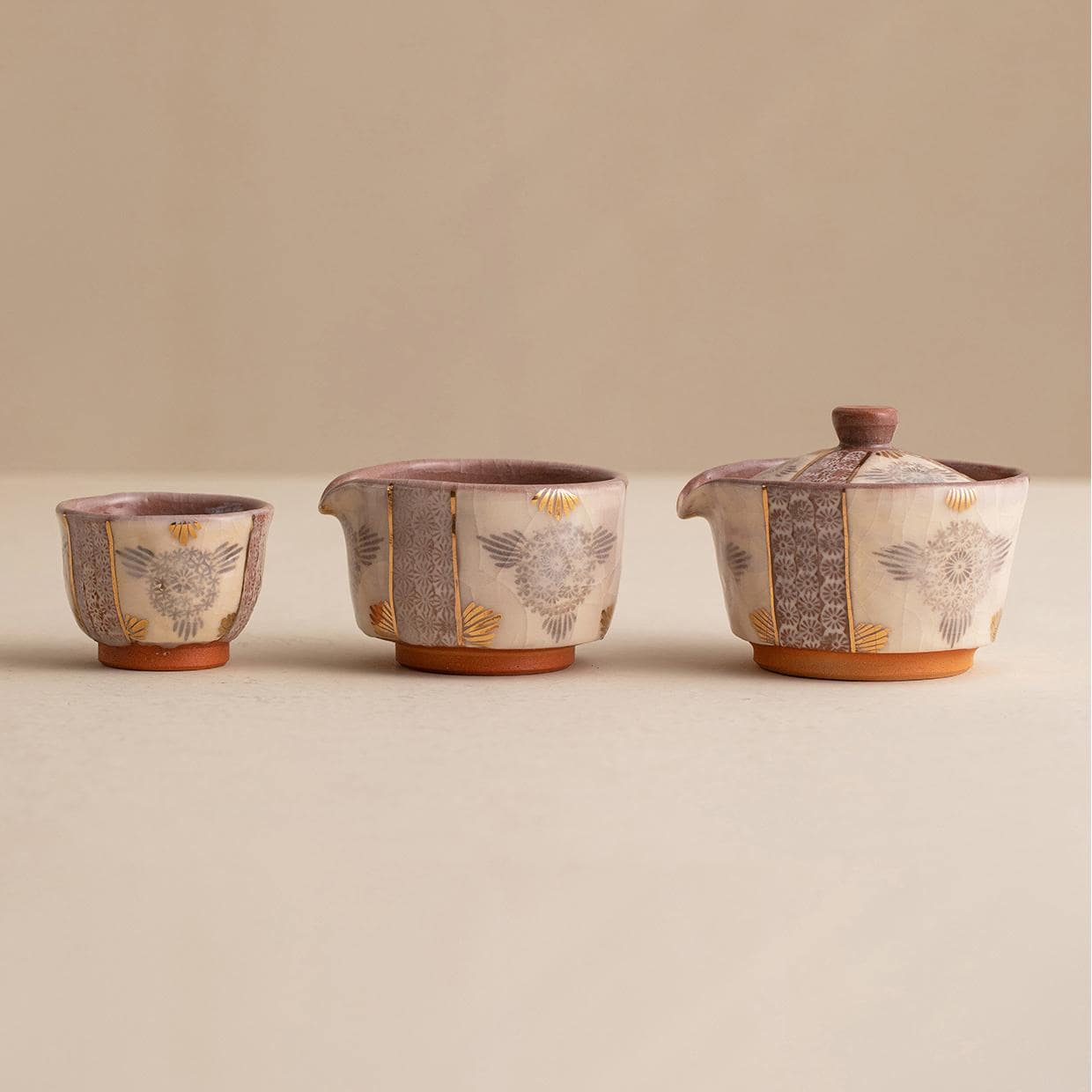
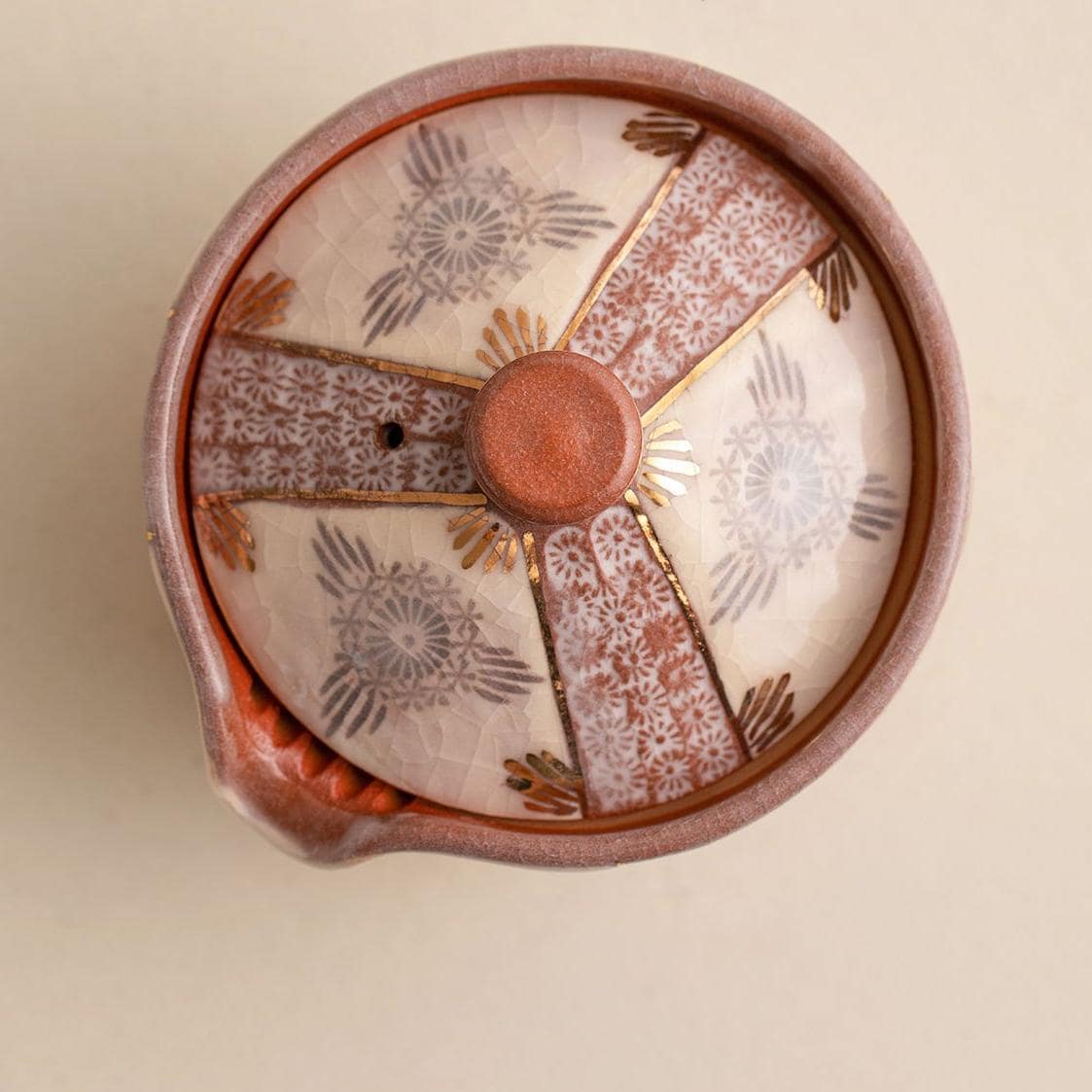
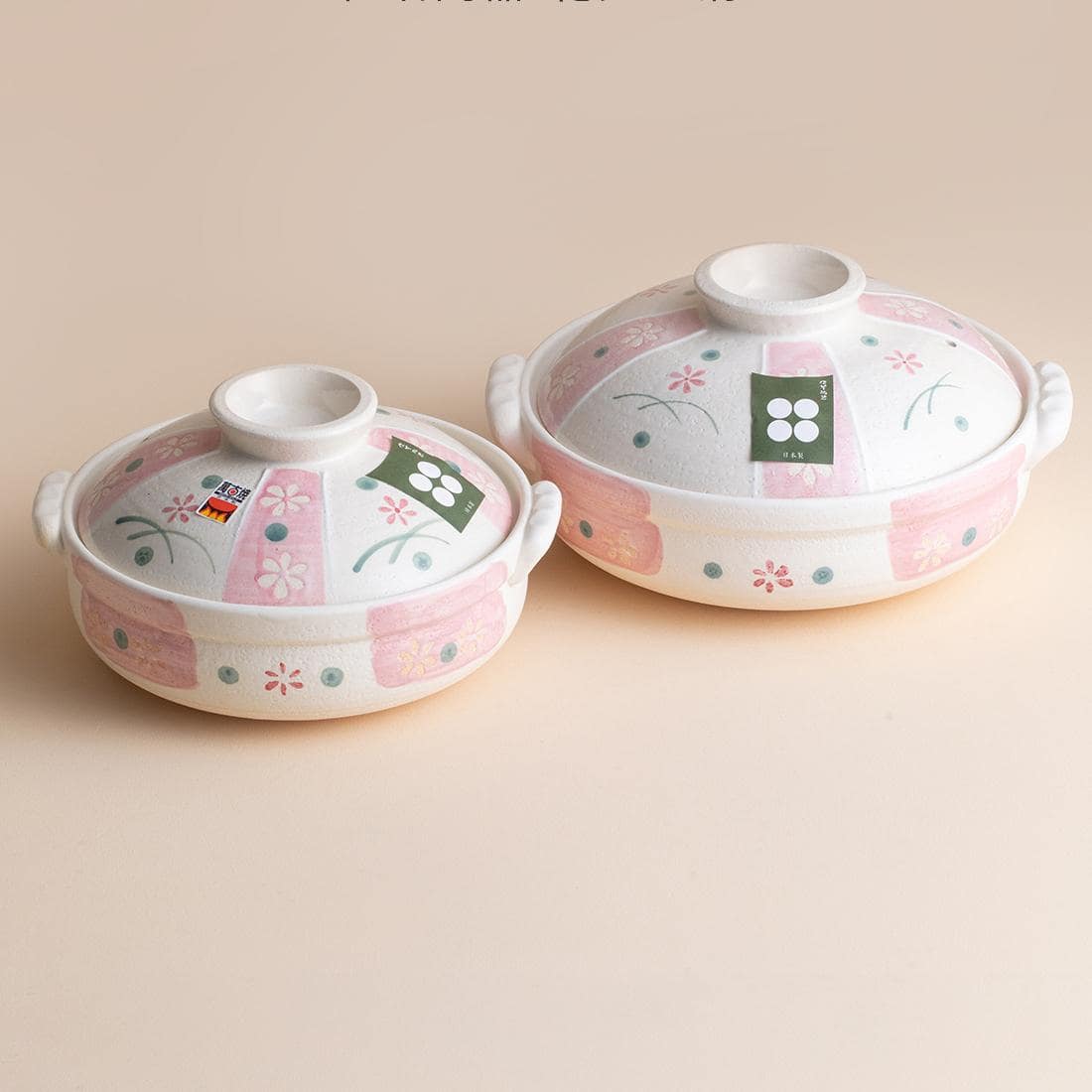
Japanese ceramics encompass a vast spectrum of styles, from rustic Bizen-yaki to refined Arita-yaki porcelain. Each piece, whether it's a sake cup, a serving plate, or a vase, possesses unique characteristics that demand thoughtful care. The key to preserving their beauty is often a gentle, hands-on approach.
- Handwashing is Paramount: For virtually all handmade Japanese ceramics, handwashing is the safest and most recommended method. The intense heat, harsh detergents, and aggressive water jets of a dishwasher can cause irreparable damage, leading to chips, cracks, dulling of glazes, or even the complete destruction of delicate pieces.
- Lukewarm Water and Mild Soap: Use lukewarm (not hot) water and a very mild dish soap. Avoid abrasive cleaners, scouring pads, or metal brushes, which can scratch glazes or damage unglazed surfaces. A soft sponge or cloth is ideal.
- Soaking with Caution: While some robust, fully glazed ceramics might tolerate brief soaking, it's generally best to avoid prolonged immersion, especially for unglazed or partially glazed pieces. Porous ceramics can absorb water, leading to discoloration, mold, or weakening over time. If your pottery has been seasoned (e.g., with rice water to prevent staining), excessive soaking can reverse this protective layer.
- Thorough Rinsing and Drying: After washing, rinse your ceramics thoroughly to remove all soap residue. Then, allow them to air dry on a rack, or gently towel dry with a soft, lint-free cloth. Ensuring they are completely dry before storage prevents mildew and odors.
- Addressing Stains: For persistent tea or coffee stains on ceramic cups, a paste made from baking soda and a little water can be gently applied with a soft cloth. Let it sit for a few minutes before rinsing. For new, unglazed pottery, a traditional method to prevent future staining and strengthen the clay is to soak it in water with a handful of rice for several hours, then boil it gently for about 15-20 minutes, allowing it to cool completely before rinsing and drying.
- Microwave and Oven Use: Most handmade Japanese ceramics are not designed for microwave or oven use. Rapid temperature changes can cause thermal shock, leading to cracks. Additionally, many glazes contain metallic elements that can spark in a microwave. Always err on the side of caution and avoid these appliances unless explicitly stated by the craftsman.
Preserving the Luster of Japanese Lacquerware: Urushi's Delicate Dance
Japanese lacquerware, known as Urushi ware, is celebrated for its exquisite beauty, durability, and deep, often jewel-like finishes. Made from the sap of the Urushi tree, these pieces require specific care to maintain their radiant sheen and prevent damage.
- Handwash Only, No Exceptions: Lacquerware is extremely sensitive to heat and harsh chemicals. Dishwashers are an absolute no-go, as they will cause the lacquer to crack, peel, or lose its luster.
- Lukewarm Water and Mild Detergent: Wash immediately after use with lukewarm water and a very small amount of mild dish soap. Use a soft sponge or cloth – never abrasive scrubbers, steel wool, or harsh detergents.
- Immediate Drying is Crucial: After washing, dry your lacquerware immediately with a soft, lint-free cloth. Water spots can dull the finish, and prolonged exposure to moisture is not ideal.
- Avoid Extreme Temperatures and Sunlight: Lacquerware is susceptible to damage from extreme heat, direct sunlight, and sudden temperature fluctuations. Do not place it near stoves, radiators, or in direct sunbeams. These conditions can cause the lacquer to crack, warp, or fade.
- Careful Storage: When storing, avoid stacking lacquerware directly on top of each other without protection, as this can lead to scratches. Instead, place a soft cloth or felt pad between items. Store in a stable environment, away from direct light and significant humidity changes.
- No Sharp Objects: Use wooden or plastic utensils with lacquerware, as metal cutlery can easily scratch the delicate surface. For chopsticks, if they are Urushi-coated, follow these same care guidelines.
Maintaining the Brilliance of Japanese Glassware: From Edo Kiriko to Modern Designs
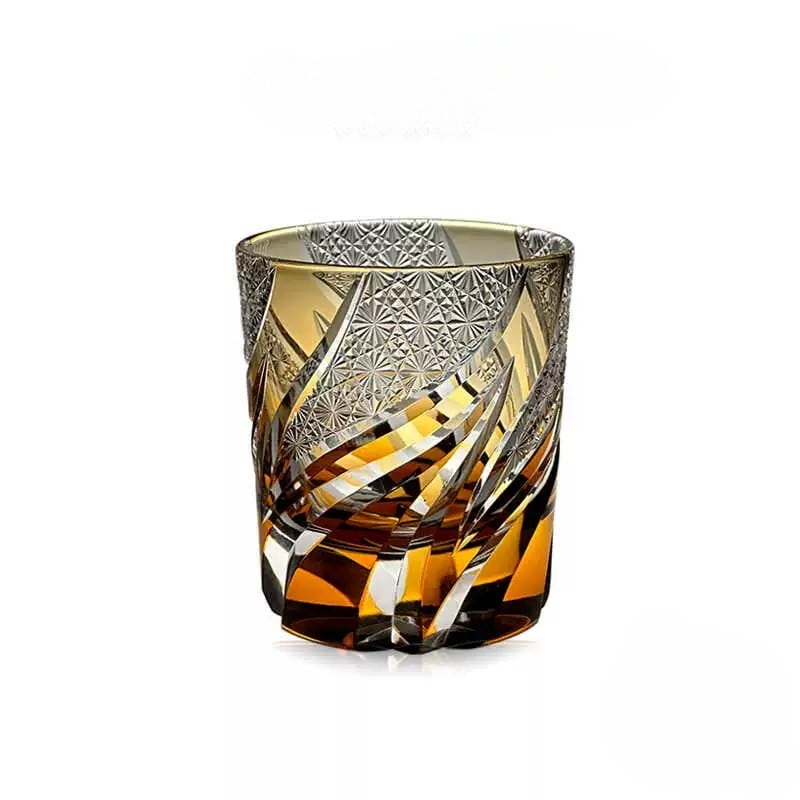
Japanese glassware, particularly the intricate and dazzling Edo Kiriko, represents a pinnacle of glass artistry. Whether you own a delicate sake glass, a sturdy water tumbler, or an elaborately cut whisky glass, proper care ensures its sparkle endures.
- Handwashing for Delicacy: Most high-quality, handmade Japanese glassware, especially items like Edo Kiriko with their precise cuts and patterns, should be handwashed. Dishwashers can cause chipping, scratching, or clouding due to high heat and abrasive detergents, particularly for lead crystal or very thin glass.
- Warm Water and Gentle Soap: Use warm, not hot, water and a small amount of mild, non-abrasive dish soap. A soft sponge or cloth is perfect for cleaning. For intricate patterns, a soft brush (like a baby bottle brush) can help reach crevices.
- Rinse and Dry Promptly: Rinse thoroughly with warm water. To prevent water spots and achieve a brilliant shine, dry immediately with a clean, lint-free microfiber cloth. Avoid air drying, as mineral deposits from water can leave marks.
- Handle with Care: Glassware, particularly thin-rimmed or stemmed pieces, is fragile. Always hold glasses by the bowl, not the stem, when washing or drying, to avoid twisting and breaking.
- Avoid Temperature Shock: Sudden changes in temperature can cause glass to crack or shatter. Do not pour very hot or very cold liquids into a glass that is already at an extreme temperature. Allow glasses to come to room temperature before washing if they've been used for very hot or cold beverages.
- Safe Storage: Store glassware upright to protect delicate rims. If stacking is necessary, ensure there's a protective layer (like felt) between pieces to prevent scratches. Avoid storing glasses where they might be knocked over or come into contact with other hard objects.
General Best Practices for All Japanese Tableware: Universal Care Principles
While each material has its specific nuances, several overarching principles apply to the care of all your handmade Japanese tableware, ensuring longevity and preserving their intrinsic value.
- Avoid Dishwashers and Microwaves: This cannot be stressed enough. The vast majority of handmade Japanese items, whether ceramic, lacquer, or glass, are not designed for the harsh environments of these appliances. Always default to handwashing and air drying (or soft cloth drying) unless the artisan explicitly states otherwise.
- Gentle Handling is Key: These are not mass-produced, industrial items. Each piece has been crafted with care and deserves to be handled with the same reverence. Avoid clanking them together, dropping them, or subjecting them to rough treatment.
- Temperature Stability: Sudden and extreme temperature changes are detrimental to all three materials. Thermal shock can crack ceramics and glass, and excessive heat can damage lacquer. Allow items to adjust to room temperature before washing or using with very hot/cold contents.
- Proper Storage: Store items in a stable environment, away from direct sunlight, extreme humidity, or fluctuating temperatures. Use soft liners, felt pads, or individual compartments to prevent scratches and chips when storing items, especially if they are stacked or placed in close proximity. This is particularly important for delicate sake sets, tea ware, and artisan ceramics.
- Clean Promptly After Use: Food and drink residues, especially acidic ones, can stain or damage surfaces if left for too long. Cleaning your tableware soon after use minimizes the risk of stubborn stains or corrosive damage.
Common Mistakes to Avoid: Protecting Your Investment
Understanding what not to do is just as important as knowing what to do. Here are some common pitfalls that can shorten the life or diminish the beauty of your handmade Japanese tableware:
- Using Abrasive Cleaners or Scouring Pads: These will scratch and dull glazes, lacquer finishes, and glass surfaces. Stick to soft sponges and cloths.
- Ignoring Material-Specific Needs: Treating all items the same, without regard for whether they are ceramic, lacquer, or glass, is a recipe for damage. Always consider the material.
- Leaving Items Soaking for Extended Periods: This can weaken porous ceramics, cause discoloration, or damage lacquer finishes.
- Stacking Without Protection: Direct contact between pieces, especially ceramic on ceramic or glass on glass, often leads to chips and scratches over time.
- Exposing to Direct Sunlight or Extreme Heat: Fading, warping, cracking, and dulling are common consequences of neglecting this warning, particularly for lacquerware and some ceramics.
- Using Metal Utensils on Lacquerware: This will inevitably lead to scratches on the delicate Urushi surface.
Long-Term Enjoyment: Displaying and Using Your Collection
The true beauty of Japanese tableware is often fully realized through its use. While proper care is essential, don't let the fear of damage prevent you from enjoying these magnificent pieces. Ceramics, especially, are often designed to develop a unique patina over time, a concept known as wabi-sabi, where imperfections and signs of age add to their character.
Display your favorite pieces where they can be admired, but ensure they are in stable, secure locations. Rotate your collection, using different pieces for various occasions. This not only spreads the wear but also allows you to appreciate the full breadth of your beautiful Japanese ceramics, lacquerware, and glassware.
By integrating these product care tips into your routine, you ensure that your investment in authentic Japanese craftsmanship from Sakitime remains a source of elegance and cultural appreciation for years to come. Each piece tells a story, and with your careful attention, that story can continue beautifully.
Ready to discover more exquisite pieces to add to your carefully curated collection? Browse our full collection of authentic Japanese tableware, artisan ceramics, sake sets, chopsticks, Edo Kiriko glassware, and tea ware today, and bring a touch of Japan's timeless artistry into your home.
The History of Chopsticks
How to Care for Handmade Japanese Ceramics, Lacquerware, and Glassware
Related Posts

How to Care for Handmade Japanese Ceramics, Lacquerware, and Glassware

How to Care for Handmade Japanese Ceramics, Lacquerware, and Glassware

The History of Chopsticks

How to Care for Handmade Japanese Ceramics, Lacquerware, and Glassware

The Story of Urushi

How to Care for Handmade Japanese Ceramics, Lacquerware, and Glassware