
How to Care for Handmade Japanese Ceramics, Lacquerware, and Glassware
Embracing the Art of Japanese Tableware: An Introduction to Care
The beauty of authentic Japanese tableware lies not just in its exquisite design and masterful craftsmanship, but also in the stories it tells and the moments it enhances. From the earthy warmth of a handmade ceramic bowl to the ethereal glow of Edo Kiriko glassware, each piece is a testament to centuries of artistic tradition. At Sakitime, we believe these treasures are meant to be cherished and used, bringing joy to your everyday rituals and special occasions. However, unlike mass-produced items, handmade Japanese ceramics, delicate lacquerware, and intricate glassware require a thoughtful approach to product care to preserve their integrity, beauty, and longevity. Proper care isn't just about cleaning; it's about respecting the artisan's work and ensuring these pieces can be enjoyed for generations. This comprehensive guide will walk you through the essential tableware tips to maintain the pristine condition of your cherished Japanese items, allowing their unique character to shine through for years to come.
General Principles for Preserving Your Japanese Treasures
Before delving into the specifics of each material, there are several overarching principles that apply to the care of nearly all handmade Japanese tableware. Understanding these foundational guidelines will help you approach your entire collection with confidence and respect. Firstly, gentle handling is paramount. These are not everyday utilitarian items to be tossed carelessly. Always support pieces from the bottom, especially when wet, as they can be more slippery and fragile. Avoid stacking items haphazardly, which can lead to chips and scratches. Secondly, avoid extreme temperature changes. Rapid shifts from hot to cold, or vice-versa, can cause thermal shock, leading to cracks, especially in ceramics and glass. This means no pouring boiling water into a cold ceramic cup, or placing a hot dish directly onto a cold surface. Thirdly, harsh chemicals and abrasive scrubbers are the enemy. Strong detergents, bleach, and scouring pads can strip finishes, scratch surfaces, and dull the natural luster of your pieces. Opt for mild, neutral soaps and soft sponges or cloths. Finally, handwashing is almost always the safest and recommended method for all authentic Japanese tableware. Dishwashers, while convenient, subject items to high temperatures, harsh detergents, and vigorous agitation that can be detrimental to delicate materials and unique finishes.
The Art of Caring for Japanese Ceramics: Pottery & Porcelain
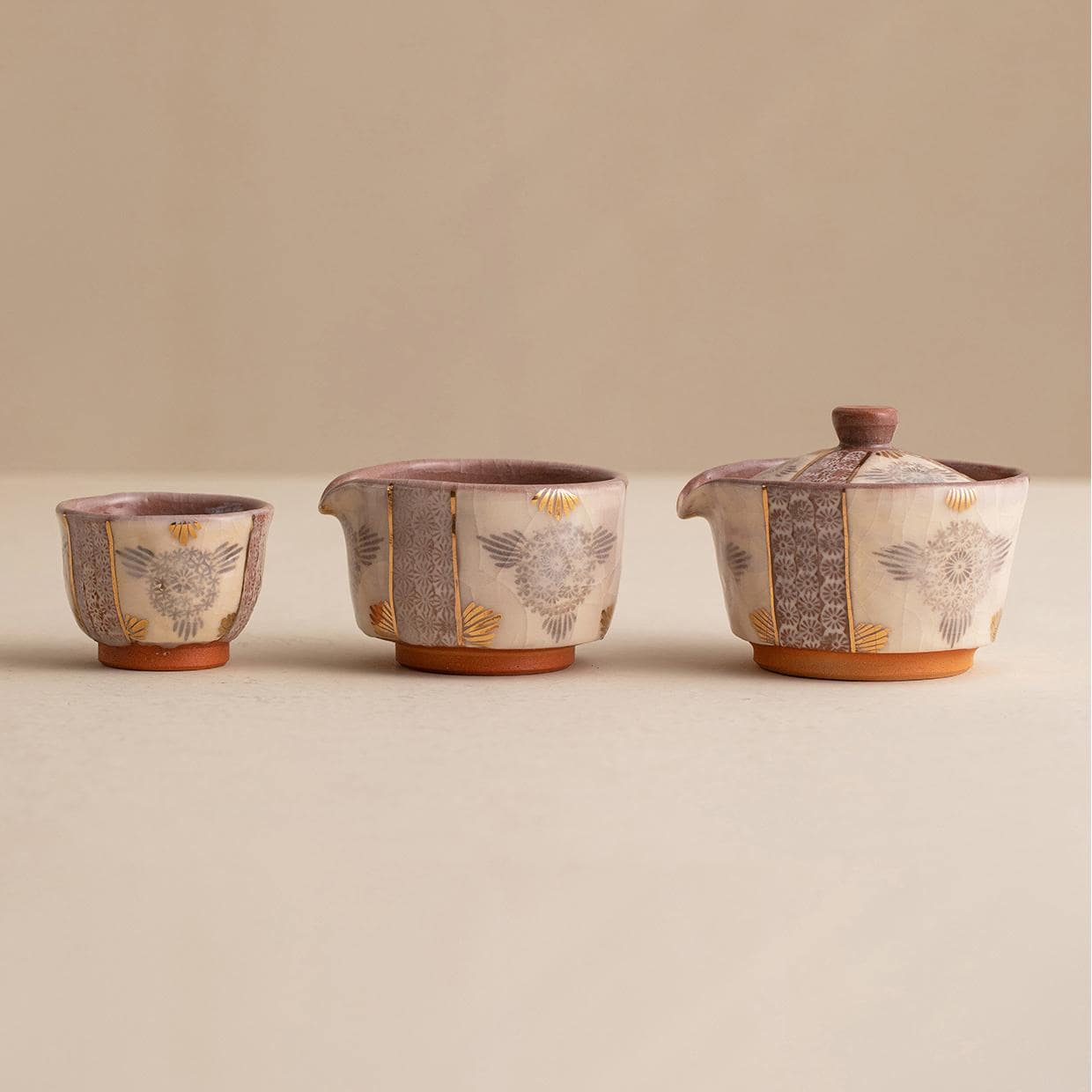
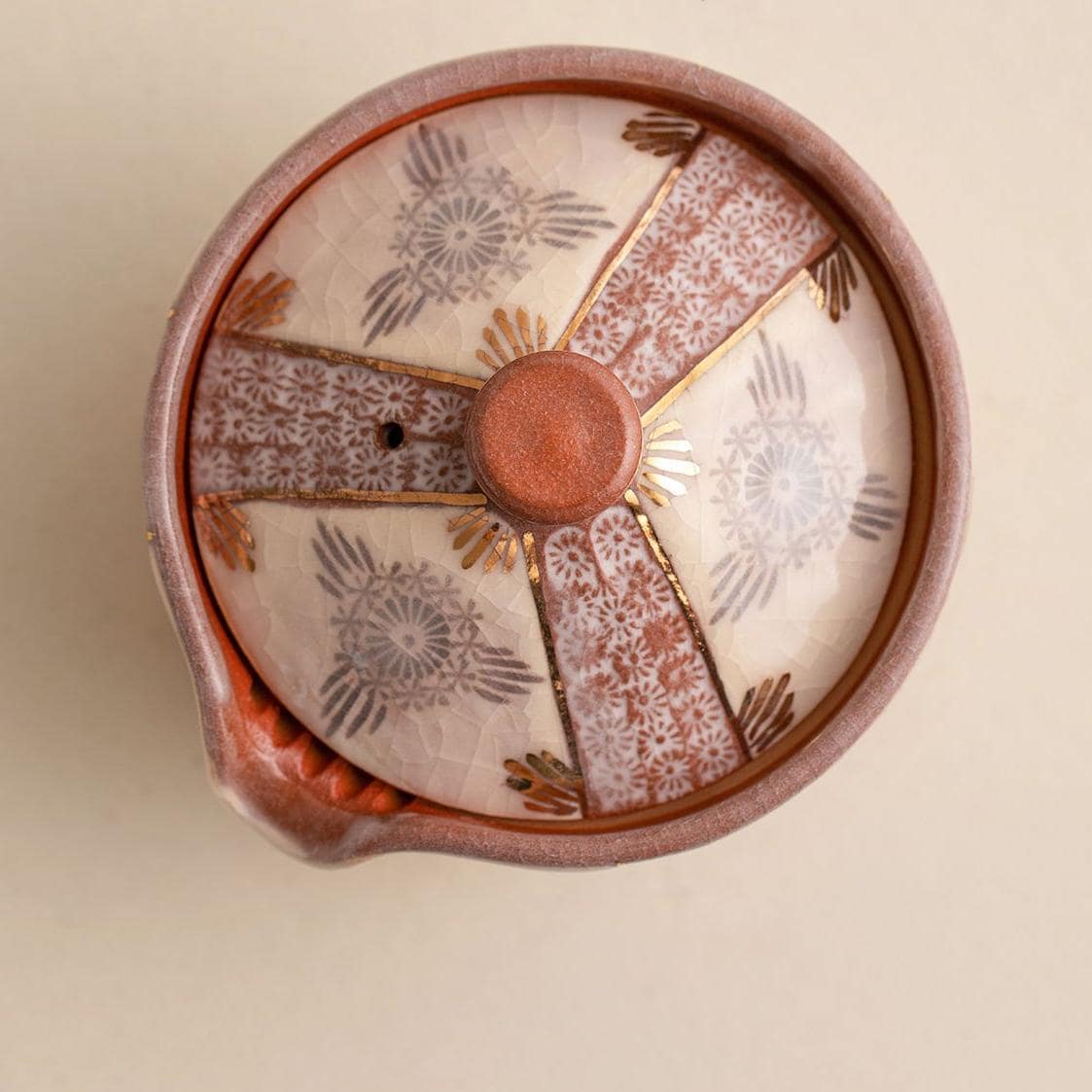
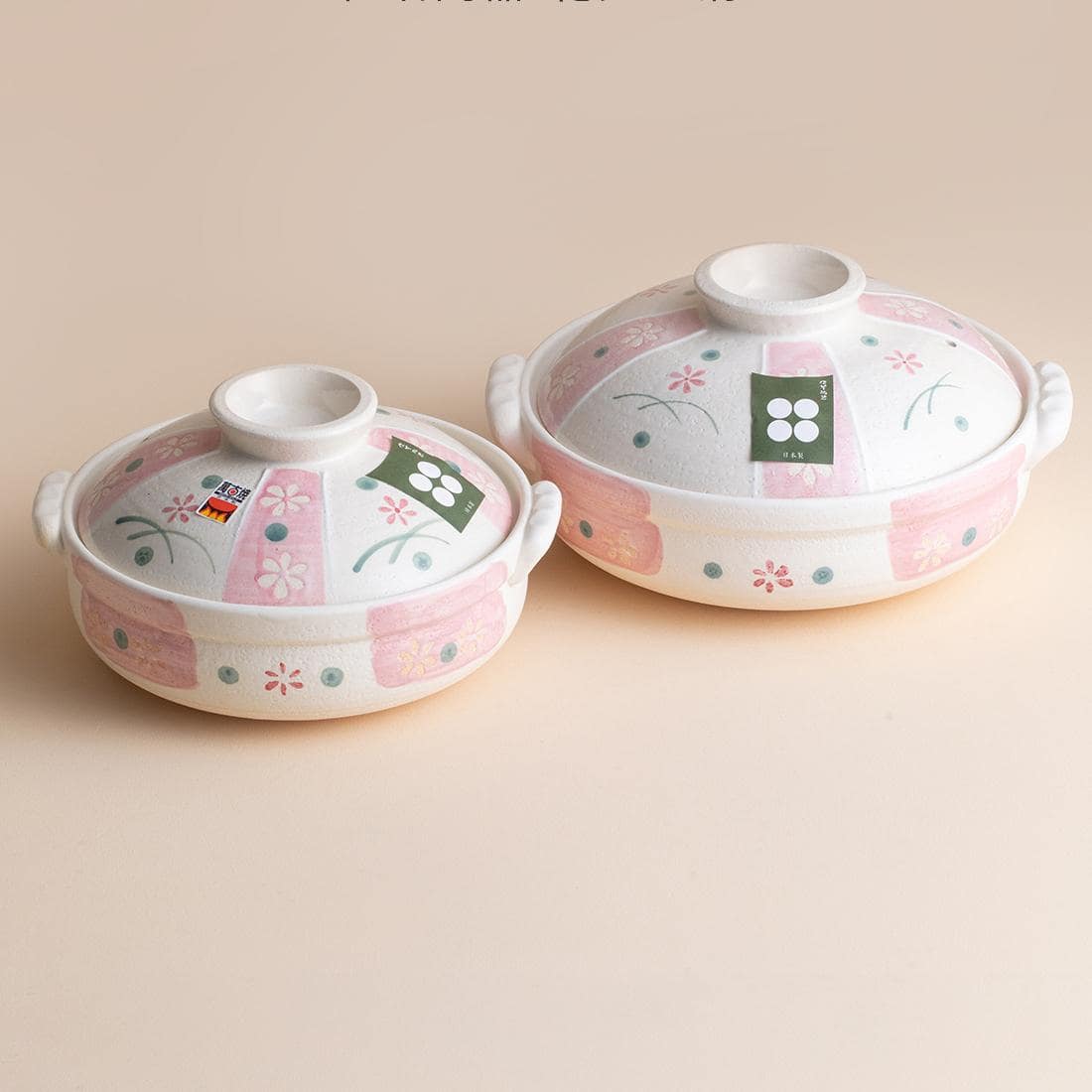
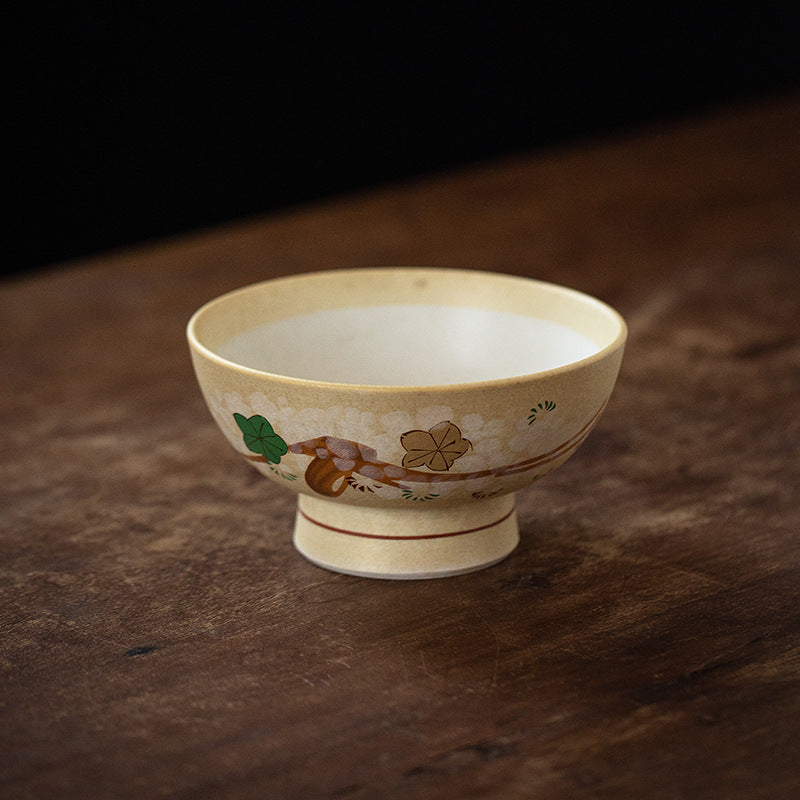
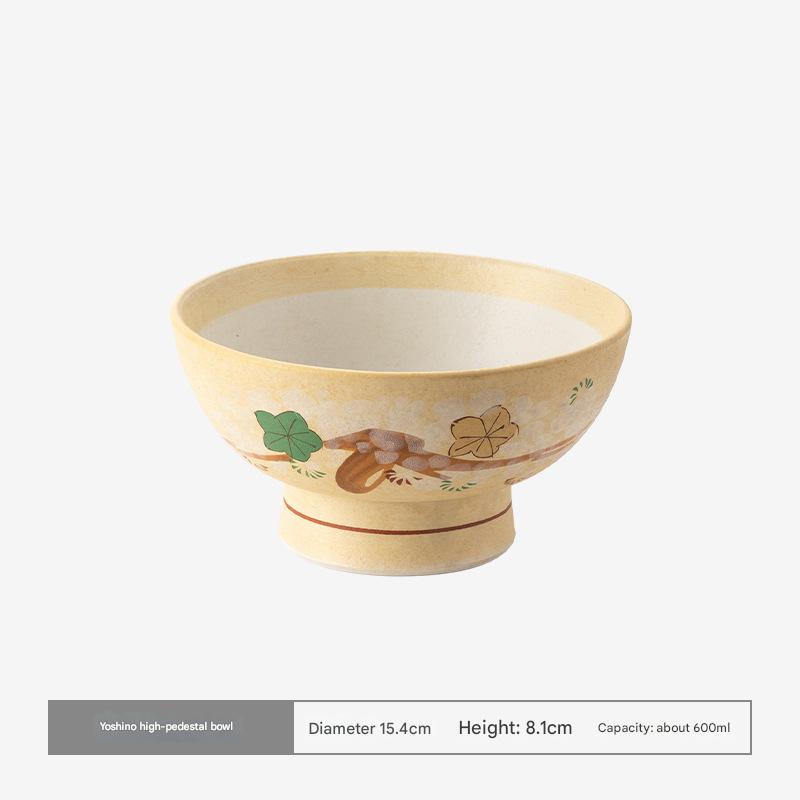
Japanese ceramics encompass a vast spectrum, from rustic, unglazed pottery (yakimono) with its wabi-sabi aesthetic to refined, translucent porcelain (jiki). Each type has unique characteristics that influence its care. For most glazed ceramics, including beautiful Kyo-yaki or Mino-yaki pieces, handwashing with warm water and a mild, non-abrasive dish soap is ideal. Use a soft sponge or cloth to gently clean the surface. Rinse thoroughly to remove all soap residue, as dried soap can leave unsightly streaks or a dull film. For unglazed or partially glazed ceramics, which are often more porous, special attention is needed. These pieces can absorb oils and colors from food, potentially leading to staining. To mitigate this, some artisans recommend a pre-use conditioning: soak the ceramic in warm water for 10-15 minutes before its first use, and sometimes before each subsequent use, especially for serving liquid-heavy foods. This helps to fill the pores and reduce absorption. Always ensure ceramics are completely dry before storing them to prevent mold or mildew, particularly in unglazed areas. Air drying on a rack or using a soft, lint-free towel is best. While some modern, factory-made Japanese ceramics might be labeled "dishwasher safe" or "microwave safe," for handmade artisan ceramics, it's always safest to assume they are not. The high heat of a dishwasher can cause glazes to crack (crazing) or fade, and microwaves can cause uneven heating or damage to metallic glazes, if present. Always check with the maker or seller if you are unsure, but err on the side of caution for your precious handmade Japanese ceramics.
Nurturing the Luster of Japanese Lacquerware (Urushi)
Japanese lacquerware, known as urushi, is revered for its deep, lustrous finish and incredible durability when properly cared for. However, it is also a delicate material that requires specific attention. The primary enemies of lacquerware are extreme temperatures, direct sunlight, and abrasive materials. Never expose lacquerware to boiling water, place it in a microwave or dishwasher, or leave it in direct sunlight for extended periods, as this can cause the lacquer to crack, fade, or warp. When washing, use lukewarm water and a very mild, non-abrasive soap. Gently wipe the surface with a soft cloth or sponge. Avoid soaking lacquerware for long durations. After washing, immediately dry the piece with a soft, lint-free cloth. Do not let it air dry, as water spots can dull the finish. For stubborn food residues, a soft cloth dampened with a tiny amount of olive oil can sometimes help to gently loosen it, followed by a quick wash and dry. To maintain the beautiful sheen, some enthusiasts lightly buff their lacquerware with a soft, dry cloth after each use. Store lacquerware away from direct sunlight and extreme temperatures, ideally in a cabinet or box. With proper care, your Japanese lacquerware will maintain its exquisite beauty and shine for decades, even centuries.
Maintaining the Brilliance of Japanese Glassware: Edo Kiriko & Beyond
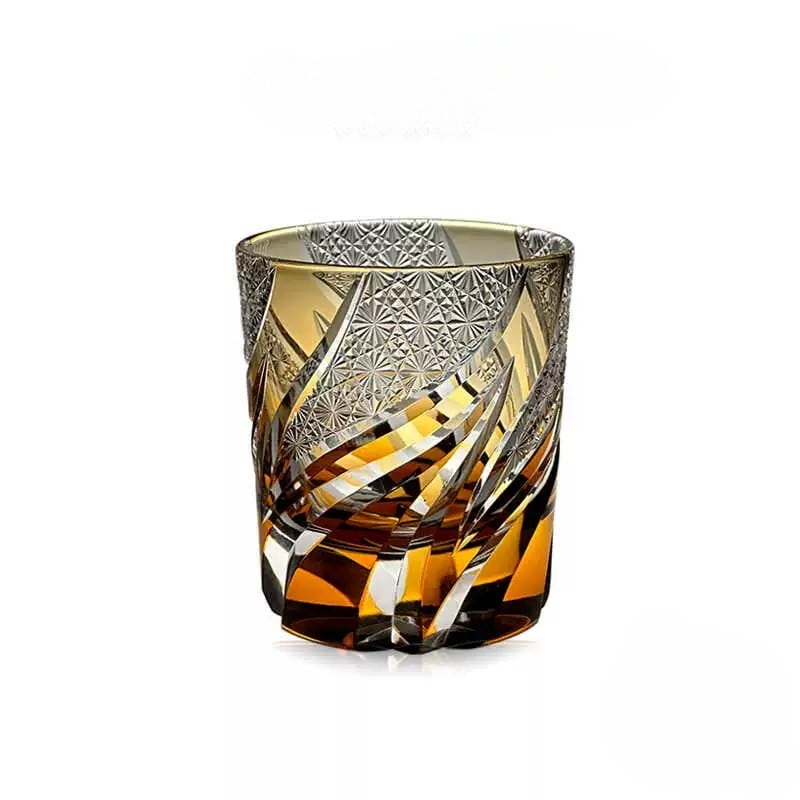
Japanese glassware, particularly the stunning Edo Kiriko with its intricate cut patterns, demands careful attention to preserve its clarity and sparkle. The primary rule for all fine glassware is handwashing only. Dishwashers can cause etching, clouding, and chipping, and the high temperatures are detrimental. Use lukewarm water and a very mild, non-abrasive dish soap. For delicate items like Edo Kiriko, a soft sponge or cloth is essential to avoid scratching the surface or the delicate cuts. Pay particular attention to the crevices of cut patterns, using a soft brush (like a clean, soft-bristled toothbrush) if necessary, but always with extreme gentleness. Rinse thoroughly under cool, running water. The most crucial step in maintaining the brilliance of Japanese glassware is drying immediately and thoroughly to prevent water spots and streaks. Use a soft, lint-free cloth specifically designated for glassware. Microfiber cloths are excellent for this purpose, as they absorb water efficiently without leaving fibers behind. Hold the glass by the base or stem to avoid leaving fingerprints on the bowl. Avoid twisting the base and bowl in opposite directions, as this can weaken or break the stem. For storage, ensure glasses are placed upright, not inverted, to allow air circulation and prevent moisture buildup. Avoid stacking delicate glassware unless specifically designed for it, as this can lead to chips and stress fractures. Your exquisite Edo Kiriko glassware, with its captivating play of light, will reward your careful attention with enduring sparkle.
Smart Storage Solutions for Your Cherished Collections
Proper storage is just as crucial as proper cleaning when it comes to preserving the life and beauty of your Japanese tableware. Haphazard storage is a common cause of chips, cracks, and scratches. For ceramics, avoid stacking bowls and plates directly on top of each other without protection. Use felt pads, linen cloths, or paper towels between each piece to prevent friction and chipping. If you have a display cabinet, ensure there's enough space between items to prevent accidental knocks. For lacquerware, store pieces in a stable environment away from direct sunlight, extreme heat, or cold. Original boxes or soft cloth pouches are ideal for protecting individual items from dust and scratches. Glassware, especially delicate stemware or intricate Edo Kiriko, should always be stored upright in a cabinet or on a sturdy shelf where it won't be easily bumped or knocked over. Consider using dedicated glassware racks or cabinets with soft lining. Ensure all items are stored in a clean, dust-free environment. For long-term storage, wrapping individual pieces in acid-free tissue paper or soft cloth can provide an extra layer of protection against dust and minor impacts. Think of your storage space as a sanctuary for your artisan pieces, designed to keep them safe and ready for their next moment of use.
Common Pitfalls to Avoid in Tableware Care
While we've covered many "dos," it's equally important to be aware of the "don'ts" that can inadvertently damage your precious Japanese tableware. The most significant pitfall to avoid is the dishwasher. As reiterated, the high temperatures, strong detergents, and aggressive water jets are simply too harsh for most handmade ceramics, lacquerware, and fine glassware. Another common mistake is using the microwave for ceramics. Glazes can react unpredictably, and thermal shock can occur, leading to cracks. Never use abrasive sponges, steel wool, or harsh scrubbing brushes on any of these items; they will scratch and dull surfaces. Avoid leaving items to soak for extended periods, particularly lacquerware and porous ceramics, as this can lead to water damage, warping, or absorption of odors. Do not use bleach or strong chemical cleaners, even for stubborn stains; they can strip finishes and cause discoloration. Lastly, resist the urge to force stuck items apart, such as stacked bowls that have become wedged. Instead, try running warm water over the outer bowl and cold water into the inner bowl to create a gentle expansion and contraction that may loosen them safely. By being mindful of these common pitfalls, you can significantly extend the life and beauty of your treasured collection.
Beyond Cleaning: The Philosophy of Longevity and Enjoyment
Caring for your handmade Japanese ceramics, lacquerware, and glassware is more than just a chore; it's an act of appreciation. It's about recognizing the skill of the artisan, the history embedded in each design, and the cultural significance these items carry. Proper product care ensures that these pieces not only retain their aesthetic appeal but also their functionality, allowing you to fully enjoy them as intended. Each time you gently wash a ceramic teacup, carefully dry a piece of Edo Kiriko, or lovingly buff a lacquer tray, you are engaging in a mindful ritual that connects you to the item's journey from creation to your home. These aren't just objects; they are tools for enhancing daily life, facilitating moments of beauty, reflection, and connection. By investing a little time and effort into their care, you are not just preserving a material possession, but also nurturing a piece of art and a tradition. Your diligent efforts will ensure that your exquisite Japanese tableware continues to serve its purpose beautifully, enriching your home and table for many years to come, perhaps even becoming cherished heirlooms passed down through your family.
Ready to discover more exquisite pieces that will bring beauty and tradition to your home? Explore our full range of authentic Japanese tableware, artisan ceramics, sake sets, chopsticks, Edo Kiriko glassware, and tea ware. Browse our entire collection at Sakitime today and find your next cherished treasure.
Related Posts

How to Care for Handmade Japanese Ceramics, Lacquerware, and Glassware

How to Care for Handmade Japanese Ceramics, Lacquerware, and Glassware

How to Care for Handmade Japanese Ceramics, Lacquerware, and Glassware

The History of Chopsticks

The Story of Urushi

How to Care for Handmade Japanese Ceramics, Lacquerware, and Glassware