
How to Care for Handmade Japanese Ceramics, Lacquerware, and Glassware
The Art of Preservation: General Principles for All Japanese Tableware
The exquisite beauty of handmade Japanese ceramics, lacquerware, and glassware lies not only in their intricate designs and masterful craftsmanship but also in the stories they tell and the traditions they embody. Each piece from Sakitime is a testament to centuries of artistry, designed to bring elegance and mindfulness to your everyday rituals, whether it's a quiet tea ceremony or a lively sake tasting. To ensure these treasured items remain vibrant and functional for generations, proper care is paramount. While each material has its unique considerations, a few universal principles apply to all authentic Japanese tableware, setting the foundation for their longevity and preserving their inherent charm. Firstly, handwashing is almost always the preferred method. The delicate nature of handmade items, especially those with intricate glazes, hand-painted details, or delicate finishes, simply cannot withstand the harsh detergents, high temperatures, and forceful jets of a dishwasher. Secondly, always opt for a mild, pH-neutral dish soap and a soft sponge or cloth. Abrasive scrubbers, steel wool, or harsh chemical cleaners can scratch surfaces, dull finishes, or even strip away protective layers. Thirdly, avoid extreme temperature changes; sudden shifts from hot to cold or vice versa can cause thermal shock, leading to cracks, especially in ceramics and glass. Finally, ensure your items are thoroughly dried immediately after washing to prevent water spots, mineral buildup, or moisture retention, which can be particularly damaging to certain materials like unglazed ceramics or lacquerware. By embracing these fundamental practices, you're not just cleaning an object; you're participating in the ongoing care of a piece of art.Nurturing Your Japanese Ceramics: Pottery and Porcelain
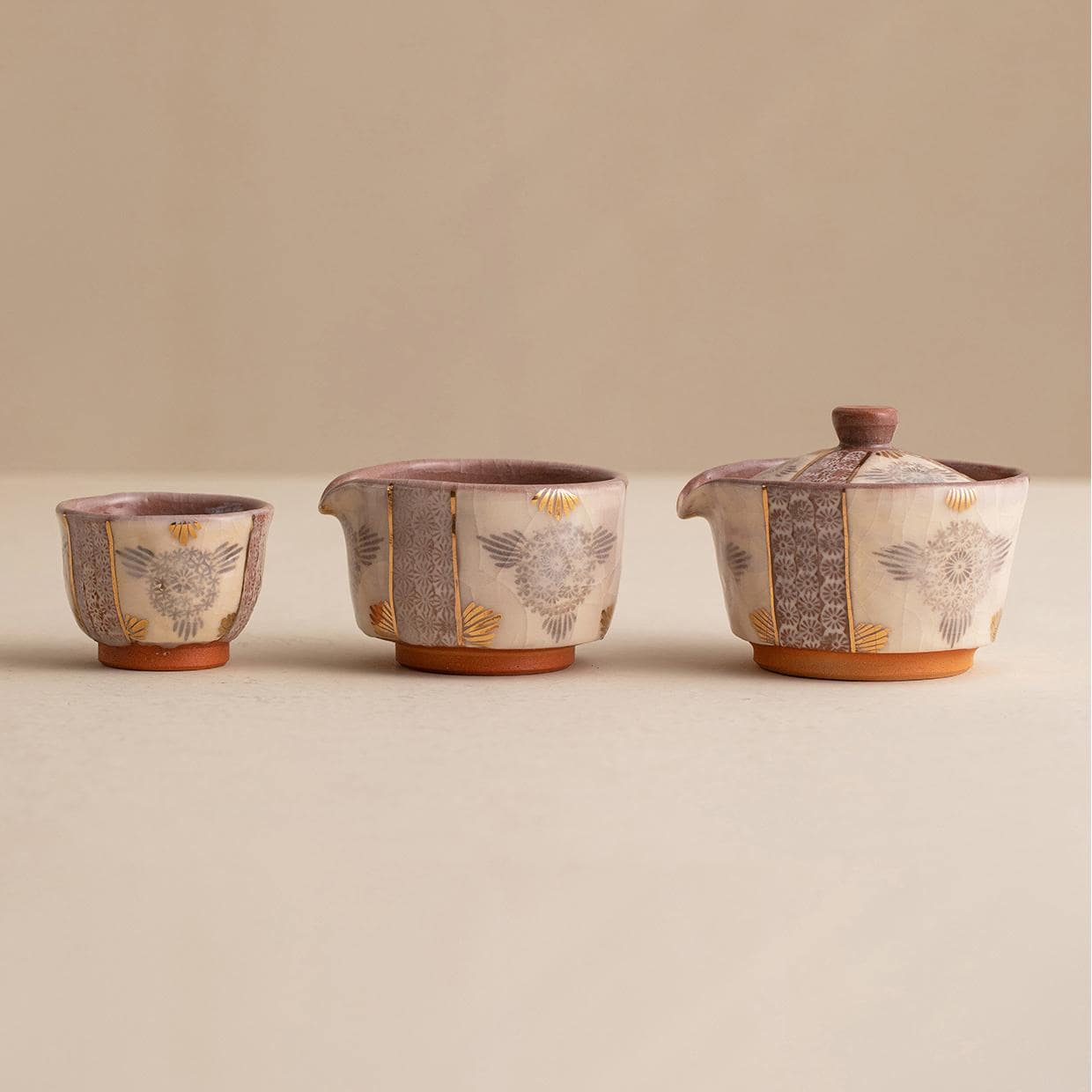
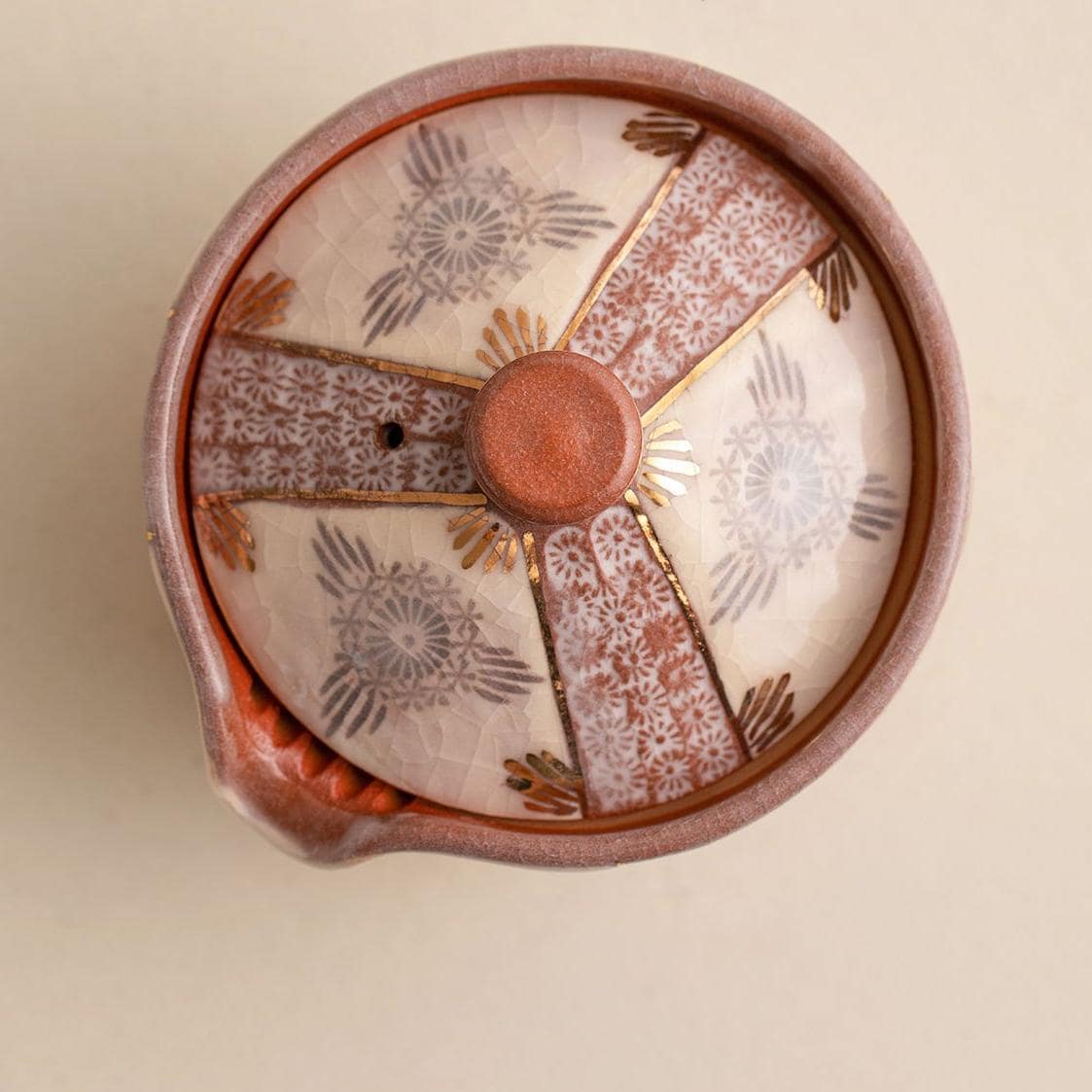
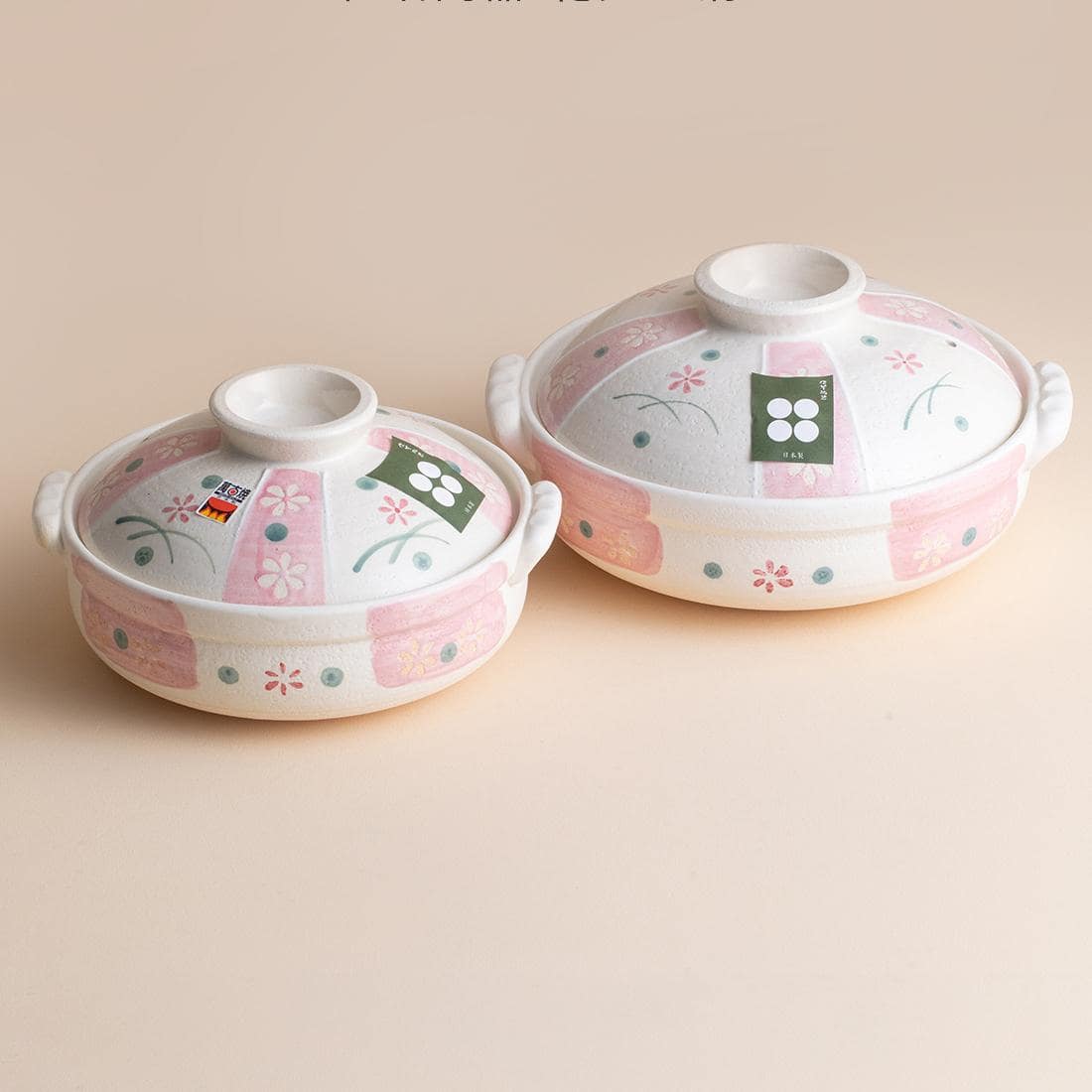
Japanese ceramics encompass a vast and diverse world, from the rustic charm of unglazed pottery to the refined elegance of translucent porcelain. Each type, whether it's a robust Mino-yaki bowl or a delicate Arita-yaki plate, demands a nuanced approach to care to maintain its unique character. Washing Japanese Ceramics: For most glazed ceramics, use warm water and a small amount of mild dish soap. Gently wipe the surface with a soft sponge or cloth. For pieces with delicate gold or silver accents, be extra gentle, as these can wear off with vigorous scrubbing. Avoid soaking ceramics for extended periods, as water can seep into unglazed parts or fine cracks, leading to discoloration or weakening over time. Special Considerations for Unglazed Ceramics: Some traditional Japanese pottery, like certain Bizen-yaki or Raku ware, may be unglazed or partially unglazed. These pieces are often more porous and can absorb oils and colors from food, developing a unique patina over time. If you prefer to minimize staining, some unglazed ceramics benefit from a "seasoning" process before first use: soak them in water for a few hours, then gently dry. When washing, use only warm water and a very soft cloth, avoiding soap if possible, as it can be absorbed and affect flavors or appearance. Dry these pieces thoroughly to prevent mildew or musty odors. Drying and Storage: After washing, air dry your ceramics on a soft cloth or hand dry immediately with a lint-free towel to prevent water spots. When storing, stack plates and bowls with soft separators like felt, linen, or thin foam sheets to prevent chipping and scratching. Ensure they are stored in a stable environment, away from extreme temperature fluctuations or direct sunlight, which can fade delicate designs. Explore our exquisite range of Japanese ceramics to appreciate the variety of finishes and forms that require this mindful care.Preserving the Luster of Japanese Lacquerware (Urushi)
Japanese lacquerware, known as Urushi, represents a pinnacle of natural artistry. Made from the sap of the lacquer tree and meticulously applied in multiple layers, these pieces – from elegant bowls to intricate bento boxes – boast a deep, radiant luster and a surprisingly durable finish. However, their unique composition requires specific care to maintain their beauty and integrity. Washing Japanese Lacquerware: Always wash lacquerware by hand using lukewarm water and a very mild, non-abrasive dish soap. Use a soft sponge or cloth to gently wipe the surfaces. Never use abrasive scrubbers, steel wool, or harsh detergents, as these can scratch the delicate lacquer surface or dull its sheen. Avoid soaking lacquerware for prolonged periods, as excessive moisture can eventually compromise the natural lacquer layers. Drying and Storage: After washing, rinse thoroughly with clean water and immediately dry the piece with a soft, lint-free cloth. Air drying is acceptable, but ensure there's no residual moisture, especially in crevices. Store lacquerware away from direct sunlight, which can cause the lacquer to fade or crack over time. Extreme temperatures, both hot and cold, should also be avoided, as they can cause the material to expand and contract, leading to damage. When stacking, always place a soft cloth or paper towel between items to prevent scratching. Avoid storing lacquerware with sharp objects that could nick or damage the surface. With proper care, your Wajima-nuri or Yamanaka-nuri pieces will retain their exquisite depth and shine for many years.Sparkling Care for Japanese Glassware (Edo Kiriko & Beyond)
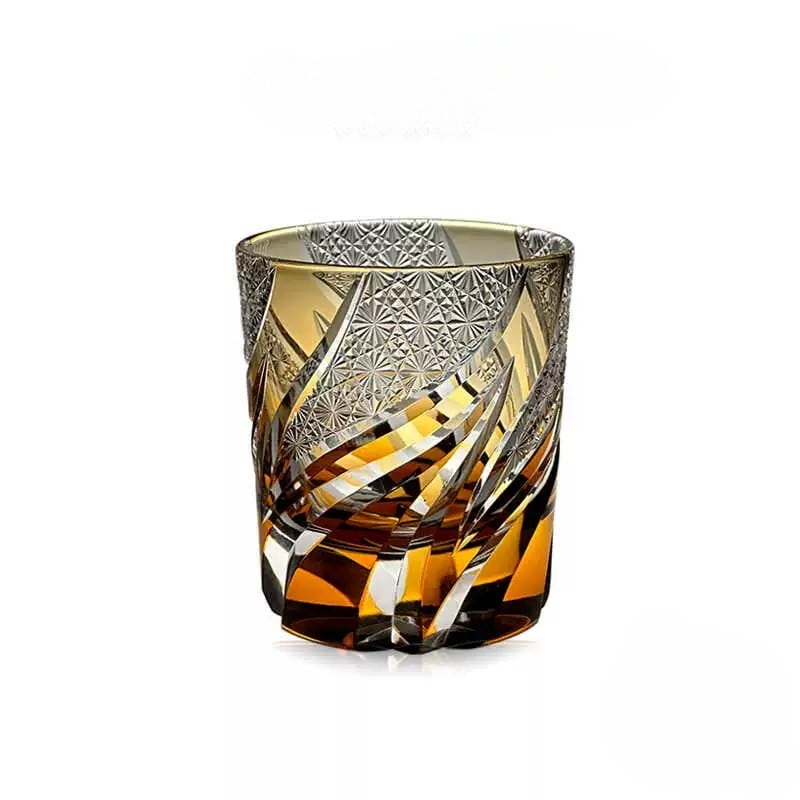
Japanese glassware, particularly the stunning Edo Kiriko cut glass, is renowned for its clarity, brilliance, and intricate patterns. These pieces, whether sake cups, whisky tumblers, or delicate tea glasses, transform light into dazzling displays. To preserve their sparkle and prevent damage, careful handling is essential. Washing Japanese Glassware: Handwashing is crucial for all Japanese glassware, and especially for Edo Kiriko. Use warm water and a mild dish soap. Gently clean the glass with a soft sponge or cloth. For Edo Kiriko, pay special attention to the cut grooves, using a soft brush (like a very soft toothbrush) if necessary to remove any residue, but always with extreme gentleness to avoid scratching the polished surfaces. Drying and Polishing: The key to maintaining the brilliance of glassware, particularly Edo Kiriko, is immediate and thorough drying. After rinsing, dry and polish the glass with a clean, lint-free microfiber cloth. This prevents water spots and streaks, which are particularly noticeable on clear or finely cut glass. Air drying is generally not recommended for polished glassware, as it almost always leaves water marks. What to Avoid: Never put Japanese glassware in a dishwasher. The high temperatures, harsh detergents, and forceful water jets can dull the glass, scratch the surface, or, in the case of Edo Kiriko, damage the delicate cut patterns. Avoid sudden temperature changes, such as pouring very hot liquid into a cold glass, as this can cause the glass to crack or shatter. Do not use abrasive cleaners or scrubbers. Store glassware upright, ideally in a cabinet where it won't be easily knocked over. Avoid stacking glassware without ample protection, as this can lead to chips or cracks, particularly around the rims.Smart Storage Solutions for Long-Term Preservation
Proper storage is just as vital as careful cleaning in preserving the beauty and integrity of your handmade Japanese ceramics, lacquerware, and glassware. Thoughtful storage protects your items from accidental damage, dust, and environmental stressors, ensuring they remain in pristine condition for years to come. Dedicated Space and Protection: Allocate a dedicated space in your cupboards or display cabinets for your precious tableware. Avoid overcrowding, as this increases the risk of items bumping into each other and causing chips or scratches. For ceramics and lacquerware, use soft interlining materials such as felt pads, linen cloths, or thin foam sheets between stacked items. This prevents direct contact between surfaces and cushions against minor impacts. For glassware, especially delicate pieces like Edo Kiriko, store them upright and individually, if possible, to prevent chipping of rims or bases. If stacking is unavoidable for certain stable glass items, ensure there's a soft, protective layer between each piece. Environmental Control: Store all your Japanese tableware away from direct sunlight, which can cause colors to fade in ceramics and lacquerware, and can also contribute to thermal stress in glass. Avoid areas with extreme temperature fluctuations or high humidity, such as near ovens, radiators, or in damp basements. Consistent, moderate temperatures are ideal. High humidity can encourage mold growth on porous ceramics and can be detrimental to the longevity of lacquerware. For items not in regular use, consider storing them in breathable fabric bags or acid-free tissue paper within boxes to protect them from dust and light, creating an ideal environment for long-term preservation.Common Pitfalls to Avoid with Your Precious Tableware
While the desire to enjoy your beautiful Japanese tableware often comes with the best intentions, certain common practices can inadvertently lead to damage or diminish their lifespan. Understanding and actively avoiding these pitfalls is a crucial step in ensuring your items remain cherished pieces for years to come. * The Dishwasher Trap: This is arguably the biggest culprit for damaging handmade tableware. The intense heat, harsh detergents, and forceful water pressure are simply too aggressive for delicate glazes, intricate hand-painted designs, natural lacquer coatings, and fine glassware. Always default to handwashing. * Microwave Misuse: Many handmade ceramics, especially those with metallic glazes or traditional firing methods, are not microwave-safe. The presence of metal (even trace amounts in glazes) can cause arcing and damage both the item and your microwave. Lacquerware should never go into a microwave, as the heat can cause it to warp, crack, or bubble. Glassware can also be susceptible to thermal shock. * Abrasive Cleaners and Tools: Steel wool, scouring pads, harsh chemical sprays, and highly abrasive detergents can scratch delicate surfaces, strip away protective layers, and dull the natural luster of your pieces. Stick to mild dish soap and soft sponges or cloths. * Sudden Temperature Changes (Thermal Shock): Exposing ceramics or glassware to abrupt shifts from hot to cold (e.g., pouring boiling water into a cold cup, or placing a hot dish into cold water) can cause thermal shock, leading to cracks or even shattering. Allow items to adjust to room temperature gradually. * Prolonged Soaking: While a short soak might help loosen stubborn food, extended soaking can be detrimental, especially for unglazed ceramics (which can absorb water and odors) and lacquerware (which can delaminate). Always wash promptly. * Improper Stacking: Stacking items without protective barriers (like felt or cloth) is a common cause of chips, scratches, and broken handles, particularly for ceramics and glassware. Invest in simple soft separators. * Ignoring Minor Damage: A small chip or crack might seem insignificant, but it can weaken the piece and potentially worsen over time, especially with continued use and washing. Address damage promptly or retire the item from active use if safety is a concern. By being mindful of these common mistakes, you can significantly extend the life and beauty of your authentic Japanese tableware, allowing you to enjoy their artistry and functionality for many years.Embrace the Beauty, Cherish the Craft
Caring for your handmade Japanese ceramics, lacquerware, and glassware is more than just a chore; it's an extension of the appreciation you hold for their artistry and heritage. Each piece from Sakitime is a unique creation, imbued with the spirit of skilled artisans who have dedicated their lives to mastering traditional techniques. By following these practical care guidelines, you are not only preserving the physical integrity of your tableware but also honoring the cultural legacy they represent. These items are designed to be used, to enhance your dining experiences, and to bring a touch of Japanese elegance into your home. With a little mindfulness and gentle handling, they will continue to serve you beautifully, becoming cherished heirlooms that tell their own stories for generations to come. Discover more exquisite pieces that will enrich your home and dining experience by browsing Sakitime's full collection of authentic Japanese tableware today.
Previous post
Bamboo vs. Metal Chopsticks: Choosing the Right Material for Your Needs
Next post
The Story of Urushi
Related Posts

The Story of Urushi
Whether you're a seasoned collector or new to Japanese tableware and crafts, this comprehensive guide will help you navigate the world of authentic Japanese...
Sep 15 2026

Bamboo vs. Metal Chopsticks: Choosing the Right Material for Your Needs
When it comes to Japanese chopsticks, the choices can feel overwhelming. This guide breaks down the key differences to help you make an informed...
Sep 08 2026

Discover the World of Wooden Chopsticks: What’s the Difference Between the Woods?
Discover the World of Wooden Chopsticks — What’s the Difference Between the Woods? is a window into Japan's extraordinary relationship with craft, beauty, and...
Sep 01 2026

Care Tips: Make Your Japanese Chopsticks Last a Lifetime
Whether you're a seasoned collector or new to Japanese chopsticks, this comprehensive guide will help you navigate the world of authentic Japanese craftsmanship —...
Aug 25 2026

Japanese Tea Ware Essentials: Teapots, Yunomi, and Matcha Bowls
Discovering the Art of Japanese Tea Culture Through Essential Ware The world of Japanese tea is a realm of profound beauty, meticulous ritual, and...
Aug 24 2026

Best Chopsticks for Sushi: How to Choose & Use Them
Whether you're a seasoned collector or new to Japanese chopsticks, this comprehensive guide will help you navigate the world of authentic Japanese craftsmanship —...
Aug 18 2026

How to Care for Handmade Japanese Ceramics, Lacquerware, and Glassware
The allure of authentic Japanese tableware lies not only in its exquisite beauty and masterful craftsmanship but also in the stories it tells and...
Aug 17 2026