
How to Care for Handmade Japanese Ceramics, Lacquerware, and Glassware
Embracing the Art of Longevity: Why Proper Care Matters
The allure of authentic Japanese tableware lies not just in its exquisite beauty, but in the stories it tells, the traditions it embodies, and the artisan's spirit woven into every curve and glaze. At Sakitime, we believe that bringing these pieces into your home is an invitation to a richer dining experience, a connection to a culture renowned for its dedication to craftsmanship. From the earthy warmth of handmade Japanese ceramics to the lustrous depth of lacquerware and the sparkling precision of Edo Kiriko glassware, each item is a testament to centuries of skill and artistic vision. However, unlike mass-produced items, these treasures require a gentle touch and specific care to maintain their integrity, beauty, and longevity. This guide provides comprehensive product care advice, ensuring your cherished pieces remain vibrant heirlooms for generations to come.
Proper care isn't just about preventing damage; it's about honoring the artisan, preserving the material's unique qualities, and ensuring that every meal served on your beautiful tableware is as special as the first. By understanding the nuances of how to care for handmade Japanese ceramics, lacquerware, and glassware, you transform routine cleaning into an act of appreciation, safeguarding the investment you've made in truly exceptional items.
Universal Tableware Tips: General Principles for All Japanese Treasures
While each material has its specific needs, a few overarching principles apply to most handmade Japanese tableware. Adhering to these general product care guidelines will provide a strong foundation for preserving your collection, regardless of its composition.
- Embrace Handwashing: This is perhaps the most crucial rule. Dishwashers, with their high temperatures, harsh detergents, and vigorous cycles, are the archenemy of delicate, handmade items. The intense heat can crack glazes, warp lacquer, and dull the brilliance of glass. Always opt for handwashing using lukewarm water and a mild, non-abrasive dish soap.
- Avoid Extreme Temperature Changes: Sudden shifts from hot to cold (or vice versa) can stress materials, leading to thermal shock. This is particularly damaging to ceramics, which can crack or craze, and to glassware, which can shatter. Allow items to cool down naturally after use before washing, and avoid placing hot items directly into cold water or vice-versa.
- Use Soft Materials: When washing, always use a soft sponge or cloth. Abrasive scrubbers, steel wool, or harsh brushes can scratch delicate surfaces, especially glazes, lacquer, and etched glass.
- Gentle Detergents Only: Choose a mild, pH-neutral dish soap. Avoid powerful degreasers, bleach, or any cleaning agents containing harsh chemicals, as these can strip finishes, dull colors, or even erode materials over time.
- No Microwaves or Ovens (Generally): Most handmade Japanese tableware is not designed for microwave or oven use. Metals in glazes (common in some ceramics) can spark in a microwave, and extreme heat can damage finishes or compromise the structural integrity of the item. When in doubt, assume it's not microwave or oven safe.
Caring for Handmade Japanese Ceramics: Pottery and Porcelain
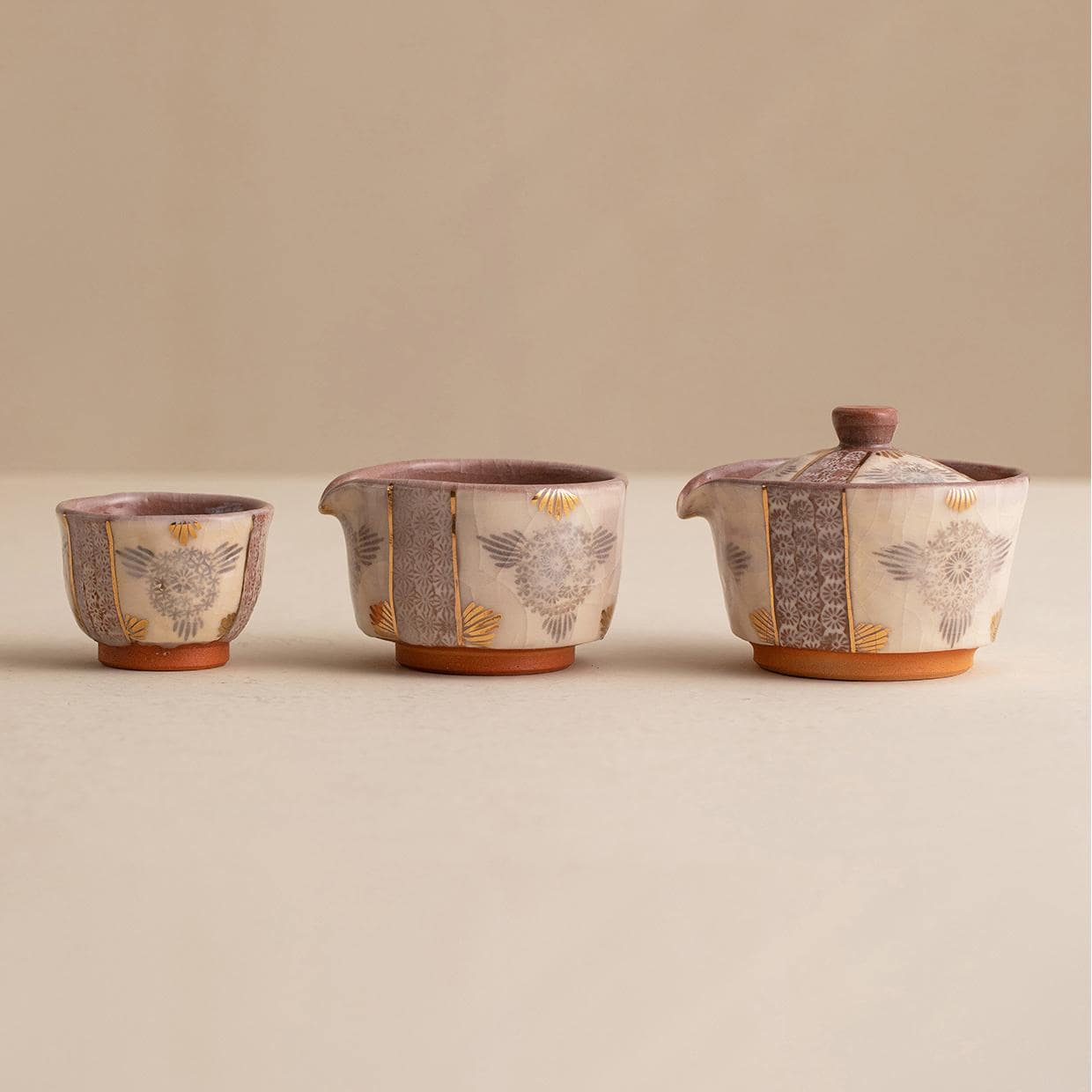
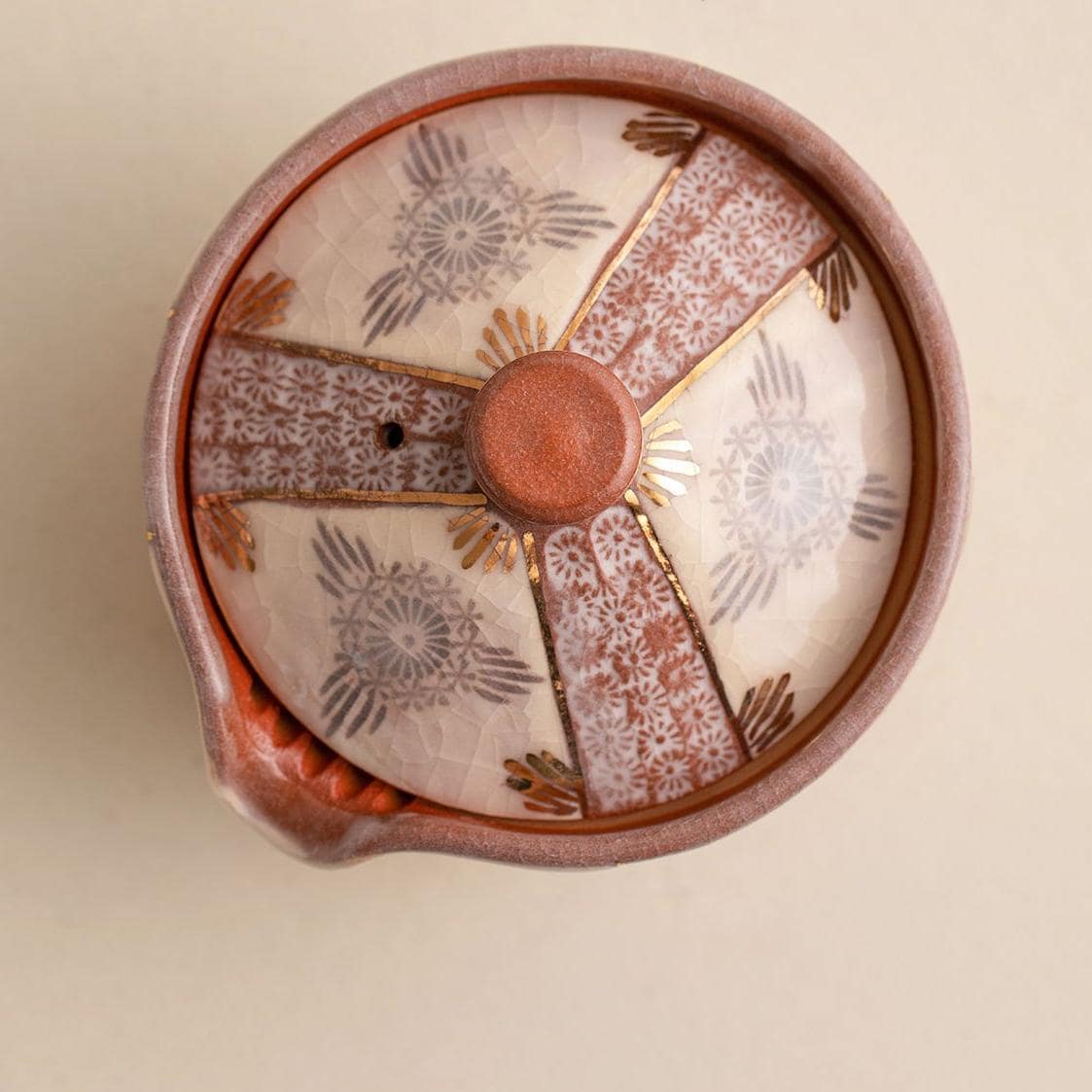
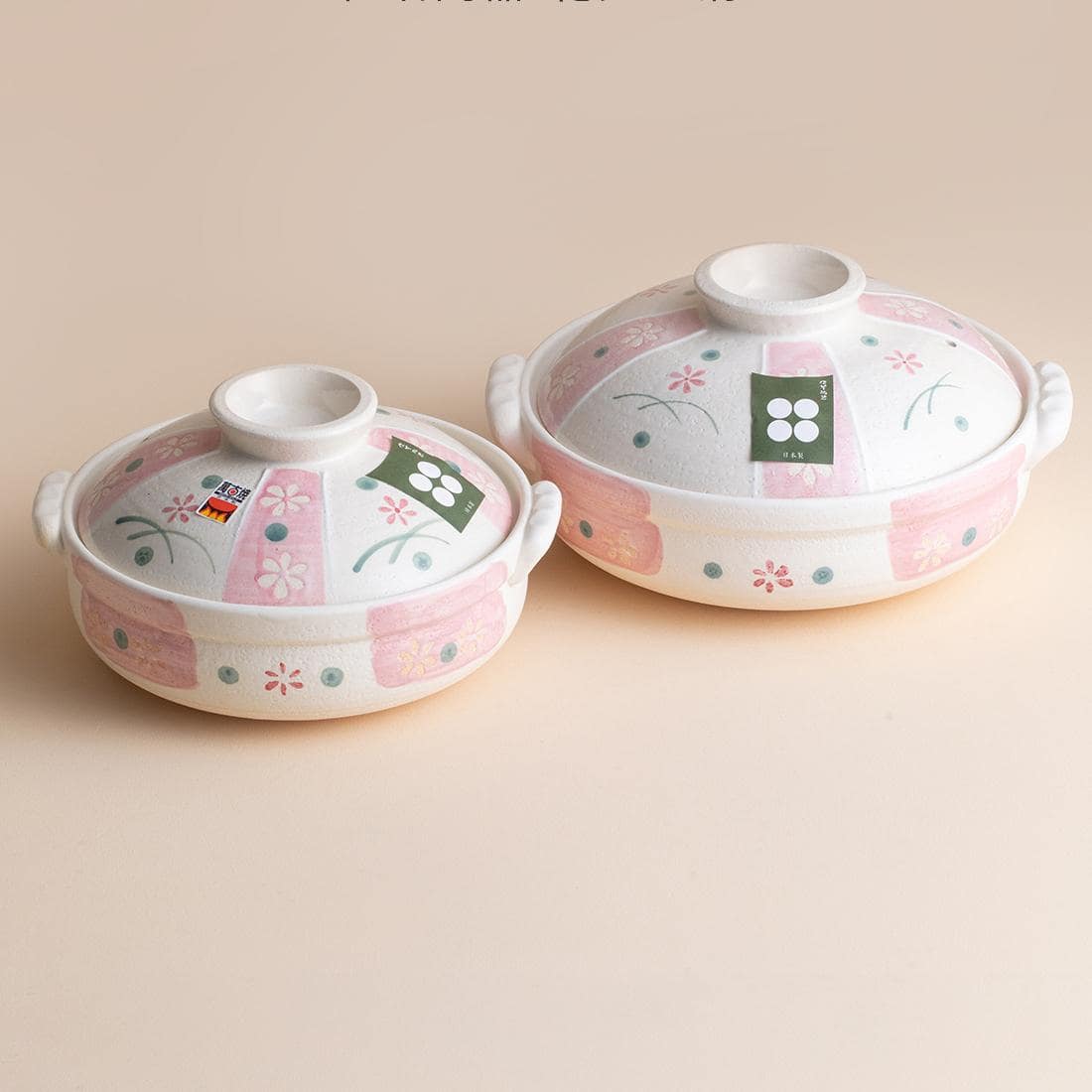
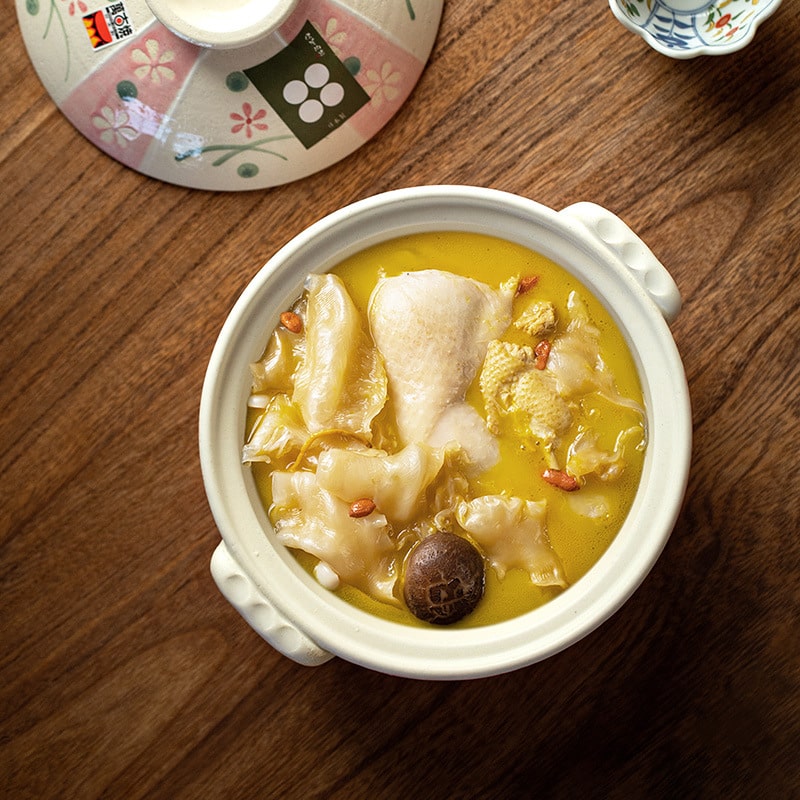
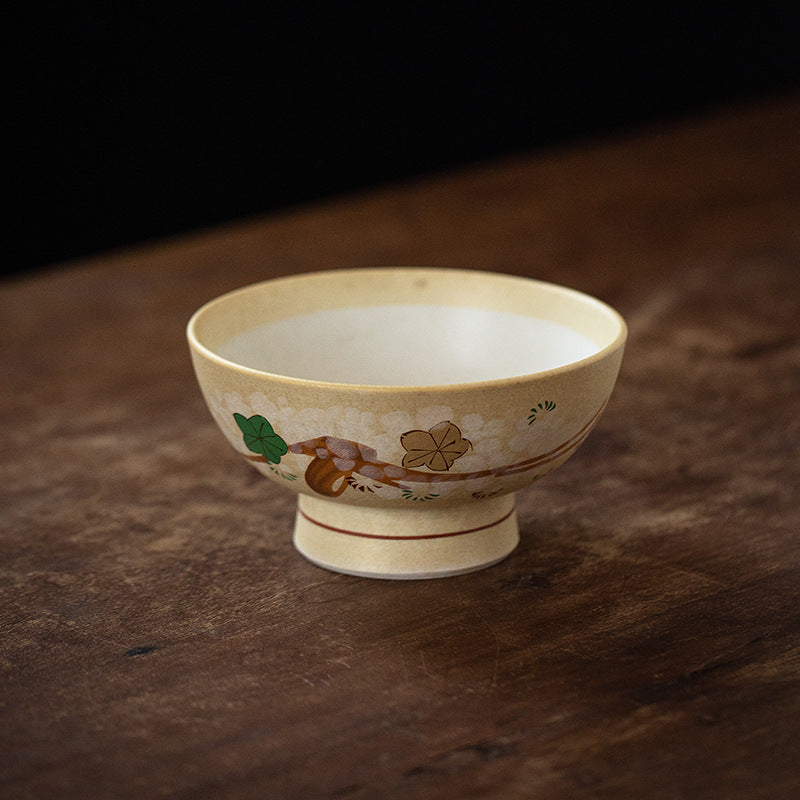
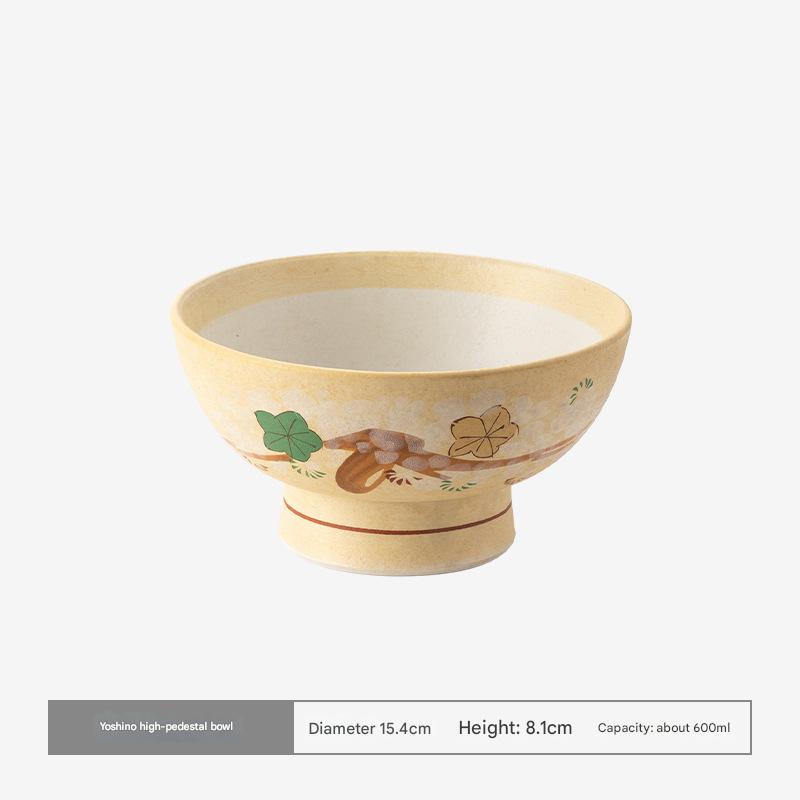
Japanese ceramics, encompassing everything from rustic, unglazed pottery to delicate, translucent porcelain, are diverse in their composition and character. Understanding these differences is key to effective product care. Whether it's a robust Bizen-ware bowl or an elegant Arita-yaki plate, proper handling extends its life and beauty.
Before First Use: Preparing Your Ceramics
For some unglazed or less vitrified pottery (like certain types of earthenware or stoneware), a simple pre-treatment can enhance durability and prevent staining:
- "Meyani" Treatment (Optional for some unglazed pieces): For very porous, unglazed ceramics, a traditional method involves boiling the piece in a pot of water with a small amount of rice or flour for about 10-15 minutes. The starch helps to seal microscopic pores, making the piece less prone to staining and more resistant to liquid absorption. Allow to cool naturally in the water, then rinse thoroughly. This isn't necessary for most glazed or porcelain items.
- Soaking for Porous Wares: Before using any porous ceramic for the first time, or if it hasn't been used in a while, soak it in plain water for 15-30 minutes. This prevents the ceramic from absorbing liquids from your food, which can lead to stains and odors over time.
Washing and Drying Ceramics
- Handwash Immediately: Rinse off food residue as soon as possible after use. Dried-on food is harder to remove and may require more vigorous scrubbing, which should be avoided.
- Lukewarm Water and Mild Soap: Wash with a soft sponge and a small amount of mild dish soap. Pay attention to intricate designs or textured surfaces, cleaning them gently.
- Rinsing Thoroughly: Ensure all soap residue is completely rinsed off, as it can leave a film or affect the taste of food in subsequent uses.
- Air Dry or Soft Cloth: Allow ceramics to air dry completely on a drying rack, or gently dry with a soft, lint-free cloth. Ensure they are bone-dry before storing to prevent mildew or odors.
Common Ceramic Care Pitfalls to Avoid
- Abrasive Cleaners: Never use abrasive powders, scouring pads, or steel wool, as these will scratch glazes and surfaces.
- Leaving Soaked: While initial soaking can be good, leaving ceramics to soak in water for extended periods can sometimes lead to water absorption and potential staining, especially for unglazed or cracked pieces.
- Metal Utensils on Unglazed Surfaces: Be mindful that metal utensils can leave marks on unglazed or matte ceramic surfaces.
By following these specific "Japanese Ceramics" product care tips, your unique bowls, plates, and cups will continue to bring beauty and functionality to your table for years to come. Explore our diverse range of ceramics in our Sakitime collection to find pieces that resonate with your aesthetic.
Preserving the Beauty of Japanese Lacquerware (Urushi)
Japanese lacquerware, known as urushi, is renowned for its deep, lustrous finish and remarkable durability, yet it demands a delicate touch. Crafted from the sap of the lacquer tree, these pieces are not merely functional; they are works of art, often adorned with intricate maki-e (gold powder) designs. Proper product care is essential to maintain their unique sheen and prevent damage.
Immediate Post-Use Care for Lacquerware
- Wash Promptly: Lacquerware should be washed immediately after use. Food, especially acidic or oily substances, if left to dry, can be difficult to remove without potentially damaging the surface.
- Lukewarm Water and Soft Sponge: Use lukewarm water and a very small amount of mild, non-abrasive dish soap. Gently wash with a soft cloth or sponge. Avoid any scrubbing that might scratch the delicate lacquer surface.
- Rinse Thoroughly: Ensure all soap residue is completely rinsed off with clean water.
- Dry Immediately and Gently: After rinsing, gently wipe the lacquerware dry with a soft, lint-free cloth. Do not allow it to air dry, as water spots can form. Avoid rubbing too vigorously.
Key Lacquerware Care Warnings
- No Dishwashers, Microwaves, or Ovens: These are absolute no-gos for lacquerware. High temperatures will cause cracking, warping, and irreversible damage to the lacquer finish.
- Avoid Prolonged Soaking: Do not let lacquerware soak in water for extended periods. This can weaken the lacquer layers and lead to peeling or clouding.
- No Abrasives or Harsh Chemicals: Never use abrasive cleaners, scouring pads, steel wool, or strong chemical detergents. These will scratch, dull, or dissolve the lacquer finish.
- Protect from Direct Sunlight and Extreme Temperatures: Prolonged exposure to direct sunlight or extreme heat (e.g., near a stove or radiator) can cause fading, cracking, or warping. Store lacquerware in a stable environment.
- Avoid Sharp Objects: Be careful with knives or other sharp utensils when using lacquerware, as they can scratch the surface.
With these careful "Lacquerware" product care steps, your exquisite bowls, trays, and boxes will retain their deep luster and intricate details for generations, becoming cherished family heirlooms.
Maintaining the Brilliance of Japanese Glassware: Edo Kiriko and Beyond
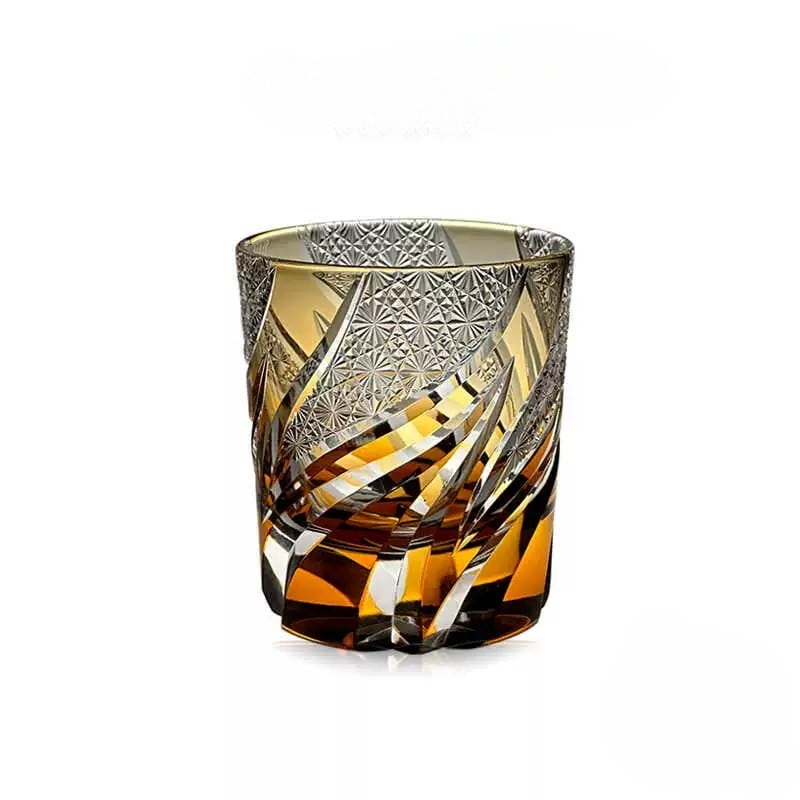
Japanese glassware, particularly the stunning Edo Kiriko with its intricate cut patterns, is a testament to precision and artistry. These pieces, whether for sake, tea, or water, bring a touch of elegance to any setting. Their delicate nature, however, requires specific product care to maintain their sparkle and prevent damage.
Washing and Drying Glassware
- Handwash Only: Like ceramics and lacquerware, delicate Japanese glassware should always be handwashed. Dishwashers can cause chipping, scratching, and dulling, especially to etched or hand-cut designs.
- Lukewarm Water and Mild Soap: Use lukewarm water and a small amount of mild, non-abrasive dish soap.
- Soft Cloth or Sponge: Gently wash with a soft cloth or sponge. For intricate Edo Kiriko patterns, use a very soft brush (like a clean, soft toothbrush) to carefully clean crevices if necessary, but always with the utmost gentleness.
- Rinse Thoroughly: Rinse under clean, lukewarm water to remove all soap residue.
- Dry Immediately with Lint-Free Cloth: The key to brilliant, spot-free glassware is immediate drying. Use a clean, soft, lint-free cloth (microfiber is excellent) to gently dry each piece. Holding the glass by the base, not the rim, can help prevent fingerprints and reduce the risk of breakage.
Glassware Handling and Storage Tips
- Handle with Care: Always hold glassware by the sturdiest part, usually the base or lower body, rather than the rim or stem, which are more fragile.
- Avoid Temperature Shock: Do not pour boiling liquids into cold glass or place hot glass directly onto a cold surface. Sudden temperature changes can cause the glass to crack or shatter.
- Store Separately: When storing, ensure glasses are not touching each other to prevent chips or scratches. Ideally, store them upright in a cabinet where they are protected from dust and accidental knocks. If stacking is unavoidable (though generally not recommended for delicate pieces), use soft felt or cloth separators.
- Remove Water Stains: If hard water stains appear, a gentle wipe with a cloth dampened with white vinegar can often remove them, followed by a rinse and thorough drying.
By following these "Glassware" product care guidelines, your stunning Edo Kiriko and other delicate Japanese glass pieces will continue to catch the light and add a touch of refined beauty to your home for many years. We invite you to explore the exquisite range of glassware in our Sakitime collection, each piece a testament to masterful craftsmanship.
Common Mistakes to Avoid with Your Japanese Tableware
Even with the best intentions, certain habits can inadvertently damage your precious Japanese tableware. Being aware of these common pitfalls is a vital part of effective product care.
- Overlooking Specific Instructions: While this guide covers general care, always check if your specific piece came with any unique care instructions from the artisan or retailer. Some items may have very particular requirements.
- Using the Wrong Cleaning Tools: As repeatedly emphasized, abrasive sponges, brushes, or scouring pads are detrimental to nearly all types of handmade Japanese tableware. Stick to soft cloths and sponges.
- Leaving Food to Harden: Allowing food residue to dry and harden on your dishes forces you to scrub more vigorously, increasing the risk of scratches or damage. Rinse items immediately after use.
- Stacking Improperly: Stacking ceramics without protection can lead to chips and scratches on rims and bases. Lacquerware should ideally be stored individually or with soft separators. Glassware should rarely be stacked.
- Ignoring Small Cracks or Chips: A small crack or chip, especially in ceramics, can worsen over time with continued use and washing. It's often best to relegate such pieces to decorative use or seek professional repair if the item is highly valuable.
- Exposure to Harsh Environments: Direct, prolonged sunlight, extreme humidity, or very dry conditions can all negatively impact different materials, from fading lacquer to cracking ceramics.
Storage and Display Tips for Long-Term Preservation
Proper storage is just as important as proper cleaning when it comes to the long-term product care and preservation of your Japanese tableware. Thoughtful storage protects your items from accidental damage and environmental factors.
-
Ceramics:
- Stacking: If stacking plates or bowls, place soft felt or cloth separators between each piece to prevent scratching and chipping. Avoid stacking too many pieces, especially heavy ones.
- Upright for Mugs/Cups: Store mugs and cups upright to prevent stress on handles or rims.
- Display: When displaying, ensure pieces are stable and not at risk of being knocked over. Consider enclosed display cases to protect from dust and accidental bumps.
-
Lacquerware:
- Individual Storage: Ideally, store lacquerware pieces individually, wrapped in a soft cloth (like silk or cotton) or in their original boxes.
- Stable Environment: Keep in a cool, dark place away from direct sunlight, extreme heat, or excessive humidity, which can cause cracking or warping.
- Avoid Pressure: Do not place heavy objects on top of lacquerware, as this can cause cracking or marring.
-
Glassware:
- Upright and Spaced: Store all glassware upright, ensuring there is enough space between each piece to prevent them from knocking into one another.
- Protected Location: Keep in a cabinet or display case where they are safe from accidental bumps and dust.
- Avoid Hanging by Stem: If you have stemmed glassware, avoid hanging them upside down by the stem, as this can put undue stress on the stem and lead to breakage.
By implementing these "Tableware Tips" for storage and display, you create a safe haven for your cherished pieces, ensuring they remain in pristine condition and ready to elevate your next dining experience.
A Legacy of Beauty: Your Role in Preserving Japanese Craftsmanship
The journey of a piece of handmade Japanese tableware, from the artisan's careful hand to your dining table, is one steeped in tradition, skill, and beauty. By dedicating a little extra time and care to your Japanese ceramics, lacquerware, and glassware, you're not just performing routine maintenance; you're actively participating in the preservation of a rich cultural legacy. Each act of gentle washing, careful drying, and thoughtful storage is a testament to your appreciation for the exquisite craftsmanship and enduring artistry that Sakitime is proud to bring to your home. These aren't just objects; they are expressions of beauty, designed to enrich your daily life and become cherished parts of your story.
We invite you to explore the full breadth of our authentic Japanese tableware collection. Discover new pieces that speak to your soul, knowing that with the right care, they will bring joy and elegance to your home for many years to come. Browse our Sakitme collection today and find your next timeless treasure.
Kids’ Chopsticks Guide: Size, Style, & Training Tips
How Are Authentic Japanese Chopsticks Unique? Cultural Guide
Related Posts

How to Care for Handmade Japanese Ceramics, Lacquerware, and Glassware

How to Care for Handmade Japanese Ceramics, Lacquerware, and Glassware

The History of Chopsticks

How to Care for Handmade Japanese Ceramics, Lacquerware, and Glassware

The Story of Urushi

How to Care for Handmade Japanese Ceramics, Lacquerware, and Glassware

Bamboo vs. Metal Chopsticks: Choosing the Right Material for Your Needs