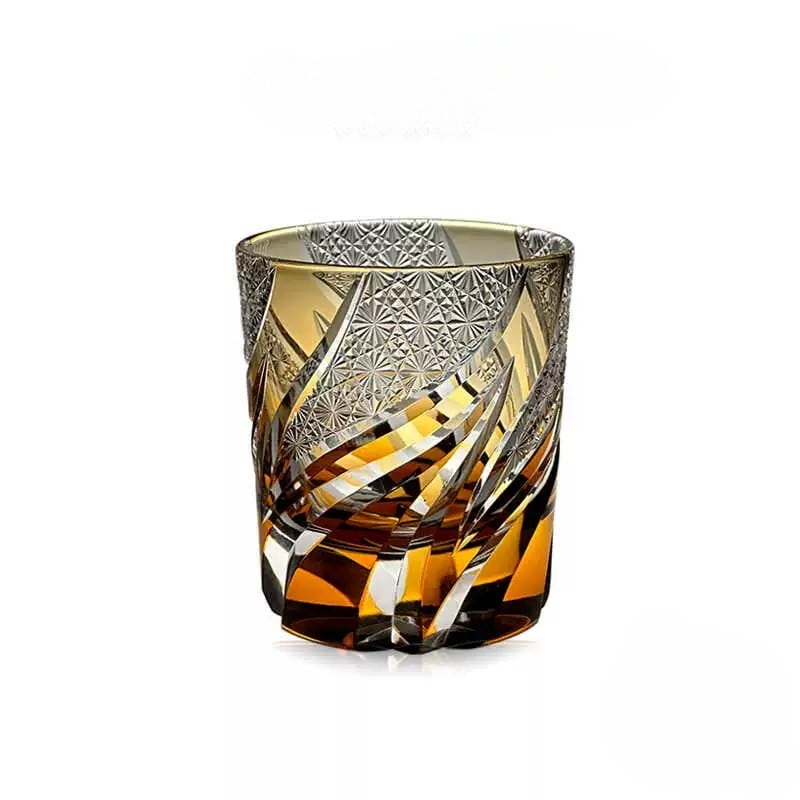
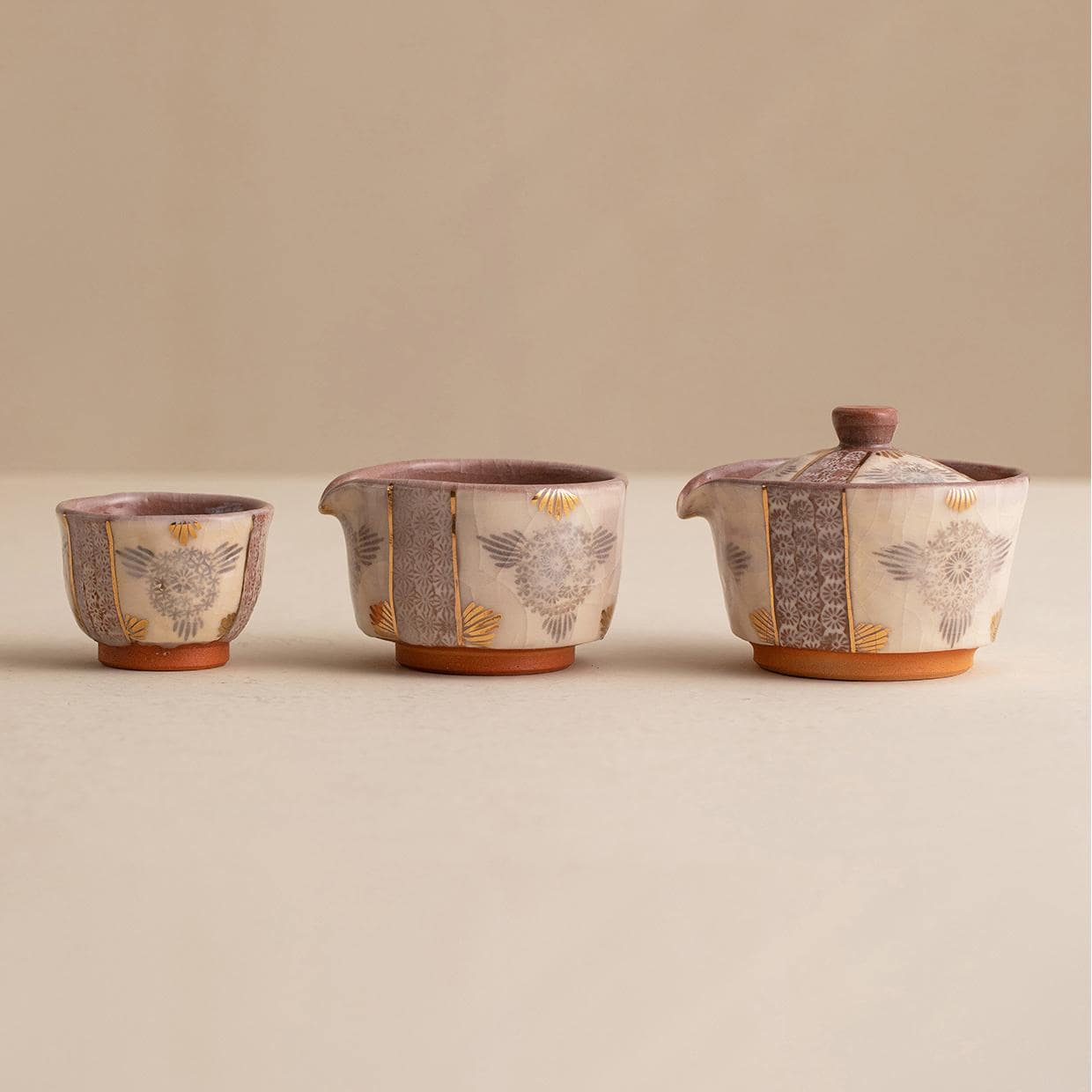
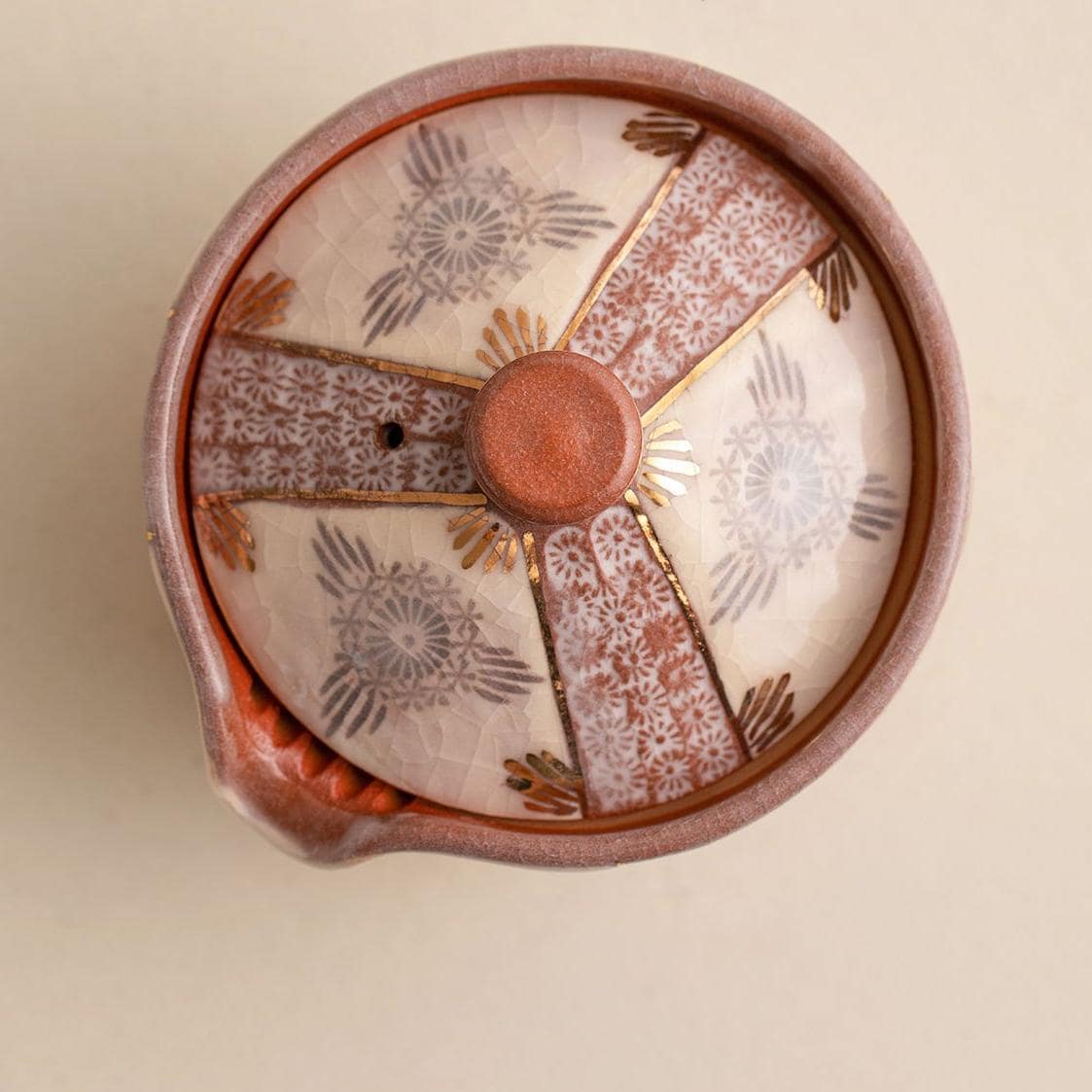
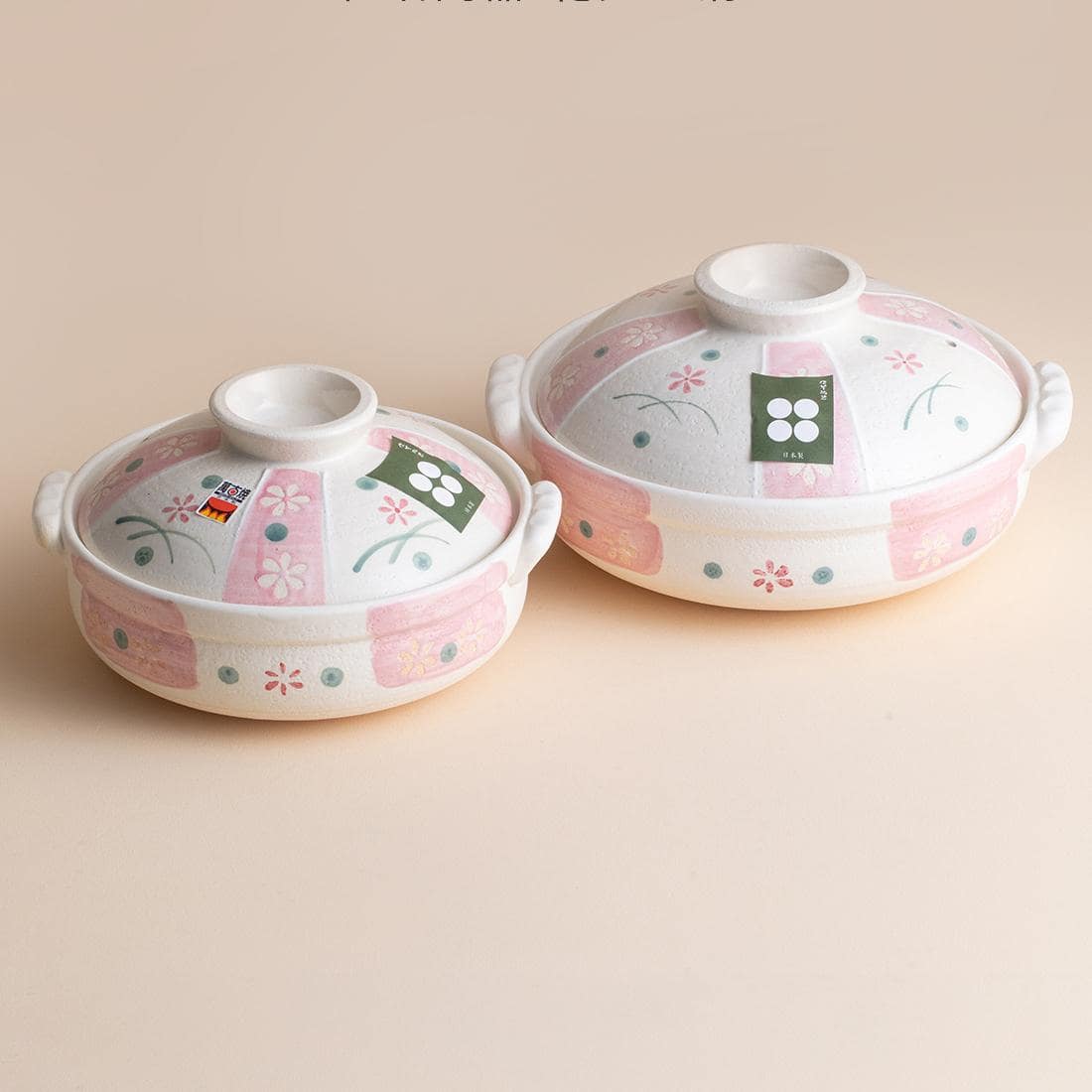

20 Japanese Tableware Pieces That Make Everyday Meals Feel Special
Transforming an everyday meal into an extraordinary experience doesn't require a Michelin-star chef or a trip to a fancy restaurant. Often, it's about the subtle artistry and thoughtful presentation that elevate the act of eating. This is where Japanese tableware shines, offering a world of beauty, functionality, and tradition that can make every home dining occasion feel truly special. From the humble rice bowl to an exquisite sake set, each piece tells a story and invites a moment of mindfulness to your table.
The Art of Everyday Dining: Why Japanese Tableware Matters
Japanese cuisine is renowned not just for its exquisite flavors but also for its stunning visual presentation. This philosophy extends directly to its dinnerware. Unlike Western dining sets that often prioritize uniformity, Japanese tableware embraces variety, allowing for a dynamic interplay of shapes, colors, and textures on the table. Each dish is often served in its own perfectly suited vessel, enhancing both the aesthetic appeal and the enjoyment of the food. It's about creating a harmonious tableau where every element, including the plate or bowl, contributes to the overall sensory experience. Investing in authentic Japanese pieces is an investment in elevating your daily rituals and fostering a deeper appreciation for your meals.
Foundation Pieces: Essential Japanese Bowls for Every Occasion
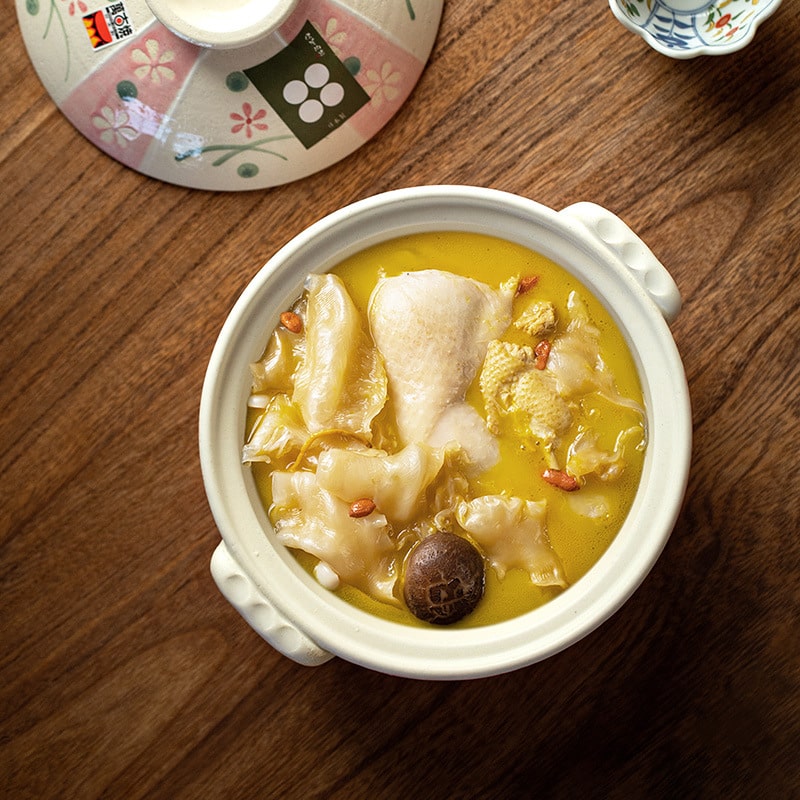
Bowls are the heart of Japanese cuisine, used for everything from the simplest rice to elaborate noodle dishes. They are perhaps the most versatile and essential part of any Japanese tableware collection, offering comfort and style for every meal.
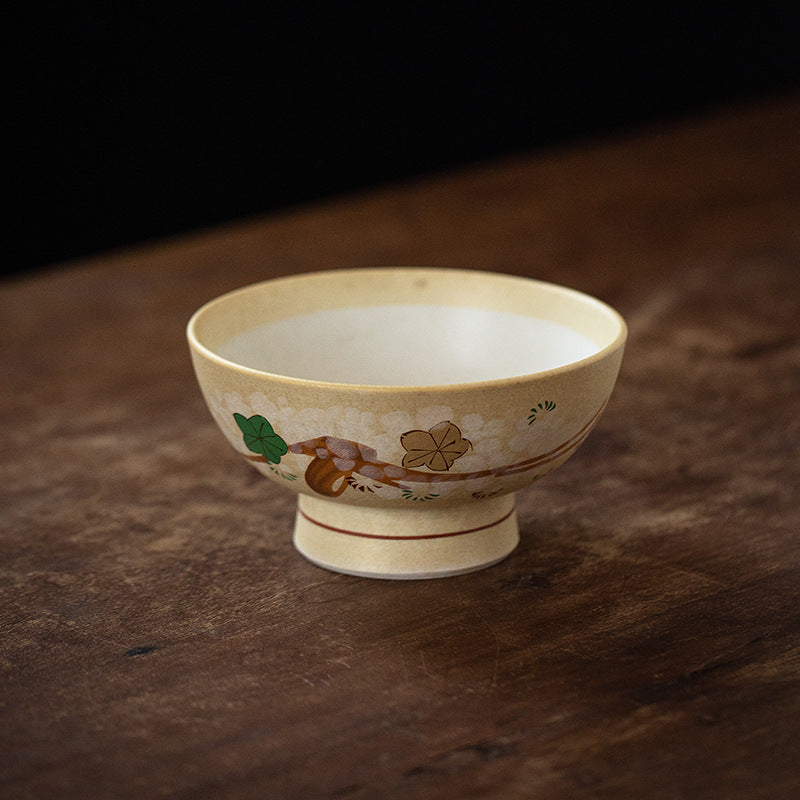
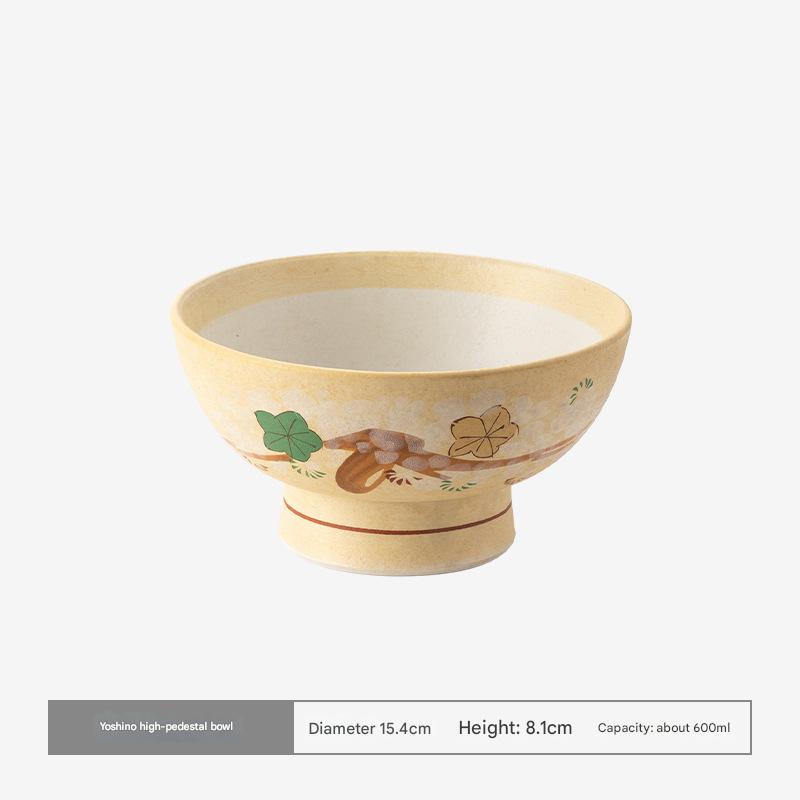
- 1. Gohan Chawan (Rice Bowl): The cornerstone of any Japanese meal. A well-crafted rice bowl, often with a slightly wider mouth and a comfortable base, feels substantial in hand. Designs range from rustic earth tones to delicate floral patterns, making even plain white rice feel like a treat.
- 2. Miso Shiru Wan (Miso Soup Bowl): Traditionally lacquerware, these bowls are designed to be held directly to the mouth. Their lightweight yet insulating properties keep soup warm while remaining comfortable to touch. The deep, rich colors often reveal subtle patterns as you finish your soup.
- 3. Donburi Bowl: A large, deep bowl perfect for one-bowl meals like donburi (rice bowls with toppings), ramen, or udon. These bowls are typically robust, often featuring intricate patterns or glazes that make a statement. They are essential for a satisfying and hearty meal.
- 4. Noodle Bowl (Ramen/Udon Bowl): While similar to donburi, dedicated noodle bowls often have a wider rim to accommodate chopsticks and a soup spoon, and a deeper basin for generous servings of broth and noodles. Their substantial size and often bold designs make them a centerpiece for any noodle lover.
- 5. Chawanmushi Bowl: A delicate, lidded bowl specifically for chawanmushi, a savory steamed egg custard. The lid helps retain heat and aroma, and the elegant, often petite design adds a touch of refinement to this traditional dish.
Elevating Your Plate: Diverse Japanese Plates and Platters
Japanese plates are characterized by their variety in shape, size, and design, often designed to highlight specific ingredients or artistic arrangements. They are crucial for creating a visually appealing spread for any home dining experience.
- 6. Main Plate (O-zara): Typically a medium to large plate, these are used for main dishes like grilled fish, tempura, or a small selection of appetizers. Often featuring irregular shapes, unique glazes, or hand-painted motifs, they transform everyday meals into culinary art.
- 7. Side Plate (Ko-zara): Smaller plates perfect for individual servings of side dishes, pickles, or small portions of appetizers. Collecting an assortment of these in different patterns and colors allows for endless creative plating.
- 8. Sashimi Plate: A rectangular or oblong plate, often with a slightly raised edge, ideal for beautifully arranging slices of sashimi. The elongated shape allows for artistic presentation, making the vibrant colors of fresh fish truly pop.
- 9. Arita-yaki Plate: Hailing from Arita, Saga Prefecture, these porcelain plates are famous for their delicate blue-and-white patterns and smooth finish. They bring a timeless elegance and sophistication to any table setting, perfect for formal or casual use.
- 10. Kutani-yaki Plate: Characterized by bold, vibrant colors and intricate designs, often featuring landscapes, flowers, or birds. Kutani-yaki plates are true works of art, adding a dramatic and luxurious touch to your dinnerware collection.
Specialized Touches: Unique Japanese Serving and Accent Pieces
Beyond the main bowls and plates, a range of smaller, specialized items adds functionality and charm, making your Japanese tableware collection truly complete and enhancing the overall dining experience.
- 11. Soy Sauce Dish (Shoyu-zara): A small, shallow dish specifically for soy sauce or other dipping sauces. Often exquisitely crafted, these tiny vessels can feature subtle indentations or patterns that enhance the presentation of the sauce itself.
- 12. Chopstick Rest (Hashioki): A delightful accessory that keeps chopsticks hygienic and prevents them from rolling off the table. Available in countless shapes (animals, plants, geometric designs) and materials, they add a playful yet refined touch.
- 13. Yakumi Plate (Condiment Plate): A small plate, often with multiple compartments, designed to hold various condiments like grated ginger, wasabi, or chopped scallions. It’s perfect for organizing and presenting a variety of flavor enhancers.
- 14. Small Serving Bowl (Kobachi): Versatile small bowls used for individual portions of salads, pickles, or side dishes. Their varied designs and sizes make them perfect for adding visual interest and texture to your table.
- 15. Bento Box: While primarily for packed lunches, a beautifully designed bento box can also be used for serving individual portions of various dishes at home, creating a delightful compartmentalized meal experience.
The Ritual of Refreshment: Japanese Sake and Tea Ware
Japanese culture places great importance on the rituals surrounding sake and tea. The vessels used for these beverages are not merely functional but are integral to the experience, embodying artistry and tradition. Discover more about our exquisite offerings in our Sakitime collection.
- 16. Sake Carafe (Tokkuri): A small, elegant carafe used for serving sake. Often ceramic, it can be heated or chilled to maintain the sake's optimal temperature. Its graceful form is a pleasure to hold and pour from.
- 17. Sake Cup (Ochoko): Small, traditional sake cups, usually ceramic or porcelain. Their size encourages savoring each sip and allows for easy sharing among companions.
- 18. Sake Cup (Guinomi): Slightly larger and often more substantial than an ochoko, guinomi are individual sake cups that showcase the artisan's skill. Many collectors appreciate guinomi for their unique textures, glazes, and shapes.
- 19. Teacup (Yunomi): An everyday Japanese teacup, typically taller than it is wide, with no handle. Yunomi are designed to fit comfortably in the hand, allowing the drinker to feel the warmth of the tea. They come in an endless array of styles, reflecting regional pottery traditions.
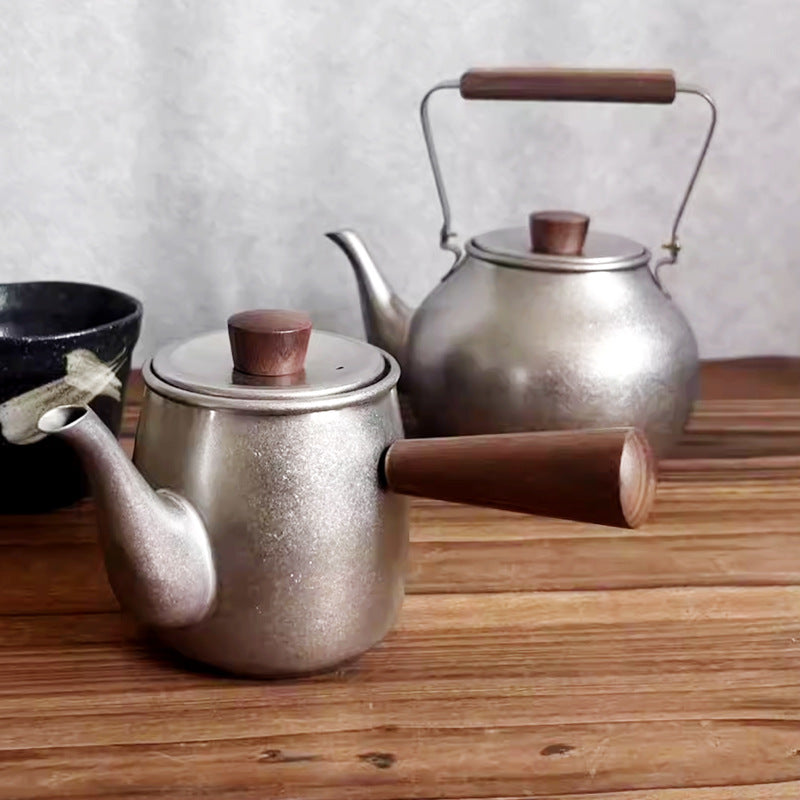
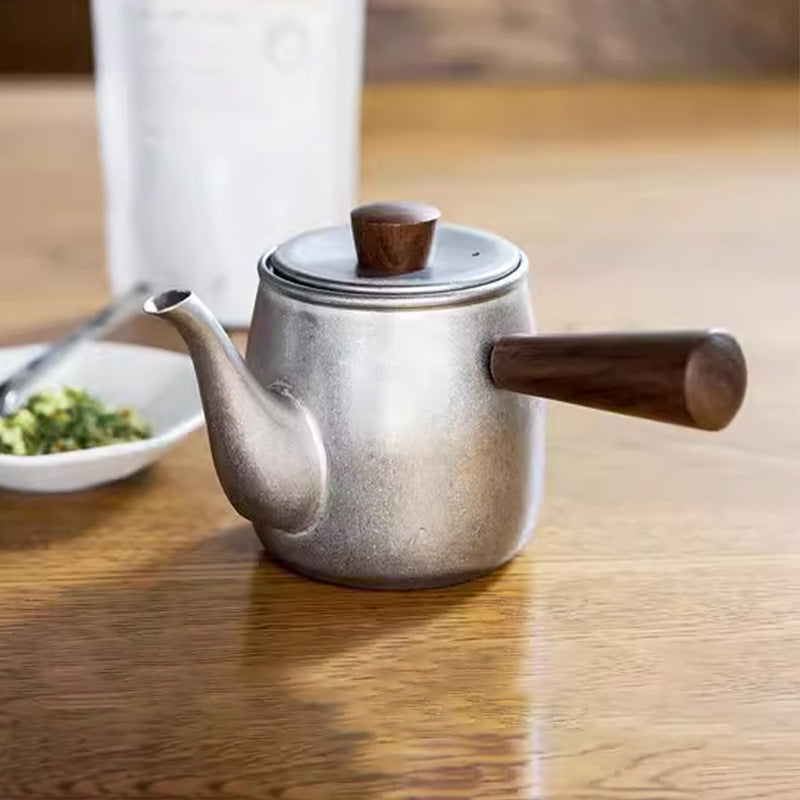
- 20. Teapot (Kyusu): A traditional Japanese teapot, often with a side handle (yokode) or a top handle (uwade). Kyusu are designed for brewing green tea, with internal strainers ensuring a clear, flavorful brew. The craftsmanship of a kyusu is paramount to the tea experience.
Choosing Your Japanese Tableware: A Guide to Curating Your Collection
When selecting your Japanese tableware, consider the materials, patterns, and the overall aesthetic you want to create for your home dining. Japanese ceramics are incredibly diverse, ranging from the rustic charm of Bizen ware to the refined elegance of Kutani. Don't be afraid to mix and match different styles and textures. A table set with a variety of complementary pieces, rather than a uniform set, often looks more authentic and inviting. Think about the types of meals you typically enjoy and choose pieces that will enhance those experiences. A few key, versatile pieces can go a long way in transforming your everyday meals.
The beauty of Japanese tableware lies in its ability to bring a sense of ceremony and appreciation to even the simplest meal. Each bowl, plate, and cup is not just a vessel but a piece of art that invites you to slow down, savor, and connect with your food. By incorporating these 20 pieces into your collection, you're not just buying dinnerware; you're investing in an enhanced dining experience that celebrates beauty, tradition, and mindfulness.
Ready to elevate your everyday meals? Explore the exquisite world of authentic Japanese tableware at Sakitime. Browse our full collection of artisan ceramics, sake sets, chopsticks, and tea ware today and discover the perfect pieces to make your home dining truly special.
Behind the Scenes at A Raku Ware Workshop
Edo Kiriko Glassware: Why Japanese Cut Crystal Belongs on Your Table
Related Posts

How to Care for Handmade Japanese Ceramics, Lacquerware, and Glassware

How to Care for Handmade Japanese Ceramics, Lacquerware, and Glassware

How to Care for Handmade Japanese Ceramics, Lacquerware, and Glassware

The History of Chopsticks

How to Care for Handmade Japanese Ceramics, Lacquerware, and Glassware

The Story of Urushi

How to Care for Handmade Japanese Ceramics, Lacquerware, and Glassware