
22 Japanese Tableware Pieces That Make Everyday Meals Feel Special
The Philosophy Behind Japanese Tableware: Beauty in Simplicity and Purpose
Japanese tableware is more than just dinnerware; it's an integral part of the dining experience, deeply rooted in cultural aesthetics and mindful appreciation. Unlike Western dining, where sets often match uniformly, Japanese home dining embraces an eclectic mix of textures, shapes, and colors. This philosophy, often influenced by the concept of wabi-sabi, celebrates imperfection, transience, and the beauty found in natural materials and understated elegance. Each piece is chosen not just for its function, but for how it harmonizes with the food, the season, and the overall mood of the meal.
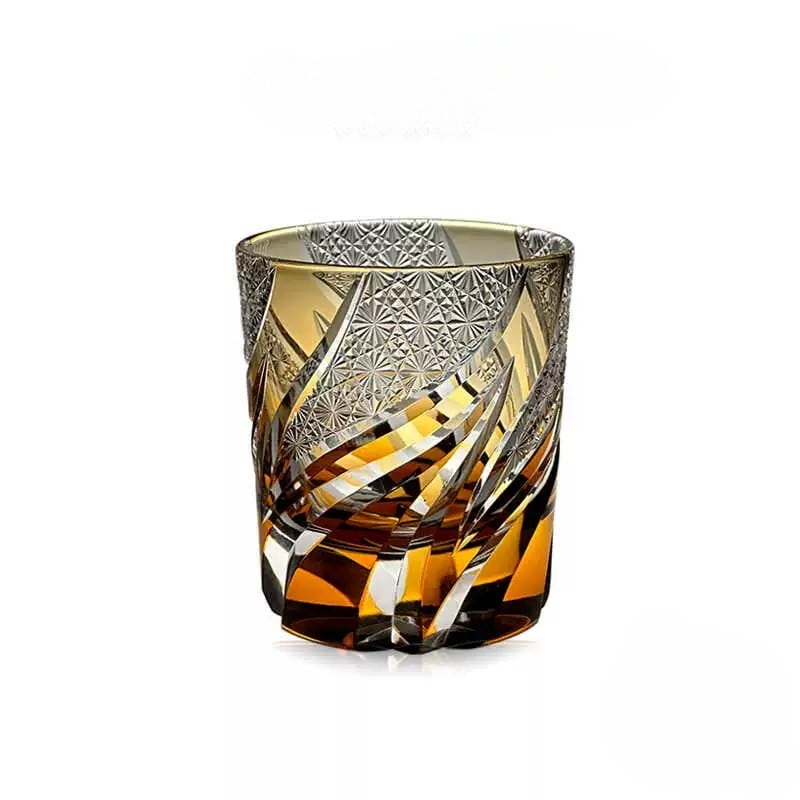
From the rough, earthy texture of a stoneware bowl to the delicate shimmer of Edo Kiriko glass, every item tells a story of craftsmanship and tradition. Incorporating authentic Japanese tableware into your home allows you to transform everyday meals into special occasions, inviting a sense of calm, beauty, and intentionality to your table. It encourages you to slow down, savor each bite, and appreciate the artistry in both the food and its presentation. Whether you're hosting a dinner party or enjoying a quiet meal alone, the right pieces can elevate the experience, making every moment around the table truly memorable.
Essential Bowls for Every Japanese Meal
Bowls are the heart of Japanese dining, catering to everything from steaming rice to hearty noodle soups. Their diverse shapes, sizes, and materials reflect the vast array of dishes they hold, each designed to enhance the eating experience.
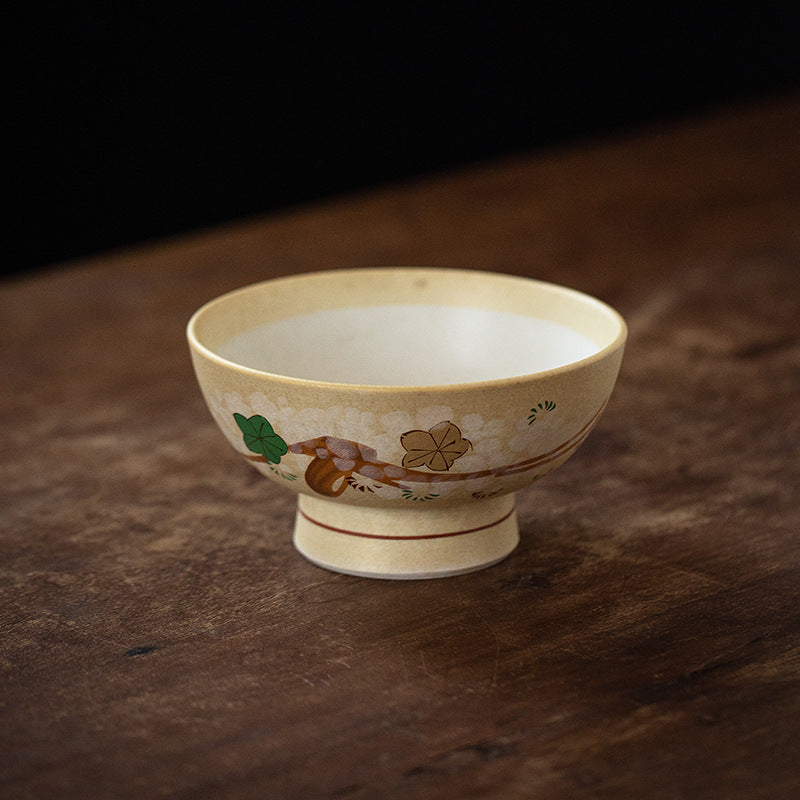
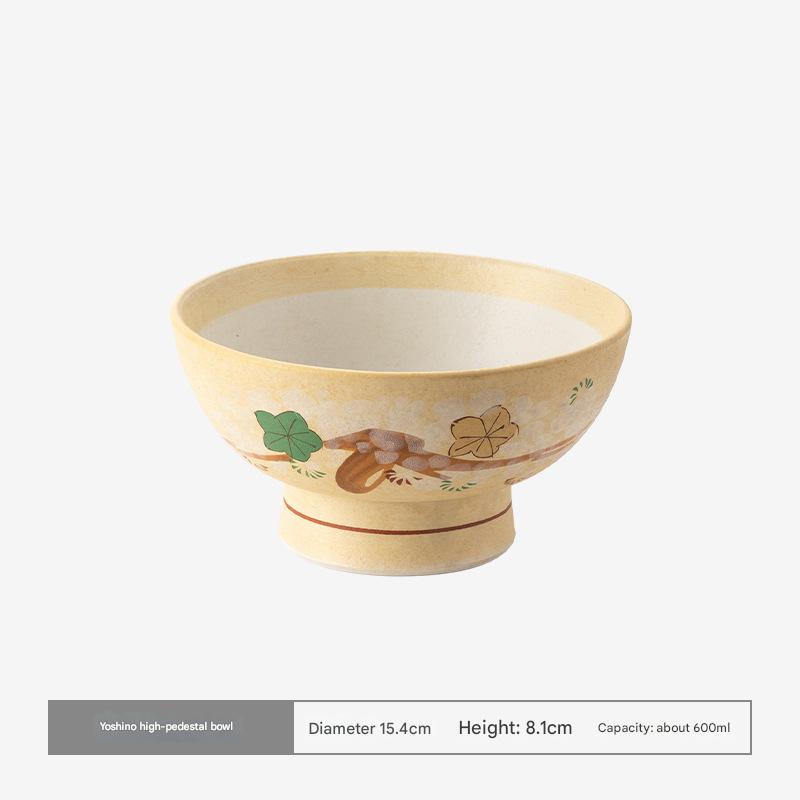
- 1. Chawan (Rice Bowl): The cornerstone of any Japanese meal. Typically small and deep, a chawan is perfectly sized for individual servings of rice. Available in various glazes and patterns, it's a personal item that reflects individual taste. Holding a warm, textured chawan in your hands instantly brings a sense of comfort and tradition to your table.
- 2. Owan (Soup Bowl): Often made from lacquered wood or ceramic, these bowls are typically lidded to keep miso soup or clear broths warm. The act of lifting the lid to reveal the aromatic soup is a delightful part of the dining ritual, adding an element of anticipation and elegance to your dinnerware collection.
- 3. Donburi (Noodle/Rice Bowl): Larger and deeper than a chawan, donburi bowls are designed for substantial one-bowl meals like ramen, udon, or rice bowls topped with meat, fish, or vegetables. Their generous size and sturdy build make them perfect for hearty comfort food, allowing all ingredients to be beautifully layered.
- 4. Kobachi (Small Side Dish Bowl): These versatile small bowls are essential for serving individual portions of pickles, salads, simmered vegetables (nimono), or a variety of small appetizers. Their varied shapes and designs add visual interest and balance to the table, making your home dining spread look abundant and artful.
- 5. Ōbachi (Large Serving Bowl): As the name suggests, these are larger bowls used for communal dishes. Perfect for serving a shared salad, a large portion of nimono, or even a main course stew, an ōbachi becomes a central focal point on your table, inviting guests to share and connect.
- 6. Matcha Chawan (Matcha Bowl): Distinct from a rice chawan, this bowl is specifically designed for preparing and drinking matcha (powdered green tea). Its wide, shallow base allows for easy whisking, while its unique aesthetic, often handcrafted with natural imperfections, enhances the meditative experience of the tea ceremony.
Plates & Platters: Crafting Visual Feasts
Japanese plates are renowned for their incredible variety in shape, size, and finish, each designed to perfectly frame and present a specific dish. The emphasis is on highlighting the food itself, making every meal a visual delight.
- 7. Kozara (Small Plate): These are incredibly versatile, used for individual appetizers, small desserts, or as a base for a small pile of pickles or garnishes. Their delicate size encourages mindful portioning and adds a touch of refinement to each diner's space.
- 8. Chūzara (Medium Plate): Ideal for main courses, grilled items like teriyaki chicken, or larger side dishes. Chūzara provide ample space for a beautifully arranged portion, allowing the colors and textures of the food to shine. They are a staple in any versatile Japanese dinnerware collection.
- 9. Ōzara (Large Platter): Grand and impressive, these large plates or platters are perfect for communal dishes, sushi presentations, or elaborate shared entrees. An ōzara can instantly transform a simple gathering into a celebratory feast, acting as a canvas for culinary artistry.
- 10. Yakimono Sara (Rectangular Plate): Specifically designed for grilled fish (yakimono) or elongated appetizers, these rectangular plates offer a contemporary aesthetic. Their unique shape provides an interesting contrast to round bowls and plates, adding dynamic flair to your table setting.
- 11. Sashimi Sara (Sashimi Plate): Often artistic and sometimes boat-shaped or elongated, these plates are crafted to elegantly present delicate slices of raw fish. The minimalist design allows the vibrant colors and freshness of the sashimi to be the star, reflecting the Japanese appreciation for natural beauty.
- 12. Shōyuzara (Soy Sauce Dish): Tiny and shallow, these dishes are essential for dipping sauces like soy sauce for sushi or tempura. Their petite size ensures just the right amount of sauce is used, complementing the main dish without overwhelming it.
- 13. Mamezara (Miniature Plate): Even smaller than a kozara, these delightful miniature plates are perfect for a single piece of candy, a tiny condiment, or just as a decorative accent. They embody the Japanese love for small, charming details that elevate the overall dining experience.
Chopsticks, Rests, and Unique Accents: The Finer Details
It's often the small, thoughtful details that truly make a meal feel special. In Japanese dining, these accents are not just functional but also add significant aesthetic value and enhance the overall experience.
- 14. Hashi (Chopsticks): More than just utensils, chopsticks are an art form. Available in various materials like wood, bamboo, lacquer, or even metal, they come in countless designs. Choosing a beautiful pair of hashi for your home dining setup adds a personal touch and connects you to centuries of culinary tradition.
- 15. Hashioki (Chopstick Rest): These small, often intricately designed rests serve a practical purpose – keeping chopsticks hygienic and off the table – but they also add a charming decorative element. A unique hashioki can be a conversation starter and demonstrates attention to detail.
- 16. Ren-ge (Ceramic Spoon): A traditional ceramic spoon, often with a flat bottom and a hook to rest on the rim of a bowl, is indispensable for enjoying ramen, udon, or other soups and stews. It's designed for comfortable sipping and scooping, enhancing the enjoyment of hearty broths.
- 17. Gosu (Small Sauce Pitcher): A charming, often hand-painted, small pitcher designed for pouring sauces, dressings, or even cream for coffee. It adds an elegant touch to condiment service, allowing for precise and graceful dispensing.
Sake, Tea, and Beyond: Specialized Japanese Tableware
Beyond the main course, Japanese culture places a high value on the rituals surrounding beverages. Specialized Japanese tableware for sake and tea transforms these simple acts into profound experiences.
- 18. Tokkuri (Sake Carafe): This elegant flask is used for serving sake, whether warm or cold. Often made of ceramic or glass, a tokkuri allows for easy pouring and adds a sophisticated touch to your sake presentation. It's an essential piece for anyone wishing to explore the world of sake.
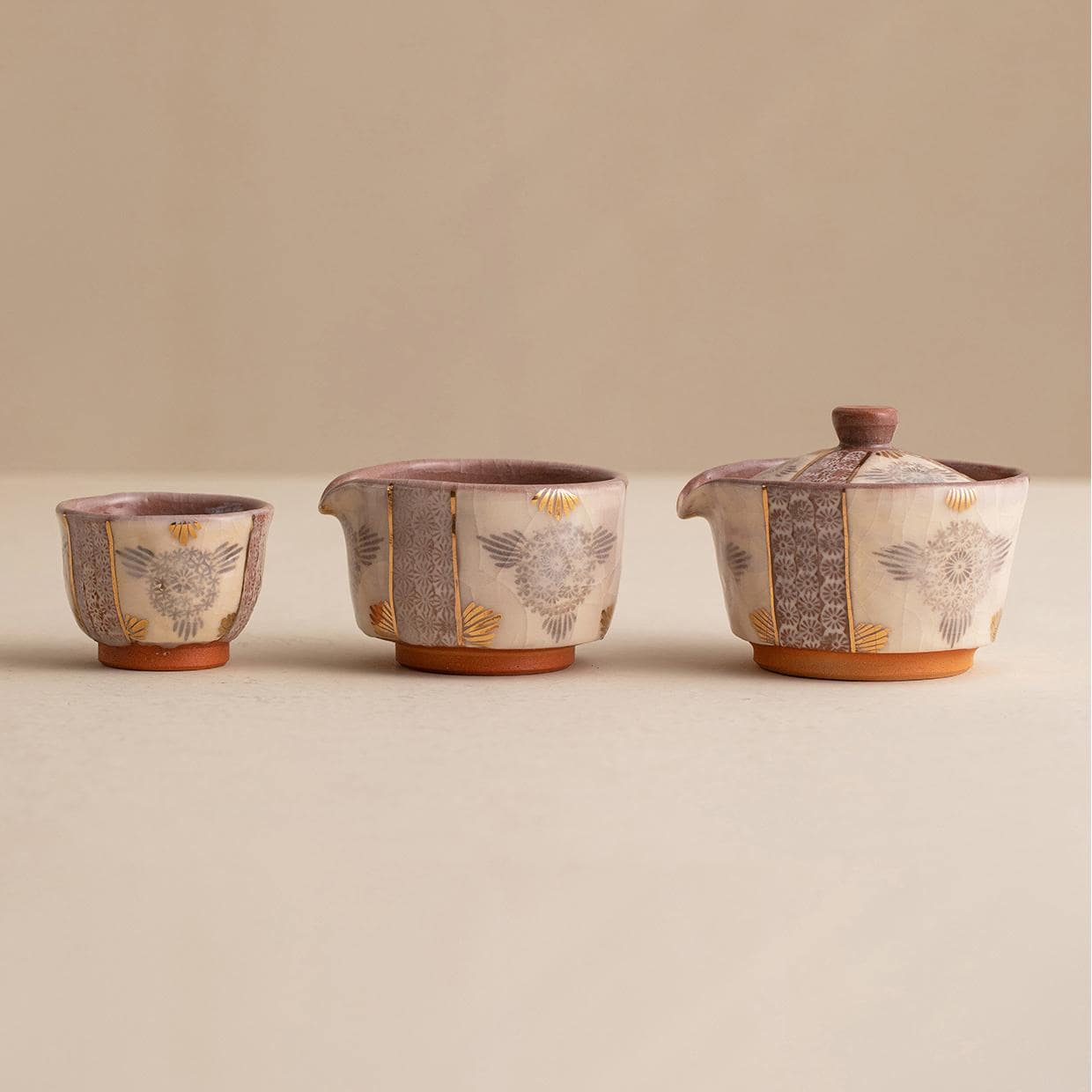
- 19. Ochoko (Sake Cup): Small, handleless cups specifically designed for drinking sake. Ochoko come in a vast array of designs, from simple and rustic to exquisitely decorated. The size encourages small, contemplative sips, allowing you to fully appreciate the nuances of the sake.
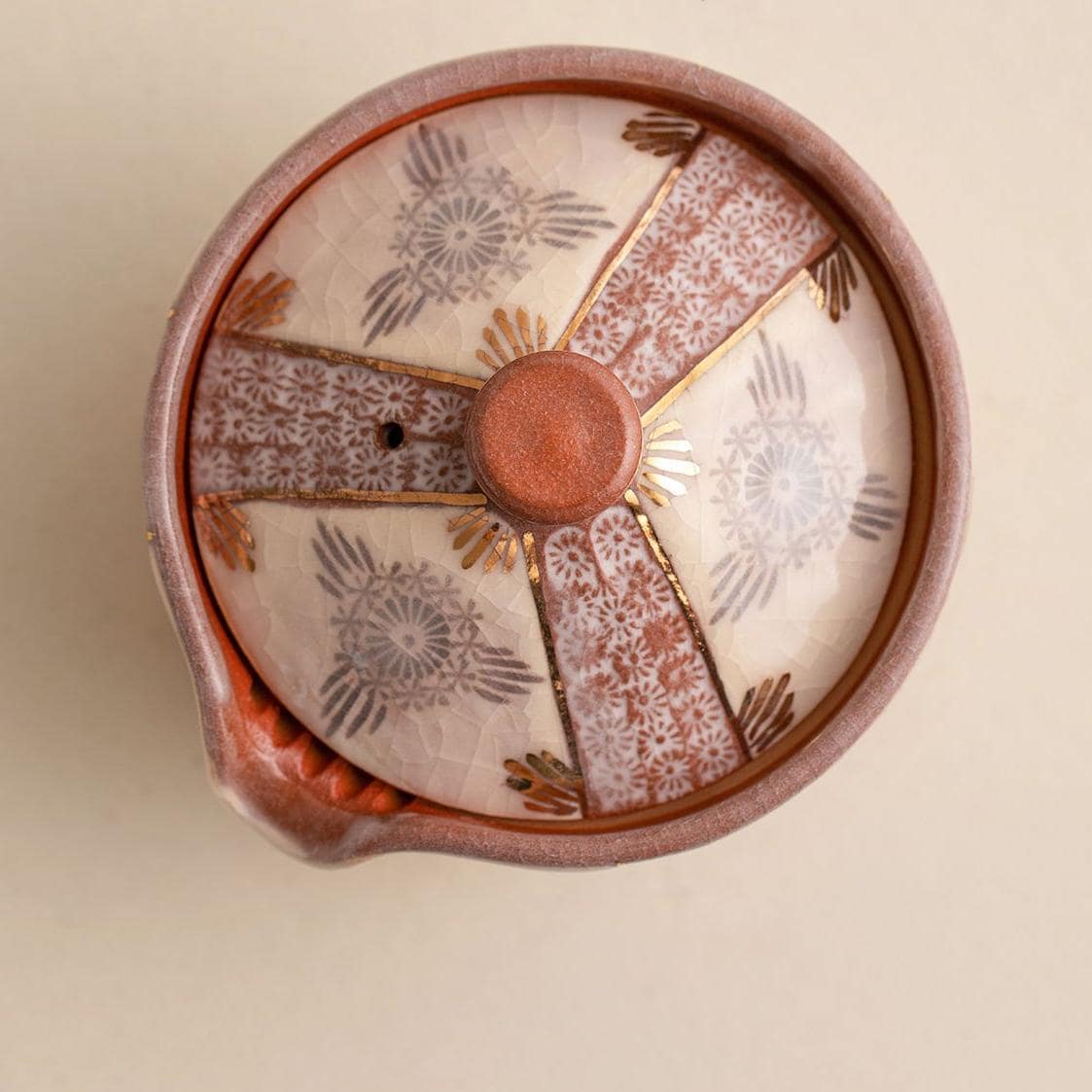
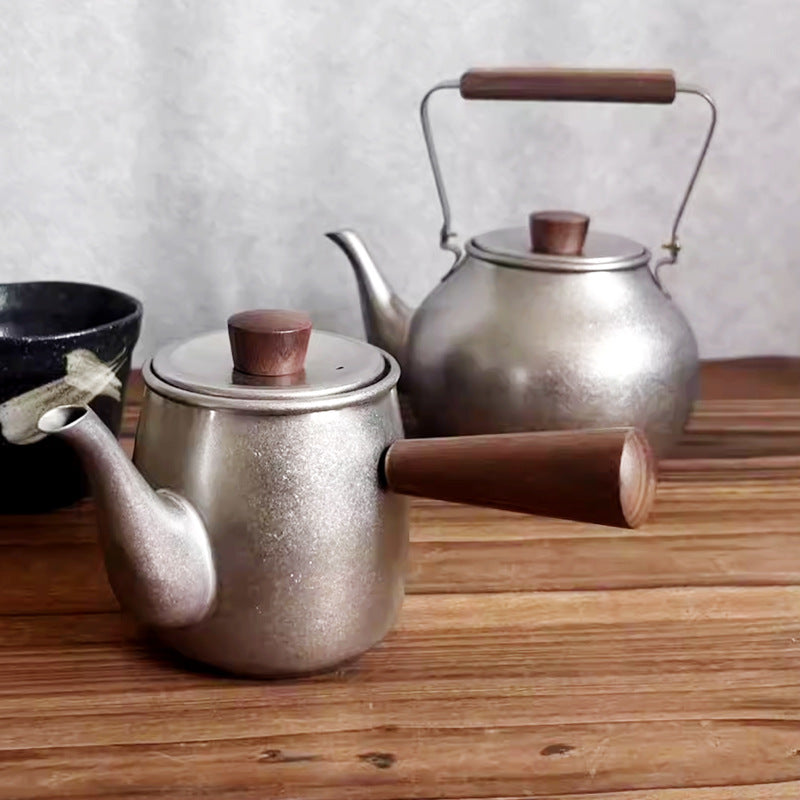
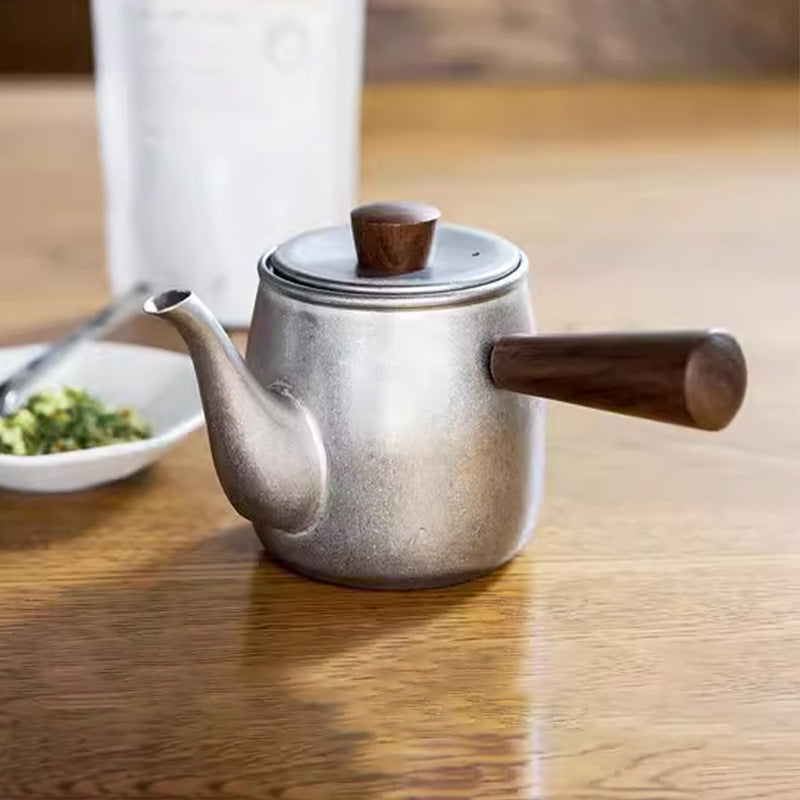
- 20. Kyūsu (Teapot): A traditional Japanese teapot, typically with a side handle, designed for brewing and serving green tea. Kyūsu are crafted to bring out the best flavor from tea leaves, and their ergonomic design makes pouring a graceful act. A beautiful kyūsu is a centerpiece of any tea lover's collection.
- 21. Yunomi (Tea Cup): These are everyday Japanese tea cups, usually handleless and taller than they are wide. Yunomi are designed for comfortable holding, allowing the warmth of the tea to be felt. They come in endless styles, making them perfect for daily enjoyment of various teas.
Edo Kiriko Glassware: A Symphony of Light and Craft
While many associate Japanese tableware with ceramics, the artistry of glass also holds a revered place, especially with the exquisite Edo Kiriko style.
- 22. Edo Kiriko Glass (Tumbler/Highball): Originating in Edo (Tokyo) in the 19th century, Edo Kiriko is a traditional craft of cut glass that creates intricate patterns by hand-cutting designs into colored glass. A single Edo Kiriko tumbler or highball glass, with its dazzling facets and play of light, elevates any beverage – water, spirits, or cold tea – into a luxurious experience. It's a statement piece that combines historical craftsmanship with breathtaking beauty, making any moment feel special.
Choosing Your Japanese Tableware
Japanese Vases for Winter
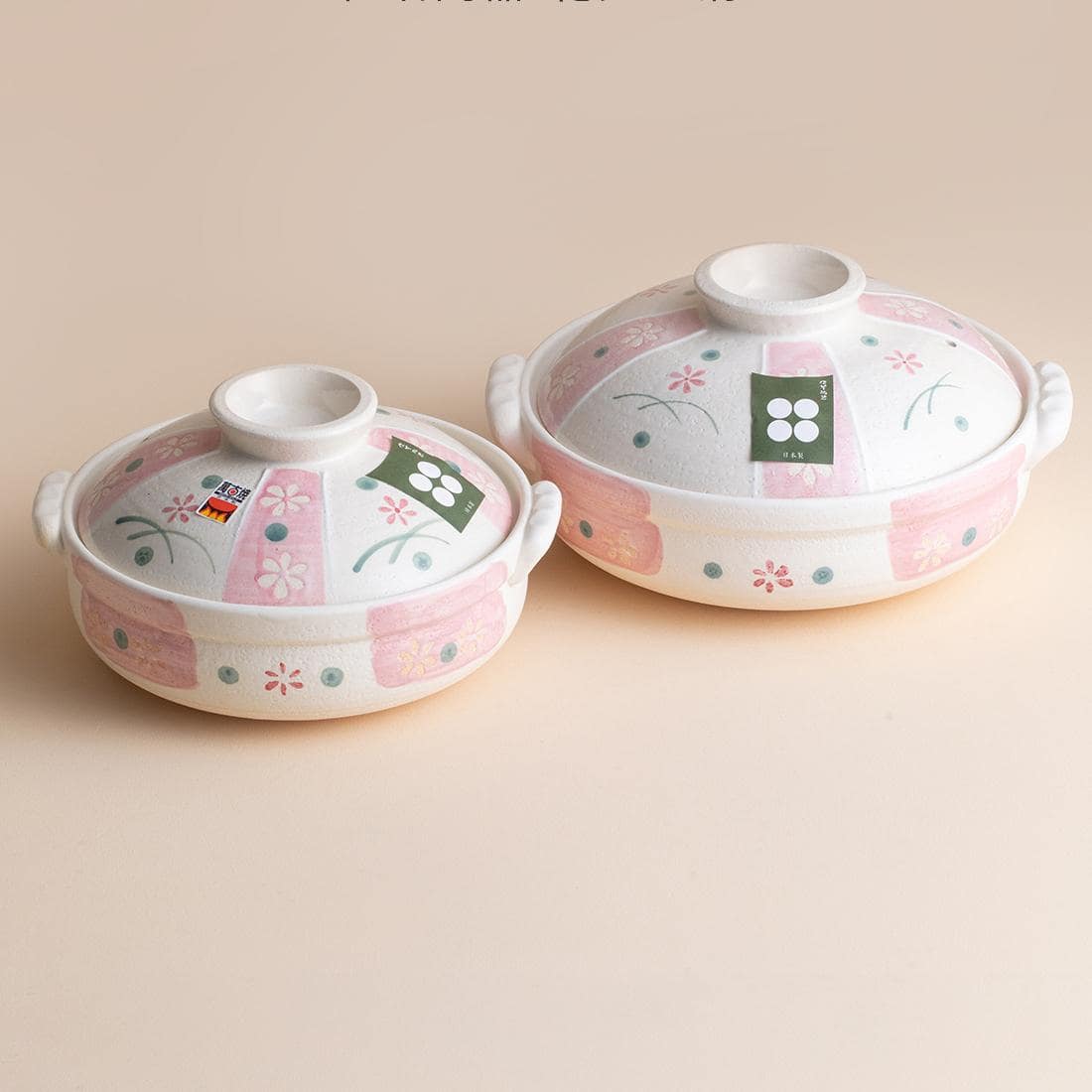
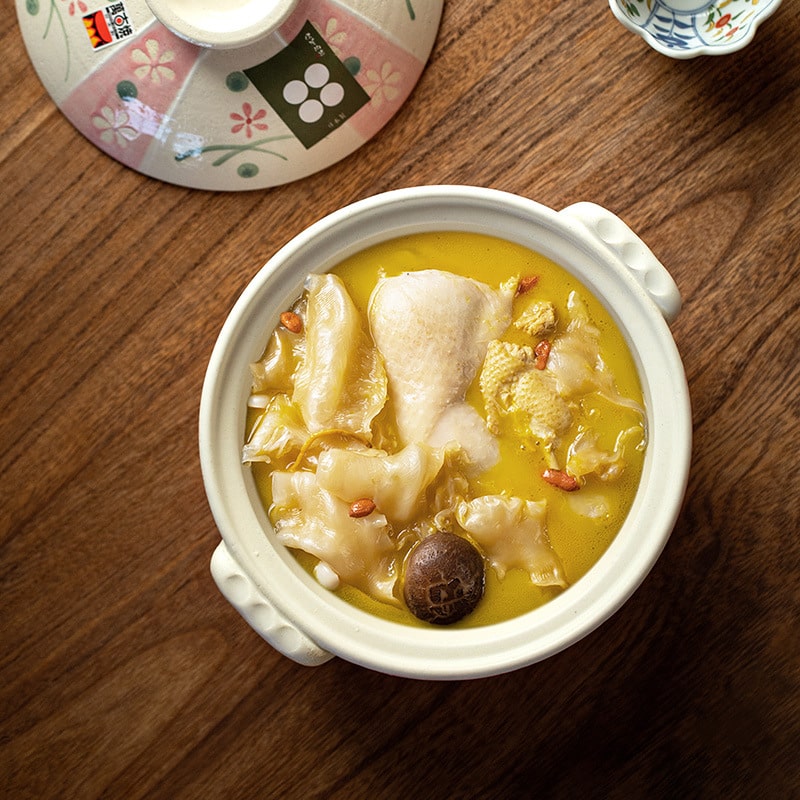
Upgrade Donabe Night: Tableware & Tools for a Better Hot Pot Dinner
Related Posts

How to Care for Handmade Japanese Ceramics, Lacquerware, and Glassware

How to Care for Handmade Japanese Ceramics, Lacquerware, and Glassware

How to Care for Handmade Japanese Ceramics, Lacquerware, and Glassware

The History of Chopsticks

How to Care for Handmade Japanese Ceramics, Lacquerware, and Glassware

The Story of Urushi

How to Care for Handmade Japanese Ceramics, Lacquerware, and Glassware