
How to Care for Handmade Japanese Ceramics, Lacquerware, and Glassware
The allure of handmade Japanese ceramics, the exquisite sheen of traditional lacquerware, and the dazzling clarity of Edo Kiriko glassware are undeniable. Each piece tells a story of centuries-old craftsmanship, artistic dedication, and cultural heritage. At Sakitime, we believe these aren't just objects; they are an invitation to infuse your daily life with beauty and mindfulness. To ensure these treasures continue to bring joy and elegance to your home for generations, understanding their proper care is paramount. Unlike mass-produced items, handmade pieces possess unique characteristics that require a gentle, informed approach. This guide provides comprehensive product care instructions, offering essential tableware tips to preserve the integrity and beauty of your cherished Japanese ceramics, lacquerware, and glassware.
Understanding Your Treasures: The Uniqueness of Handmade Japanese Items
Handmade Japanese tableware is more than just functional; it's art. From the earthy textures of Bizen ware to the intricate patterns of Kutani porcelain, the resilient beauty of Urushi lacquer, and the dazzling cuts of Edo Kiriko, each material and technique brings its own set of characteristics. These distinctions mean that a one-size-fits-all approach to cleaning and storage simply won't suffice. Artisans painstakingly shape, glaze, fire, and finish these pieces, often using natural materials and traditional methods that make them distinctively delicate yet incredibly durable when cared for correctly. Recognizing the specific material and finish of your item is the first step towards ensuring its longevity. Whether you're admiring a delicate sake set or a robust everyday bowl, understanding its origins enhances your appreciation. Explore our diverse collection of authentic Japanese tableware to find your next cherished piece.
Caring for Japanese Ceramics: Earthenware, Porcelain, and Stoneware
Japanese ceramics encompass a vast spectrum, each with its own specific care requirements. Understanding the differences between earthenware, stoneware, and porcelain is key to effective Japanese ceramics care.
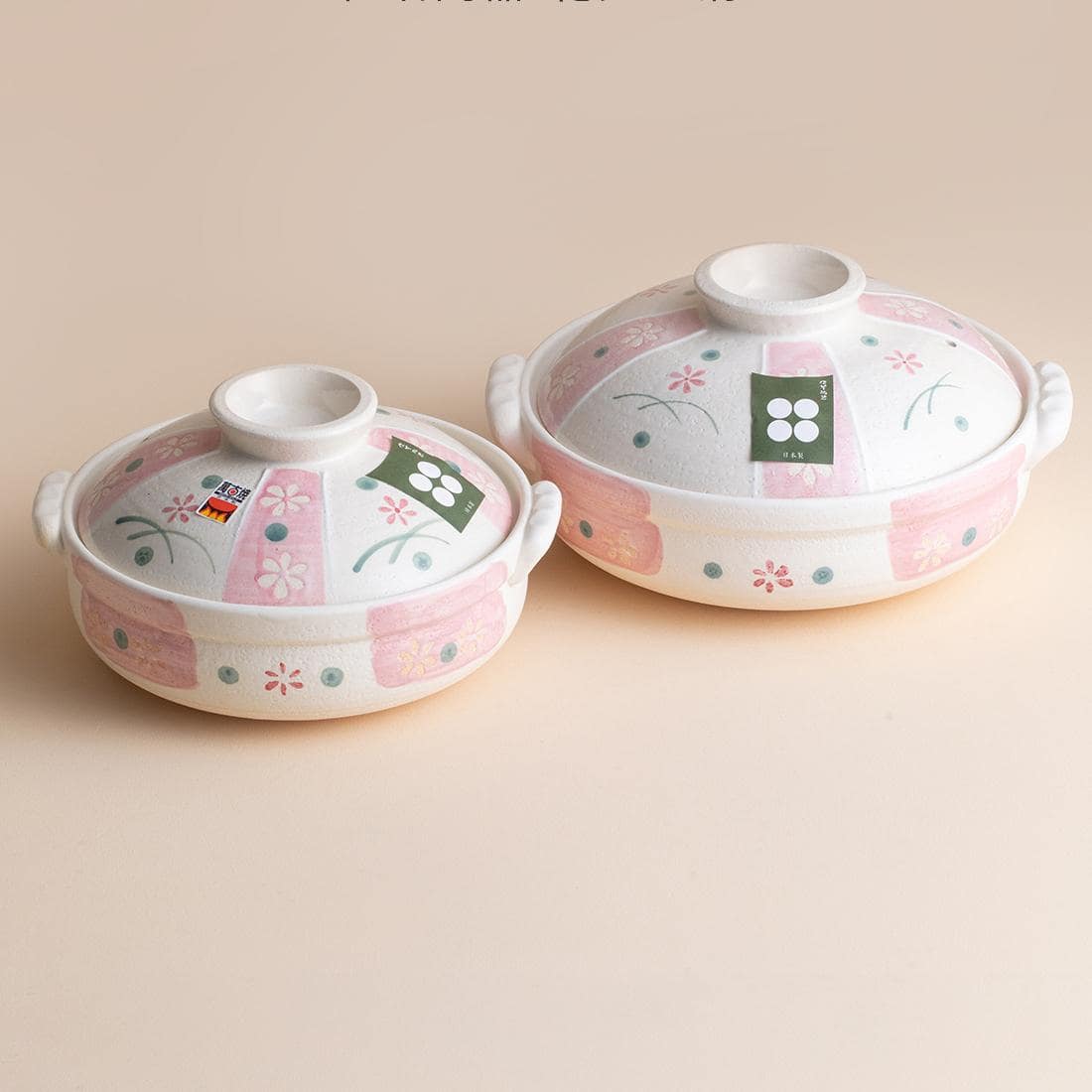
Earthenware (e.g., donabe, rustic tea bowls)
Earthenware is typically more porous than other ceramics, especially if unglazed or partially glazed. This porosity makes it susceptible to absorbing liquids and odors, which can lead to staining or even cracking if not properly managed.
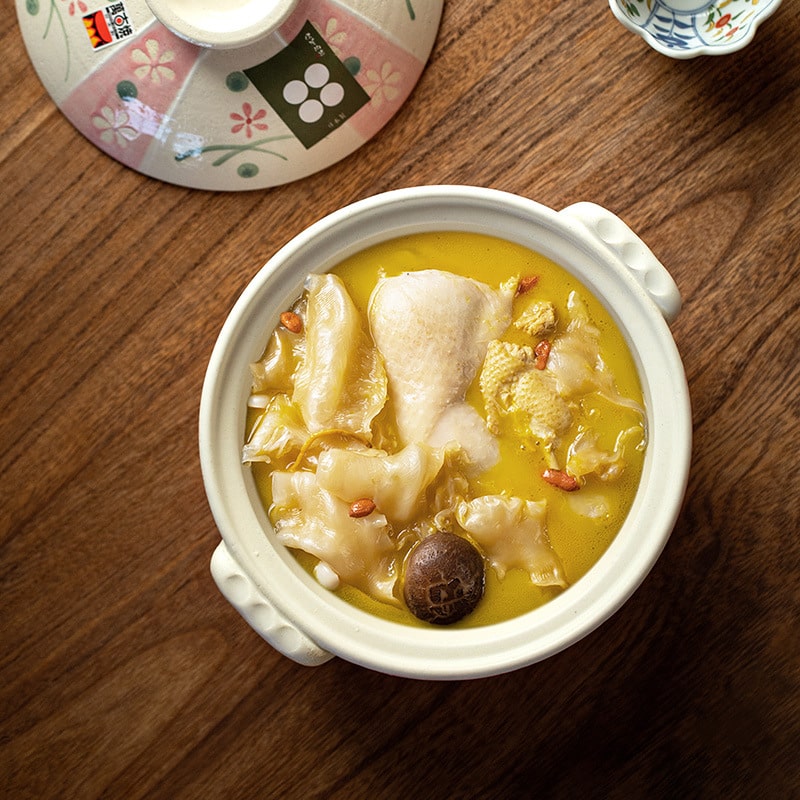
- Pre-Use Preparation (for unglazed/partially glazed items like donabe): Before first use, some earthenware requires "curing" or "sealing." For donabe clay pots, this often involves simmering a thin rice porridge in the pot for an hour. The starch helps to seal the tiny pores, preventing future leaks and strengthening the pot. Always check manufacturer instructions for specific curing processes.
- Washing: Hand wash only. Use warm water and a mild, non-abrasive dish soap. Avoid harsh detergents or scouring pads, which can scratch glazes or damage unglazed surfaces. For stubborn food residues, soak the item in warm water for a short period, then gently scrub with a soft sponge or cloth.
- Drying: Thorough drying is crucial for earthenware. Due to its porosity, moisture can linger, potentially leading to mold or mildew. Air dry completely, ideally in a well-ventilated area, or gently wipe with a soft, dry cloth. Ensure items are fully dry before storing.
- Avoiding Stains and Odors: Rinse immediately after use. Avoid leaving highly pigmented foods or liquids (like coffee or tea) in earthenware for extended periods. If odors develop, a baking soda paste can sometimes help neutralize them, but always test on an inconspicuous area first.
- Temperature Shock: Earthenware is more prone to thermal shock than stoneware or porcelain. Avoid sudden changes in temperature, such as placing a hot dish directly into cold water or vice-versa.
Stoneware (e.g., many everyday bowls, mugs, plates)
Stoneware is fired at higher temperatures than earthenware, making it less porous and generally more durable. It often has a rustic, weighty feel.
- Washing: Most glazed stoneware can be safely hand washed with warm water and mild dish soap. While some glazed stoneware is marketed as dishwasher safe, hand washing is always recommended for handmade pieces to prevent potential chipping, dulling of glazes, or damage from harsh dishwasher detergents and high heat.
- Drying: Air dry or towel dry with a soft cloth. Ensure items are completely dry before stacking to prevent moisture buildup.
- Microwave/Oven Use: Check specific product guidelines. Many stoneware pieces are microwave and oven safe, but always verify, especially for items with metallic glazes or delicate decorative elements.
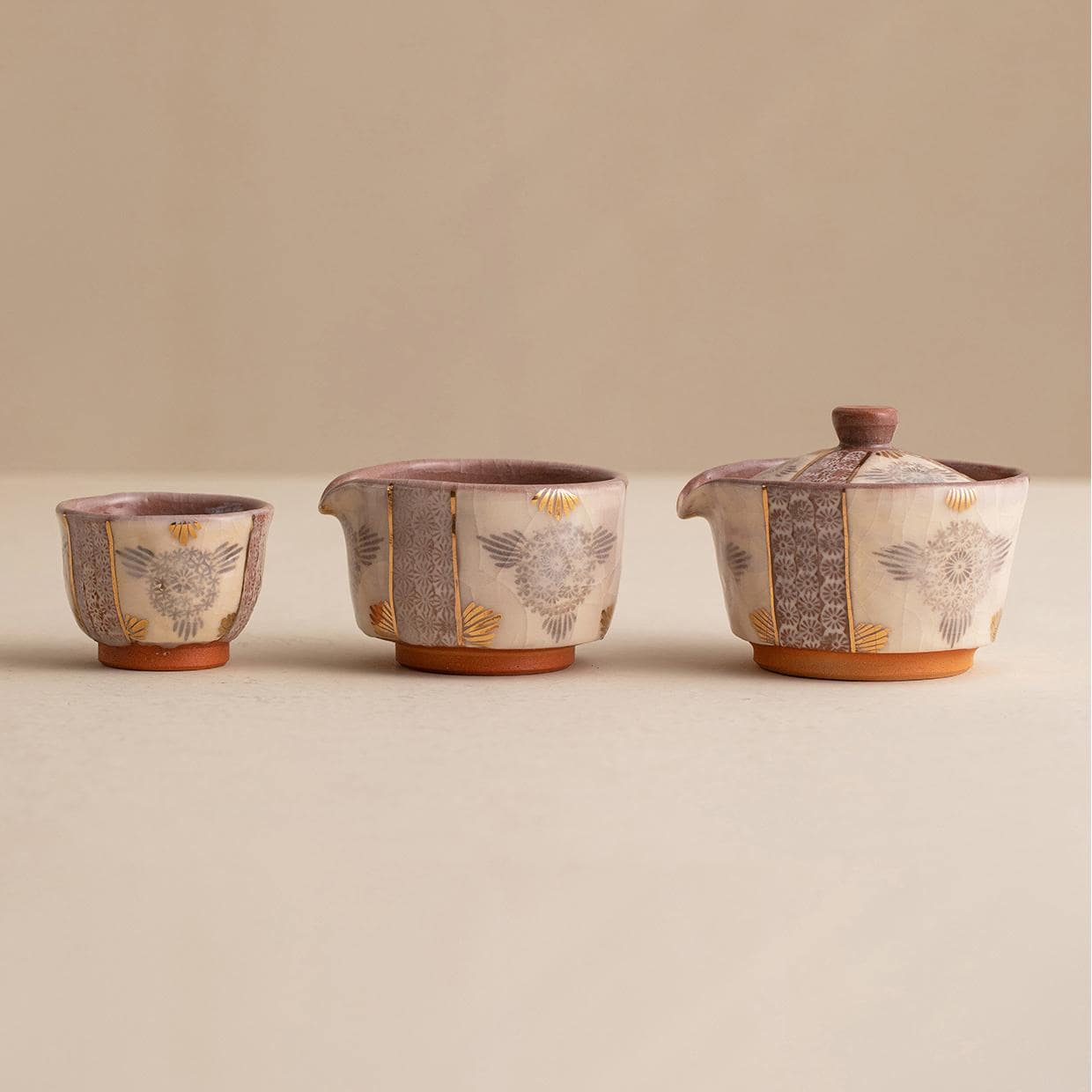
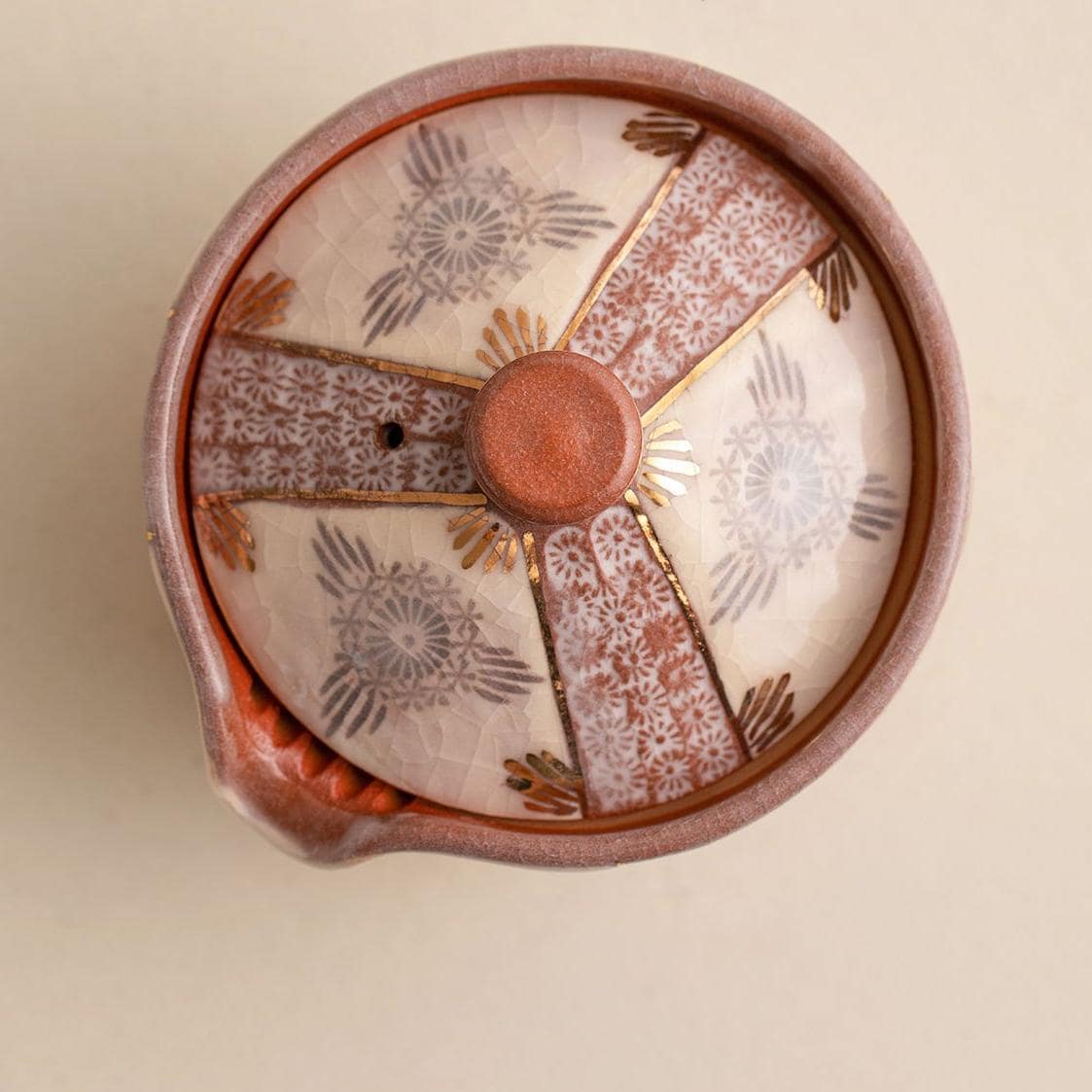
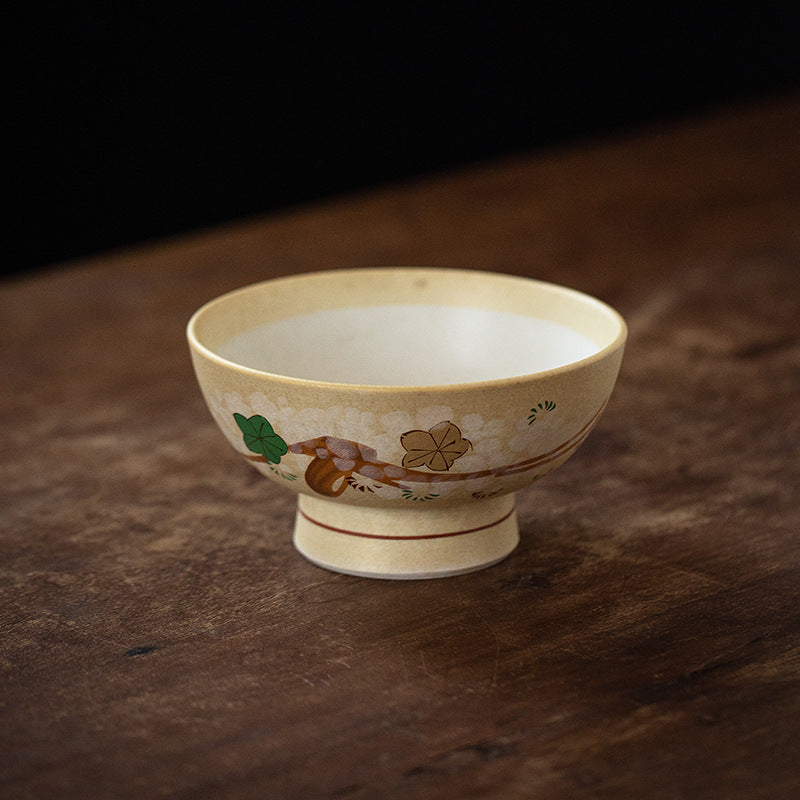
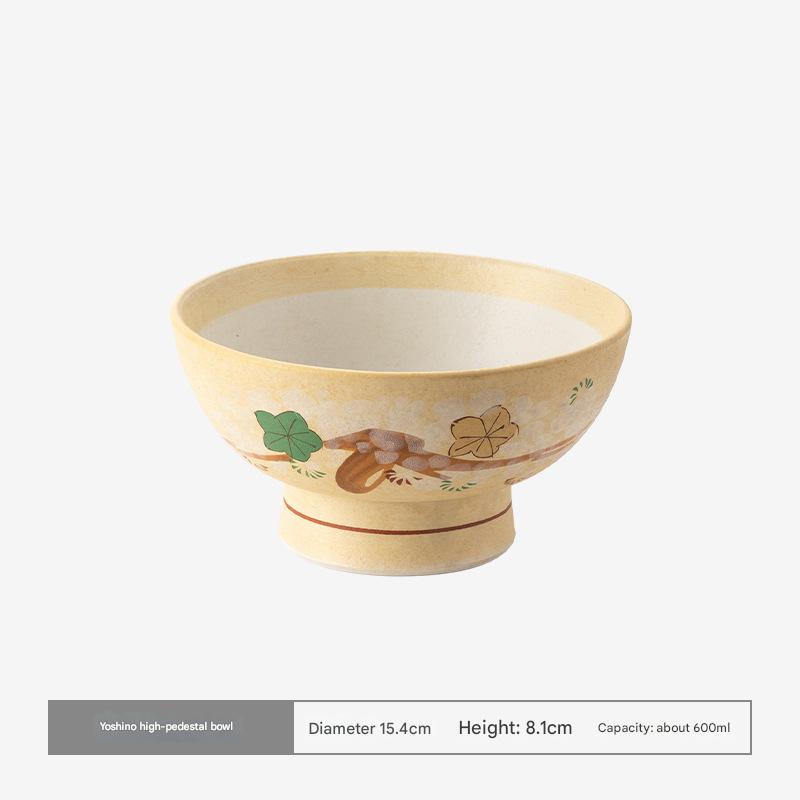
Porcelain (e.g., Arita ware, Kutani ware, delicate tea cups)
Porcelain is the least porous and strongest of the common ceramic types, fired at very high temperatures. It is known for its delicate appearance, often translucent quality, and fine finishes.
- Washing: Hand wash with warm water and a mild dish soap. While porcelain is very durable, intricate patterns, gold or silver accents, or delicate rims can be damaged by dishwashers. Use a soft sponge or cloth.
- Drying: Air dry or gently wipe with a soft, lint-free cloth to prevent water spots, especially on highly polished or glazed surfaces.
- Avoiding Chips: Despite its strength, porcelain can chip, especially around rims and handles. Handle with care and avoid knocking pieces together.
- Special Finishes: For items with overglaze enamels, gold leaf, or silver details, extreme caution is advised. These elements are more fragile and can be scratched or worn away by abrasive cleaning or harsh chemicals.
Preserving the Luster of Japanese Lacquerware (Urushi)
Japanese lacquerware, known as Urushi ware, is celebrated for its deep luster, smooth texture, and intricate designs. Made from the sap of the Urushi tree, these pieces are both exquisite and remarkably durable when properly cared for. However, they are sensitive to certain conditions.
- Washing: Always hand wash your lacquerware. Use lukewarm water and a very soft sponge or cloth with a tiny amount of mild dish soap. Avoid hot water, as excessive heat can cause the lacquer to warp, crack, or lose its sheen over time. Never use abrasive sponges, scrub brushes, or harsh detergents.
- Drying: Immediately after washing, gently wipe the piece dry with a soft, lint-free cloth. Do not air dry, as water spots can dull the finish. Ensure no water remains in crevices or around edges.
- Temperature Sensitivity: Lacquerware is sensitive to extreme temperatures. Avoid placing it in direct sunlight for extended periods, near heat sources like stoves or radiators, or in very cold environments. This can cause the lacquer to crack, fade, or become brittle. Never put lacquerware in a microwave, oven, or dishwasher.
- Avoiding Scratches: Lacquer surfaces can scratch. Use soft utensils (wooden or plastic) when eating from lacquer bowls. Avoid stacking pieces without protective cloths in between.
- Storage: Store lacquerware in a stable environment, away from direct sunlight and extreme temperature fluctuations. Wrap individual pieces in soft cloth or tissue paper if stacking.
- Restoration: For deep scratches or damage, professional restoration is often possible but should only be undertaken by experienced Urushi artists.
Maintaining the Brilliance of Japanese Glassware: Edo Kiriko and Beyond
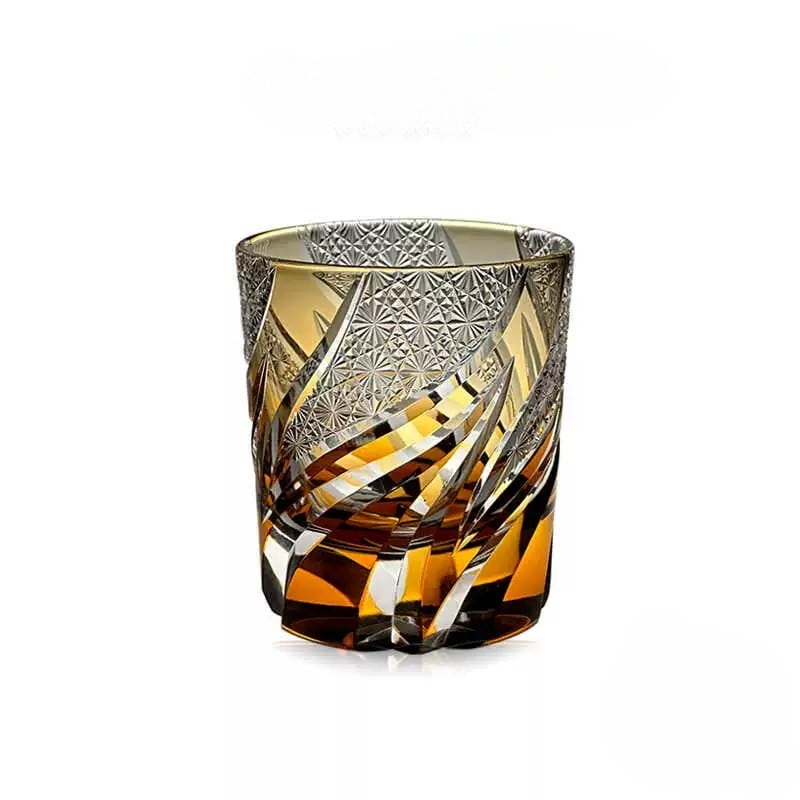
Japanese glassware, from delicate sake cups to the stunningly cut Edo Kiriko glassware, requires careful handling to maintain its clarity and brilliance. The intricate patterns and precise cuts of Edo Kiriko, in particular, demand gentle care.
- Washing: Hand wash is always recommended for handmade glassware, especially for delicate or intricately cut pieces like Edo Kiriko. Use warm (not hot) water and a mild dish soap. A soft sponge or cloth is ideal. For inside narrow glasses, a bottle brush with soft bristles can be helpful.
- Rinsing: Rinse thoroughly under warm running water to remove all soap residue. Soap film can dull the glass and leave streaks.
- Drying: Immediately after rinsing, dry your glassware with a clean, lint-free microfiber cloth. This prevents water spots and mineral deposits, which are particularly noticeable on clear or sparkling glass. For Edo Kiriko, gently pat dry the cut areas to avoid snagging the cloth on sharp edges. Holding the glass up to a light source while drying helps ensure no spots are missed.
- Handling: Always hold glassware by the body, not the stem or rim, especially when washing or drying. Stems are often the weakest point. Avoid gripping too tightly.
- Avoiding Chips and Cracks: Store glassware upright in a cabinet where pieces won't knock against each other. For delicate items, consider using cabinet liners or felt dividers. Avoid stacking glasses unless they are specifically designed for it, as this can lead to chips or breakage.
- Temperature Shock: While glass is generally more resilient to temperature changes than ceramics, extreme thermal shock can still cause it to crack. Avoid pouring very hot or very cold liquids into a glass that is already at an opposite extreme temperature.
- Dishwasher Use (Generally Not Recommended): While some modern machine-made glassware may be dishwasher safe, handmade and artisan pieces, especially Edo Kiriko, should never go into a dishwasher. The high heat, harsh detergents, and vigorous water jets can cause etching, dullness, or chipping of the delicate cuts and rims.
General Best Practices for All Japanese Tableware
Beyond material-specific advice, some universal tableware tips apply to all your cherished Japanese items, ensuring their long-term preservation.
- Hand Wash is King: For virtually all handmade Japanese ceramics, lacquerware, and glassware, hand washing is the safest and most recommended method. It allows for gentle cleaning, prevents chipping, and avoids the harsh conditions of dishwashers.
- Avoid Harsh Chemicals and Abrasives: Never use abrasive cleaners, steel wool, scouring pads, or strong chemical detergents. These can scratch delicate surfaces, strip glazes, dull finishes, or damage the integrity of lacquer and glass. Stick to mild dish soap and soft cloths or sponges.
- Prevent Temperature Shock: Sudden and extreme changes in temperature can cause cracks, especially in ceramics and glass. Allow items to cool down naturally before washing, and avoid placing hot items on cold surfaces or vice-versa.
- Handle with Care: Always handle your pieces gently. Avoid knocking them together, especially when washing or placing them in a sink. When carrying multiple items, use a tray or carry them individually to prevent collisions.
- Keep Away from Direct Sunlight and Extreme Heat/Cold: Prolonged exposure to direct sunlight can fade colors, especially on lacquerware and some glazed ceramics. Extreme temperatures can cause warping, cracking, or material degradation over time.
- Read Manufacturer Instructions: Whenever possible, refer to any specific care instructions provided by the artisan or retailer. They often have the most precise advice for their unique creations.
Displaying and Storing Your Japanese Collections
Proper display and storage are just as important as cleaning for the long-term health and beauty of your artisan ceramics, lacquerware, and glassware.
- Display Safely: When displaying items, choose stable surfaces away from high-traffic areas where they might be accidentally knocked over. Consider enclosed display cabinets to protect items from dust and reduce the risk of accidental damage. Ensure shelves are sturdy enough to bear the weight of your collection.
- Prevent Dust Buildup: Dust can be abrasive and dull finishes. Regularly dust your displayed items with a soft, dry cloth or a feather duster.
- Protect from UV Light: If displaying items near windows, consider UV-filtering glass for your cabinet or window treatments to prevent fading and material degradation.
- Storage for Ceramics: Stack plates with felt or soft cloth dividers to prevent scratching. Store bowls and cups carefully, ensuring they don't chip each other. For fragile or valuable pieces, individual padded boxes are ideal.
- Storage for Lacquerware: Store in a stable environment, ideally in a cabinet or drawer away from direct light and extreme temperatures. Wrap individual pieces in soft, breathable cloth (like cotton or silk) to protect them from dust and scratches. Avoid plastic wraps, which can trap moisture.
- Storage for Glassware: Store glasses upright. Use cabinet liners or non-slip mats to prevent movement. For stemware, consider hanging racks or specialized storage boxes. Ensure there is enough space between items to prevent them from knocking into each other.
By following these detailed product care guidelines, you can ensure that your handmade Japanese ceramics, lacquerware, and glassware remain cherished parts of your home for years to come. These pieces are not just functional objects; they are a testament to enduring artistry and a bridge to Japanese culture, deserving of mindful care and appreciation. From intricate Edo Kiriko glassware to rustic tea bowls, our Sakitime collection offers a wide array of items that embody this spirit of craftsmanship.
Ready to discover your next piece of authentic Japanese artistry? Browse our curated collection of ceramics, lacquerware, sake sets, chopsticks, glassware, and tea ware at Sakitime. Each item is chosen for its beauty, quality, and heritage, waiting to bring a touch of Japan to your everyday life.
Wagashi: Japanese Sweets and Aesthetic Tradition
Hariya Kinuyo: Soft in Form, Powerful Beneath
Related Posts

How to Care for Handmade Japanese Ceramics, Lacquerware, and Glassware

How to Care for Handmade Japanese Ceramics, Lacquerware, and Glassware

How to Care for Handmade Japanese Ceramics, Lacquerware, and Glassware

The History of Chopsticks

How to Care for Handmade Japanese Ceramics, Lacquerware, and Glassware

The Story of Urushi

How to Care for Handmade Japanese Ceramics, Lacquerware, and Glassware