
How to Care for Handmade Japanese Ceramics, Lacquerware, and Glassware
Understanding the Essence of Handmade Japanese Tableware Care
The allure of authentic Japanese tableware lies not just in its exquisite beauty and functionality, but also in the rich stories and centuries of craftsmanship embedded within each piece. Whether it's the rustic charm of a handmade ceramic bowl, the gleaming elegance of traditional lacquerware, or the delicate artistry of Edo Kiriko glassware, these items are more than mere utensils; they are a bridge to Japanese culture and a testament to enduring skill. To truly appreciate and preserve these treasures, understanding proper care is paramount. This guide from Sakitime will help you ensure your cherished Japanese ceramics, lacquerware, and glassware remain vibrant and beautiful for generations, allowing you to create memorable dining experiences and enjoy their aesthetic appeal day after day.
Proper product care is not just about cleaning; it's about respecting the artisan's work and maintaining the integrity of the materials. Each type of material—ceramic, lacquer, and glass—possesses unique characteristics that demand specific attention. By adopting thoughtful maintenance routines, you extend the life of your tableware, prevent damage, and keep their original luster intact. Let's delve into the specific care tips that will safeguard your investment and allow these beautiful pieces to continue enriching your home.
General Principles for All Handmade Japanese Tableware
Before we dive into material-specific advice, there are several overarching principles that apply to the care of virtually all handmade Japanese tableware. Adhering to these general guidelines will significantly contribute to the longevity and pristine condition of your collection.
- Handle with Care: Handmade items, by their very nature, are often more delicate than mass-produced alternatives. Always handle them gently, avoiding sudden impacts or rough placement on hard surfaces. The intricate designs and subtle variations that make them unique can also make them more susceptible to chips, cracks, or scratches.
- Avoid Harsh Detergents and Abrasive Cleaners: Strong chemicals, abrasive sponges, or scouring pads can strip away finishes, dull surfaces, or scratch delicate materials. Opt for mild, pH-neutral dish soap and soft cloths or sponges.
- No Dishwashers, Microwaves, or Ovens (Unless Specified): This is a crucial rule for most handmade Japanese tableware. The extreme temperatures, harsh detergents, and forceful water jets of dishwashers can cause thermal shock, fading, cracking, or even complete destruction. Similarly, microwaves and conventional ovens can damage many materials, especially those with metallic accents, delicate glazes, or intricate lacquer coatings. Always assume hand-washing and air-drying are required unless the artisan or manufacturer explicitly states otherwise.
- Wash Immediately After Use: Food residues, especially acidic ones, can stain or etch surfaces if left for too long. Promptly rinse and wash your items after each use to prevent stubborn stains and make cleaning easier.
- Avoid Sudden Temperature Changes: Rapid shifts from hot to cold, or vice-versa, can cause materials like ceramics and glass to crack due to thermal shock. Allow items to cool naturally before washing, and avoid pouring very hot liquids into cold vessels or vice-versa.
Nurturing Your Japanese Ceramics: Pottery & Porcelain
Japanese ceramics encompass a vast spectrum, from rustic, unglazed stoneware like Bizen-ware to delicate, translucent porcelain like Arita-ware. Each type, while sharing common needs, has specific nuances in its product care.
Caring for Glazed Ceramics (Porcelain, Stoneware, Earthenware with Glaze)
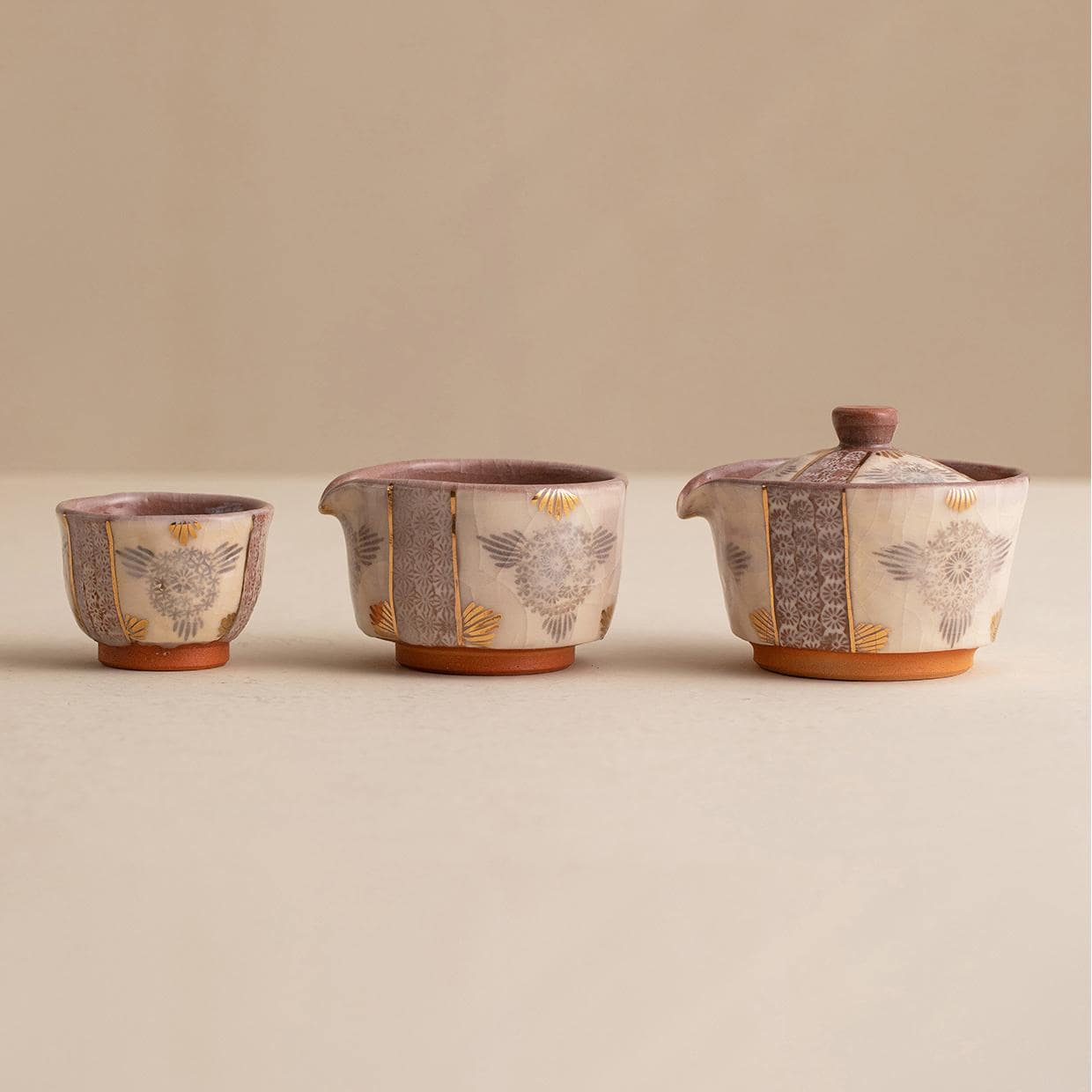
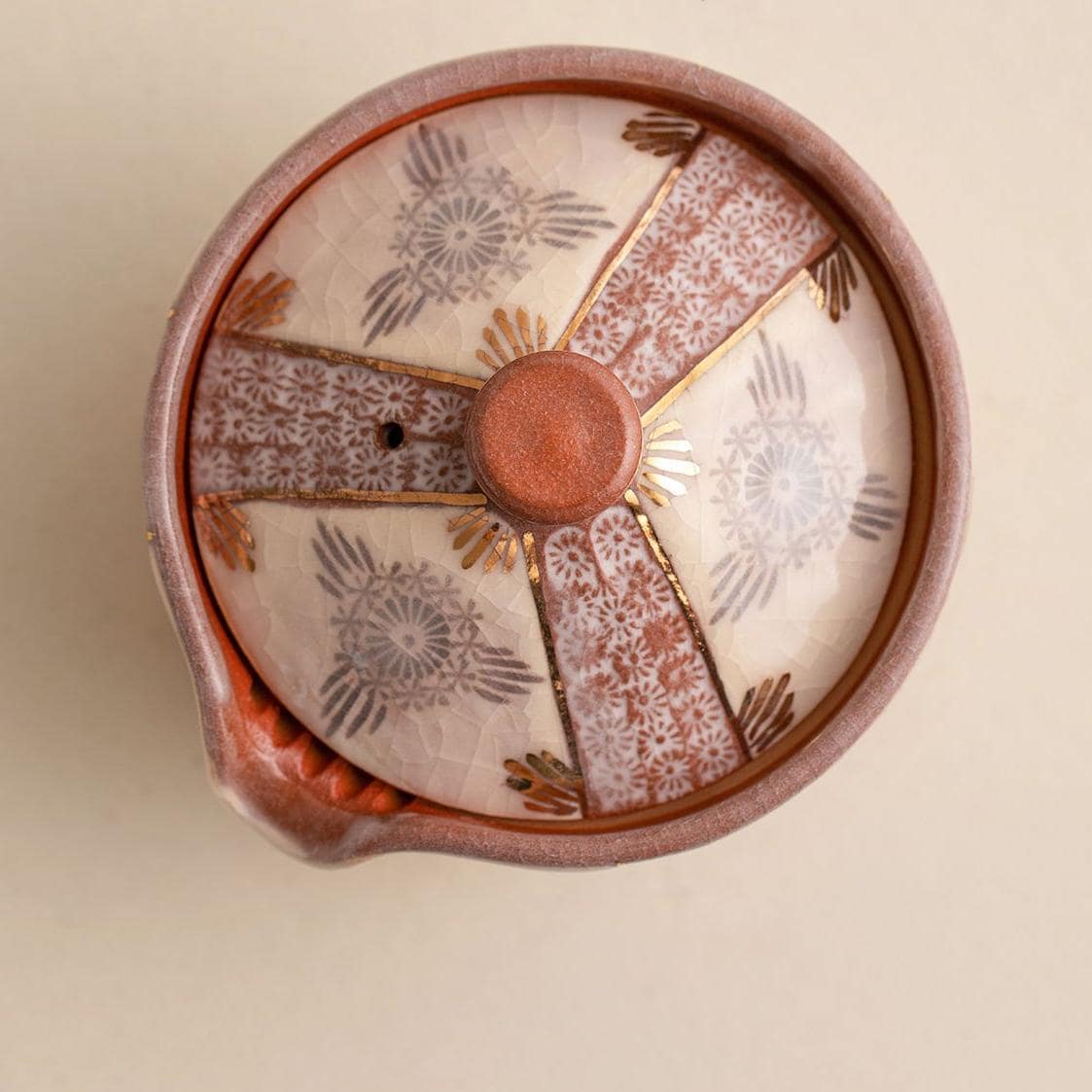
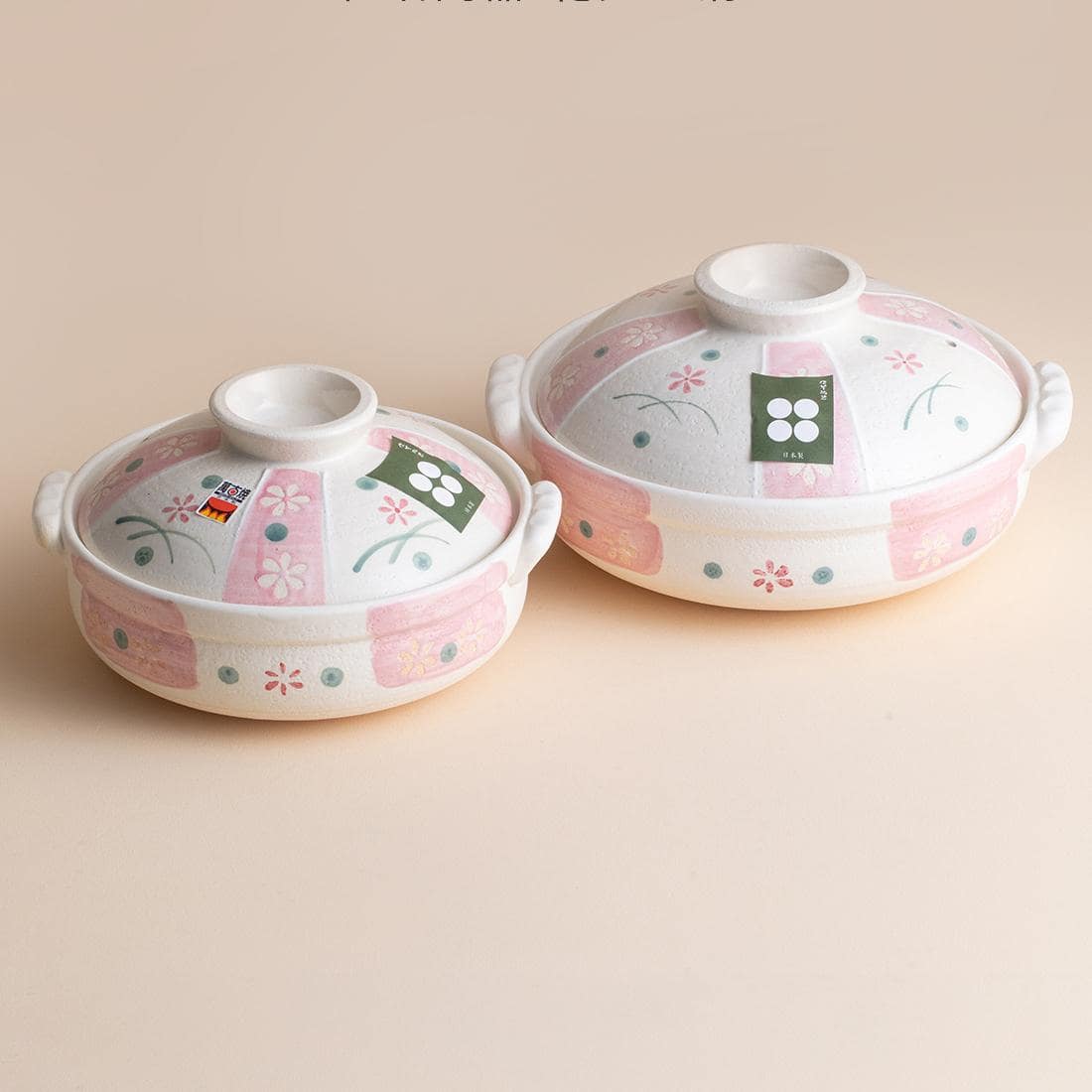
Most of the beautiful bowls, plates, and cups you find, like those in Sakitme's artisan ceramics collection, are glazed. The glaze protects the clay and provides its unique finish.
- Gentle Hand Washing: Use warm water and a small amount of mild dish soap. Wash with a soft sponge or cloth. Avoid metal scrubbers or abrasive cleaners, which can scratch the glaze.
- Rinsing and Drying: Rinse thoroughly with clean water to remove all soap residue. Air-dry on a rack or carefully dry with a soft, lint-free cloth to prevent water spots. Ensure items are completely dry before storing to prevent mildew or odors.
- Avoiding Stains: While glazes are generally resistant, highly pigmented foods (like curry or turmeric) or strong teas can sometimes leave faint stains on lighter glazes over time. Wash promptly, and for persistent stains, a paste of baking soda and water can sometimes help, but test in an inconspicuous area first.
- Thermal Shock: This is particularly important for ceramics. Never place a hot ceramic item directly into cold water, or vice versa. Allow items to gradually adjust to temperature changes. For instance, if serving hot tea, pre-warm the teacup with a little warm water before pouring boiling water.
- Stacking: When storing, place a soft cloth or paper towel between stacked plates or bowls to prevent scratching the glazed surfaces.
Caring for Unglazed Ceramics (e.g., Some Raku, Bizen, or certain Teaware)
Unglazed ceramics, often prized for their natural texture and ability to develop a patina over time, require a slightly different approach.
- Porous Nature: Unglazed ceramics are porous and can absorb liquids, flavors, and odors. For this reason, many traditionalists prefer to use unglazed tea ware only for specific types of tea.
- No Soap (for many unglazed teapots): For unglazed teapots, especially Yixing or traditional Japanese kyusu designed to season with tea, it's often recommended to avoid soap entirely. Simply rinse with hot water and dry thoroughly. The absorbed tea oils contribute to the teapot's character and enhance future brews.
- Staining: Expect unglazed surfaces to stain and develop a unique patina with use. This is often considered part of their beauty and history.
- Thorough Drying: Due to their porosity, unglazed items must be completely air-dried to prevent mold or musty smells. Store them in a well-ventilated area.
Preserving the Luster of Japanese Lacquerware (Urushi)
Japanese lacquerware, known as urushi, is renowned for its deep, lustrous finish and intricate designs. Made from the sap of the lacquer tree, these pieces are both durable and exquisitely delicate, requiring specific product care to maintain their beauty.
- Gentle Hand Washing Only: Always wash lacquerware by hand using lukewarm water and a very mild, non-abrasive dish soap. Use a soft sponge or a gentle cloth. Never use abrasive scrubbers, steel wool, or harsh detergents, which will scratch and dull the precious lacquer surface.
- Avoid Prolonged Soaking: Do not let lacquerware soak in water for extended periods. This can cause the lacquer to swell, crack, or peel. Wash quickly and efficiently.
- Immediate Drying: After washing, rinse thoroughly and immediately dry the lacquerware with a soft, lint-free cloth. Water spots can sometimes leave marks, and moisture should not be allowed to sit on the surface.
- Temperature Extremes: Lacquerware is sensitive to extreme temperatures. Do not expose it to direct sunlight for long periods, as UV rays can cause fading or cracking. Avoid placing it in very hot environments (like near a stove or heater) or very cold ones. Never put lacquerware in a microwave, oven, or dishwasher.
- Avoid Sharp Objects: Be careful when using knives or other sharp utensils with lacquerware, as they can scratch the surface. Use wooden or plastic utensils when serving if possible.
- Storage: Store lacquerware in a cool, dry place, away from direct sunlight and extreme temperature fluctuations. If stacking, place soft cloths or paper between items to prevent scratches.
- Rejuvenation: Over time, the luster of lacquerware might diminish slightly. A very small amount of pure camellia oil (tsubaki oil), gently rubbed in with a soft cloth, can sometimes help restore its sheen. Always test on an inconspicuous area first.
Maintaining the Brilliance of Japanese Glassware: From Edo Kiriko to Modern Designs
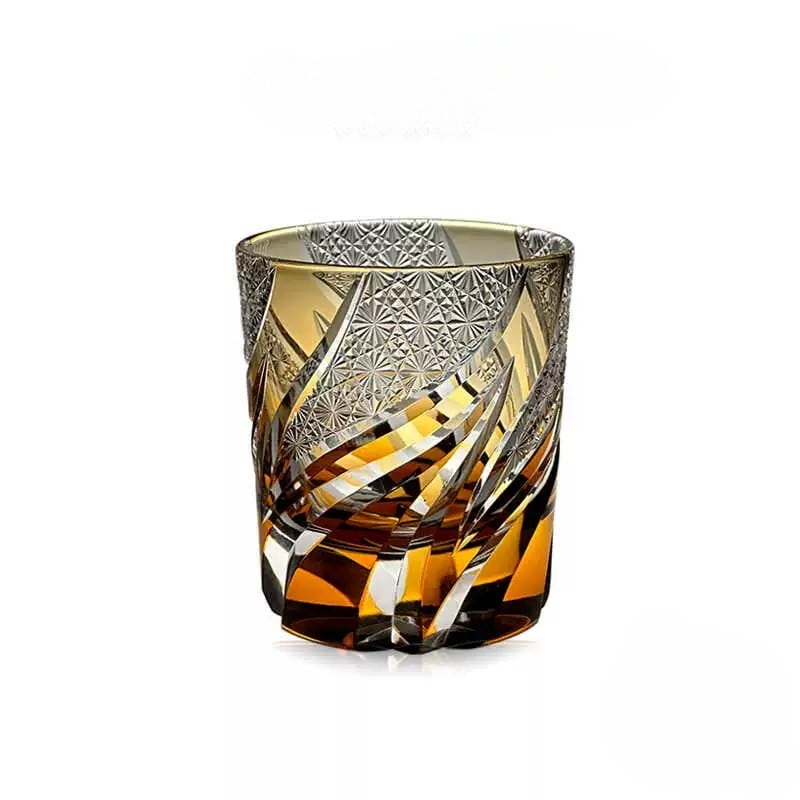
Japanese glassware, particularly the stunning Edo Kiriko with its intricate cut patterns, demands careful attention to preserve its clarity and sparkle. Other delicate glassware, whether hand-blown or pressed, also benefits from these specific care tips.
- Hand Washing is Essential: As with ceramics and lacquerware, dishwashers are generally a no-go for fine Japanese glassware. The high temperatures, strong detergents, and forceful sprays can cause etching, chipping, or breakage, especially for delicate rims and intricate designs.
- Mild Soap and Warm Water: Use a small amount of mild dish soap and warm (not hot) water. A soft sponge or cloth is ideal for cleaning the surfaces. For intricate cuts in Edo Kiriko, a soft brush (like a dedicated glass brush or even a soft toothbrush) can help gently clean crevices.
- Preventing Water Spots: Hard water can leave unsightly mineral deposits. To prevent water spots, rinse glassware thoroughly with warm water and then immediately dry it with a soft, lint-free cloth. Microfiber cloths are excellent for this purpose, leaving a streak-free shine. For extra shine, you can use a small amount of distilled water for the final rinse.
- Handling Delicate Stems and Rims: When washing glasses with stems, hold the bowl of the glass, not the stem, to prevent twisting and breakage. Be extra gentle with delicate rims, as they are most prone to chipping.
- Avoid Thermal Shock: Glassware can also be susceptible to thermal shock. Avoid pouring very hot liquids into cold glasses or placing hot glasses into cold water. Allow glasses to come to room temperature gradually.
- Storage: Store glassware upright to prevent chipping of the rims. If stacking is necessary (though generally not recommended for delicate pieces), ensure there's a soft buffer like a felt pad between each item. Store away from areas where they might be easily knocked over or exposed to dust.
Special Considerations for Sake Sets and Tea Ware
As Sakitime specializes in sake sets and tea ware, it's worth highlighting specific care for these beloved categories, which often combine ceramic, glass, and sometimes even metal elements.
-
Sake Cups (Ochoko) and Bottles (Tokkuri):
- Ceramic Sake Ware: Follow the ceramic care guidelines. Hand wash with mild soap and warm water. Ensure tokkuri are thoroughly rinsed to remove all sake residue and dried completely to prevent odors.
- Glass Sake Ware: Adhere to the glassware care instructions. Be particularly gentle with delicate glass ochoko.
-
Tea Pots (Kyusu) and Tea Cups (Yunomi):
- Unglazed Clay Teapots: As mentioned, many traditional Japanese teapots, especially those made from specific clays, are designed to "season" over time. For these, avoid soap entirely. Simply rinse thoroughly with hot water after use, gently wipe the exterior, and allow to air dry completely. This builds up a patina that enhances the tea's flavor.
- Glazed Ceramic Teapots and Yunomi: Follow standard glazed ceramic care. Hand wash with mild soap, rinse well, and dry.
- Tea Strainers/Infusers: If your teapot has a built-in mesh or removable strainer, clean it immediately after use to prevent tea leaf residue from hardening and becoming difficult to remove. A soft brush can be helpful.
- Chawan (Matcha Bowls): These often have unique glazes or unglazed finishes. Follow ceramic care guidelines, being mindful of their often delicate nature and sometimes uneven surfaces. For unglazed chawan, rinsing thoroughly with hot water and drying is often sufficient.
Smart Storage Solutions for Your Cherished Collection
Proper storage is just as vital as proper cleaning in preserving your authentic Japanese tableware. It protects items from dust, accidental damage, and environmental factors when they're not in use.
- Dedicated Storage Space: Designate a cabinet or shelf specifically for your handmade items. Avoid overcrowding, which increases the risk of chips and cracks.
- Soft Linings and Dividers: Line shelves with soft material like felt, cork, or rubber matting to provide a cushion. For stacking plates or bowls, place soft felt pads, paper towels, or even thin foam sheets between each item to prevent scratches and chips.
- Upright Storage for Glassware: Store glasses and stemmed ware upright to protect delicate rims. Avoid hanging them by the base, as this can put stress on the stem.
- Separate Delicate Items: If you have particularly fragile pieces, consider storing them individually or in display cases where they are less likely to be bumped or knocked over.
- Avoid Excessive Humidity and Dryness: While most items are stable, extreme fluctuations in humidity can affect some materials, particularly lacquerware. Store in a stable environment.
- Dust Protection: Keep items in enclosed cabinets or use display covers to protect them from dust, which can be abrasive and dull surfaces over time.
The Joy of Use & The Art of Maintenance
Ultimately, your beautiful Japanese ceramics, lacquerware, and glassware are meant to be used and enjoyed. While the thought of caring for such delicate items might seem daunting at first, incorporating these product care tips into your routine will quickly become second nature. Each act of careful washing, drying, and thoughtful storage is an extension of your appreciation for the artisan's skill and the cultural heritage embodied in each piece.
By investing a little time and effort in proper maintenance, you ensure that these exquisite pieces remain vibrant, functional, and beautiful for years to come, ready to elevate your dining experiences and become cherished heirlooms. Embrace the journey of caring for your authentic Japanese tableware, and let its beauty continue to inspire and delight.
Ready to discover your next cherished piece? Browse Sakitime's exquisite collection of Japanese tableware, artisan ceramics, sake sets, and tea ware today!
Related Posts

How to Care for Handmade Japanese Ceramics, Lacquerware, and Glassware

How to Care for Handmade Japanese Ceramics, Lacquerware, and Glassware

The History of Chopsticks

How to Care for Handmade Japanese Ceramics, Lacquerware, and Glassware

The Story of Urushi

How to Care for Handmade Japanese Ceramics, Lacquerware, and Glassware

Bamboo vs. Metal Chopsticks: Choosing the Right Material for Your Needs