
How to Care for Handmade Japanese Ceramics, Lacquerware, and Glassware
The allure of authentic Japanese tableware lies not only in its exquisite beauty and masterful craftsmanship but also in the stories it tells and the traditions it embodies. From the earthy warmth of handmade Japanese ceramics to the shimmering elegance of Edo Kiriko glassware and the profound depth of urushi lacquerware, each piece is a work of art designed to elevate your dining experience. At Sakitime, we believe these treasures are meant to be cherished and used, not just admired from afar. However, to ensure your cherished items retain their splendor for generations, understanding proper product care is paramount. This comprehensive guide will equip you with the essential tableware tips to protect your investment and preserve the unique character of your Japanese collection.
The Art of Caring for Japanese Ceramics: Pottery and Porcelain
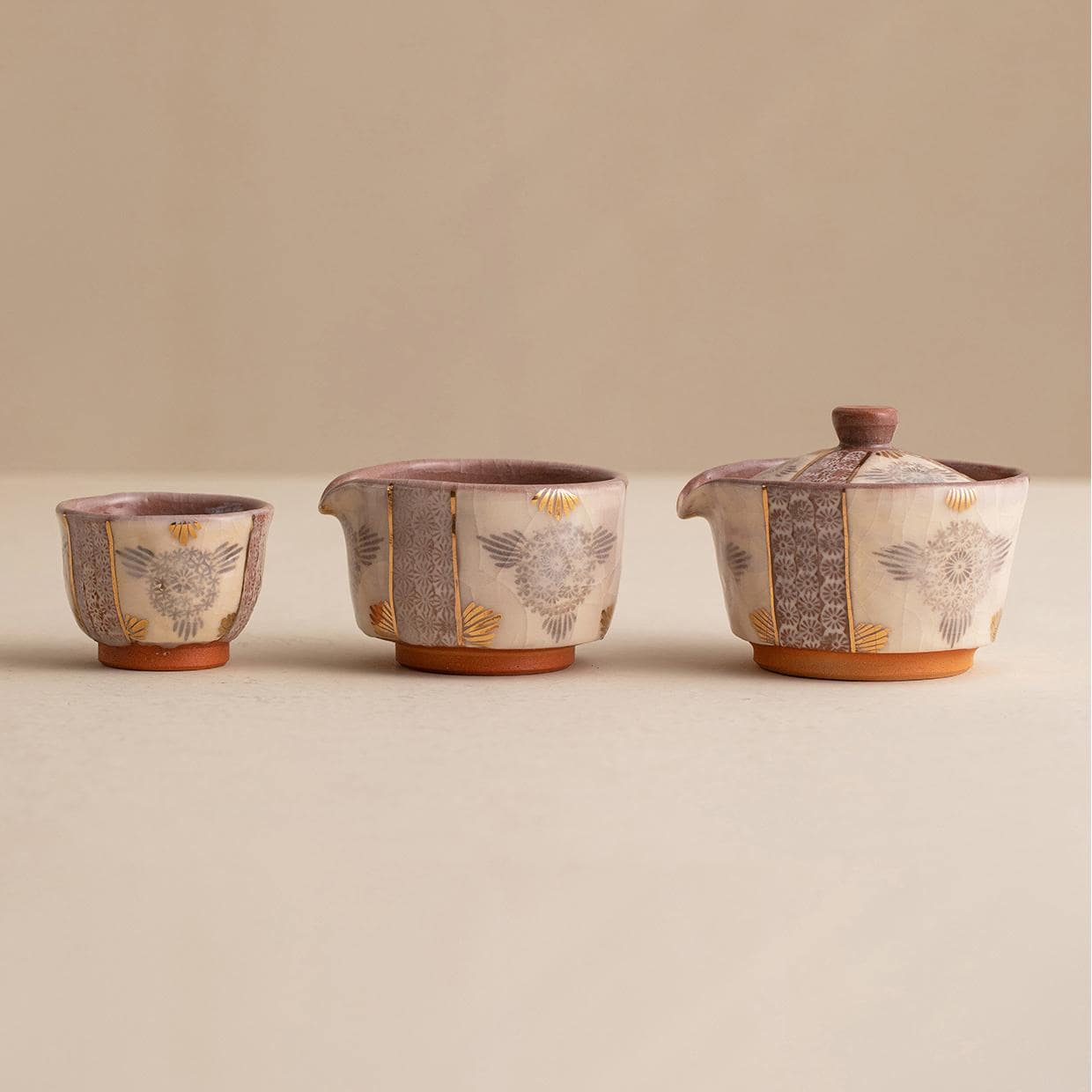
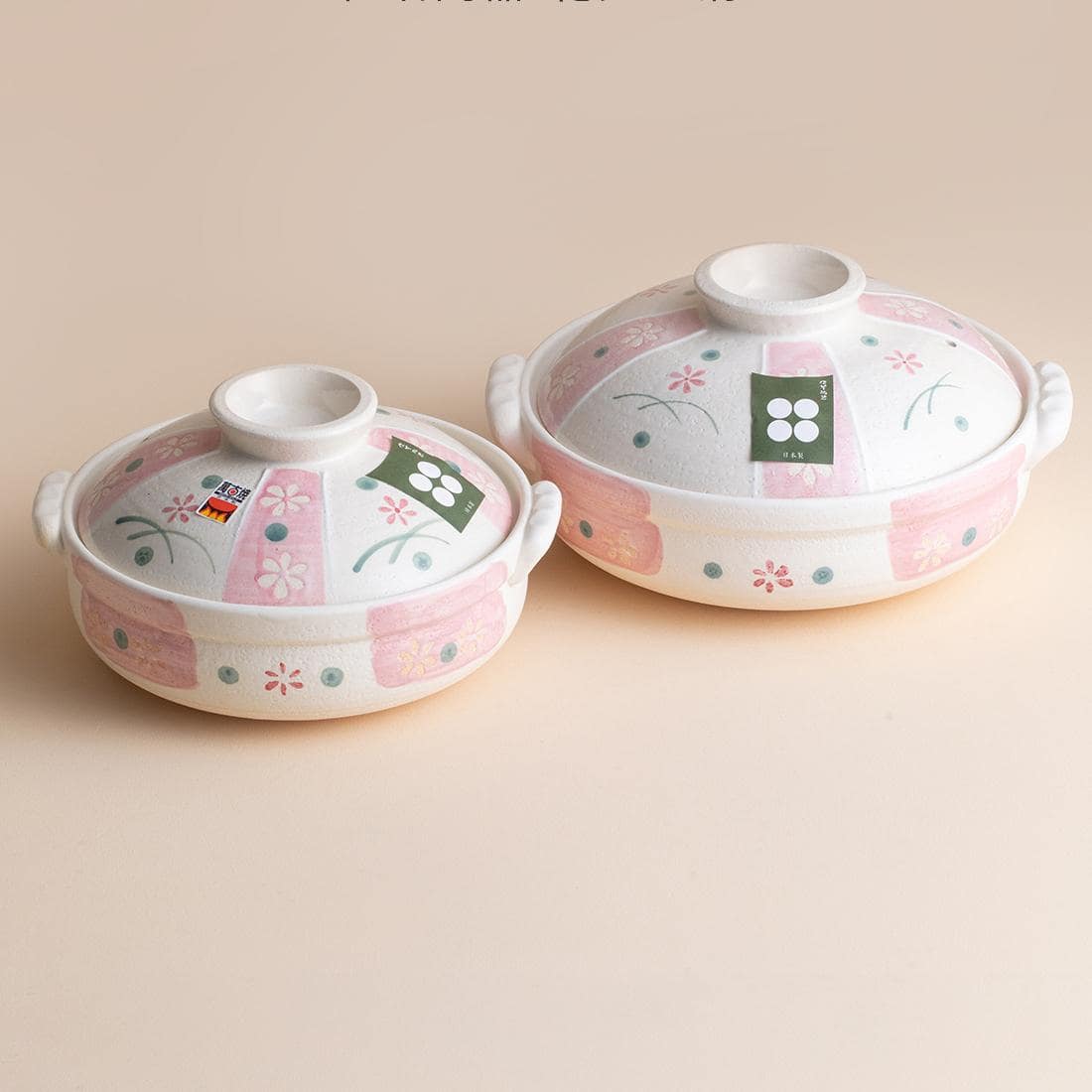
Japanese ceramics encompass a vast spectrum, from rustic stoneware (yakimono) and delicate porcelain (jiki) to charming earthenware (toki). Each type possesses unique characteristics that influence its care. Proper product care for these items is crucial to prevent chipping, staining, and dulling.
Washing Your Japanese Ceramics
- Handwashing is King: Always opt for handwashing over dishwashers. The intense heat, harsh detergents, and vigorous water jets of a dishwasher can cause irreparable damage, including chipping, dulling glazes, and even cracking due to temperature shock.
- Gentle Cleansing: Use lukewarm water and a mild, pH-neutral dish soap. Avoid abrasive sponges, scourers, or harsh chemical cleaners that can scratch delicate glazes or erode unglazed surfaces. A soft cloth or sponge is ideal.
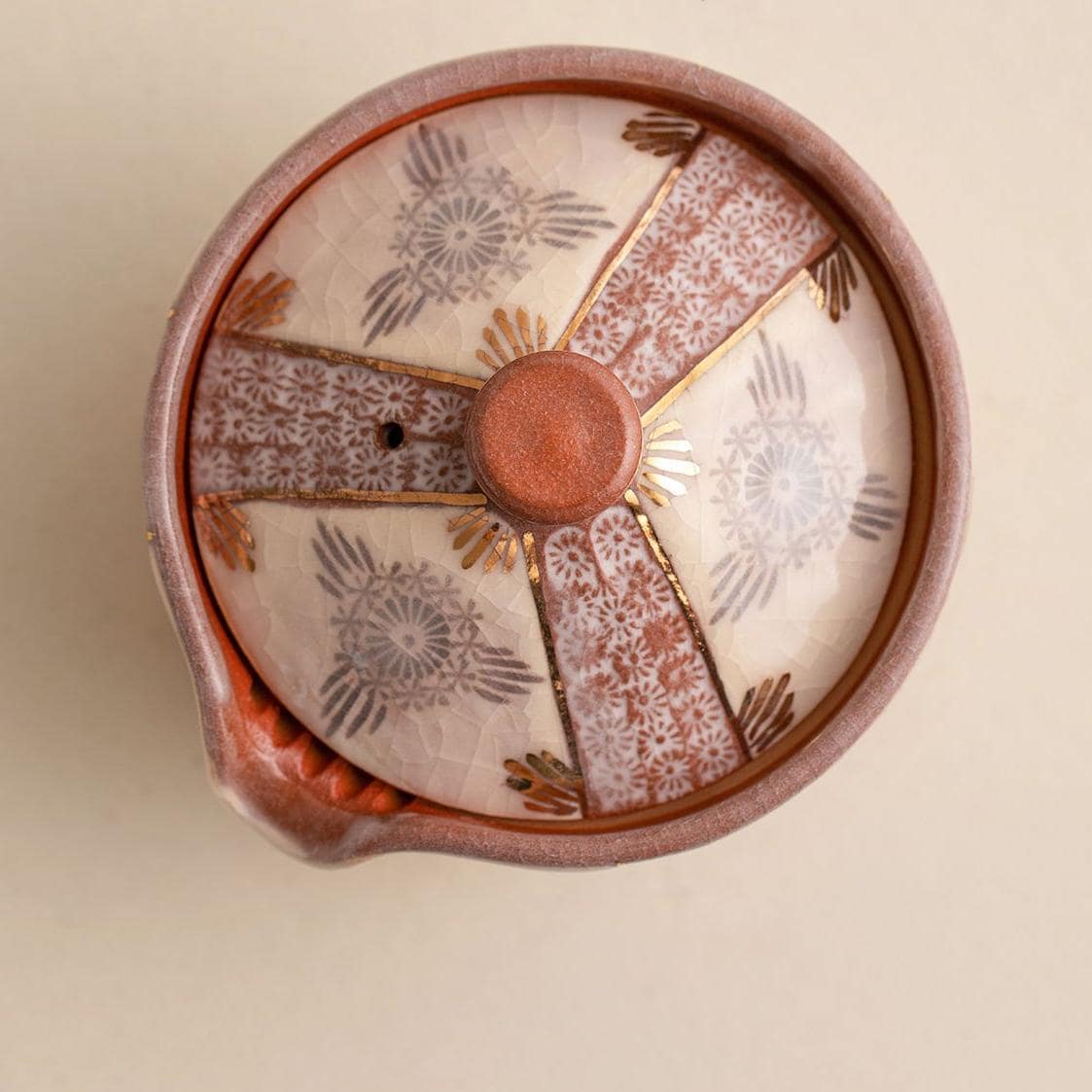
- Mind the Glaze and Unglazed Areas: For items with a crackle glaze (kannyu), be aware that the fine lines can absorb colors from strong pigments like coffee or tea over time, creating a beautiful patina. If you wish to minimize this, rinse immediately after use. Unglazed bottoms or rims can be more porous; gently scrub with a soft brush if needed, but avoid prolonged soaking.
- Rinsing Thoroughly: Ensure all soap residue is completely rinsed off to prevent streaks or a soapy film.
Drying and Storage for Ceramics
- Air Dry or Soft Cloth: Allow ceramics to air dry on a rack, or gently wipe dry with a soft, lint-free cloth. This prevents water spots, especially on darker glazes.
- Preventing Chips: When storing, avoid stacking ceramics directly on top of each other, especially if they have unglazed bottoms or delicate rims. Use felt pads, paper towels, or soft cloths between plates and bowls to prevent scratches and chips. Store cups and mugs right-side up to protect rims.
- Temperature Considerations: Avoid sudden and extreme temperature changes, which can lead to thermal shock and cause cracks. Never place a hot ceramic dish directly onto a cold surface, or vice-versa. While some modern ceramics are microwave-safe, always check the manufacturer's recommendations. Traditional or antique pieces are generally not microwave or oven safe.
Preserving the Lustre of Japanese Lacquerware (Urushi)
Japanese lacquerware, known as urushi, is renowned for its deep, lustrous finish and remarkable durability, achieved through meticulous layering of sap from the urushi tree. These pieces, ranging from elegant bowls and trays to intricate bento boxes, are not merely functional but carry centuries of artistic tradition. Proper product care for lacquerware is vital to maintain its exquisite sheen and prevent damage.
Washing Your Lacquerware
- Gentle Handwashing Only: Like ceramics, lacquerware absolutely requires handwashing. Dishwashers will strip the lacquer, dull its finish, and cause it to crack or peel.
- Lukewarm Water and Mild Soap: Use lukewarm water and a very mild, non-abrasive dish soap. Avoid harsh detergents or those with strong chemicals.
- Soft Cloth or Sponge: Gently wipe the surface with a soft cloth or sponge. Never use abrasive scrubbers, steel wool, or scouring pads, as these will scratch the delicate lacquer finish.
- No Soaking: Do not soak lacquerware for extended periods. Prolonged exposure to water can compromise the integrity of the lacquer layers. Wash quickly and efficiently.
Drying and Storage for Lacquerware
- Immediate Drying: The most critical step in lacquerware care is to dry it immediately after washing. Use a soft, lint-free cloth to gently wipe away all water droplets. This prevents water spots and maintains the lacquer's pristine appearance.
- Environmental Considerations: Store lacquerware away from direct sunlight, which can fade the colors and dry out the lacquer, potentially causing cracks. Avoid extreme temperature fluctuations and excessive humidity or dryness. A stable room temperature and moderate humidity are ideal.
- Protection from Scratches: When stacking or storing, place soft cloths or paper between lacquerware pieces to prevent scratches. Avoid placing heavy or sharp objects directly on lacquer surfaces.
- Long-Term Care: For very old or antique lacquerware, occasional light polishing with a specialized lacquer polish (if recommended by an expert) can help maintain its luster. However, for most modern pieces, diligent cleaning and proper storage are sufficient. If your lacquerware sustains significant damage, seek professional restoration rather than attempting repairs yourself.
Gentle Handling of Edo Kiriko Glassware and Other Japanese Glass
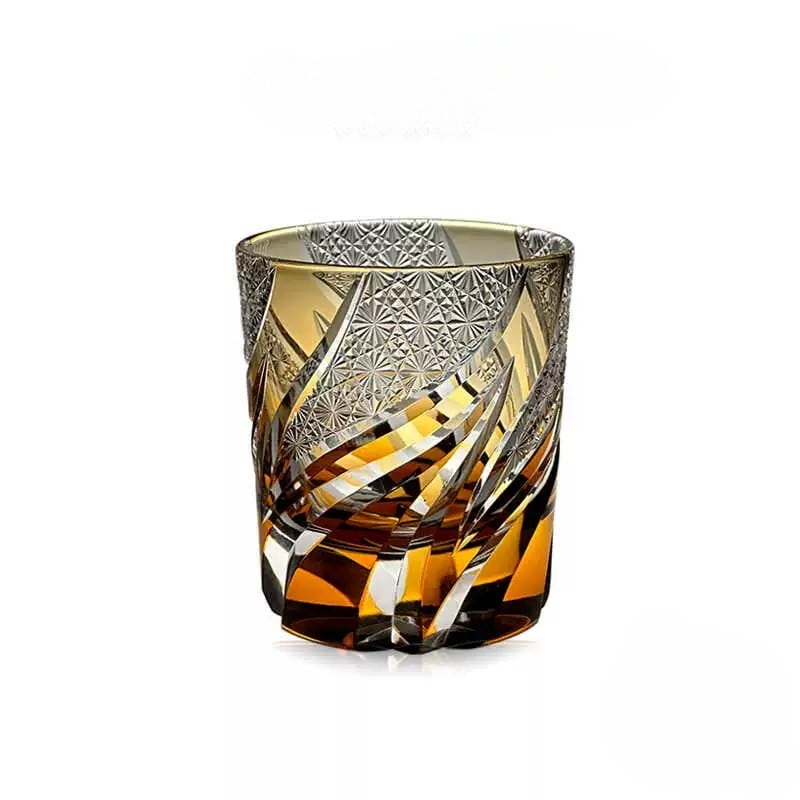
Japanese glassware, particularly the intricate cut glass of Edo Kiriko, is celebrated for its dazzling beauty and precision craftsmanship. These pieces, whether sake cups, tumblers, or decorative bowls, are designed to catch and refract light in mesmerizing ways. To preserve their clarity and delicate patterns, specific product care is essential.
Washing Your Japanese Glassware
- Handwashing is Best for Intricacy: While some plain glass items might tolerate a dishwasher on a gentle cycle, for precious Edo Kiriko or other intricately designed Japanese glass, handwashing is always the safest bet. The high heat and harsh detergents of a dishwasher can dull the glass, etch the surface, or even chip delicate edges.
- Lukewarm Water and Mild Soap: Use lukewarm water and a small amount of mild, pH-neutral dish soap.
- Soft Sponge or Cloth: Gently clean the glass with a soft sponge or cloth. For Edo Kiriko, pay special attention to the cut areas, using a soft brush (like a very soft toothbrush) to gently clean crevices if necessary, but avoid applying too much pressure.
- Rinse Thoroughly: Rinse completely under lukewarm running water to remove all soap residue.
Drying and Storage for Glassware
- Polishing for Shine: Immediately after rinsing, gently dry and polish your glassware with a clean, lint-free cloth (microfiber is excellent). This prevents water spots and brings out the glass's natural sparkle. For stemware, hold the base and bowl separately when polishing to avoid twisting the stem.
- Preventing Chips and Scratches: Store glassware upright in a cabinet where it won't be knocked or scratched by other items. Avoid stacking glasses unless they are specifically designed for it, as this can lead to chips and cracks. If storing in a display cabinet, ensure there's enough space between pieces.
- Temperature Sensitivity: Glass can be susceptible to thermal shock. Avoid pouring extremely hot liquids into cold glasses, or placing hot glasses onto cold surfaces. Let items cool down gradually.
- Abrasive Avoidance: Never use abrasive cleaners, scouring pads, or steel wool on glass, as these will scratch the surface and permanently damage its clarity.
General Tableware Tips for Longevity Across All Materials
While each material has its specific care requirements, some fundamental tableware tips apply universally to ensure the longevity and beauty of your entire Sakitime collection.
- Avoid Sudden Temperature Changes: This is a recurring theme because thermal shock is a common cause of damage across ceramics, lacquerware, and glass. Always allow items to adjust gradually to temperature shifts.
- Say No to Abrasives: This cannot be stressed enough. Harsh sponges, chemical cleaners, and abrasive detergents are the enemy of delicate finishes and glazes. Stick to mild, pH-neutral soaps and soft cleaning tools.
- Thoughtful Storage: Proper storage is key to preventing accidental damage. Whether it's separating ceramic plates with soft cloths, ensuring lacquerware is away from direct sunlight, or giving glassware enough space, thoughtful organization protects your investment.
- Regular Inspection: Periodically inspect your items for any signs of wear, small chips, or changes in finish. Addressing minor issues early can prevent them from worsening.
- Dedicated Cleaning Tools: Consider having specific sponges or cloths designated solely for your handmade Japanese tableware to ensure they remain clean and free of harsh residues from other cleaning tasks.
- Understand Material Limitations: Not all items are microwave, oven, or freezer safe. When in doubt, assume they are not, especially for traditional or artisan pieces.
Addressing Common Care Misconceptions
Misinformation can be just as damaging as neglect when it comes to precious items. Let's dispel some common myths regarding product care for your Japanese tableware.
- "Dishwashers are fine for everything on the gentle cycle." This is perhaps the most dangerous misconception. For handmade Japanese ceramics, lacquerware, and delicate glassware like Edo Kiriko, dishwashers are almost universally a no-go. The combination of high heat, strong detergents, and mechanical agitation is a recipe for disaster.
- "Soaking helps loosen stubborn food." While soaking might be acceptable for some robust modern dinnerware, it's detrimental for others. Lacquerware should never be soaked. Porous ceramics can absorb water and odors, and glazes can be compromised. It's better to clean immediately after use or gently wipe with a damp cloth if food has dried.
- "Any dish soap will do." Many conventional dish soaps contain harsh chemicals, strong degreasers, or even abrasive particles that can strip finishes, dull glazes, or leave residues. Always opt for a mild, gentle, and ideally pH-neutral liquid dish soap.
- "Handmade items are inherently fragile." While delicate in appearance, many Japanese ceramics and lacquerware are made to be durable for everyday use. The "fragility" comes more from improper handling and care rather than inherent weakness. With the right care, they are incredibly resilient.
When to Seek Professional Help or Consider Replacement
Despite the most diligent product care, accidents can happen, or wear and tear may eventually take its toll. Knowing when to seek professional help or consider replacement is part of being a responsible owner of fine Japanese tableware.
- Significant Cracks or Chips: While small, barely noticeable chips might be part of an item's "story," a significant crack that compromises the structural integrity of a ceramic piece makes it unsafe for use, especially with hot liquids. Large chips can also pose a risk.
- Lacquer Damage: If your lacquerware shows extensive peeling, deep scratches that expose the base material, or significant dullness that cannot be restored with gentle cleaning, it might be time to consult a specialist. Professional urushi repair is a highly skilled craft.
- Dullness or Etching on Glass: If your beautiful Edo Kiriko glassware has become noticeably dull, cloudy, or etched due to hard water or improper washing, it's often irreversible. While some surface stains can be removed, deep etching usually means the item's aesthetic appeal is permanently diminished.
- When Safety is Compromised: Any item that is severely cracked, has sharp broken edges, or is shedding material (e.g., flaking glaze or lacquer) should be retired from use to ensure safety.
For truly valuable or antique pieces, professional restoration can be an option. However, for everyday items, sometimes replacement is the most practical choice. It's an opportunity to explore new designs and continue your journey with beautiful Japanese tableware.
Embracing the Journey: Enjoying Your Japanese Tableware
Ultimately, the purpose of these exquisite items is to be used and enjoyed. The act of caring for your handmade Japanese ceramics, lacquerware, and glassware is an extension of the appreciation for their artistry and heritage. Each time you gently wash a sake cup or carefully dry a ceramic bowl, you connect with the craftsmanship and cultural significance embedded within it. By following these tableware tips, you’re not just preserving an object; you’re preserving a piece of art, a tradition, and a source of daily joy.
Don't let the thought of careful maintenance deter you from incorporating these beautiful pieces into your daily life. With a little knowledge and mindful habits, your collection will bring you pleasure for many years to come, becoming treasured heirlooms that tell their own stories. We invite you to explore the diverse and stunning range of authentic Japanese tableware that Sakitime has to offer. Find your next cherished piece and begin a new chapter of culinary delight and aesthetic appreciation. You can browse our full collection and discover more beautiful items to enhance your home by visiting our Sakitme Japanese tableware collections.
Ready to expand your collection or find the perfect gift? Browse our exquisite selection of Japanese ceramics, lacquerware, sake sets, and glassware at Sakitime today and discover pieces that will bring beauty and tradition to your table for years to come.
Cute, Unique, & Traditional Chopstick Patterns to Choose
Best Chopsticks for Sushi: How to Choose & Use Them
Related Posts

How to Care for Handmade Japanese Ceramics, Lacquerware, and Glassware

How to Care for Handmade Japanese Ceramics, Lacquerware, and Glassware

The History of Chopsticks

How to Care for Handmade Japanese Ceramics, Lacquerware, and Glassware

The Story of Urushi

How to Care for Handmade Japanese Ceramics, Lacquerware, and Glassware

Bamboo vs. Metal Chopsticks: Choosing the Right Material for Your Needs