
How to Care for Handmade Japanese Ceramics, Lacquerware, and Glassware
Embracing the Art of Care: Nurturing Your Handmade Japanese Treasures
There's a unique joy that comes from holding a piece of authentic Japanese tableware in your hands – the delicate curve of a handmade ceramic tea bowl, the lustrous sheen of a lacquer plate, or the intricate sparkle of an Edo Kiriko glass. These aren't just functional items; they are pieces of art, embodying centuries of craftsmanship, tradition, and aesthetic philosophy. Each piece tells a story, a testament to the artisan's skill and dedication. To truly honor these treasures and ensure they continue to bring beauty and utility to your home for generations, understanding proper product care is paramount. This comprehensive guide will walk you through the essential tableware tips for preserving the exquisite beauty and integrity of your Japanese ceramics, lacquerware, and glassware.
General Principles for All Handmade Japanese Tableware
Before diving into the specifics of each material, there are fundamental principles of product care that apply across the board to most handmade Japanese items. Adhering to these general guidelines will significantly extend the life and beauty of your collection, whether it's a delicate sake set or robust artisan ceramics.
- Gentle Handling is Key: Handmade items, by their nature, are often more delicate than mass-produced equivalents. Always handle them with care, avoiding bumps, drops, or sudden impacts.
- Avoid Harsh Chemicals and Abrasives: Stay away from strong detergents, bleach, abrasive sponges, or scouring pads. These can scratch delicate surfaces, erode finishes, or dull the luster of your beautiful pieces.
- Temperature Shock is the Enemy: Sudden and extreme changes in temperature can cause cracks, especially in ceramics and glass. Never transfer a very cold item directly into hot water, or vice-versa. Allow items to adjust to room temperature naturally.
- Hand Washing is Almost Always Best: While some items *might* be dishwasher safe (always check product descriptions), hand washing is the safest and most recommended method for nearly all handmade Japanese tableware. It allows for greater control and gentleness.
- Immediate Drying: After washing, dry your items promptly with a soft, lint-free cloth. This prevents water spots, especially on glass and lacquerware, and reduces the risk of moisture damage over time.
Caring for Japanese Ceramics: Pottery and Porcelain
Japanese ceramics encompass a vast and beautiful range, from earthy, rustic stoneware (like Bizen or Shigaraki ware) to refined, translucent porcelain (like Arita or Kutani ware). The care required often depends on the type of clay, glaze, and firing process, but some general rules apply.
Washing and Drying Ceramics:
- Hand Wash Only: For most Japanese ceramics, especially those with intricate designs, delicate glazes, or unglazed sections, hand washing is non-negotiable. The high heat, harsh detergents, and vigorous water jets of a dishwasher can cause chipping, cracking, fading, or even dislodge decorative elements.
- Warm, Soapy Water: Use warm water and a mild, pH-neutral dish soap. Submerge the item gently. If you have a double sink, you might consider placing a rubber mat at the bottom to prevent accidental chips.
- Soft Sponge or Cloth: Use a soft sponge or a non-abrasive cloth to gently wipe away food residue. Avoid scrubbing vigorously.
- Rinse Thoroughly: Rinse under lukewarm running water until all soap residue is gone.
- Air Dry or Soft Towel Dry: Allow pieces to air dry on a drying rack, or carefully dry them with a soft, lint-free towel. For pieces with small crevices, ensure they are completely dry before storing to prevent mold or mildew.
Special Considerations for Ceramics:
-
Unglazed or Partially Glazed Ceramics: Some traditional Japanese ceramics, particularly those used for tea ceremony or sake, may be unglazed or have unglazed bases. These pieces are often porous and can absorb liquids, leading to staining or changes in color over time – a characteristic often appreciated as part of their wabi-sabi aesthetic (patina).
- Pre-use conditioning: For highly porous or unglazed pieces, some artisans recommend a pre-use conditioning. This might involve soaking the item in lukewarm water for a few hours, or even simmering it gently in a pot of water with a tablespoon of rice starch for 15-20 minutes, then allowing it to cool in the water. This helps to seal the pores and prevent future staining. Always research the specific type of ceramic you have before attempting this.
- Immediate Cleaning: Clean these pieces immediately after use to prevent stains from setting.
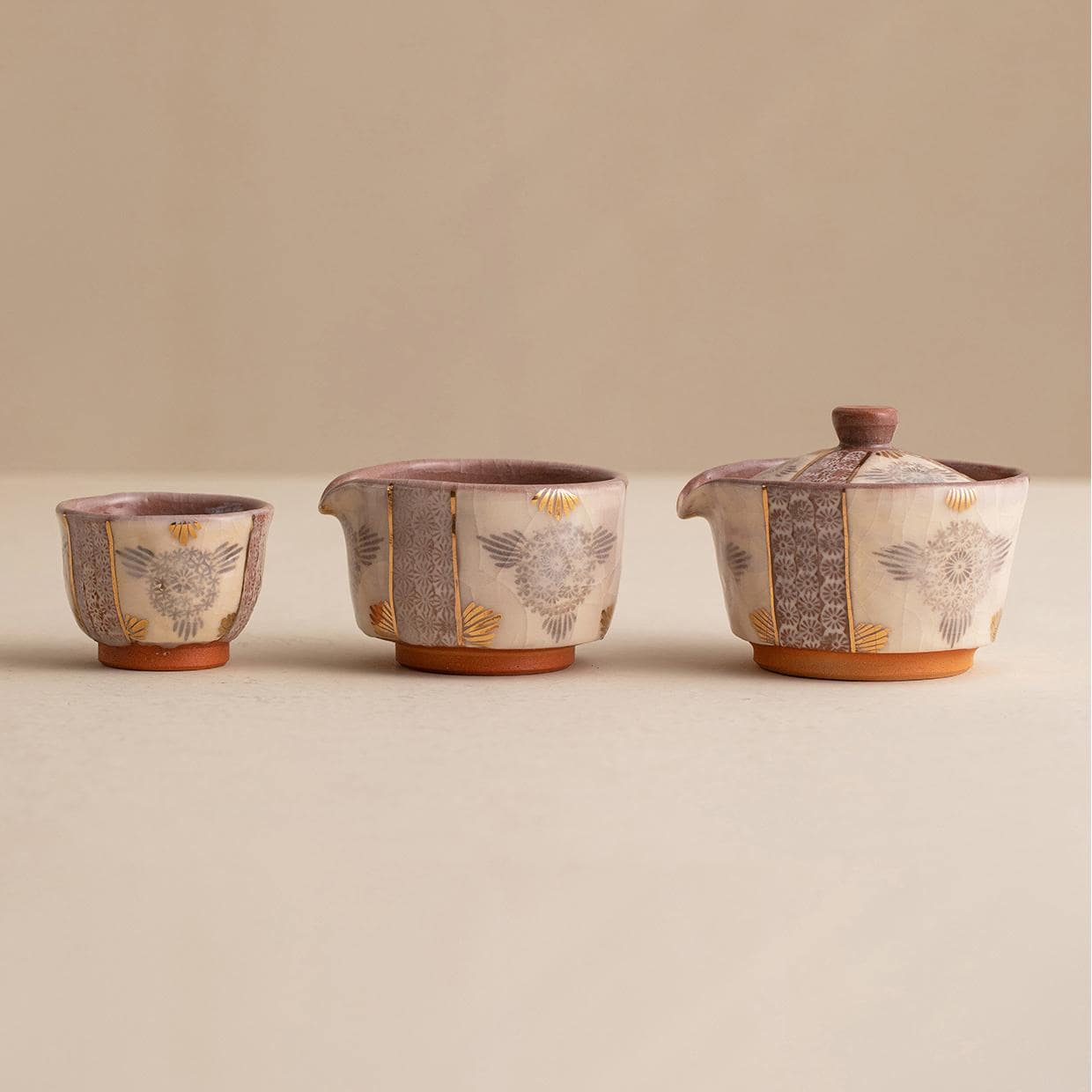
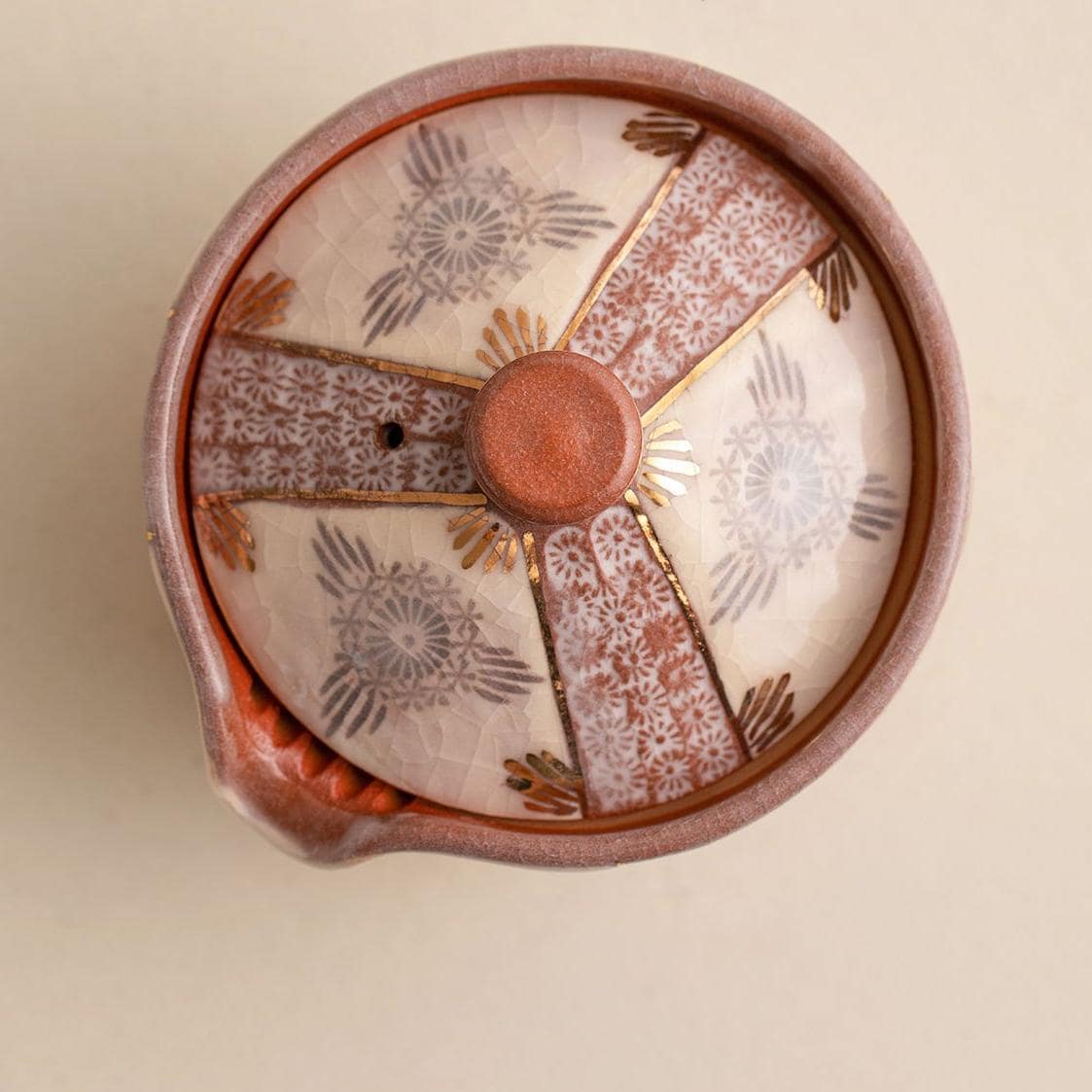
- Kannyu (Crazing): Many Japanese ceramics develop a network of fine cracks in their glaze, known as kannyu. This is often an intentional aesthetic feature, not a defect. While beautiful, these cracks can sometimes absorb liquids and stain. Treat pieces with kannyu similarly to unglazed ceramics, with prompt cleaning and gentle handling.
- Microwave and Oven Use: Most handmade ceramics are NOT microwave or oven safe, especially if they have metallic glazes, gold or silver accents, or are extremely delicate. Extreme temperatures can cause cracking or damage. Always check the product description for specific guidance.
- Storage: Store ceramic pieces carefully to prevent chipping. If stacking, place a soft cloth or felt pad between items to protect their surfaces.
Preserving Japanese Lacquerware (Urushi)
Japanese lacquerware, known as urushi, is renowned for its deep, luminous sheen and incredible durability, achieved through layers of natural lacquer derived from the urushi tree. However, despite its toughness, it requires specific, gentle care to maintain its exquisite beauty.
Washing and Drying Lacquerware:
- Gentle Hand Washing is Essential: Never put lacquerware in a dishwasher. The high heat, strong detergents, and abrasive action will cause the lacquer to crack, peel, or lose its luster irreversibly.
- Warm, Soapy Water: Use lukewarm water and a very mild, non-abrasive dish soap.
- Soft Sponge or Cloth: Gently wipe the surface with a soft sponge or a non-abrasive cloth. Avoid any scrubbing.
- Rinse Promptly: Rinse under cool or lukewarm running water to remove all soap residue.
- Immediate and Thorough Drying: This is crucial for lacquerware. Water spots can dull the finish or leave unsightly marks. Immediately dry the item completely with a soft, lint-free cloth. Do not let it air dry.
Special Considerations for Lacquerware:
- Avoid Extreme Temperatures: Lacquerware does not tolerate extreme heat or cold well. Do not expose it to direct sunlight for extended periods, place it near open flames, or use it in the microwave or oven. This can cause the lacquer to crack or warp.
- No Soaking: Avoid soaking lacquerware for prolonged periods.
- Abrasives are Forbidden: Never use abrasive cleaners, steel wool, or harsh chemicals. These will scratch and damage the delicate lacquer finish.
- Storage: Store lacquerware away from direct sunlight, extreme humidity, or excessive dryness. A cabinet or display case is ideal. If stacking bowls or plates, place a soft cloth or tissue paper between each piece to prevent scratching.
- Chopsticks and Other Utensils: Lacquer chopsticks or serving utensils should be cared for with the same gentle hand-washing and drying methods.
Maintaining Japanese Glassware: Edo Kiriko and Beyond
Japanese glassware, from the intricate cuts of Edo Kiriko to the elegant simplicity of contemporary designs, adds a touch of sophistication to any table. While glass is generally more robust than lacquer, handmade and finely cut pieces require careful attention to maintain their clarity and sparkle.
Washing and Drying Glassware:
- Hand Washing is Recommended: Especially for delicate glassware, thin-rimmed glasses, or intricate Edo Kiriko, hand washing is the safest option. Dishwashers can cause etching, chipping, or dulling over time.
- Warm, Soapy Water: Use warm water and a mild, non-abrasive dish soap. Be gentle when washing, particularly around delicate rims or intricate cut patterns.
- Soft Cloth or Sponge: Use a soft cloth or non-abrasive sponge. For intricate cuts in Edo Kiriko, a soft brush (like a clean, soft toothbrush) can help gently clean crevices, but use extreme caution.
- Rinse Thoroughly: Rinse under lukewarm running water.
- Immediate Drying and Polishing: To prevent water spots and achieve a brilliant shine, dry glassware immediately with a clean, lint-free microfiber cloth. Polish gently until sparkling. For stemware, hold the bowl, not the stem, when polishing to prevent twisting and breaking.
Special Considerations for Glassware:
- Avoid Temperature Extremes: Sudden changes in temperature can cause glass to crack or shatter. Never pour very hot liquid into a cold glass, or place a hot glass directly onto a cold surface.
- Prevent Impacts: Glass is fragile. Handle with care and avoid knocking pieces against each other or hard surfaces.
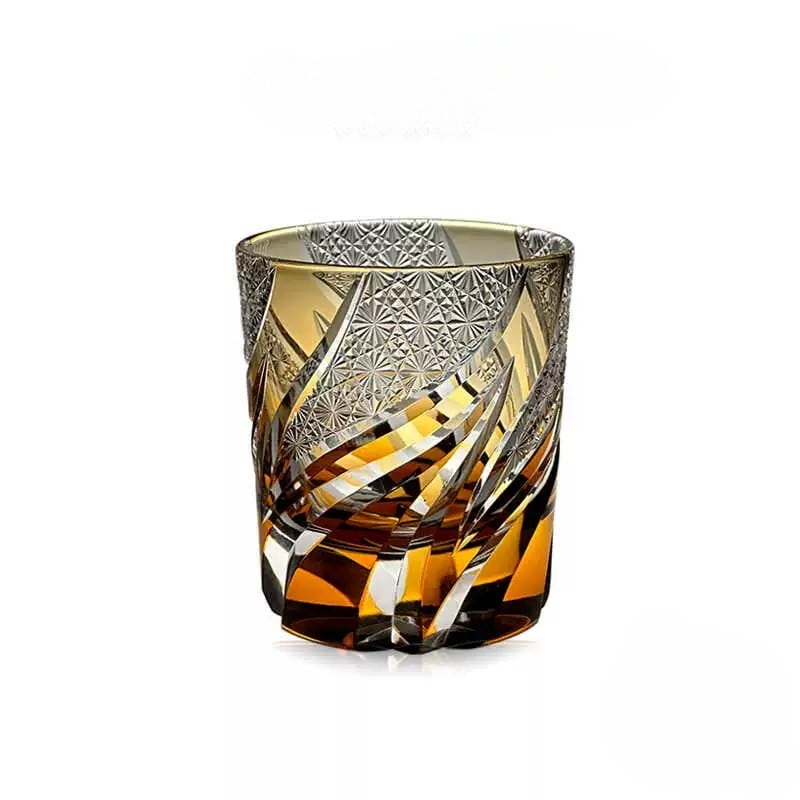
- Edo Kiriko Specifics: The intricate cut patterns of Edo Kiriko are its signature. Be extra gentle when cleaning these areas. Some Edo Kiriko may be made from lead crystal, which is softer than regular glass and more susceptible to etching if exposed to harsh detergents. Always verify the material and care instructions for your specific piece.
- Storage: Store glassware upright, ideally in a cabinet where it's protected from dust and accidental bumps. Avoid stacking unless the design explicitly allows it, and even then, use protective dividers.
Common Pitfalls to Avoid with Your Precious Tableware
To summarize and reinforce, here are the most frequent mistakes that can compromise the beauty and longevity of your cherished Japanese tableware, whether it's a sake set, tea ware, or decorative plates from our extensive collection:
- The Dishwasher: This is the number one enemy for most handmade Japanese ceramics, lacquerware, and delicate glassware. The combination of high heat, harsh detergents, and vigorous water jets is a recipe for disaster.
- The Microwave & Oven: Unless explicitly stated as safe, assume your handmade items are not suitable for microwave or oven use. This applies especially to ceramics with metallic glazes or lacquerware.
- Abrasive Cleaners & Sponges: Steel wool, scouring pads, and strong chemical cleaners will scratch, dull, and erode the delicate finishes of all three material types.
- Extreme Temperature Changes: Sudden shifts from hot to cold or vice-versa can cause thermal shock, leading to cracks in ceramics and glass, and warping or cracking in lacquerware.
- Prolonged Soaking: While a quick soak might be okay for some items, leaving ceramics or lacquerware submerged for extended periods can lead to water absorption, staining, or damage to the finish.
- Rough Handling & Storage: Chipping, scratching, and breaking are often a result of careless handling or improper storage. Take your time, be gentle, and store items safely.
The Philosophy of Care: Appreciating Your Treasures
Caring for your handmade Japanese ceramics, lacquerware, and glassware is more than just a chore; it's an extension of the Japanese aesthetic of appreciation. It embodies the concept of mottainai – avoiding waste and valuing what you have – and reflects respect for the artisan's skill and the natural materials used. Each gentle wash, each careful dry, each mindful placement is an act of acknowledging the beauty and story held within your tableware. By investing a little time and effort in proper product care, you're not just preserving an object; you're preserving a piece of culture, a work of art, and ensuring it continues to enrich your daily life for years to come.
Discover More Authentic Japanese Tableware
We hope this guide empowers you to care for your beloved Japanese tableware with confidence. Understanding these product care tips will ensure that your artisan ceramics, elegant sake sets, timeless tea ware, and sparkling Edo Kiriko glassware remain as beautiful as the day you first acquired them. If you're inspired to expand your collection or begin your journey into the world of authentic Japanese craftsmanship, we invite you to explore our curated selection. Each piece at Sakitime is chosen for its quality, beauty, and tradition. Browse our exquisite collection of handmade Japanese tableware today and find your next cherished treasure.
Related Posts

How to Care for Handmade Japanese Ceramics, Lacquerware, and Glassware

How to Care for Handmade Japanese Ceramics, Lacquerware, and Glassware

How to Care for Handmade Japanese Ceramics, Lacquerware, and Glassware

The History of Chopsticks

How to Care for Handmade Japanese Ceramics, Lacquerware, and Glassware

The Story of Urushi

How to Care for Handmade Japanese Ceramics, Lacquerware, and Glassware