
How to Care for Handmade Japanese Ceramics, Lacquerware, and Glassware
The allure of authentic Japanese tableware lies not just in its exquisite beauty and masterful craftsmanship, but also in the stories it tells and the traditions it embodies. From the earthy elegance of handmade Japanese ceramics to the lustrous depth of lacquerware and the sparkling precision of Edo Kiriko glassware, each piece is a work of art designed to elevate everyday dining and special occasions alike. To ensure these treasured items maintain their splendor for generations, proper product care is paramount. This comprehensive guide offers essential tableware tips for preserving the unique characteristics of your cherished Japanese collection.
General Principles for Preserving Your Japanese Tableware
While each material has its specific care requirements, a few overarching principles apply to most handmade Japanese items. Adhering to these general product care guidelines will significantly extend the life and beauty of your collection, whether you own intricate sake sets, delicate tea ware, or sturdy serving platters.
- Gentle Handling is Key: Japanese tableware, especially artisan ceramics and fine glassware, is often delicate. Always handle pieces with care, avoiding bumps, drops, and sudden impacts.
- Handwashing is Highly Recommended: While some modern items might be dishwasher-safe, handwashing is almost always the safest and gentlest method for handmade pieces. This prevents chipping, dulling of finishes, and damage to delicate decorations.
- Avoid Harsh Chemicals and Abrasives: Stay away from strong detergents, bleach, abrasive sponges, or scouring powders. These can strip finishes, scratch surfaces, and dull the natural luster of your items.
- Prevent Temperature Shock: Sudden changes in temperature (e.g., placing a hot dish into cold water, or vice-versa) can cause cracks, especially in ceramics and glass. Allow items to cool down or warm up gradually.
- Prompt Cleaning: Wash items soon after use to prevent food residue from drying and becoming difficult to remove. This is particularly important for lacquerware.
Caring for Handmade Japanese Ceramics: From Earthenware to Porcelain
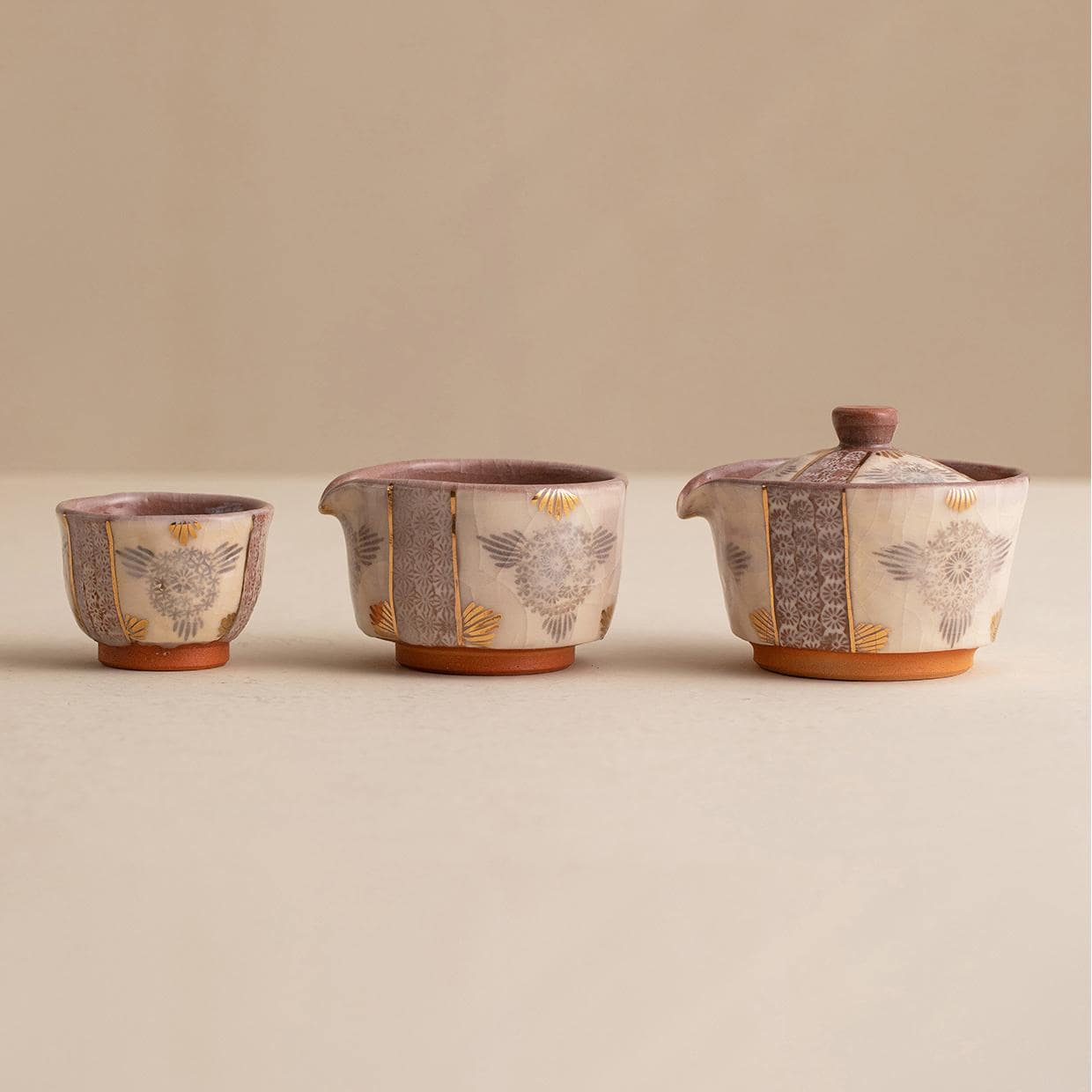
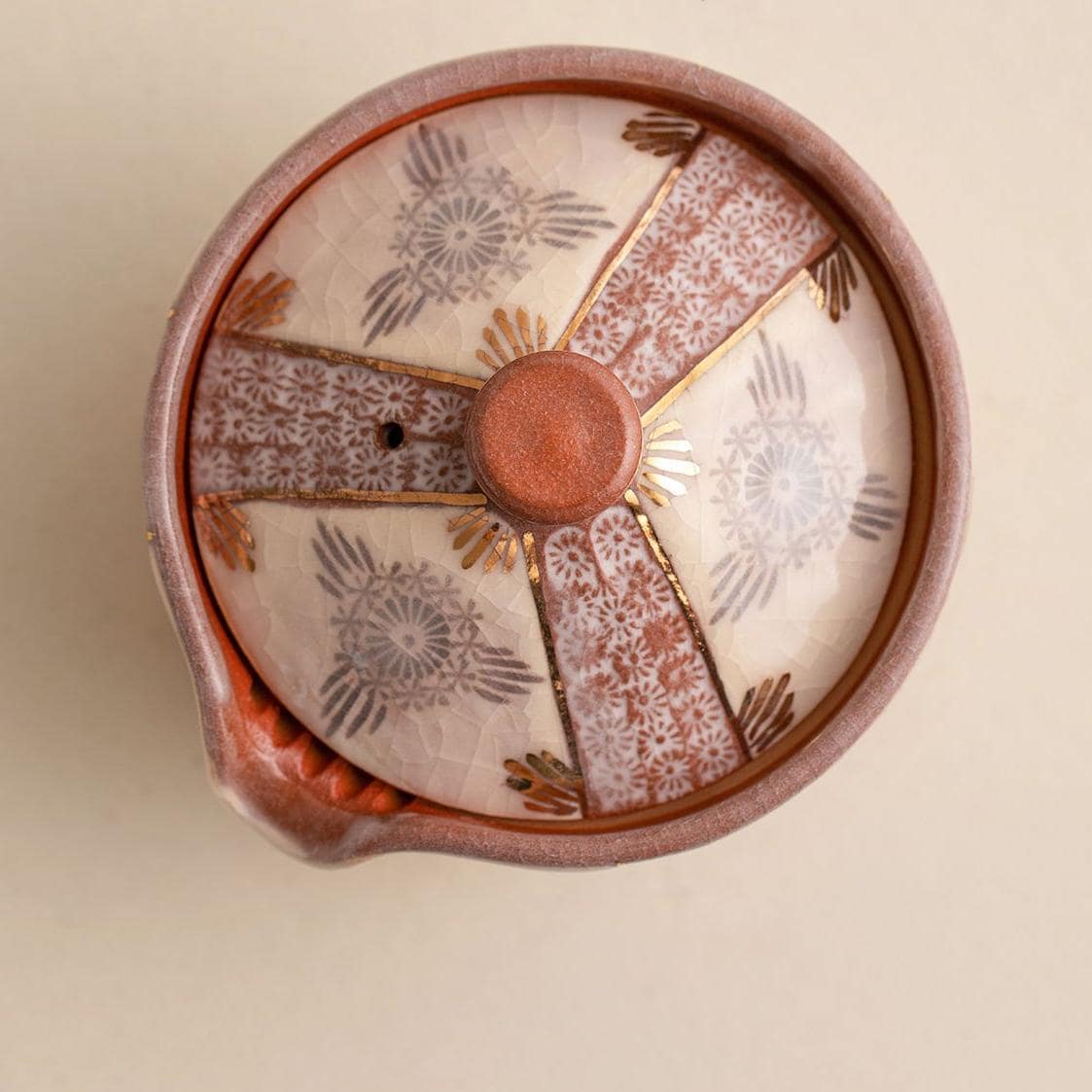
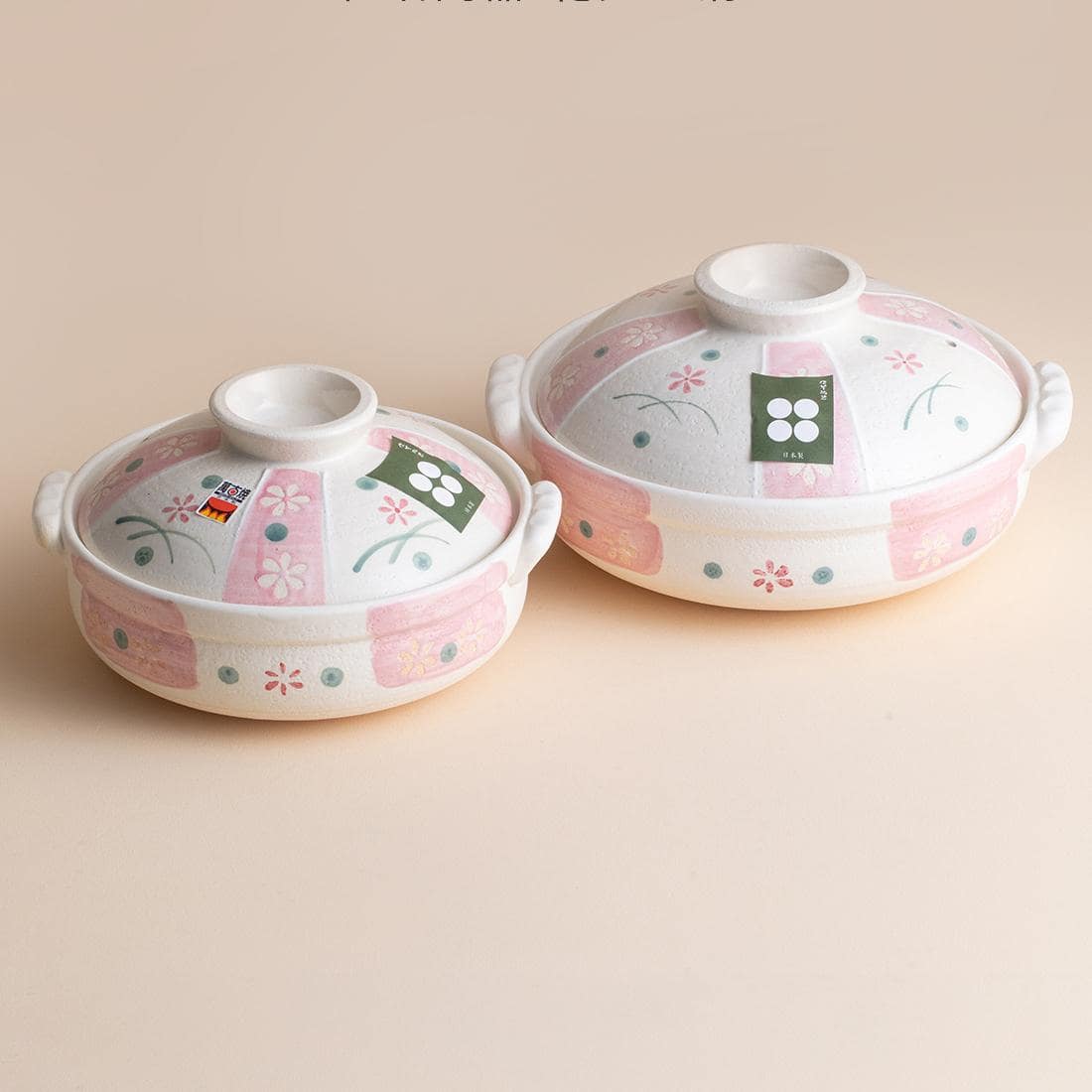
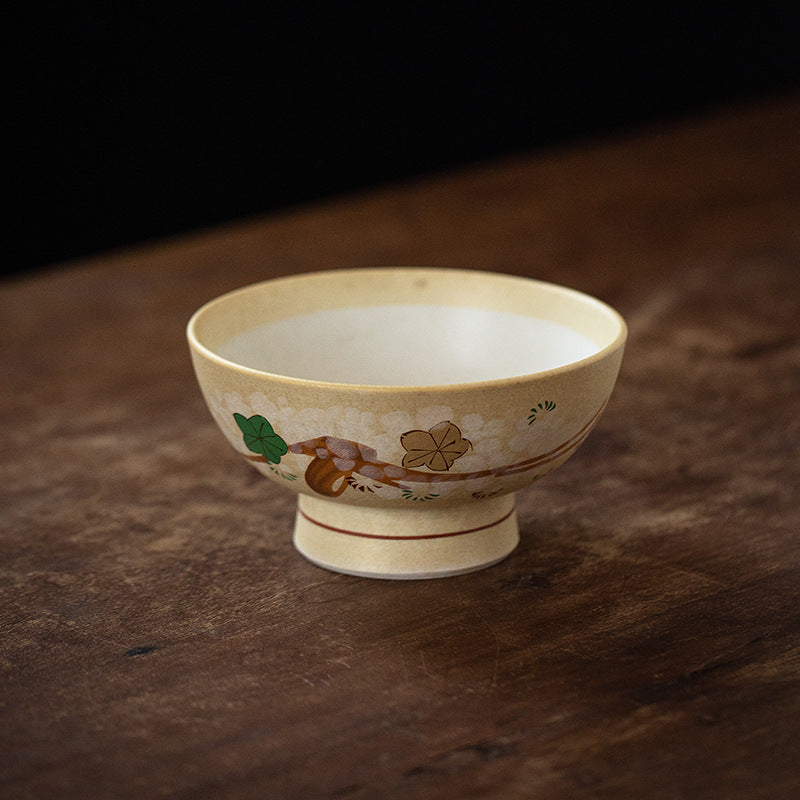
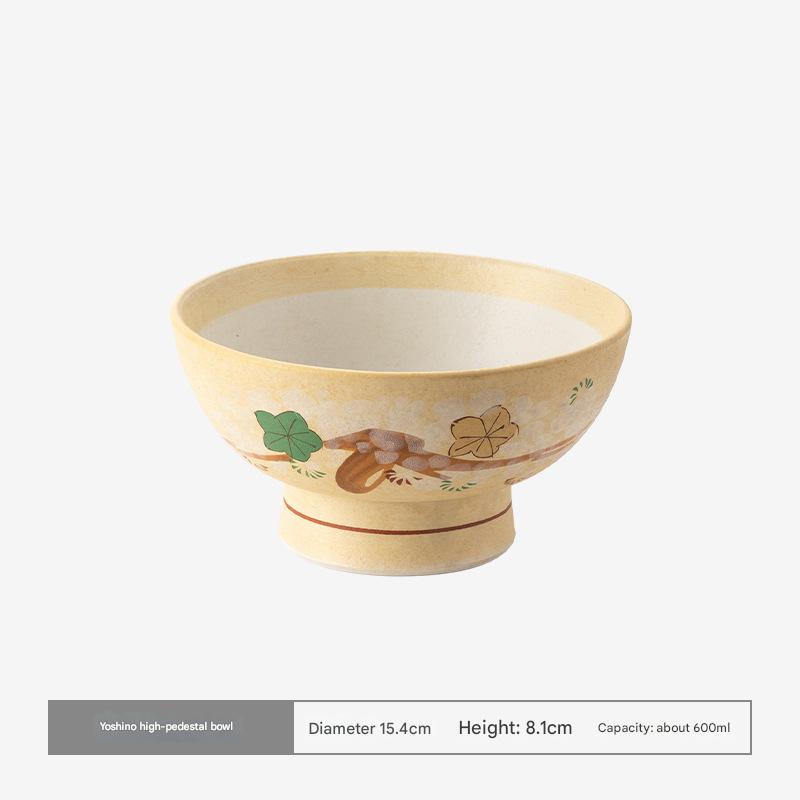
Japanese ceramics encompass a vast range of styles, from rustic earthenware (like Bizen or Shigaraki ware) to refined porcelain (such as Arita or Kutani ware). Each type possesses unique characteristics, but the core principles of care remain consistent for all handmade Japanese ceramics.
Washing Japanese Ceramics
- Mild Soap and Soft Sponge: Use a mild dish soap and a soft cloth or non-abrasive sponge. Gently wipe away food residues. For pieces with intricate textures or unglazed areas, use a soft brush to reach crevices.
- Rinsing Thoroughly: Rinse all soap residue completely under lukewarm running water. Soap film can dull the glaze over time.
- Drying Completely: Air dry your ceramics on a drying rack, or gently wipe them dry with a soft, lint-free towel. Ensure pieces are completely dry before storing, especially unglazed bottoms, to prevent mildew or musty odors.
- Addressing Stains (with caution): For stubborn tea or coffee stains inside cups or teapots, a paste made from baking soda and a little water can be gently applied and left for a few minutes before rinsing. Always test this on an inconspicuous area first, especially on delicate glazes or hand-painted designs. Avoid using bleach on ceramics.
Microwave and Dishwasher Use
Generally, it's best to avoid placing handmade Japanese ceramics in the microwave or dishwasher.
- Microwave: Many ceramics, especially those with metallic glazes (gold, silver, platinum accents), are not microwave-safe and can spark or damage the microwave. Even without metallic elements, rapid heating can stress the material.
- Dishwasher: The harsh detergents, high water pressure, and intense heat of dishwashers can cause chipping, dull glazes, fade hand-painted designs, and weaken the integrity of delicate pieces. Always opt for handwashing to preserve the unique beauty of your artisan ceramics.
Specific Considerations for Unglazed Ceramics
Some Japanese ceramics, particularly certain types of kyusu teapots or sake cups, may be partially or wholly unglazed. These pieces are often prized for their ability to absorb and enhance the flavors of the beverages they hold. For such items:
- Rinse Only: For unglazed teapots, often a simple rinse with hot water is sufficient after use, especially if dedicated to a single type of tea. Avoid soap, as it can be absorbed and impart unwanted flavors.
- Thorough Drying: Ensure complete air drying to prevent mold growth.
Preserving the Lustrous Beauty of Japanese Lacquerware (Urushi)
Japanese lacquerware, known as urushi, is renowned for its deep, glossy finish and intricate designs. Made from the sap of the lacquer tree, these pieces require specific and careful product care to maintain their exquisite appearance for decades, even centuries. Lacquerware is often used for bowls, trays, bento boxes, and even chopsticks.
Washing Japanese Lacquerware
- Immediate Handwashing: Wash lacquerware promptly after use. Food acids and oils can dull the finish if left on for too long.
- Lukewarm Water and Mild Soap: Use lukewarm water and a very small amount of mild dish soap. Avoid hot water, which can damage the lacquer.
- Very Soft Cloth or Sponge: Gently wipe the surface with a soft cloth or a non-abrasive sponge. Never use abrasive scrubbers, steel wool, or harsh brushes, as these will scratch the delicate surface.
- Thorough Rinsing: Rinse thoroughly under lukewarm running water to remove all soap residue.
- Gentle Drying: Immediately dry the lacquerware with a soft, lint-free cloth. For bowls or cups, you can air dry them upside down on a clean cloth to prevent water spots. Ensure they are completely dry before storing.
What to Avoid with Lacquerware
- Dishwashers and Microwaves: Absolutely never place lacquerware in a dishwasher or microwave. The high heat and harsh detergents will cause irreversible damage, leading to cracking, peeling, or dulling of the finish.
- Prolonged Soaking: Do not soak lacquerware in water for extended periods.
- Extreme Temperatures: Keep lacquerware away from direct sunlight, extreme heat sources (like ovens or stoves), and very cold environments. Extreme temperature fluctuations can cause the lacquer to crack or warp.
- Strong Acids and Alkalines: Avoid contact with strong acids (e.g., vinegar, lemon juice) or alkaline substances, which can damage the finish.
- Sharp Objects: Be mindful when using sharp utensils with lacquerware, as it can be prone to scratches.
Storage of Lacquerware
Store lacquerware in a stable environment, away from direct sunlight and areas of high humidity or extreme dryness. Wrap individual pieces in a soft cloth or acid-free tissue paper to prevent scratches, especially if stacking.
Maintaining the Brilliant Sparkle of Japanese Glassware (Edo Kiriko and More)
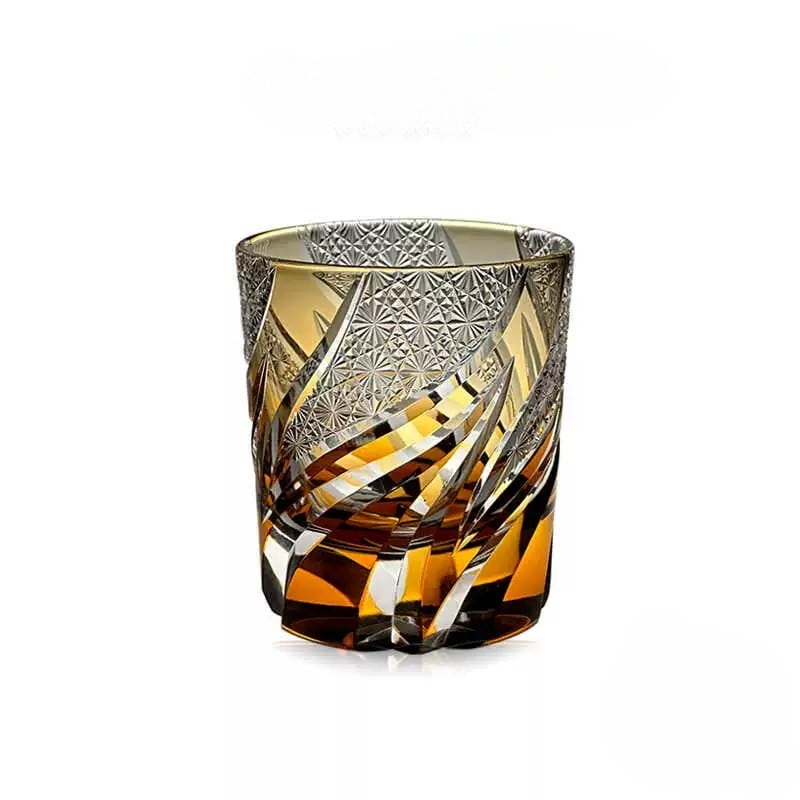
Japanese glassware, particularly the stunning Edo Kiriko with its intricate cut patterns, is a testament to precision and artistry. Whether you own delicate sake glasses, elegant tumblers, or decorative vases, proper care will keep your Japanese glassware sparkling.
Washing Japanese Glassware
- Handwashing is Best: For all handmade Japanese glassware, especially Edo Kiriko, handwashing is the safest method. Dishwashers can cause chipping, dull the glass, and diminish the sharpness of cut patterns over time.
- Lukewarm Water and Mild Soap: Use lukewarm water and a small amount of mild dish soap.
- Soft Sponge or Cloth: Gently clean the glass with a soft sponge or cloth. For intricate cut patterns like those on Edo Kiriko, a soft brush can help clean crevices, but be very gentle to avoid chipping.
- Thorough Rinsing: Rinse thoroughly under lukewarm running water to remove all soap residue.
- Polishing for Shine: Immediately after rinsing, dry and polish the glassware with a clean, lint-free microfibre cloth. This will prevent water spots and bring out the brilliant sparkle of the glass. For Edo Kiriko, polishing enhances the contrast between the clear and cut surfaces.
What to Avoid with Glassware
- Sudden Temperature Changes: As with ceramics, avoid putting hot glass into cold water or vice-versa, as this can cause thermal shock and lead to cracking.
- Abrasive Cleaners: Never use abrasive cleaners, scouring pads, or harsh chemicals, which can scratch or etch the glass surface.
- Dishwashers: While some modern, mass-produced glassware might be dishwasher-safe, it's best to avoid it for handmade or delicate Japanese glassware to prevent chipping, etching, and dulling.
Storage of Glassware
Store glassware upright in a cabinet or display case, ensuring pieces are not touching each other to prevent chipping. For valuable or delicate items, consider placing soft felt pads or tissue paper between them if they must be stored closely.
Storage Best Practices for Your Precious Japanese Tableware Collection
Proper storage is just as vital as cleaning for the long-term preservation of your authentic Japanese tableware. Thoughtful storage protects items from damage, dust, and environmental stressors.
- Clean and Dry Before Storing: Always ensure every piece is completely clean and thoroughly dry before putting it away. Even a tiny bit of moisture can lead to mildew, especially on unglazed ceramics or in humid environments.
-
Protect from Scratches and Chipping:
- Stacking Ceramics: If you must stack ceramic plates or bowls, place soft felt pads, paper towels, or acid-free tissue paper between each piece to prevent scratches and chips.
- Glassware: Store glasses upright and avoid stacking them if possible. If stacking is necessary, ensure they are designed for it and use protective padding.
- Lacquerware: Wrap individual lacquerware pieces in soft cloth or acid-free tissue paper before storing, especially if they are stacked or stored closely.
- Stable Environment: Store your collection in a stable environment, away from extreme temperature fluctuations, direct sunlight, and areas of high humidity or excessive dryness. Attics, basements, and garages are generally not ideal.
- Display Considerations: If displaying items, choose a spot away from direct sunlight, which can fade colors on ceramics and damage lacquerware over time. Ensure display cabinets are secure and free from dust.
- Chopsticks and Utensils: Store chopsticks in a dedicated holder or drawer, ensuring they are clean and dry. For lacquered chopsticks, follow the lacquerware care instructions.
When to Seek Professional Help for Valued Pieces
Despite the best product care, accidents can happen. For highly valuable, antique, or deeply cherished pieces of Japanese ceramics, lacquerware, or glassware that suffer significant damage (e.g., large cracks, chips, or deep scratches), consider seeking professional restoration. Specialists in ceramic repair, lacquer restoration, or glass repair can often perform miracles, preserving the integrity and beauty of your item. For ceramic pieces, the Japanese art of Kintsugi (repairing with gold lacquer) is a beautiful way to embrace and highlight the history of a beloved broken item, rather than hiding its flaws.
Your collection of handmade Japanese ceramics, lacquerware, and glassware from Sakitime is more than just tableware; it's an investment in art, culture, and tradition. By following these detailed product care guidelines and tableware tips, you ensure that these beautiful pieces continue to bring joy and elegance to your home for many years to come. Treat them with the respect and care they deserve, and they will reward you with enduring beauty.
Ready to discover more exquisite pieces or expand your collection? Explore our full range of authentic Japanese tableware, artisan ceramics, sake sets, chopsticks, Edo Kiriko glassware, and tea ware at Sakitime's diverse collection today.
A Guide to Japanese Cutting Techniques
Titanium vs. Stainless Steel Chopsticks : Which Is Best?
Related Posts

How to Care for Handmade Japanese Ceramics, Lacquerware, and Glassware

How to Care for Handmade Japanese Ceramics, Lacquerware, and Glassware

How to Care for Handmade Japanese Ceramics, Lacquerware, and Glassware

The History of Chopsticks

How to Care for Handmade Japanese Ceramics, Lacquerware, and Glassware

The Story of Urushi

How to Care for Handmade Japanese Ceramics, Lacquerware, and Glassware