
How to Care for Handmade Japanese Ceramics, Lacquerware, and Glassware
The allure of handmade Japanese ceramics, the exquisite sheen of traditional lacquerware, and the dazzling clarity of Edo Kiriko glassware are undeniable. Each piece tells a story of meticulous craftsmanship, cultural heritage, and timeless beauty. These aren't just functional items; they are works of art, imbued with the spirit of their makers. To ensure these treasures remain a cherished part of your home for generations, understanding proper product care is paramount. This guide provides comprehensive tableware tips to help you maintain the integrity and brilliance of your authentic Japanese pieces.
Understanding the Unique Nature of Your Japanese Tableware
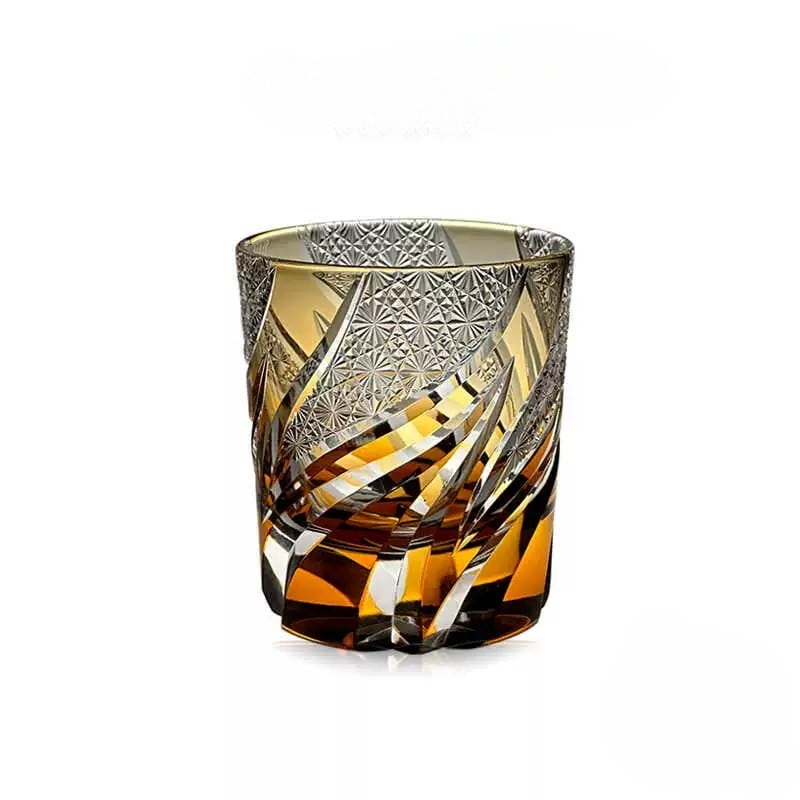
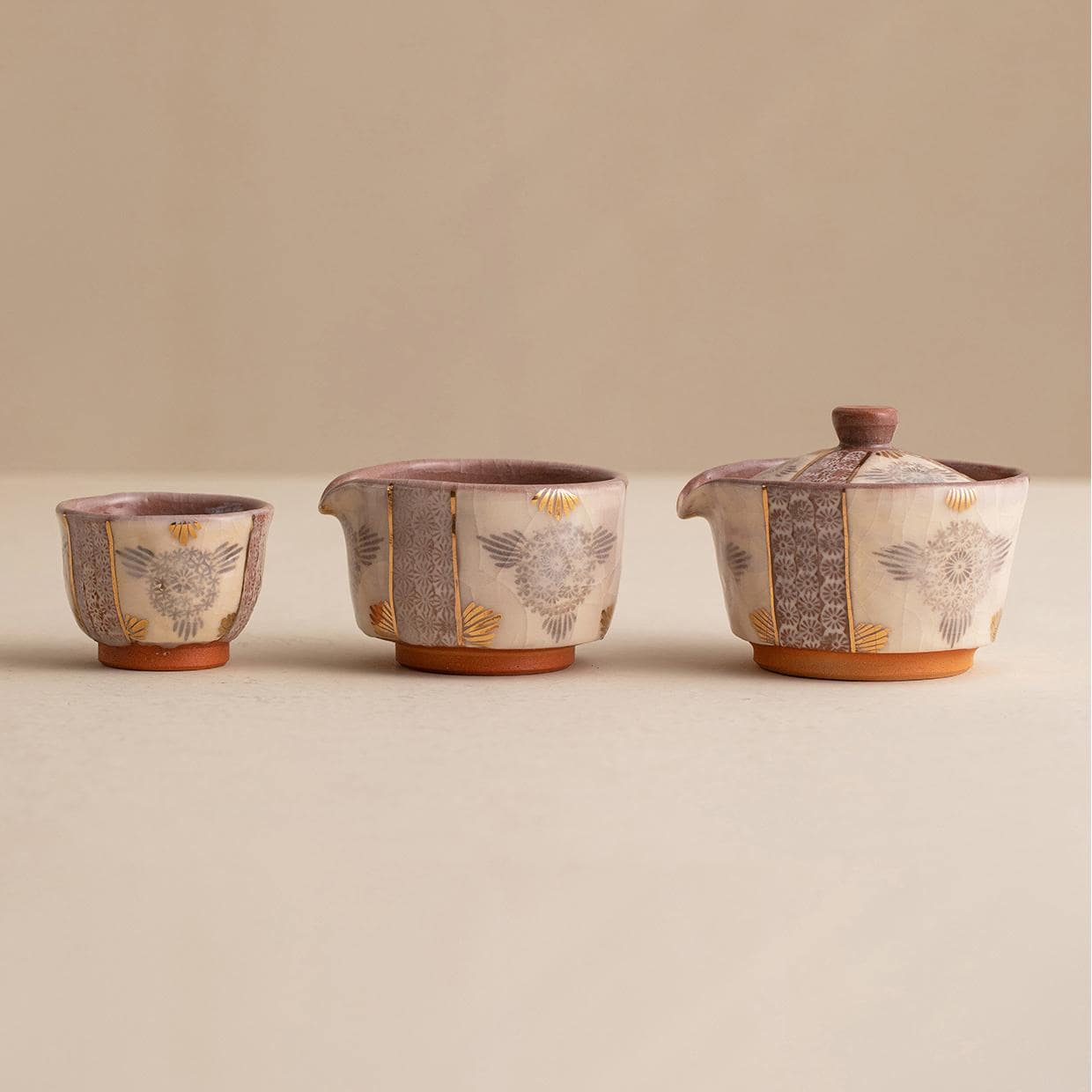
Before diving into specific care instructions, it's helpful to appreciate the distinct characteristics of each material. Handmade Japanese ceramics, from rustic Bizen ware to delicate Arita ware, often feature unique glazes, textures, and firing processes that demand gentle handling. Some pieces may be porous, absorbing liquids and scents, while others are finely glazed and more resilient. Japanese lacquerware, known as urushi, is crafted from the sap of the lacquer tree, creating a durable yet sensitive finish that requires protection from heat, direct sunlight, and harsh chemicals. Finally, Japanese glassware, especially intricate Edo Kiriko, showcases precision cutting and polishing that can be susceptible to scratches and thermal shock if not handled correctly.
Caring for Handmade Japanese Ceramics
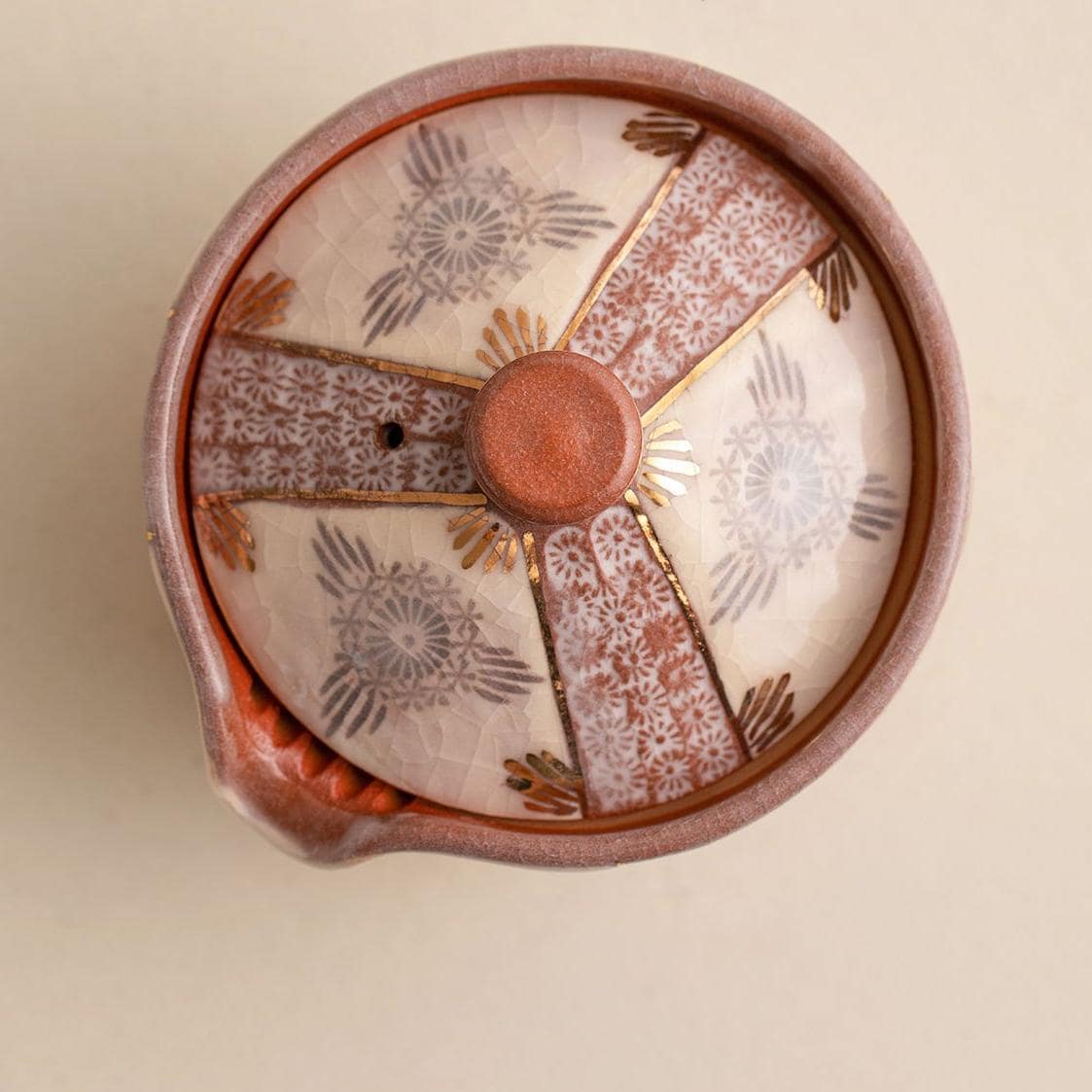
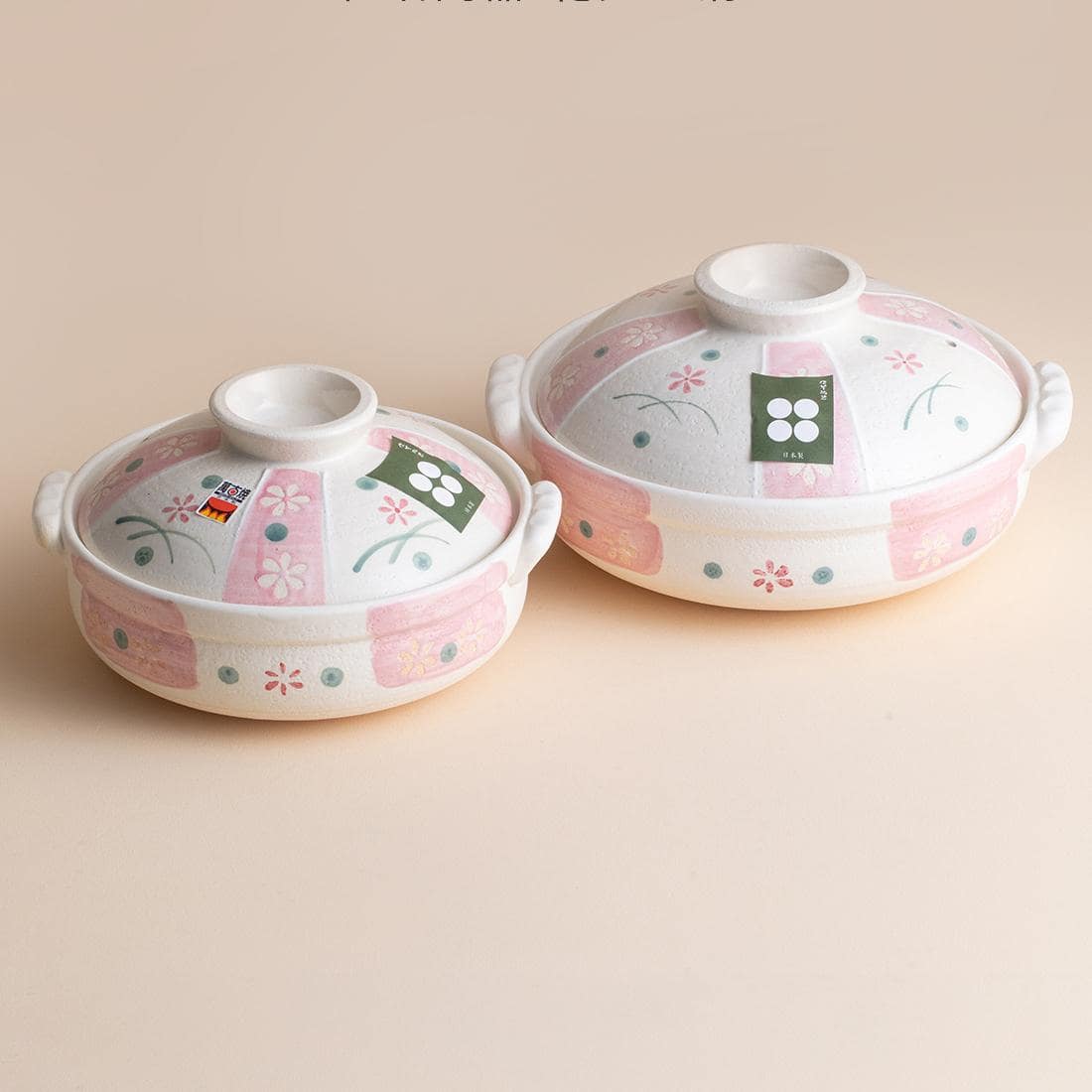
Japanese ceramics encompass an incredible range of styles, from unglazed earthenware to highly polished porcelain. While each may have subtle nuances in care, some general principles apply to all. Proper Japanese ceramics care ensures their longevity and preserves their aesthetic appeal.
- Initial Preparation: For unglazed or partially glazed ceramics, especially those intended for food, it's often recommended to "season" them. This can involve soaking the piece in lukewarm water for a few hours or even boiling it gently in rice water (for highly porous items) to help fill pores and reduce staining or absorption of odors. Always check the artisan's specific recommendations if available.
-
Washing: Handwashing is almost always preferred over dishwashers. Dishwashers use high temperatures, harsh detergents, and forceful water jets that can damage delicate glazes, cause chipping, or even crack porous pieces due to thermal shock.
- Use lukewarm water and a mild, non-abrasive dish soap.
- Use a soft sponge or cloth; avoid scourers, steel wool, or anything abrasive that could scratch the surface.
- For pieces with intricate designs or gold/silver accents, be extra gentle, as these can be particularly fragile.
- Rinse thoroughly to remove all soap residue.
- Drying: Allow ceramics to air dry completely on a drying rack, or gently towel dry with a soft, lint-free cloth. Ensure porous pieces are fully dry before storing to prevent mildew or musty odors.
-
Dealing with Stains and Odors: For unglazed or semi-porous ceramics, food stains (like tea or coffee) or odors can sometimes develop.
- A paste of baking soda and water can gently lift many stains. Apply, let sit for a short period, then rinse thoroughly.
- For stubborn odors, a dilute solution of white vinegar can be used, followed by a thorough rinse.
- Avoid bleach or strong chemical cleaners, as they can damage glazes or be absorbed by porous materials.
-
Storage: Store ceramic pieces carefully to prevent chips and scratches.
- Stacking: If stacking bowls or plates, place a soft cloth or paper towel between each piece to protect the surfaces.
- Display: Ensure display shelves are stable and items are not overcrowded.
- Avoid sudden temperature changes: Do not place a cold ceramic piece directly into a hot oven or vice versa, as this can cause cracking.
Preserving the Luster of Japanese Lacquerware (Urushi)
Japanese lacquerware, or urushi, is renowned for its deep, rich sheen and incredible durability, yet it demands a specific, gentle approach to care. This material is sensitive to certain environmental factors and harsh treatments. Proper lacquerware care ensures its exquisite beauty endures.
-
Washing: Always handwash lacquerware immediately after use.
- Use lukewarm water and a very mild dish soap.
- Use a soft sponge or cloth. Never use abrasive materials, as they will scratch the delicate lacquer surface.
- Gently wipe the surface without scrubbing.
- Rinse thoroughly with clean, lukewarm water.
- Drying: Pat dry immediately with a soft, lint-free cloth. Do not leave lacquerware to air dry completely, as water spots can form. Ensure it is thoroughly dry before storing.
-
Storage: Lacquerware is sensitive to extreme conditions.
- Avoid direct sunlight: Prolonged exposure to UV light can cause the lacquer to fade, crack, or become brittle.
- Avoid extreme temperatures: Do not store near heat sources (radiators, ovens) or in excessively cold environments.
- Avoid excessive dryness or humidity: Stable room temperature and moderate humidity are ideal.
- Stacking: If stacking, place a soft cloth between items to prevent scratches.
-
Things to Avoid:
- Dishwashers: The high heat and harsh detergents will irreversibly damage the lacquer.
- Microwaves: Lacquerware is not microwave safe.
- Harsh chemicals: Avoid strong detergents, abrasive cleaners, alcohol, or solvents.
- Sharp objects: Use soft utensils when eating from lacquer bowls to prevent scratches.
- Restoration: Minor scratches can sometimes be buffed out by a professional restorer. For significant damage, seek expert advice on urushi repair.
Maintaining the Brilliance of Japanese Glassware (Edo Kiriko & Beyond)
Japanese glassware, from the intricate patterns of Edo Kiriko to elegant sake glasses, adds a touch of sophistication to any setting. Their transparency and delicate nature require careful handling to maintain their sparkle and prevent damage. Our Edo Kiriko glassware collection, for instance, showcases exquisite craftsmanship that deserves meticulous care.
-
Washing: Handwashing is crucial for most fine glassware, especially those with delicate etched or cut patterns like Edo Kiriko.
- Use lukewarm water and a mild dish soap.
- Use a soft sponge or cloth. For intricate cuts, a soft brush might be needed to gently clean crevices.
- Avoid abrasive cleaners or sponges that can scratch the glass surface or dull its shine.
- Wash glasses separately from other dishes to prevent accidental chipping.
- For wine or sake glasses, ensure you hold the bowl, not the stem, when washing to avoid twisting and breaking.
- Drying: For a streak-free shine, dry immediately after washing with a clean, lint-free microfiber cloth. Air drying can leave water spots, especially in hard water areas.
-
Avoiding Thermal Shock: Glass is susceptible to cracking or breaking when exposed to sudden, drastic temperature changes.
- Do not pour very hot liquids into a cold glass, or very cold liquids into a hot glass.
- Allow glasses to reach room temperature before washing if they have been exposed to extreme temperatures.
-
Storage: Store glassware carefully to prevent chips and scratches.
- Avoid stacking glasses, as this can lead to chipping, cracking, or getting stuck together.
- Store glasses upright in a cabinet where they won't be jostled.
- Ensure there is enough space between each piece to prevent contact.
General Tableware Tips for Longevity Across All Materials
Beyond the specific care instructions for each material, there are universal tableware tips that contribute to the overall longevity and beauty of your Japanese collection.
- Handle with Care: Always handle delicate items individually. Avoid carrying multiple pieces at once, especially when wet, as they can slip and break.
- Use Soft Utensils: When eating from or serving with your precious tableware, opt for wooden or silicone utensils over metal ones to prevent scratches on ceramic glazes, lacquer surfaces, and even glass.
- Avoid Overcrowding: Whether in the sink, dishwasher (if applicable for certain non-handmade items), or drying rack, ensure items have enough space. Contact between pieces is a common cause of chips and breaks.
- Protective Liners: When storing stacked plates or bowls, use felt pads, paper towels, or soft cloths between each piece to prevent surface abrasion.
- Regular Inspection: Periodically inspect your items for any small chips, cracks, or changes in finish. Addressing minor issues early can prevent further damage.
- Know Your Pieces: Always refer to any specific care instructions provided by the artisan or retailer. Some unique pieces may have very particular requirements. When you invest in authentic Japanese ceramics or other artisanal items, you're investing in history and art; understanding their needs is part of that appreciation.
The Art of Display and Enjoyment
Proper care extends beyond washing and storage; it also encompasses how you display and enjoy your Japanese tableware. These pieces are meant to be admired and used, not hidden away. When displaying, consider factors that contribute to their preservation:
- Stable Surfaces: Ensure display cabinets or shelves are sturdy and level to prevent items from falling or shifting.
- Avoid High-Traffic Areas: For very delicate items, consider placing them in areas where they are less likely to be bumped or knocked over.
- Light Exposure: As mentioned for lacquerware, be mindful of direct sunlight for all items. While ceramics and glass are less sensitive than lacquer, prolonged, intense UV exposure can still affect some glazes or painted details over very long periods.
- Rotation: If you have a large collection, consider rotating the pieces you use regularly. This ensures all items are enjoyed and prevents any single piece from excessive wear, should you have a favorite.
Ultimately, the best way to care for your Japanese tableware is to use it thoughtfully. Each time you handle a piece, remember the hands that shaped it and the centuries of tradition it represents. This mindful approach transforms routine care into an act of appreciation.
When in Doubt: Seek Professional Advice
Despite the best intentions, accidents can happen, or you might encounter a piece with unique characteristics that puzzle you. For significant damage, such as a major crack or chip in a valuable ceramic piece, or deep scratches on lacquerware, it's always best to seek professional restoration advice. Specialists in Japanese art and ceramics often have the expertise to repair and preserve these items without compromising their historical or artistic value.
Similarly, if you acquire a vintage or antique piece with no clear care instructions, consulting with an expert or a reputable dealer can provide invaluable guidance on how to best maintain its condition.
Your collection of handmade Japanese ceramics, lacquerware, and glassware is more than just functional items; they are a bridge to Japanese culture, artistry, and history. By following these comprehensive product care guidelines and tableware tips, you can ensure their beauty and integrity are preserved for a lifetime of enjoyment. Embrace the mindful ritual of caring for these exquisite pieces, and they will continue to bring elegance and serenity to your home for years to come.
Ready to discover more exquisite pieces that tell a story of Japanese artistry? Explore Sakitime's full collection of authentic Japanese tableware, artisan ceramics, sake sets, chopsticks, Edo Kiriko glassware, and tea ware today!
Titanium vs. Stainless Steel Chopsticks : Which Is Best?
Are Silver Chopsticks Worth It? Guide & Care Tips
Related Posts

How to Care for Handmade Japanese Ceramics, Lacquerware, and Glassware

How to Care for Handmade Japanese Ceramics, Lacquerware, and Glassware

The History of Chopsticks

How to Care for Handmade Japanese Ceramics, Lacquerware, and Glassware

The Story of Urushi

How to Care for Handmade Japanese Ceramics, Lacquerware, and Glassware

Bamboo vs. Metal Chopsticks: Choosing the Right Material for Your Needs