
Japanese Tea Ware Essentials: Teapots, Yunomi, and Matcha Bowls
Introduction to the World of Japanese Tea Ware
The ritual of preparing and savoring a cup of tea in Japan is more than just a daily habit; it's a profound cultural experience steeped in centuries of tradition, artistry, and mindfulness. At the heart of this experience lies the exquisite Japanese tea ware, each piece carefully crafted to enhance the flavor, aroma, and aesthetic pleasure of tea. From the humble daily brew to the elaborate Japanese tea ceremony, the vessels used play an indispensable role, transforming a simple beverage into an act of contemplation and appreciation. Understanding these essential pieces—the teapot, the everyday cup, and the specialized matcha bowl—is the first step towards truly immersing yourself in the rich tapestry of Japanese tea culture.
At Sakitime, we believe that authentic tea ware elevates the entire tea-drinking experience. It's not merely about functionality; it's about connecting with the heritage, the craftsmanship, and the stories embedded in each unique piece. This guide will delve into the core elements of Japanese tea ware: the versatile teapots, the comforting yunomi, and the revered matcha bowls, offering insights into their types, uses, and how to choose the perfect pieces for your own collection.
The Art of the Teapot: Kyusu and Beyond
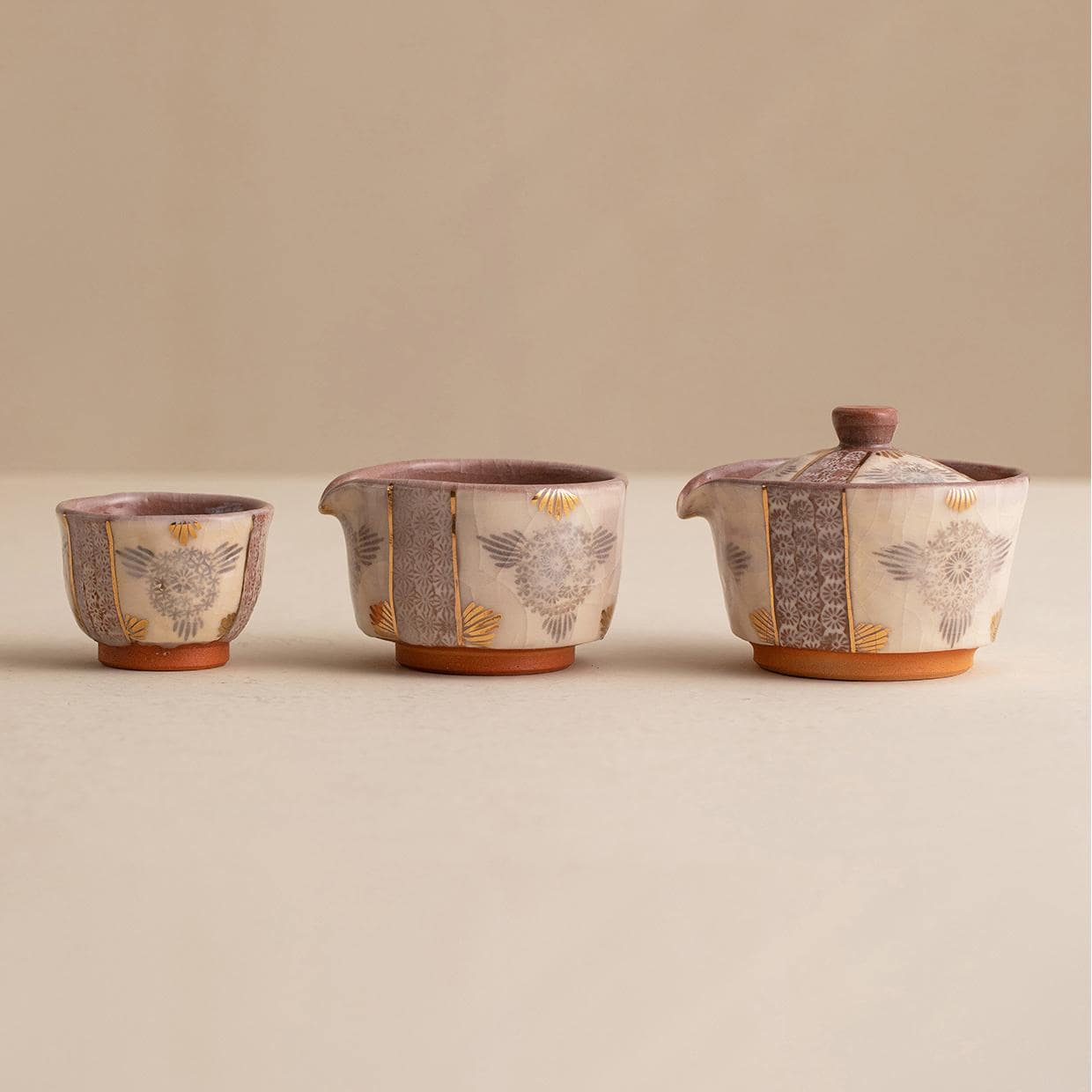
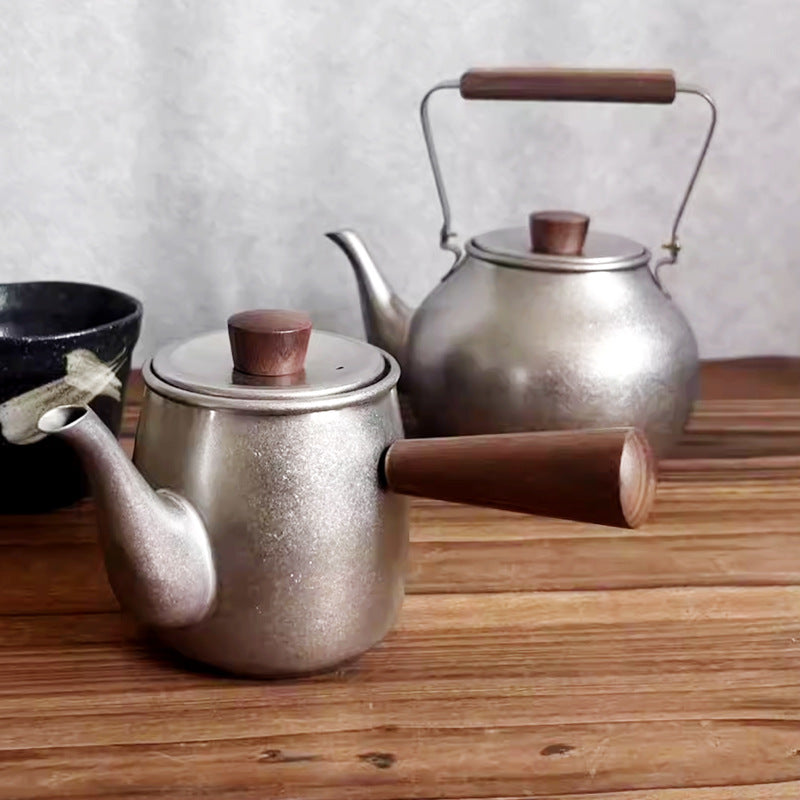
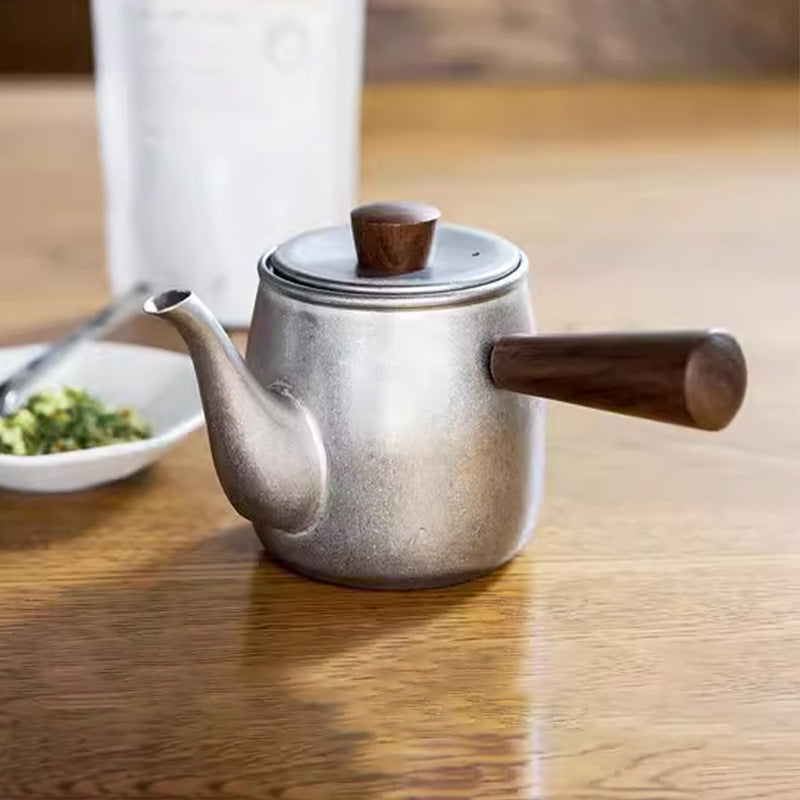
The teapot is arguably the most crucial component of any tea setup, acting as the vessel where the magic of infusion truly happens. In Japan, the term "kyusu" (急須) typically refers to a small, side-handled teapot, though other styles exist. These teapots are designed with precision to extract the optimal flavor from delicate Japanese green teas.
-
Kyusu Types:
- Yokode Kyusu (Side-Handle): The most iconic Japanese teapot, featuring a handle extending directly from the side. This design allows for easy pouring with one hand, providing excellent control, especially for smaller, more frequent pours common with high-grade sencha or gyokuro.
- Ushirode Kyusu (Back-Handle): Similar to Western teapots, with a handle opposite the spout. These are often larger and more versatile for various tea types, including bancha or hojicha.
- Uwade Kyusu (Top-Handle/Dobin): Featuring a handle suspended over the top, often made of bamboo or rattan. Dobin are typically larger and used for brewing larger quantities of tea, sometimes even over an open flame for heating water.
-
Materials and Their Impact:
- Clay (e.g., Tokoname-yaki, Banko-yaki): Unglazed clay teapots, especially those made from fine Japanese clays, are highly prized. They are porous and, over time, absorb the oils and flavors of the tea brewed within them, developing a unique patina and enhancing subsequent brews. Tokoname-yaki, known for its rich iron content, is particularly famous for its ability to mellow the bitterness of green tea. Banko-yaki teapots, often purple clay, are also excellent for green teas. It's generally recommended to dedicate an unglazed clay teapot to a single type of tea.
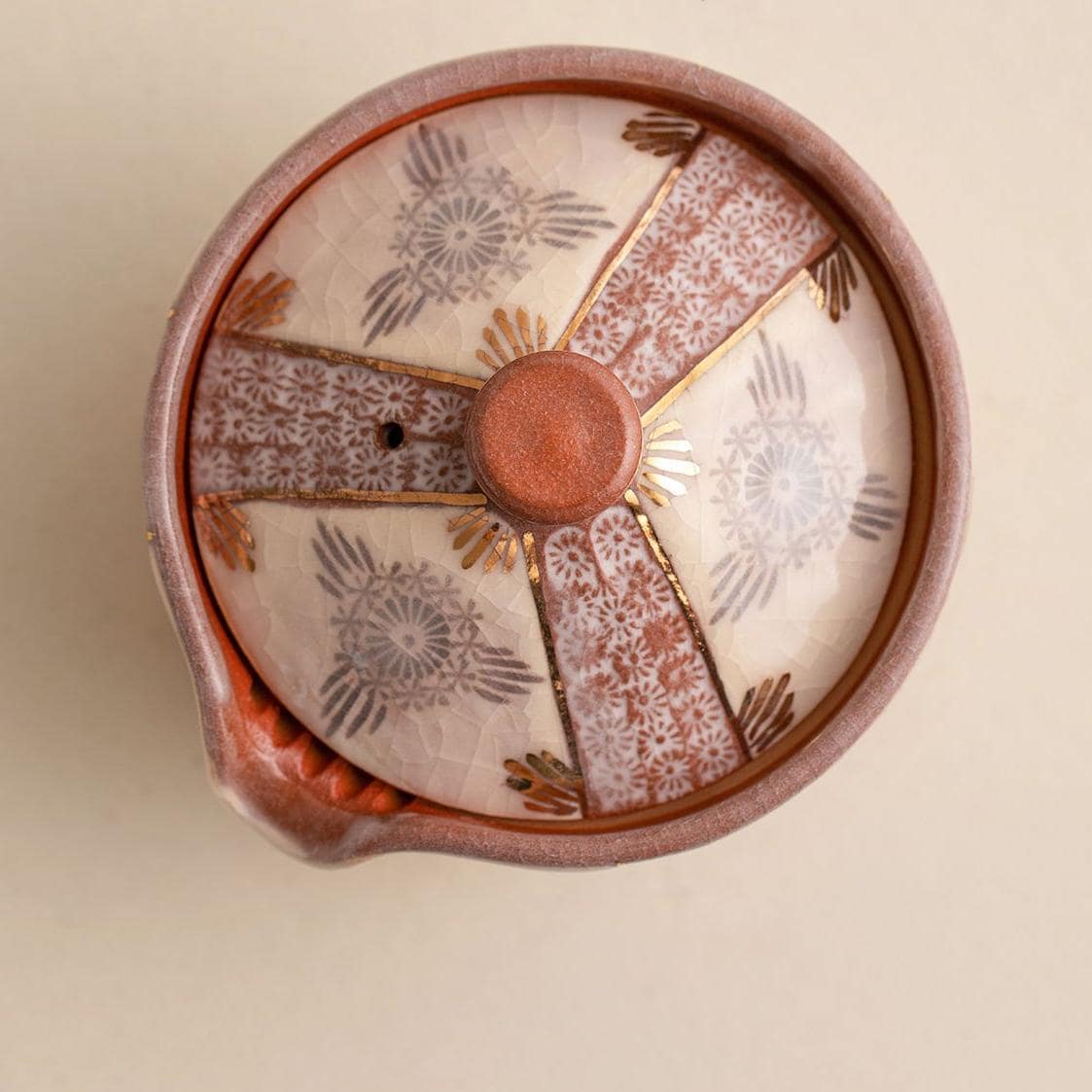
- Ceramic/Porcelain: Glazed ceramic or porcelain teapots are non-porous and do not absorb tea flavors, making them ideal for brewing a wide variety of teas without flavor transfer. They are easier to clean and maintain, often featuring intricate designs and vibrant glazes.
- Cast Iron (Tetsubin): While more commonly associated with heating water (as a kettle), smaller cast iron teapots (tetsubin) are also used for brewing. They excel at retaining heat, making them perfect for robust teas or for keeping tea warm during longer sessions. Many are lined with enamel to prevent rusting and avoid affecting the tea's flavor.
- Choosing Your Teapot: Consider the type of tea you brew most often. For delicate green teas like sencha or gyokuro, a smaller, unglazed clay kyusu is often preferred. For everyday teas or larger gatherings, a larger ceramic or glazed clay teapot might be more practical. Pay attention to the built-in strainer; many Japanese teapots feature fine ceramic or stainless steel mesh strainers designed to prevent even tiny tea leaves from entering your cup. Explore our diverse range of Japanese teapots to find your perfect match.
Yunomi: The Everyday Tea Cup
While the chawan is reserved for the ceremonial preparation and consumption of matcha, the yunomi (湯呑) is the ubiquitous everyday tea cup in Japan. It's designed for comfort, durability, and versatility, making it the perfect vessel for daily enjoyment of sencha, bancha, hojicha, genmaicha, and other loose-leaf teas.
-
Distinctive Characteristics:
- Shape and Size: Yunomi are typically taller than they are wide, with a sturdy base and a comfortable rim. They come in a wide range of sizes, from small, delicate cups for concentrated brews to larger, more generous cups for casual sipping.
- No Handle (Generally): Most traditional yunomi do not have handles, encouraging drinkers to cradle the warm cup in their hands, feeling the warmth and connection to the tea. This also promotes a slower, more mindful drinking experience.
- Materials and Aesthetics: Yunomi are crafted from various materials, including earthenware, stoneware, and porcelain, each offering a different tactile and visual experience. You'll find them in countless styles, from rustic, hand-thrown pieces with earthy glazes to refined, delicate porcelain cups adorned with intricate patterns like indigo motifs, cherry blossoms, or minimalist designs.
- The Role of Yunomi in Daily Life: The beauty of the yunomi lies in its unpretentious charm and functionality. It's the cup you reach for first thing in the morning, during a quiet afternoon break, or when sharing tea with family and friends. Its design is often reflective of regional pottery styles, showcasing the incredible diversity of Japanese ceramics. The tactile feel of the clay, the slight texture of the glaze, and the warmth radiating through the cup all contribute to a comforting and grounding tea experience.
- Choosing Your Yunomi: When selecting yunomi, consider how they feel in your hands. Do they have a good weight? Is the rim comfortable against your lips? Do you prefer the rustic charm of stoneware or the refined elegance of porcelain? Many people enjoy collecting individual yunomi, each with its own character, allowing for a personalized collection that tells a story. Others prefer matching sets for a more uniform presentation.
Chawan: The Heart of Matcha
The chawan (茶碗), or matcha bowl, is perhaps the most iconic piece of Japanese tea ware associated with the Japanese tea ceremony (Chado). Far from being just a bowl, the chawan is a vessel of profound artistic and spiritual significance, specifically designed for the whisking and drinking of matcha (powdered green tea).
- Significance in Tea Ceremony: In Chado, the chawan is the focal point of the ceremony. Its shape, glaze, and even the way it feels in the hand are carefully considered. The bowl is admired before use, held with respect, and turned to present its "front" to the guest, embodying the principles of harmony, respect, purity, and tranquility.
-
Diverse Styles and Aesthetics: Chawan come in an astonishing array of styles, often named after famous pottery regions or historical masters. Each style possesses unique characteristics:
- Raku-yaki: Characterized by its hand-formed, irregular shapes, thick glazes, and often dark, earthy tones. Raku bowls are fired at low temperatures and quickly cooled, resulting in unique, unpredictable surfaces. They are highly prized for their rustic beauty and tactile warmth.
- Hagi-yaki: Known for its soft, warm, and somewhat porous clay, Hagi ware often features subtle, natural glazes that "bloom" over time as tea seeps into the cracks (kannyu), developing a unique character known as "Hagi no nanabake" (the seven changes of Hagi).
- Karatsu-yaki: Often featuring simple, robust forms and iron-rich glazes, Karatsu bowls are known for their practical beauty and rustic charm, often adorned with brush strokes or simple patterns.
- Shino-yaki: Famous for its thick, milky-white glazes that often develop small "pinholes" or "crawling" effects, and sometimes fiery red flashes (hi-iro) from the firing process. Shino bowls often have a warm, inviting feel.
-
Shape and Functionality: The shape of a chawan is not merely aesthetic; it serves a functional purpose in whisking matcha.
- Wide and Shallow (Natsujawan - Summer Bowl): These bowls allow for quicker cooling of the matcha, making them ideal for warmer months. Their open form also makes whisking easier.
- Deep and Narrow (Fuyujawan - Winter Bowl): Designed to retain heat, these bowls keep the matcha warmer for longer. Their deeper shape also offers a sense of coziness and enclosure.
- Choosing Your Chawan: When selecting a matcha bowl, consider its weight, balance, and how it feels when held in both hands. The texture of the glaze, the depth of the bowl, and its overall aesthetic should resonate with your personal taste. Whether you prefer the rustic elegance of Raku or the refined simplicity of Hagi, a good chawan will enhance your matcha experience, making the act of whisking and drinking a truly meditative moment.
Beyond the Essentials: Enhancing Your Tea Experience
While teapots, yunomi, and matcha bowls form the core of Japanese tea ware, several complementary items can further enrich your tea-drinking ritual, adding layers of functionality and aesthetic pleasure.
- Tea Caddies (Chazutsu): These airtight containers, often made from metal (like tin or copper), wood, or ceramic, are essential for storing loose-leaf tea. They protect the tea from light, air, and moisture, preserving its freshness and delicate aromas. Beautifully crafted chazutsu can also be decorative pieces.
- Tea Scoops (Chasaku): Traditionally made from bamboo, the chasaku is used to scoop matcha powder from the caddy into the chawan. Its elegant curve and delicate form are part of the ritual. For loose-leaf teas, small ceramic or wooden scoops are often used.
- Water Coolers (Yuzamashi): A yuzamashi is a small, spout-equipped vessel used to cool hot water to the optimal temperature for brewing specific green teas, such as sencha or gyokuro, which can be easily scorched by boiling water. It also serves as a temporary holding place for water before it goes into the teapot.
- Tea Trays (Chabon): A beautiful tea tray provides a dedicated space for your tea ware, making the preparation and serving of tea a more organized and aesthetically pleasing experience. They come in various materials, from lacquered wood to bamboo, and can define the atmosphere of your tea session.
- Tea Cloths (Chakin): Small linen or cotton cloths used in the tea ceremony for wiping the chawan or other utensils. They embody the principle of cleanliness and precision.
Incorporating these additional items can transform your tea preparation from a simple act into a complete sensory experience, bringing the spirit of the Japanese tea ceremony into your home.
Caring for Your Japanese Tea Ware
Proper care is essential to preserve the beauty and functionality of your authentic Japanese tea ware. Each material requires specific attention to ensure longevity and maintain its unique characteristics.
-
Unglazed Clay Teapots (Kyusu):
- Rinsing Only: Never use soap or detergent, as the porous clay will absorb the chemicals and affect the tea's flavor. Simply rinse thoroughly with hot water after each use.
- Drying: Ensure the teapot is completely dry before storing to prevent mold. Air dry with the lid off, or gently wipe the exterior.
- Seasoning: Over time, the teapot will season, developing a patina and enhancing the tea's flavor. Dedicate unglazed teapots to a single type of tea (e.g., sencha only) to allow this seasoning to develop consistently.
-
Glazed Ceramic/Porcelain Tea Ware (Teapots, Yunomi, Chawan):
- Gentle Washing: Wash by hand with warm water and a mild, unscented dish soap. Avoid abrasive scrubbers that could scratch the glaze.
- Care for Delicate Pieces: Hand-painted or very thin porcelain pieces should be handled with extra care.
- Drying: Towel dry immediately to prevent water spots, especially on darker glazes.
- Storage: Store carefully to prevent chipping, especially the rims and spouts.
-
Cast Iron Teapots (Tetsubin):
- Interior Care: If lined with enamel, treat like glazed ceramic. If unlined (for boiling water only), ensure it dries completely after use to prevent rust. A thin layer of rust is sometimes considered desirable for water quality, but excessive rust should be avoided.
- Exterior Care: Wipe the exterior with a dry cloth. Avoid abrasive cleaners.
- Heat Source: Only use a tetsubin designed for direct heat if you intend to boil water in it. Most smaller cast iron teapots for brewing are not meant for stovetop use.
-
General Tips:
- Avoid Dishwashers: The harsh detergents and high temperatures of dishwashers can damage delicate glazes, cause chipping, or degrade the integrity of some materials. Handwashing is always recommended.
- Temperature Shock: Avoid sudden temperature changes, such as pouring boiling water into a cold teapot, as this can cause cracking. Warm your teapot with a bit of hot water first.
By following these simple care guidelines, your Japanese tea ware will continue to bring beauty and enjoyment to your tea rituals for many years to come.
Choosing Your Sakitime Tea Ware: A Journey of Discovery
Embarking on the journey of selecting authentic Japanese tea ware is a deeply personal and rewarding experience. Each piece, whether a meticulously crafted kyusu, a comforting yunomi, or a profound chawan, tells a story of tradition, artistry, and the quiet beauty inherent in Japanese culture. At Sakitime, we understand that the right tea ware doesn't just hold tea; it holds moments, memories, and a connection to a rich heritage.
When making your selections, consider not only the practical aspects—such as the type of tea you prefer to brew or the frequency of your tea sessions—but also the aesthetic and tactile qualities that resonate most with you. Do you find solace in the earthy tones and rustic textures of unglazed clay, or are you drawn to the refined elegance and intricate patterns of glazed porcelain? Is your priority the precise pour of a side-handled kyusu, the comforting warmth of a hand-held yunomi, or the ceremonial depth of a matcha chawan?
Think about how the pieces will integrate into your daily life. A well-chosen teapot can become a cherished companion for your morning ritual, while a collection of diverse yunomi can add character to your gatherings. A dedicated matcha bowl can transform a simple whisking into a meditative practice. The beauty of Japanese tea ware lies in its ability to enhance mindfulness and bring a sense of tranquility to your everyday.
Whether you are a seasoned tea connoisseur or just beginning your exploration of Japanese teas, investing in quality tea ware is an investment in your well-being and appreciation for fine craftsmanship. Each piece from our collection is selected for its authenticity, quality, and ability to elevate your tea experience, inviting you to slow down, savor, and connect with the profound beauty of Japanese tea culture.
Discover the Essence of Japanese Tea with Sakitime
The world of Japanese tea ware is a captivating realm where functionality meets unparalleled artistry. From the precision-engineered teapots that coax out the finest flavors, to the comforting yunomi that invite daily contemplation, and the revered matcha bowls that stand at the heart of ceremonial grace, each piece is an invitation to a deeper appreciation of tea. We hope this guide has illuminated the essential elements and inspired you to explore the profound beauty and tradition held within these exquisite crafts.
Ready to begin or expand your own collection of authentic Japanese tea ware? We invite you to explore Sakitime's comprehensive authentic Japanese tea ware collection. Discover handcrafted teapots, elegant yunomi, exquisite matcha bowls, and all the complementary accessories you need to create your perfect tea ritual. Each item is carefully curated to bring the true spirit of Japan into your home. Elevate your tea experience today!
***
Introduction
Edo Kiriko Glassware: Why Japanese Cut Crystal Belongs on Your Table
Japanese Vases for Winter
Related Posts

How to Care for Handmade Japanese Ceramics, Lacquerware, and Glassware

How to Care for Handmade Japanese Ceramics, Lacquerware, and Glassware

How to Care for Handmade Japanese Ceramics, Lacquerware, and Glassware

The History of Chopsticks

How to Care for Handmade Japanese Ceramics, Lacquerware, and Glassware

The Story of Urushi

How to Care for Handmade Japanese Ceramics, Lacquerware, and Glassware