
How to Choose a Japanese Sake Set: A Beginner's Guide
Choosing a sake set is about more than aesthetics — the right vessel enhances the flavor, aroma, and ritual of every pour. Here's everything you need to know.
Understanding the Components
A traditional Japanese sake set (shuki, 酒器) consists of:
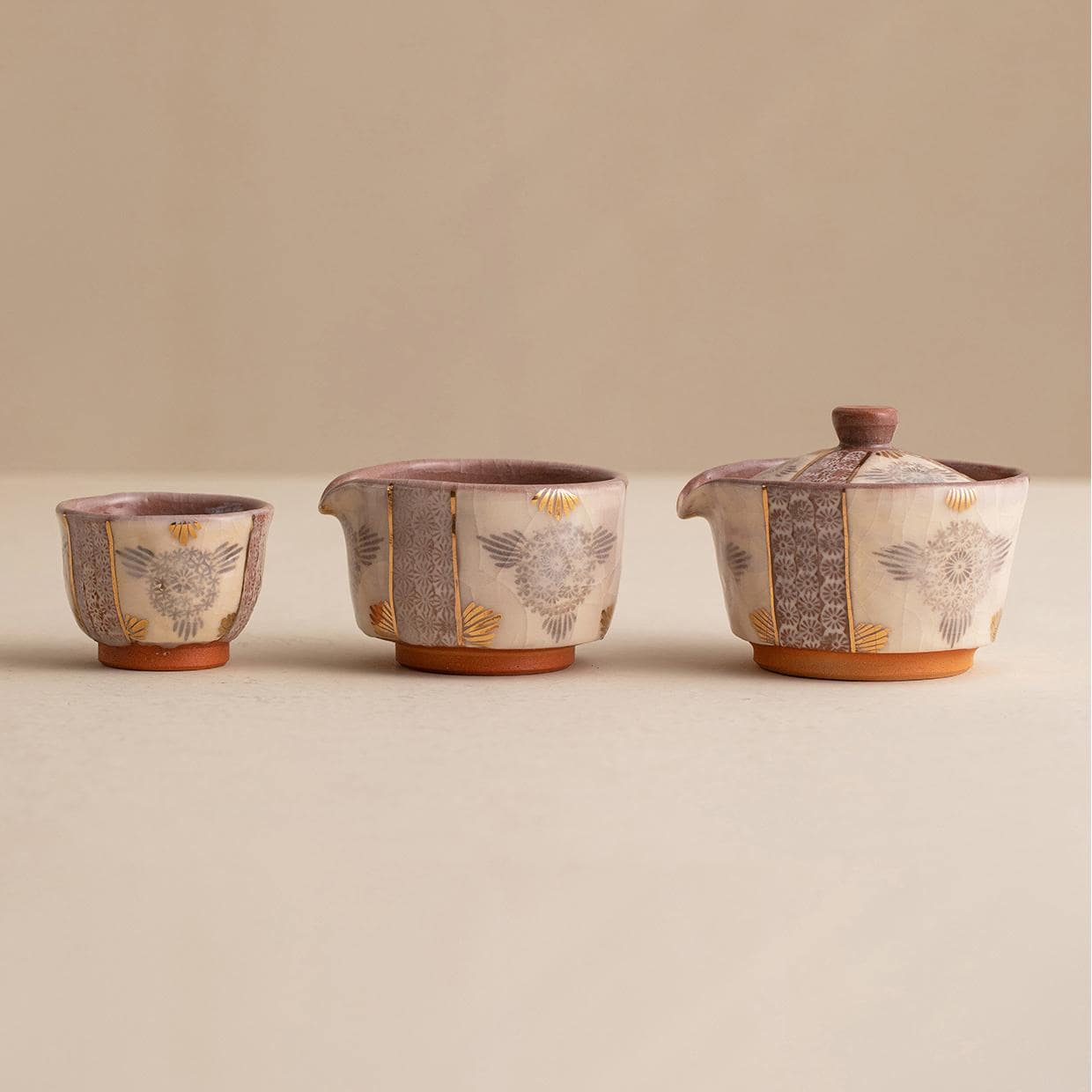
- Tokkuri (徳利): The pouring flask. Available in various sizes (1-gō/180ml to 2-gō/360ml) and shapes — from elegant narrow-necked bottles to wide-mouthed carafes.
- Ochoko (お猪口): Small cups (30-60ml) for sipping refined sake. The standard size for formal occasions.
- Guinomi (ぐい呑み): Larger cups (60-120ml) for more generous pours and casual drinking. The name literally means "gulp drink."
Material Matters: How the Cup Shapes the Taste
This isn't just aesthetics — different materials genuinely change the flavor profile of sake:
| Material | Flavor Effect | Best For |
|---|---|---|
| Ceramic (陶器) | Softens sharp edges, enhances umami | Junmai, Honjozo, warm sake |
| Porcelain (磁器) | Clean, neutral — lets sake speak for itself | Daiginjo, Ginjo, chilled sake |
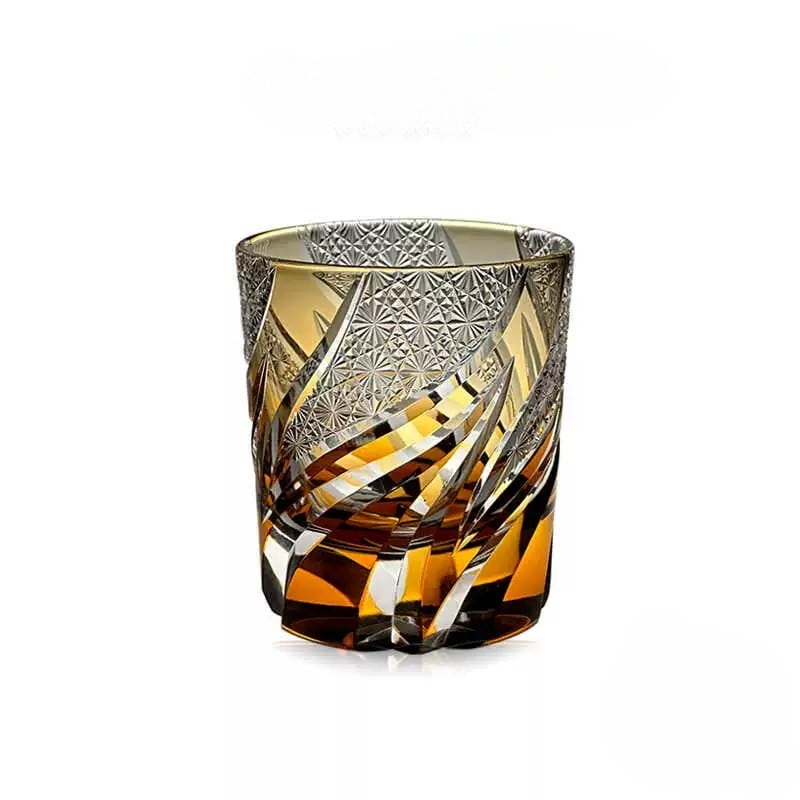
| Glass | Crisp, refreshing sensation | Premium chilled sake, summer |
| Lacquer (漆器) | Warm, smooth mouthfeel | Ancient ceremony, hot sake |
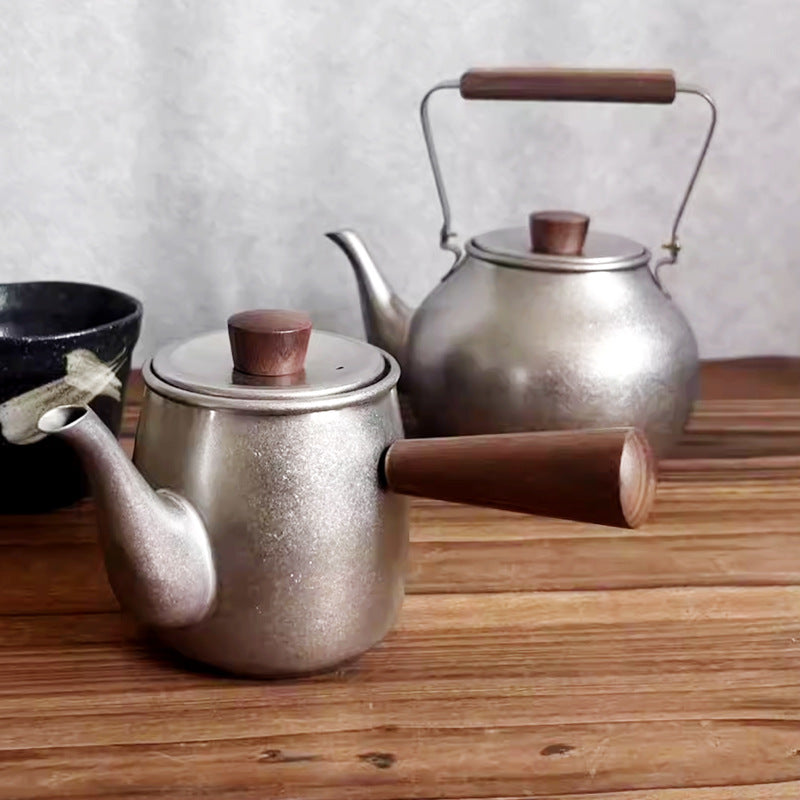
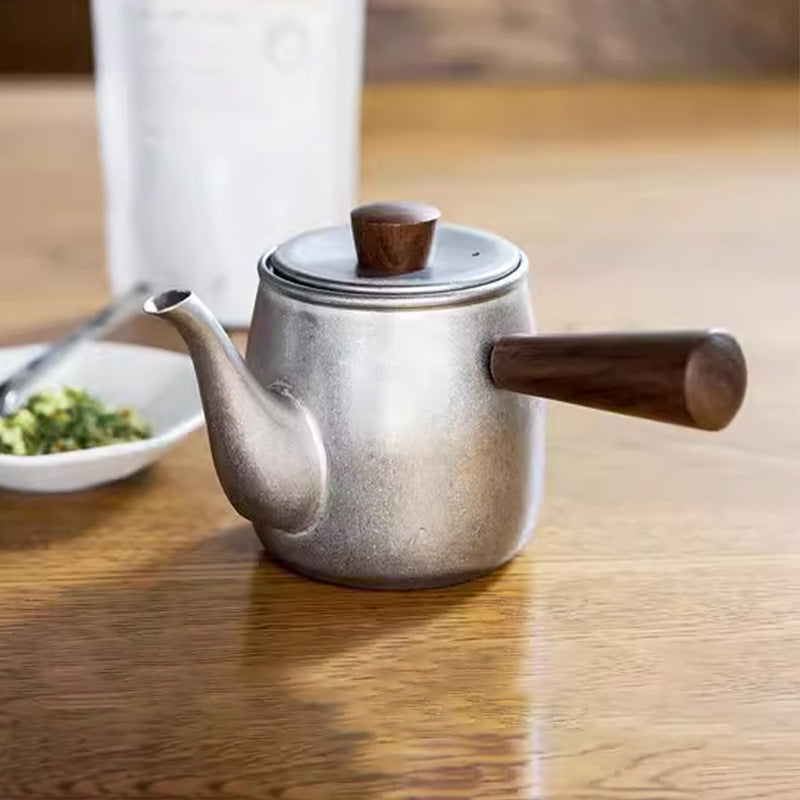
| Tin/Pewter | Purifies and mellows rough notes | Any sake — a connoisseur's choice |
Serving Temperature Guide
Japanese sake is one of the few drinks in the world intentionally served across a wide temperature range. Your cup choice should complement the temperature:
- Reishu (冷酒) — Chilled (5-15°C): Glass or thin porcelain cups to maintain coolness
- Hiya (冷や) — Room Temperature: Any cup works well at room temp
- Nurukan (ぬる燗) — Lukewarm (40°C): Ceramic cups that hold heat gently
- Atsukan (熱燗) — Hot (50°C+): Thick ceramic cups with wide bases for heat retention
Choosing by Occasion
- Everyday home enjoyment: A simple 2-piece set (1 tokkuri + 2 ochoko) in your preferred material
- Entertaining guests: A larger set (1 tokkuri + 4 cups) for the full communal experience
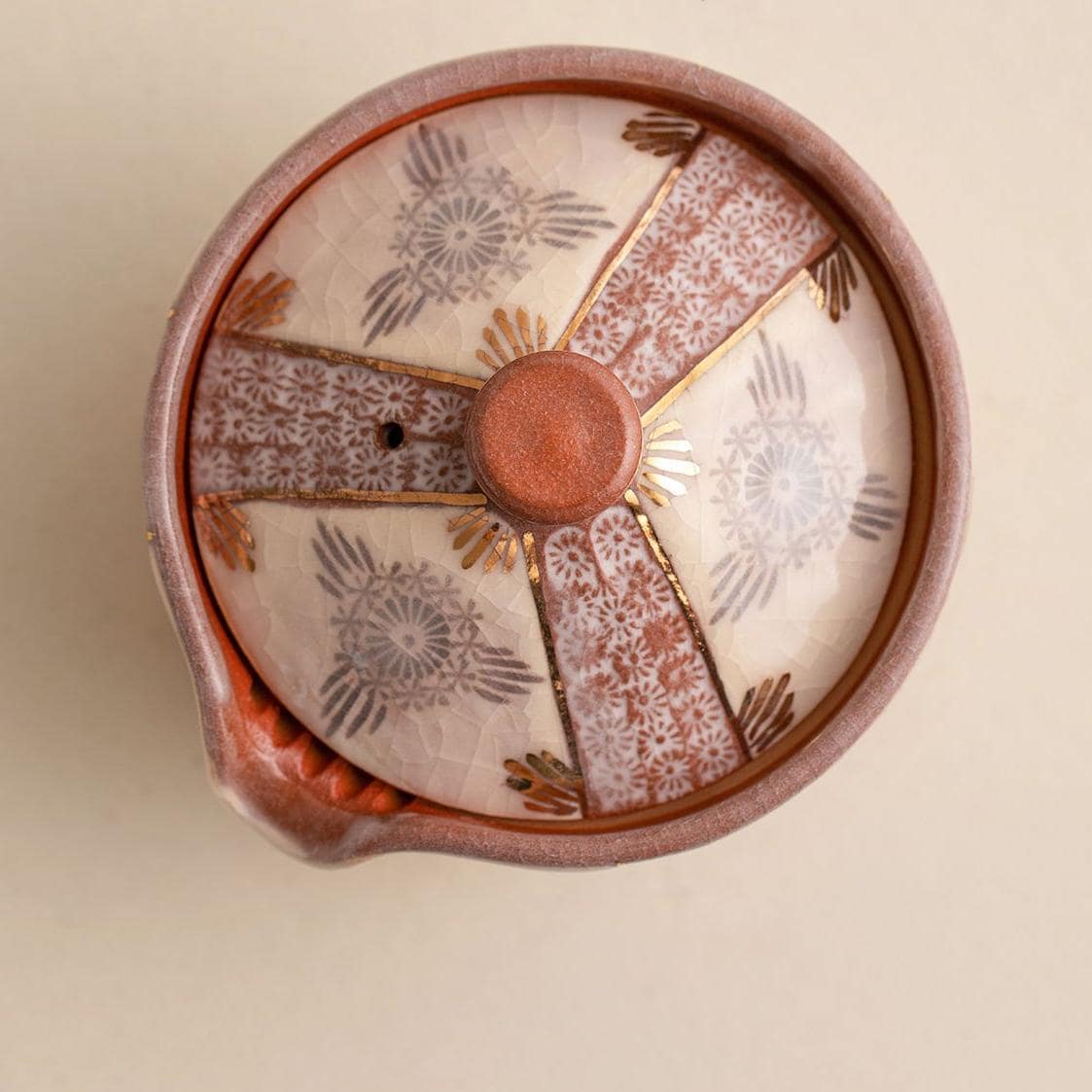
- Wedding or special gift: A premium set in a gift box — Kutani-yaki (bold colors) or Mino-yaki (subtle elegance) are excellent choices
- Collectors and connoisseurs: Individual guinomi from named artisans — each cup tells a story
The Ritual of Pouring
In Japanese sake culture, you never pour for yourself. It's a beautiful practice called oshaku (お酌) — you pour for others, and they pour for you. Hold the tokkuri with both hands when pouring (this shows respect), and when receiving, hold your cup with both hands and take a small sip before setting it down.
This mutual exchange transforms drinking from a solitary act into a shared moment of connection.
Browse our sake collection →
Explore our handcrafted Japanese sake sets from Mino, Kutani, and other celebrated kilns. Every set ships free and fully insured worldwide.
How to Choose Japanese Chopsticks: The Complete Buying Guide
The Art of Edo Kiriko: Japan's 200-Year-Old Glass Cutting Tradition
Related Posts

How to Care for Handmade Japanese Ceramics, Lacquerware, and Glassware

How to Care for Handmade Japanese Ceramics, Lacquerware, and Glassware

How to Care for Handmade Japanese Ceramics, Lacquerware, and Glassware

The History of Chopsticks

How to Care for Handmade Japanese Ceramics, Lacquerware, and Glassware

The Story of Urushi

How to Care for Handmade Japanese Ceramics, Lacquerware, and Glassware