
The Art of Edo Kiriko: Japan's 200-Year-Old Glass Cutting Tradition
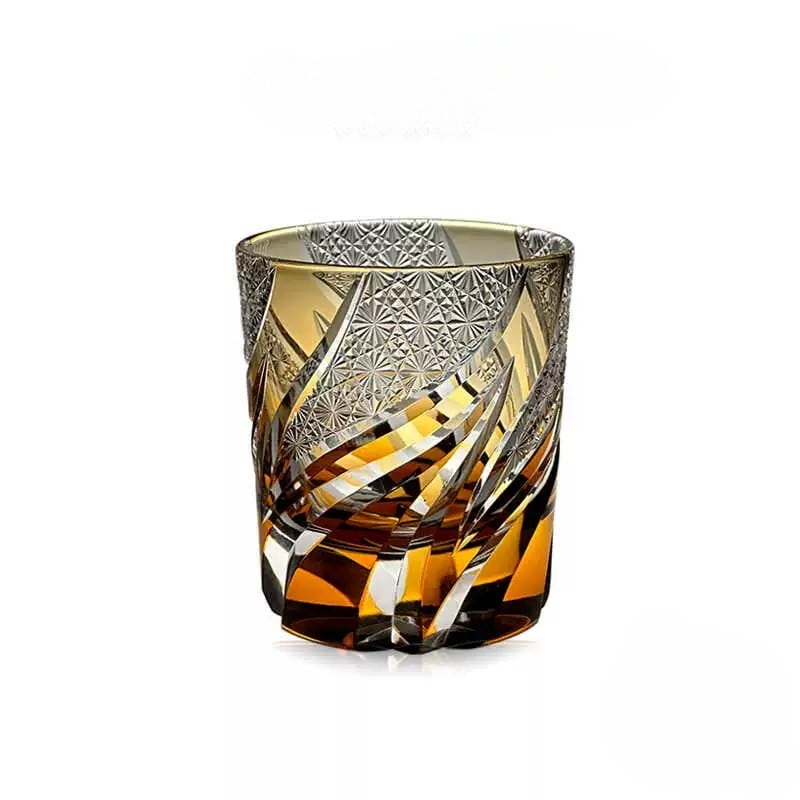
In Tokyo's Sumida and Koto wards, a handful of master artisans still practice one of Japan's most mesmerizing crafts: Edo Kiriko (江戸切子) — the art of hand-cutting intricate geometric patterns into crystal glass.
A Craft Born in Edo-Period Tokyo
Edo Kiriko originated in 1834 when Kagaya Kyubei (加賀屋久兵衛), a glass artisan in the Nihonbashi district of Tokyo (then called Edo), began experimenting with European glassware techniques he'd learned from Dutch traders at Dejima port. He combined Western glass-cutting methods with distinctly Japanese geometric patterns, creating something entirely new — a fusion of East and West that has endured for nearly two centuries.
In 1876, the Meiji government invited English glass cutter Emanuel Hauptmann to teach advanced cutting techniques to Japanese artisans, elevating the craft to world-class standards. Since then, Edo Kiriko has been designated a Traditional Craft of Japan by METI (Ministry of Economy, Trade, and Industry) — one of only a handful of Tokyo-based crafts to receive this distinction.
Traditional Patterns and Their Meanings
Each Edo Kiriko pattern carries symbolic significance rooted in Japanese culture:
- Nanako (魚子) — Fish Roe: Densely packed circles symbolizing abundance and prosperity
- Kagome (籠目) — Woven Bamboo: Interlocking hexagons that ward off evil spirits
- Yarai (矢来) — Arrow Fence: Diagonal cross-hatching representing protection
- Kiku (菊) — Chrysanthemum: The imperial flower, symbolizing longevity and rejuvenation
- Asanoha (麻の葉) — Hemp Leaf: Geometric star pattern representing growth and health
- Rokkaku-kagome (六角籠目) — Six-pointed Star: A complex weave pattern symbolizing harmony
How Edo Kiriko Is Made
Creating a single Edo Kiriko piece requires 8-15 hours of skilled handwork across multiple stages:
- Sumitsuke (墨付け): The artisan marks the cutting guidelines on the glass surface with a special water-soluble ink
- Arazuri (粗摺り): Rough cutting — the primary patterns are carved using diamond-tipped rotating wheels
- Sanban-gake (三番掛け): Medium grinding to refine the pattern edges and deepen the cuts
- Ishikake (石掛け): Fine grinding with natural stone wheels to smooth the cut surfaces
- Migaki (磨き): Polishing with felt and cerium oxide to achieve the crystal-clear finish that makes patterns sparkle
No machines can replicate the nuance of a master cutter's hand. The pressure, angle, and speed at each stage must be precisely calibrated — too much force cracks the glass; too little leaves the pattern dull.
Colored Glass: The Overlay Technique
The most stunning Edo Kiriko pieces use colored overlay glass — a thin layer of colored glass is fused over a clear crystal base. When the artisan cuts through the colored layer, the clear glass beneath is revealed, creating a dramatic contrast between color and transparency.
The most traditional colors are:
- Ruri (瑠璃) — Deep cobalt blue: The signature color of classic Edo Kiriko
- Aka (赤) — Rich red: Achieved with gold chloride — rare and expensive
- Murasaki (紫) — Purple: Created with manganese oxide, a modern addition
- Midori (緑) — Green: Using chromium oxide for emerald tones
How to Identify Authentic Edo Kiriko
With growing demand, imitations exist. Here's how to spot the real thing:
- ✅ Slight irregularities in the pattern — proof of hand-cutting
- ✅ Sharp, deep cuts with clear edges (machine-cut glass has rounded edges)
- ✅ Certified mark — look for the Traditional Craft mark (伝統工芸品) or the artisan's signature
- ✅ Lead-free crystal — authentic Edo Kiriko uses soda or potash glass, not lead crystal
- ❌ Perfectly uniform patterns suggest machine production
Experience Edo Kiriko →
Browse our Edo Kiriko collection — each piece is handcrafted in Japan using traditional techniques. From whiskey glasses to sake cups, find your perfect piece.
How to Choose a Japanese Sake Set: A Beginner's Guide
Understanding Japanese Ceramic Regions: Mino, Kutani, Hasami & Beyond
Related Posts

How to Care for Handmade Japanese Ceramics, Lacquerware, and Glassware

How to Care for Handmade Japanese Ceramics, Lacquerware, and Glassware

How to Care for Handmade Japanese Ceramics, Lacquerware, and Glassware

The History of Chopsticks

How to Care for Handmade Japanese Ceramics, Lacquerware, and Glassware

The Story of Urushi

How to Care for Handmade Japanese Ceramics, Lacquerware, and Glassware