
Understanding Japanese Ceramic Regions: Mino, Kutani, Hasami & Beyond
Japan is home to dozens of distinct ceramic traditions, each shaped by its region's unique clay, water, and the philosophy of the artisans who've refined their craft over centuries. Here's a guide to the major pottery regions whose work you'll find in our collection.
Mino-yaki (美濃焼) — Gifu Prefecture
Mino-yaki accounts for roughly 50% of all Japanese ceramics produced today, making it the most prolific pottery region in the country. It has been producing pottery since the 7th century and is known for an extraordinary diversity of styles, including:
- Shino-yaki: Soft, milky white glaze with orange flashes — one of the most prized Japanese glazes
- Oribe-yaki: Bold green glaze with free-form geometric patterns, named after the tea master Furuta Oribe
- Kizeto (Yellow Seto): Warm yellow glaze with subtle ash patterns
- Setoguro (Black Seto): Deep, jet-black glaze achieved through rapid cooling
Mino-yaki is celebrated for its versatility — from rustic, wabi-sabi tea bowls to minimalist modern tableware.
Kutani-yaki (九谷焼) — Ishikawa Prefecture
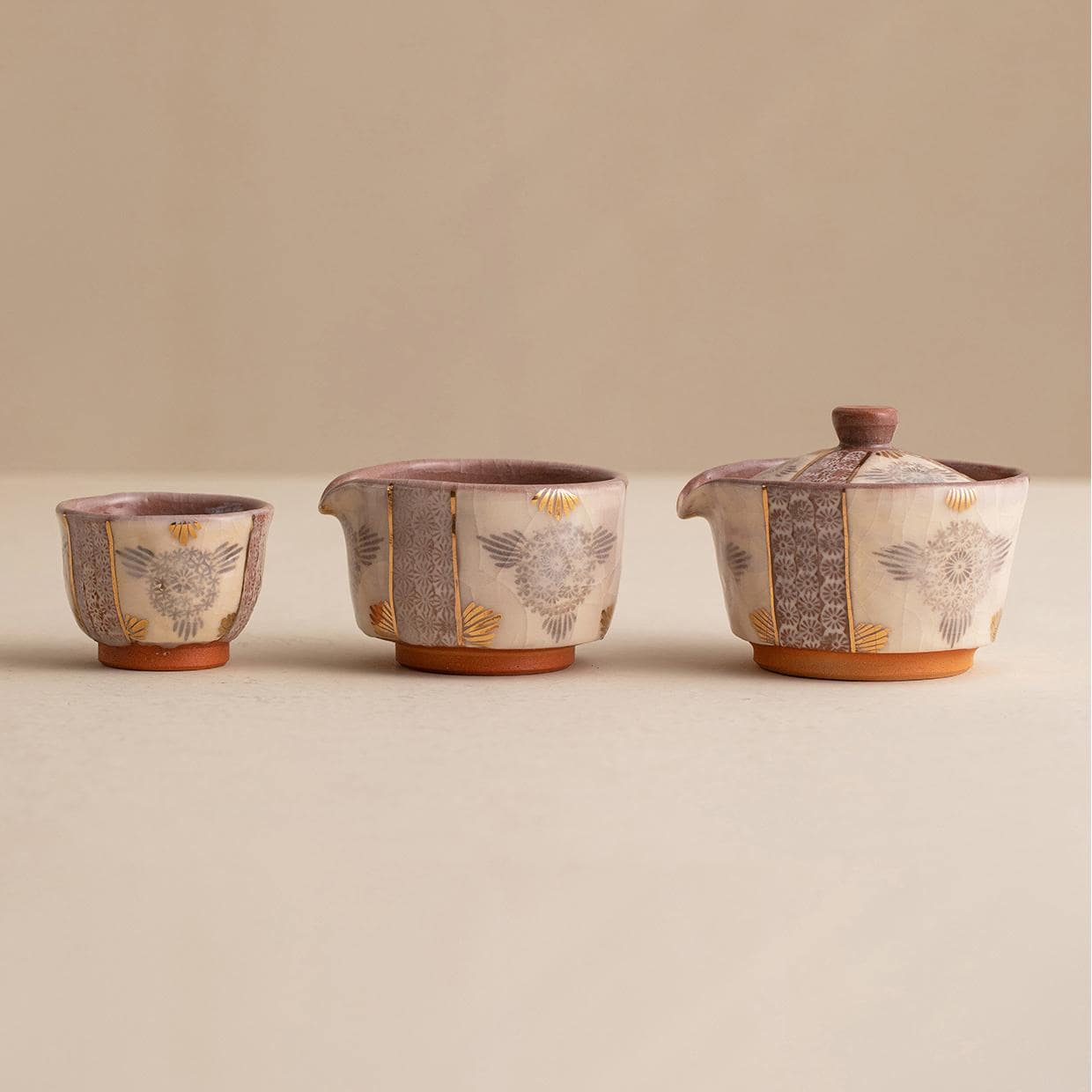
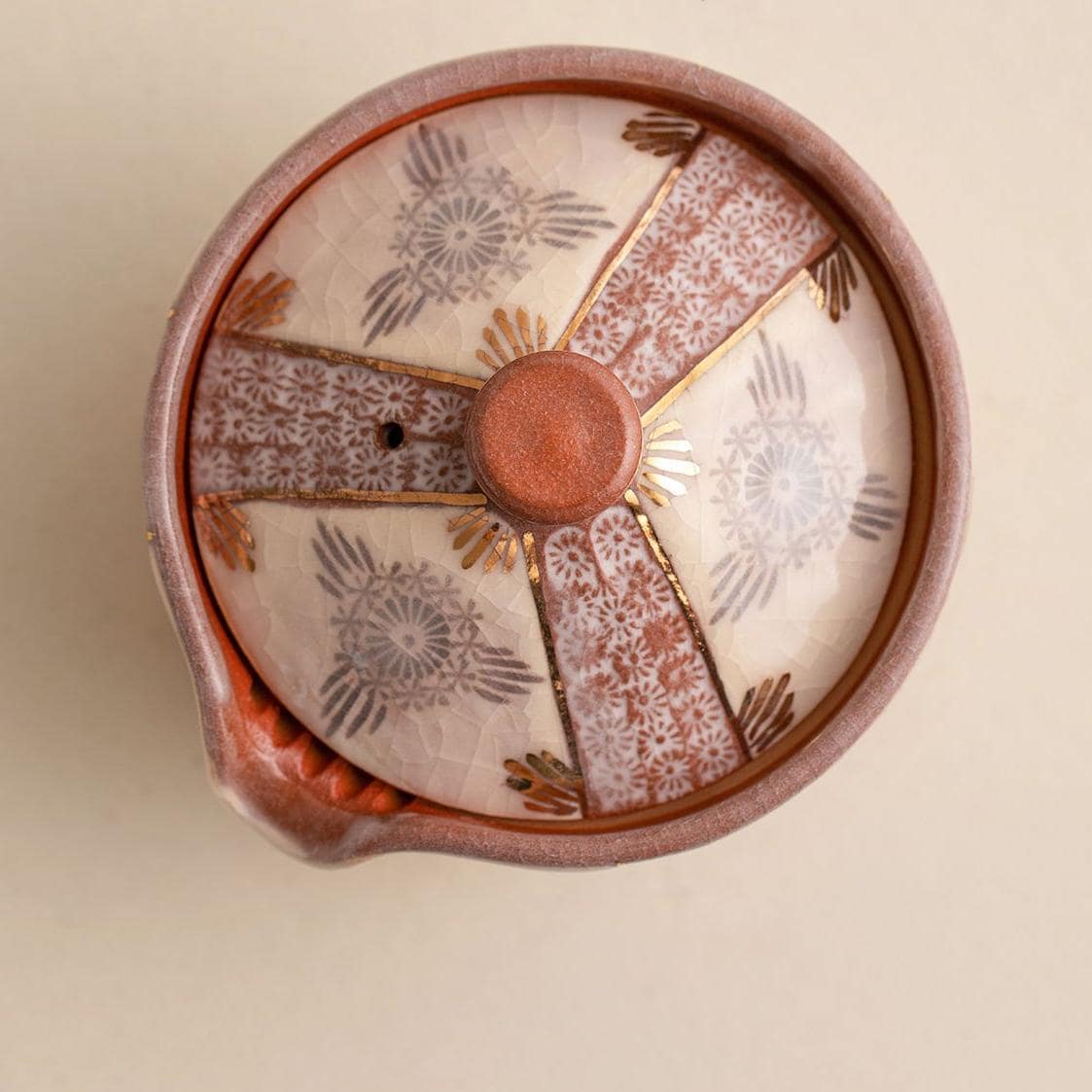
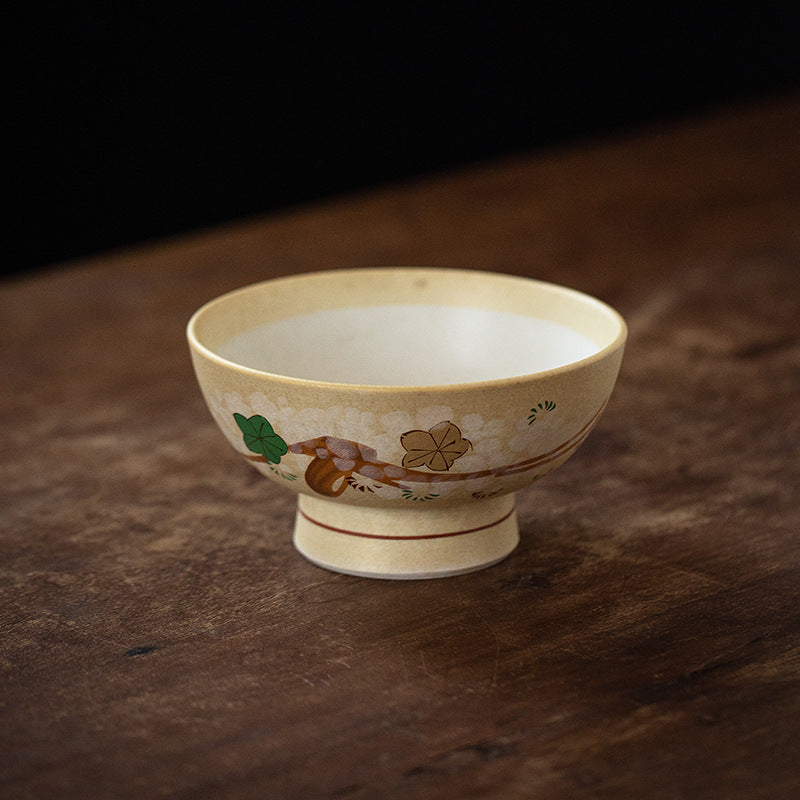
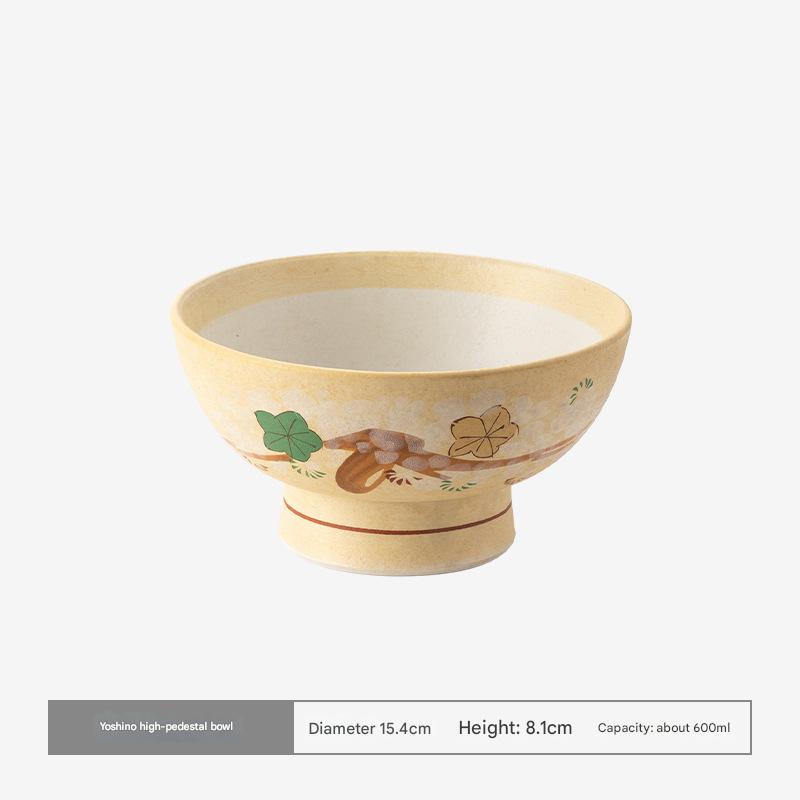
If Mino is subtle, Kutani is bold and unapologetic. Originating in the 1650s, Kutani-yaki is immediately recognizable by its five signature overglaze colors: green, yellow, purple, navy blue, and red (known as Kutani gosai).
Kutani ware features elaborate hand-painted designs — landscapes, birds, flowers, and mythological creatures rendered with extraordinary detail. Each piece can take weeks to complete, with multiple rounds of painting, glazing, and firing at different temperatures.
Best for: Statement pieces, gifts, collectors who appreciate bold artistry.
Hasami-yaki (波佐見焼) — Nagasaki Prefecture
Hasami has experienced a renaissance in recent years, becoming the go-to pottery for modern Japanese design. While it has a 400-year history, contemporary Hasami potters are known for clean lines, functional shapes, and palette-cleansing simplicity.
Hasami pieces stack beautifully, are often dishwasher-safe, and blend seamlessly with both Japanese and Western table settings. Best for: everyday dining, modern minimalist homes.
Tokoname-yaki (常滑焼) — Aichi Prefecture
Tokoname is the undisputed capital of Japanese teapots. The region's iron-rich red clay (shudei) naturally filters tannins from green tea, producing a smoother, more mellow brew. Tokoname kyusu teapots are considered the gold standard for Japanese tea enthusiasts.
Bizen-yaki (備前焼) — Okayama Prefecture
The oldest of the "Six Ancient Kilns of Japan," Bizen-yaki uses no glaze whatsoever. Instead, pieces are fired in a wood-burning kiln for 10-14 days straight. The natural ash fall, flame patterns, and kiln placement create unique surface effects that can never be replicated — each piece is literally one-of-a-kind.
Sake connoisseurs especially prize Bizen cups for the way the unglazed surface creates micro-foam in sake and beer, improving texture and aroma.
Arita-yaki / Imari-yaki (有田焼) — Saga Prefecture
Japan's first porcelain, produced continuously since 1616. Arita ware — historically exported as "Imari" (named after the shipping port) — influenced European ceramics so profoundly that you can see its descendants in Royal Delft, Meissen, and other European porcelain traditions.
Explore our collection by region →
Every piece at Sakitime is sourced directly from these artisan regions. Browse our full collection to discover the perfect piece for your table.
The Art of Edo Kiriko: Japan's 200-Year-Old Glass Cutting Tradition
The Complete Guide to Chopstick Rests: Etiquette, Materials, and Designs
Related Posts

How to Care for Handmade Japanese Ceramics, Lacquerware, and Glassware

How to Care for Handmade Japanese Ceramics, Lacquerware, and Glassware

How to Care for Handmade Japanese Ceramics, Lacquerware, and Glassware

The History of Chopsticks

How to Care for Handmade Japanese Ceramics, Lacquerware, and Glassware

The Story of Urushi

How to Care for Handmade Japanese Ceramics, Lacquerware, and Glassware