
The Complete Guide to Chopstick Rests: Etiquette, Materials, and Designs
Whether you're a seasoned collector or discovering Japanese chopsticks for the first time, this comprehensive guide will help you understand what makes authentic Japanese craftsmanship so special — and how to choose the perfect piece for your home.
Why Japanese chopsticks Matter
Japanese artisans have refined their craft over centuries, developing techniques passed down through generations. Each piece of Japanese chopsticks carries within it the philosophy of monozukuri — the art of making things with sincerity, precision, and devotion to quality.
Unlike mass-produced alternatives, authentic Japanese chopsticks tell a story. The subtle variations in glaze, the warmth of handcrafted forms, and the deliberate imperfections celebrated through wabi-sabi aesthetics all contribute to pieces that are not just functional, but deeply personal.
Key Things to Consider
1. Material & Origin
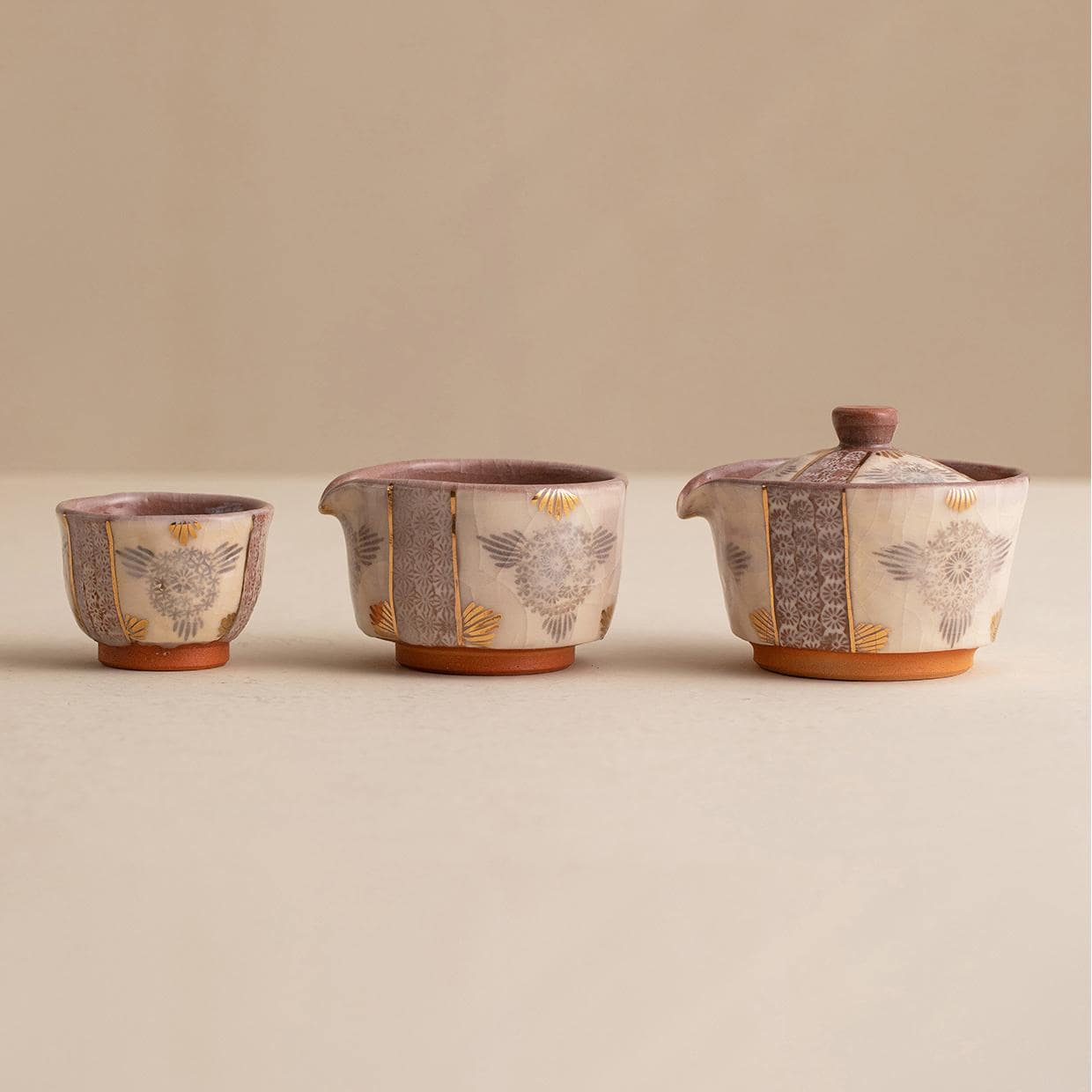
Japan's diverse regions each contribute unique traditions to Japanese chopsticks. From the earthy warmth of Mino ware to the colorful brilliance of Kutani porcelain, understanding regional styles helps you find pieces that resonate with your personal aesthetic.
2. Craftsmanship & Technique
Look for signs of genuine handcrafting: slight asymmetries, natural glaze variations, and the distinctive textures that come from traditional firing methods. These are not flaws — they're signatures of authenticity.
3. Function & Form
The best Japanese chopsticks balance beauty with everyday practicality. Consider how each piece will fit into your daily rituals — morning coffee, evening sake, a weekend gathering with friends.
4. Care & Longevity
Quality Japanese chopsticks can last generations when properly cared for. Most benefit from hand washing and gentle handling. Some develop a beautiful patina over time, making each piece more personal with use.
How to Style Japanese chopsticks at Home
Japanese table settings embrace the concept of okurimono — the thoughtful arrangement of items. Mix textures and sizes freely, combining rustic stoneware with delicate porcelain. Let seasonal elements guide your choices: warm earth tones in autumn, cool blues in summer.
Finding Authentic Japanese chopsticks
At Sakitime, we work directly with Japanese artisans and workshops to bring you authentic, handcrafted Japanese chopsticks. Every piece in our collection has been carefully selected for quality, beauty, and the story it tells about Japan's remarkable craft traditions.
Ready to explore? Browse our curated collection of Japanese chopsticks and discover your next treasured piece.
Understanding Japanese Ceramic Regions: Mino, Kutani, Hasami & Beyond
Stewed in Spring Light: Recipe for Japanese Nikujaga
Related Posts

How to Care for Handmade Japanese Ceramics, Lacquerware, and Glassware

How to Care for Handmade Japanese Ceramics, Lacquerware, and Glassware

How to Care for Handmade Japanese Ceramics, Lacquerware, and Glassware

The History of Chopsticks

How to Care for Handmade Japanese Ceramics, Lacquerware, and Glassware

The Story of Urushi

How to Care for Handmade Japanese Ceramics, Lacquerware, and Glassware