
Stewed in Spring Light: Recipe for Japanese Nikujaga
Japanese cuisine is as much about the vessels as the food itself. Stewed in Spring Light — Recipe for Japanese Nikujaga celebrates the beautiful intersection of cooking, culture, and craft that makes Japanese dining so special.
The Japanese Approach to Food & Craft
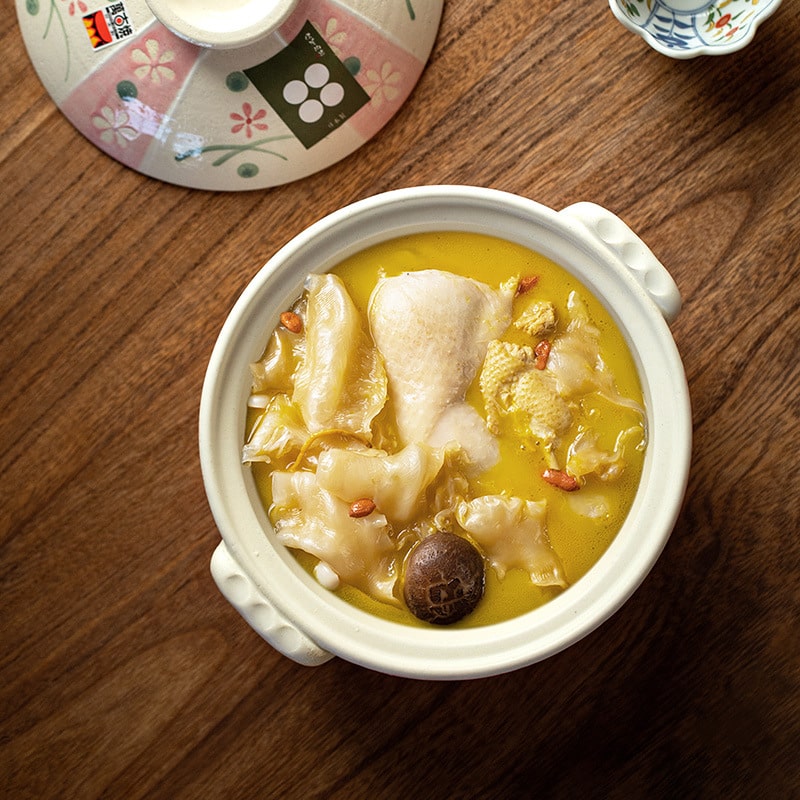
In Japanese culinary tradition, the saying "me de taberu" (目で食べる) — "to eat with your eyes" — captures the belief that beautiful presentation is inseparable from delicious food. The choice of Japanese home cooking for serving transforms every meal into an aesthetic experience.
Seasonal Awareness
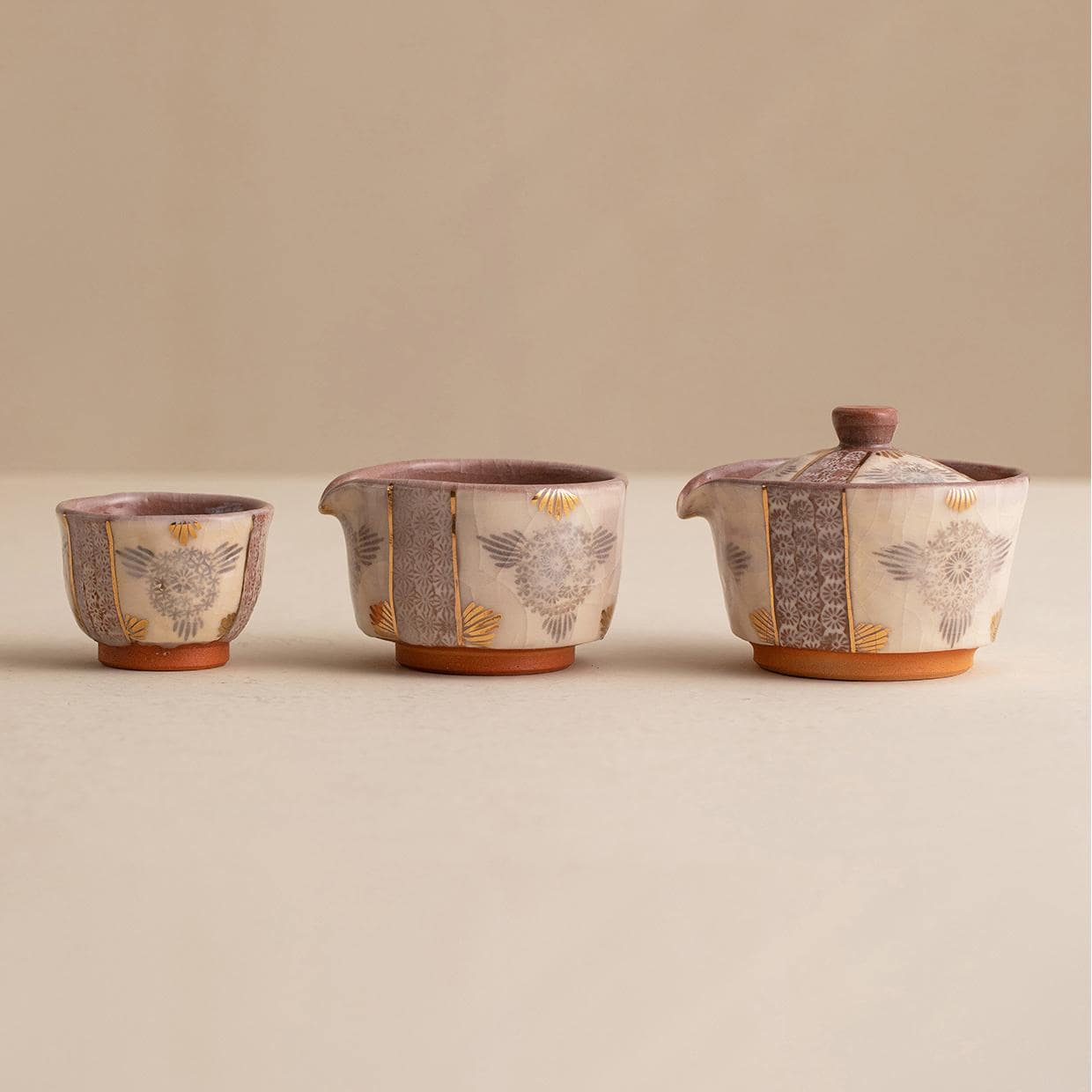
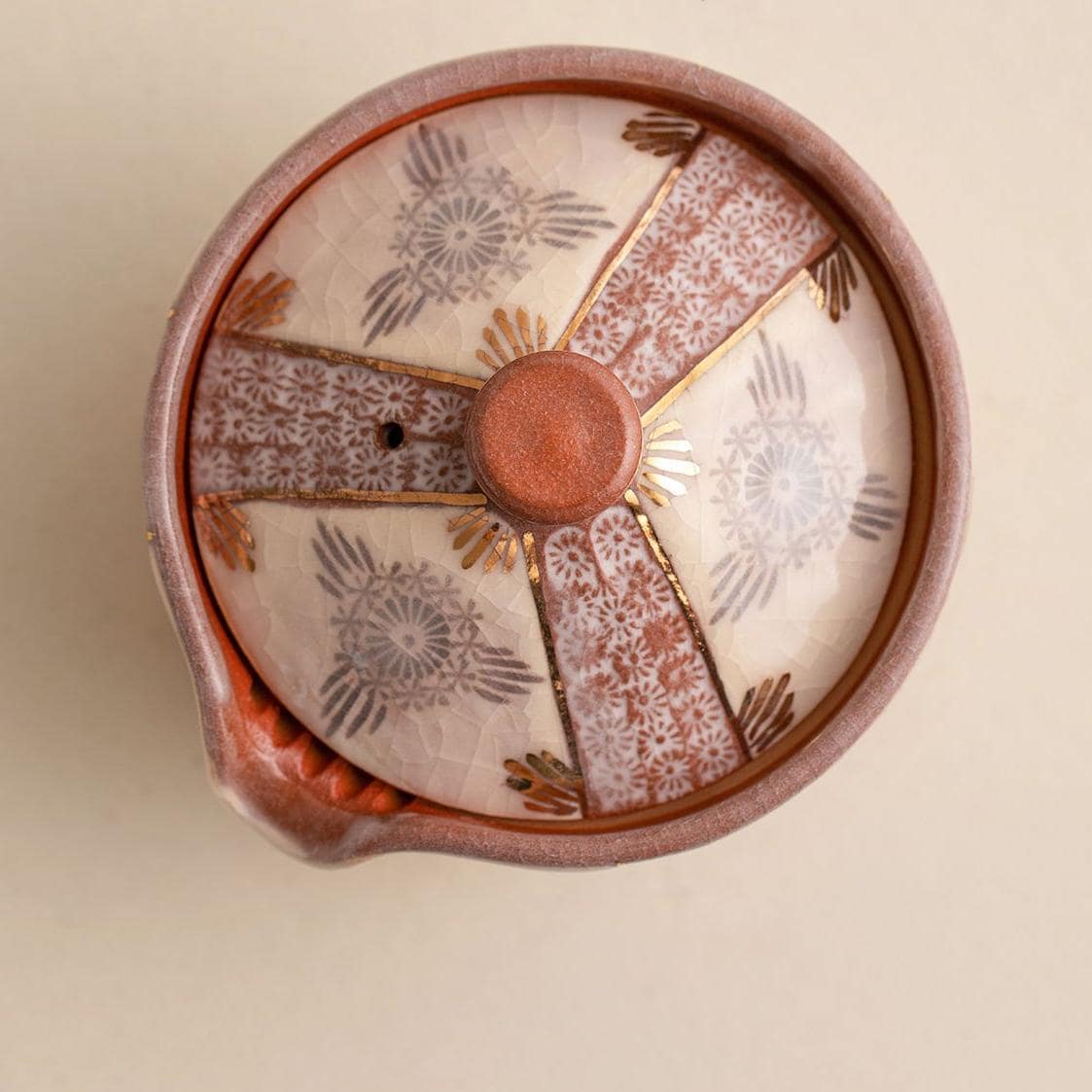
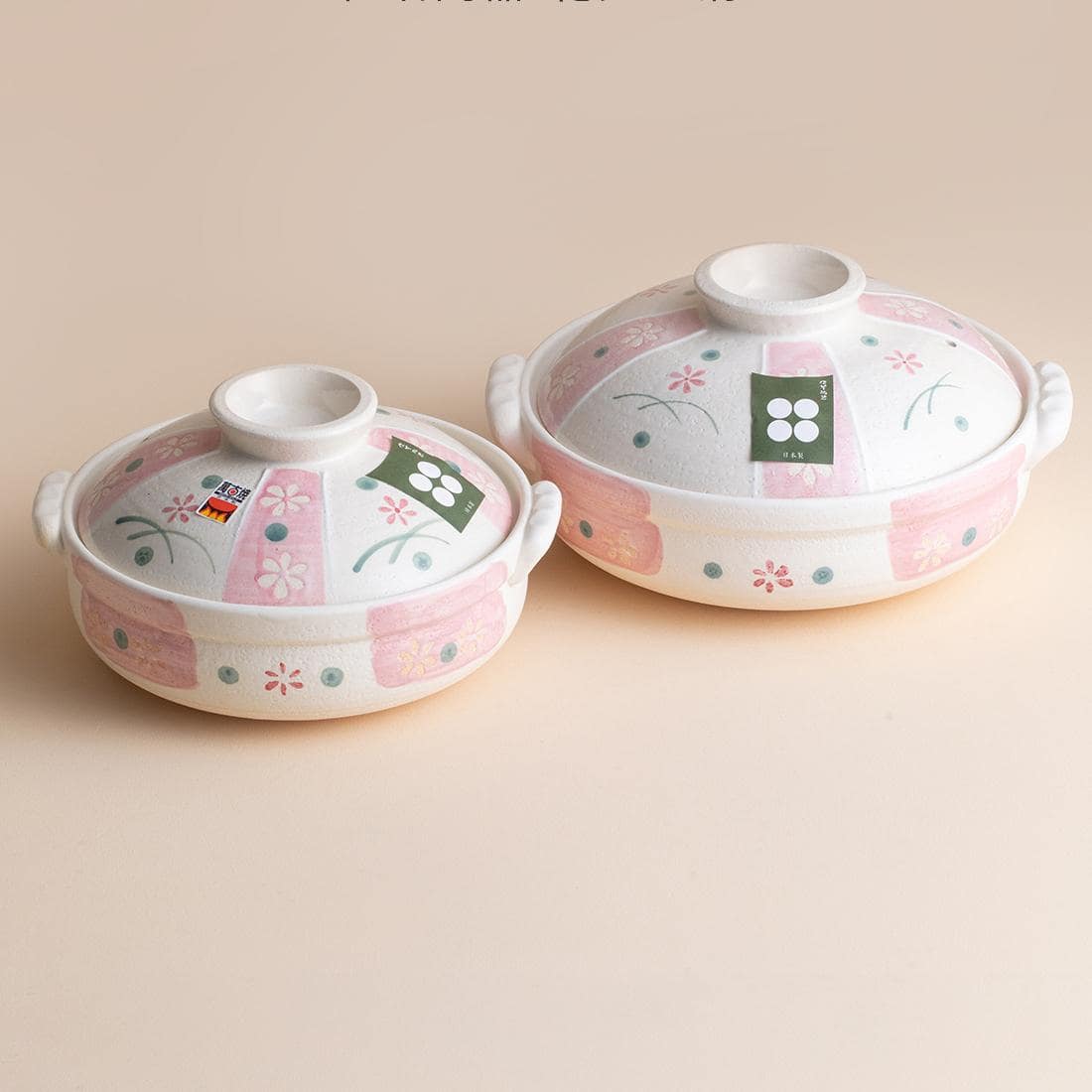
Japanese cooking follows the rhythm of the seasons (shun / 旬), and tableware selections mirror this philosophy. Spring calls for delicate porcelain with floral motifs, summer for cool glass and blue-toned ceramics, autumn for warm earth tones and textured stoneware, and winter for heavy clay and the comforting warmth of donabe pots.
Essential Tableware for Japanese Dining
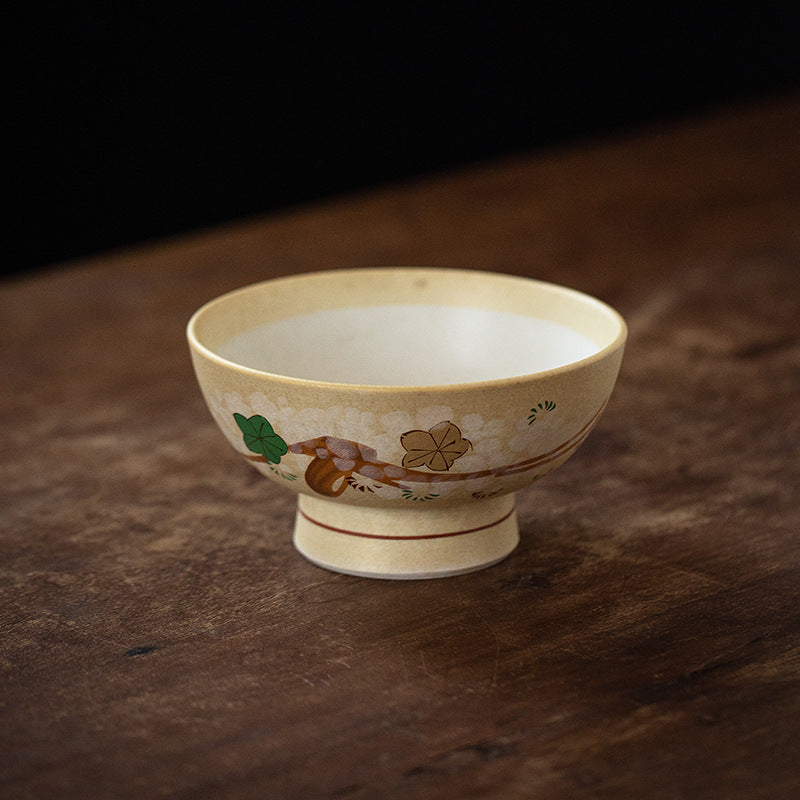
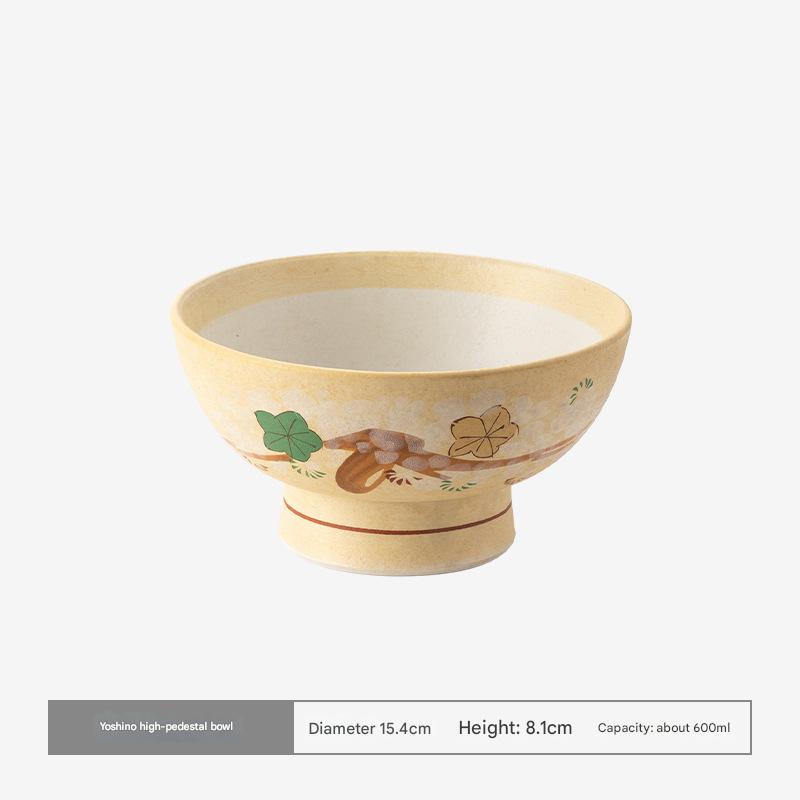
- Rice bowls (chawan) — The foundation of every Japanese meal
- Soup bowls (owan) — Often lacquerware, designed to hold comfortably in both hands
- Small plates (kozara) — For condiments, pickles, and side dishes
- Chopsticks (hashi) — Personal and carefully chosen to fit the user's hand
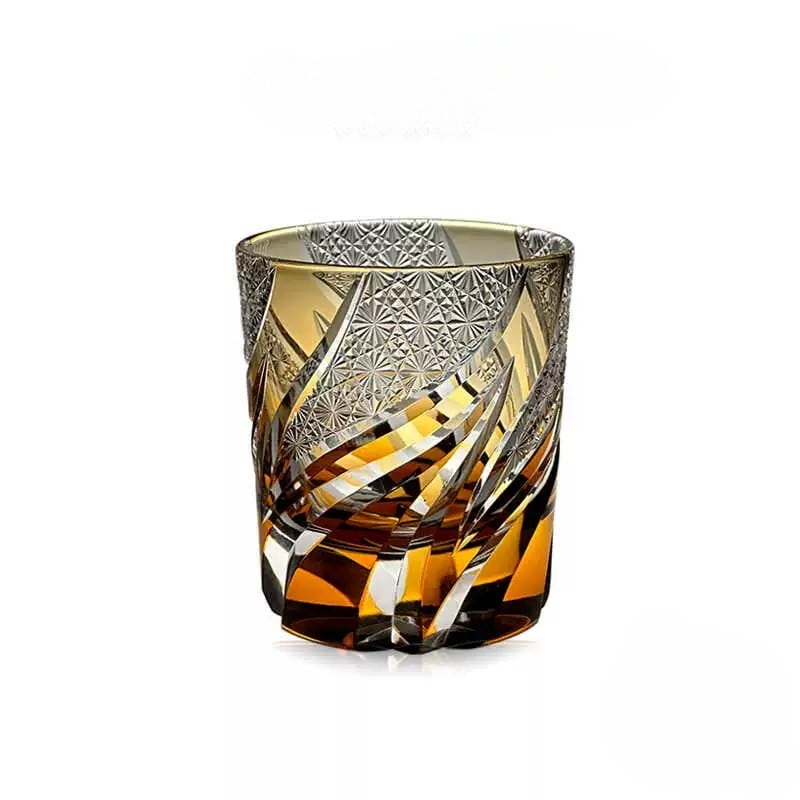
- Sake vessels — Tokkuri (pouring flask) and ochoko (cups) for communal enjoyment
Bringing It Home
You don't need a full kaiseki set to embrace Japanese dining aesthetics. Start with a few well-chosen pieces that inspire you: a beautiful rice bowl, a pair of chopsticks that feel right in your hand, and a small plate for seasonal accompaniments. Build from there, letting your collection grow naturally.
At Sakitime, our curated collection of Japanese home cooking brings the beauty of Japanese dining to your home. Explore and find pieces that make every meal a moment to savor.
The Complete Guide to Chopstick Rests: Etiquette, Materials, and Designs
How to Host a Hinamatsuri Tea Party
Related Posts

How to Care for Handmade Japanese Ceramics, Lacquerware, and Glassware

How to Care for Handmade Japanese Ceramics, Lacquerware, and Glassware

How to Care for Handmade Japanese Ceramics, Lacquerware, and Glassware

The History of Chopsticks

How to Care for Handmade Japanese Ceramics, Lacquerware, and Glassware

The Story of Urushi

How to Care for Handmade Japanese Ceramics, Lacquerware, and Glassware