
How to Host a Hinamatsuri Tea Party
Whether you're a seasoned collector or new to Japanese tea culture, this comprehensive guide will help you navigate the world of authentic Japanese craftsmanship — and find the perfect piece to complement your lifestyle.
Understanding Japanese tea culture
In Japan, Japanese tea culture represent more than mere objects — they embody centuries of artistic tradition and the philosophy of monozukuri (the art of making things with sincerity). Every piece tells a story of its maker, its region, and the natural materials that give it character.
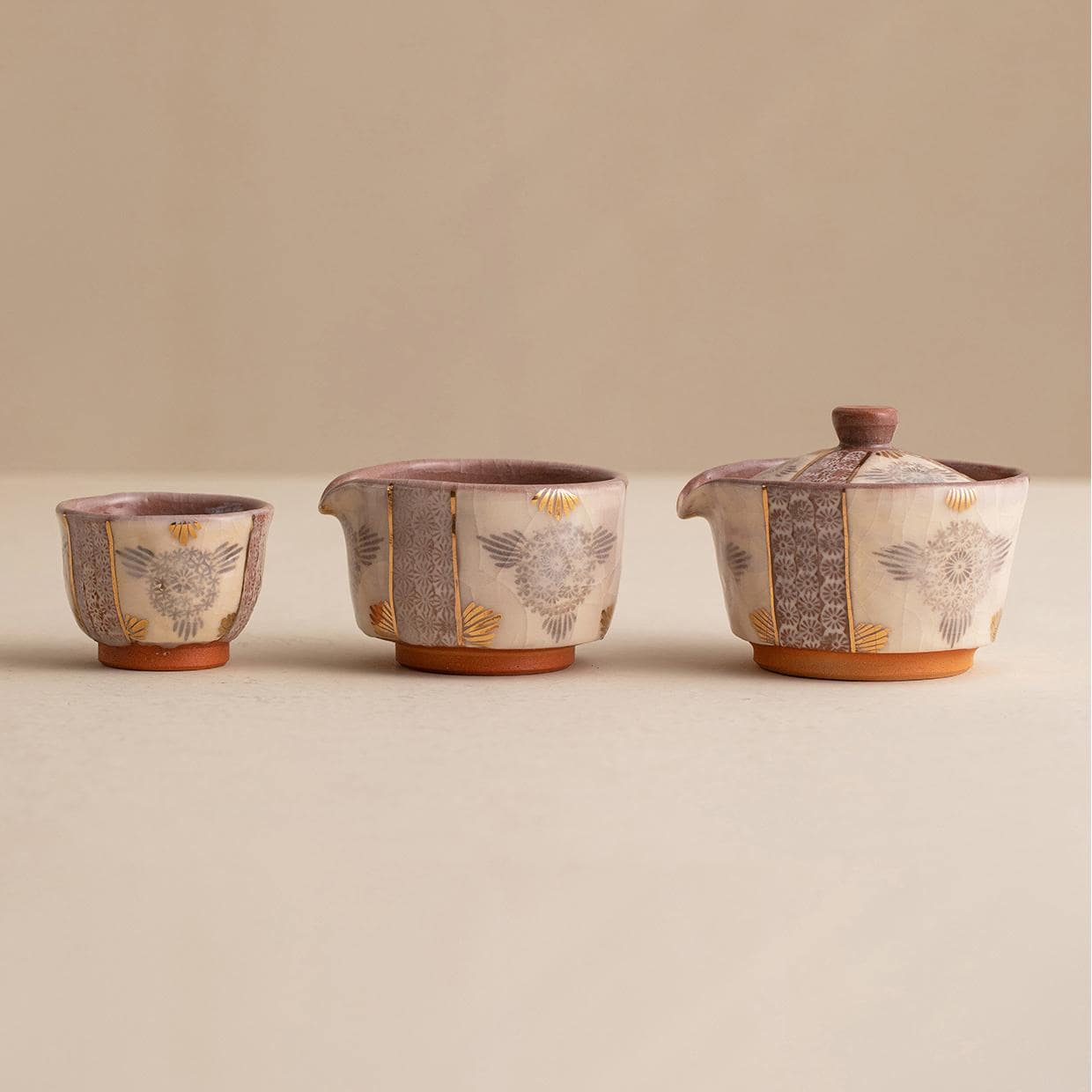
From the apprentice workshops of Kyoto to the pottery kilns of Arita, Japanese artisans dedicate their lives to mastering a single craft. This devotion is visible in every detail: the warmth of a hand-formed rim, the depth of a wood-fired glaze, the balance of a perfectly weighted handle.
What to Look For
Authenticity & Origin
Genuine Japanese tea culture often carry marks of their regional heritage. Look for maker's stamps, kiln marks, or certificates of origin that connect each piece to its specific tradition. These aren't just quality indicators — they're stories waiting to be discovered.
Material Quality
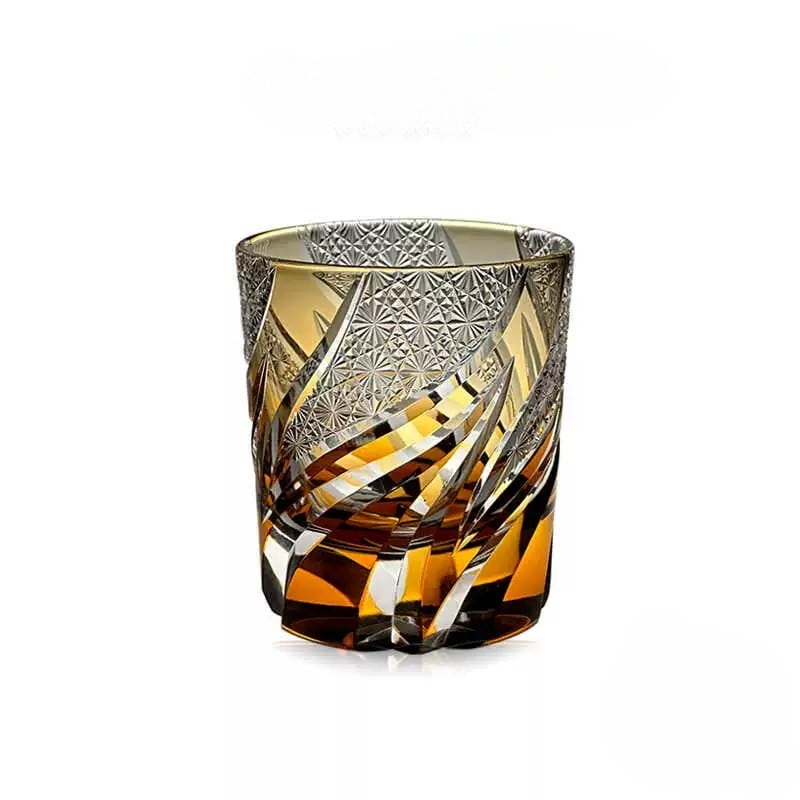
The finest Japanese tea culture use natural, locally sourced materials. Whether it's volcanic clay from Hokkaido, lacquer tapped from urushi trees, or crystal-clear sand for glasswork, the raw materials determine the final character of each piece.
Craftsmanship Details
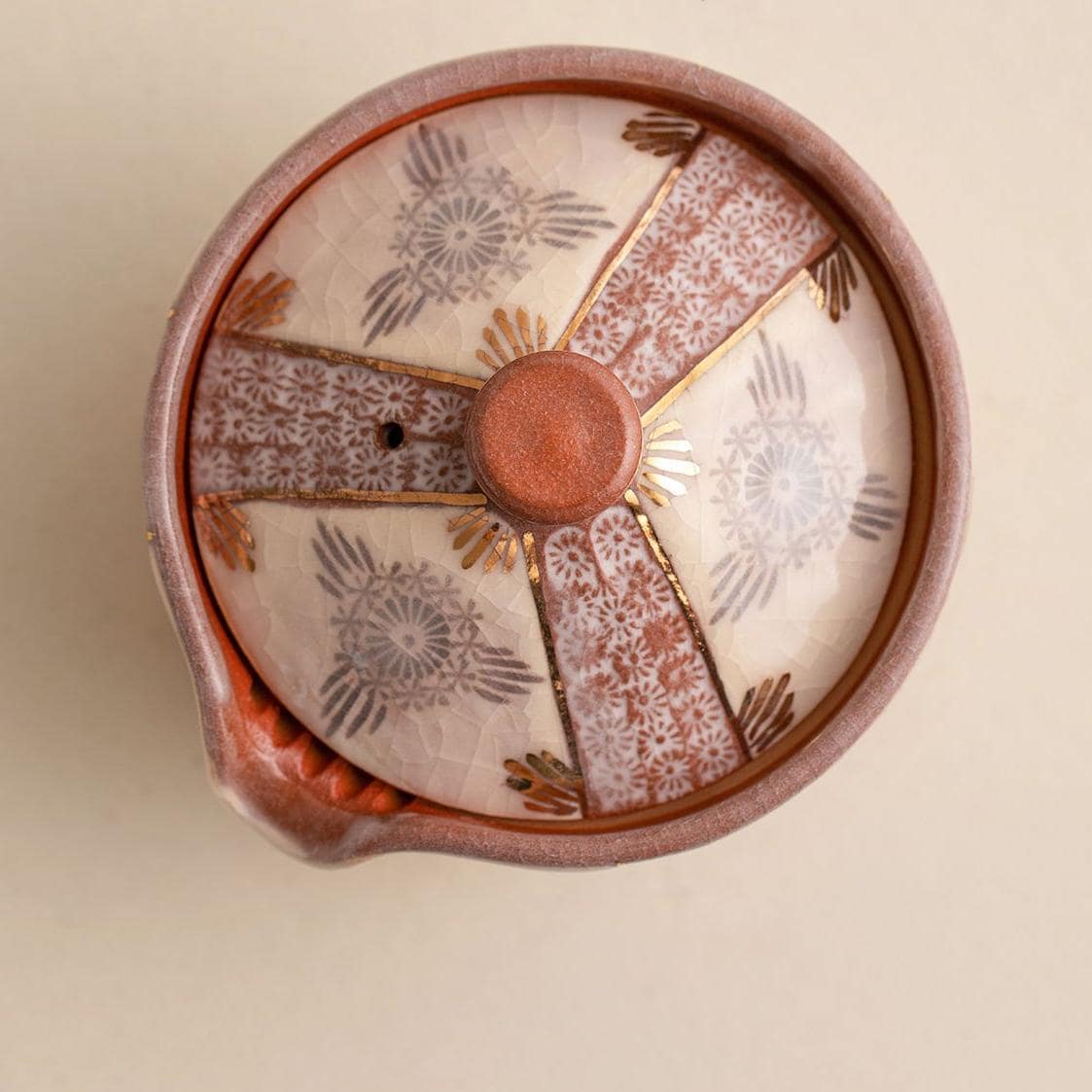
Run your fingers across the surface. Authentic handcrafted Japanese tea culture reveal their maker's touch — subtle asymmetries, organic textures, and the kind of character that machines simply cannot replicate. In Japanese aesthetics, these variations are celebrated as expressions of wabi-sabi, the beauty of imperfection.
Everyday Usability
The best Japanese tea culture marry beauty with daily practicality. Japanese design philosophy holds that beautiful objects should be used, not displayed behind glass. Consider how each piece will enhance your daily rituals — morning tea, a shared meal, an evening moment of calm.
Caring for Your Japanese tea culture
With proper care, quality Japanese tea culture improve with age, developing a beautiful patina that records years of use and appreciation. Most pieces benefit from gentle hand washing with mild soap, prompt drying, and storage with soft padding between items.
Building Your Collection
Start with pieces you'll use every day. As your appreciation deepens, you'll naturally gravitate toward specific regions, materials, or artisans that speak to your personal aesthetic. There's no wrong way to collect — only the joy of discovery.
Explore Our Collection
At Sakitime, we work directly with Japanese artisans and workshops to bring you authentic, handcrafted Japanese tea culture. Every piece in our collection is selected for quality, beauty, and the story it tells about Japan's remarkable craft traditions.
Browse our curated selection and discover your next treasured piece.
Stewed in Spring Light: Recipe for Japanese Nikujaga
How to Care for Japanese Lacquerware
Related Posts

How to Care for Handmade Japanese Ceramics, Lacquerware, and Glassware

How to Care for Handmade Japanese Ceramics, Lacquerware, and Glassware

How to Care for Handmade Japanese Ceramics, Lacquerware, and Glassware

The History of Chopsticks

How to Care for Handmade Japanese Ceramics, Lacquerware, and Glassware

The Story of Urushi

How to Care for Handmade Japanese Ceramics, Lacquerware, and Glassware