
Japanese Tea Ware Essentials: Teapots, Yunomi, and Matcha Bowls
Discovering the Art of Japanese Tea Culture Through Essential Ware
The world of Japanese tea is a realm of profound beauty, meticulous ritual, and sensory delight. More than just a beverage, it's a centuries-old tradition deeply woven into the fabric of Japanese culture, offering moments of tranquility and reflection. To truly appreciate this art, one must understand the essential tools that bring it to life. From the graceful pour of a teapot to the comforting warmth of a tea cup and the ceremonial elegance of a matcha bowl, each piece of Japanese tea ware plays a vital role in enhancing the experience. At Sakitime, we celebrate this heritage by offering authentic, artisan-crafted pieces that invite you to embark on your own journey into the heart of Japanese tea. Let's explore the indispensable essentials that form the foundation of any tea lover's collection: teapots, yunomi, and matcha bowls.
The Heart of the Brew: Japanese Teapots (Kyusu & Tetsubin)
Central to the preparation of virtually any Japanese tea, the teapot is more than just a vessel for hot water; it's an instrument that allows the tea leaves to unfurl their flavors and aromas to perfection. In Japan, two primary types of teapots stand out, each serving a distinct purpose and embodying unique aesthetic principles.
The Everyday Grace of the Kyusu
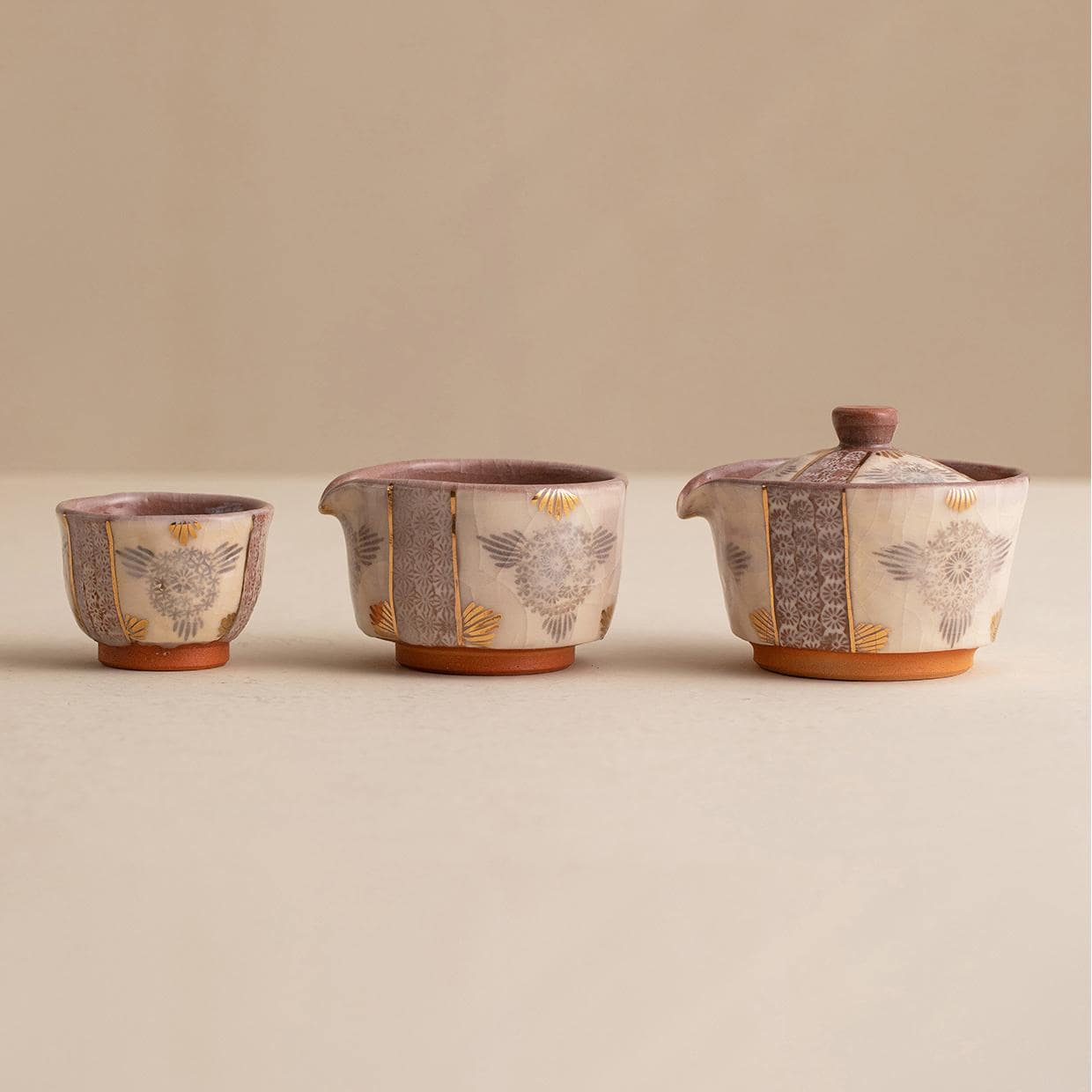
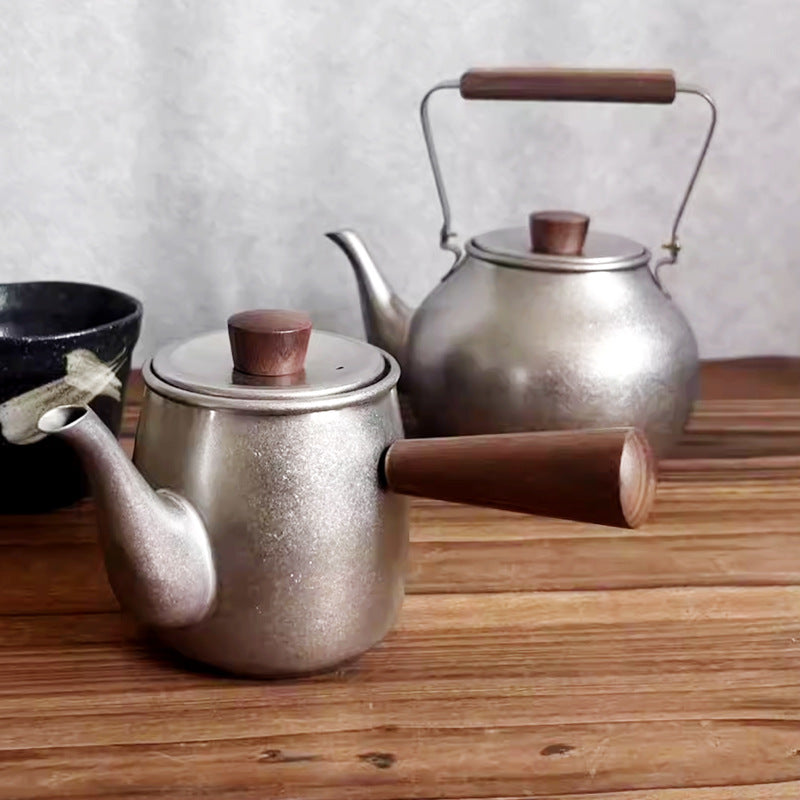
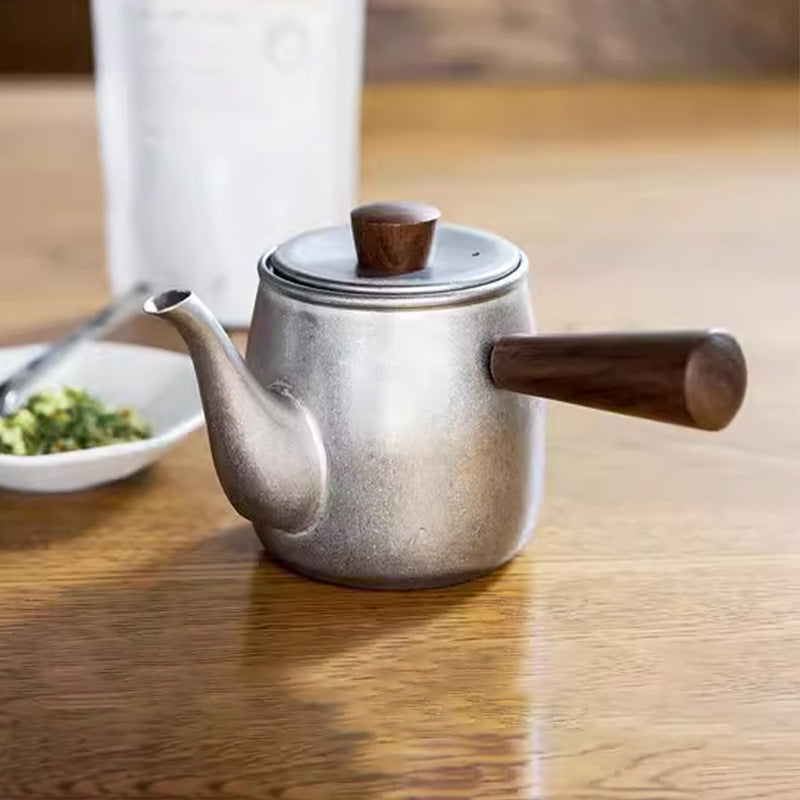
The Kyusu is arguably the most iconic Japanese teapot, specifically designed for brewing green tea. Its most distinguishing feature is often its side handle (yokode kyusu), which offers an ergonomic grip and precise control for pouring, making it ideal for the delicate nature of sencha, gyokuro, and other Japanese green teas. However, kyusu also come with back handles (ushirode kyusu) or top handles (uwade kyusu), particularly for larger capacities or specific regional styles.
- Materials: Most kyusu are crafted from ceramic or porcelain. Clay varieties like Banko-yaki (from Mie Prefecture) and Tokoname-yaki (from Aichi Prefecture) are highly prized for their unglazed, porous nature, which is believed to enhance the tea's flavor over time by absorbing its nuances. Porcelain kyusu, on the other hand, offer a non-porous surface, making them easy to clean and suitable for a variety of teas without flavor retention.
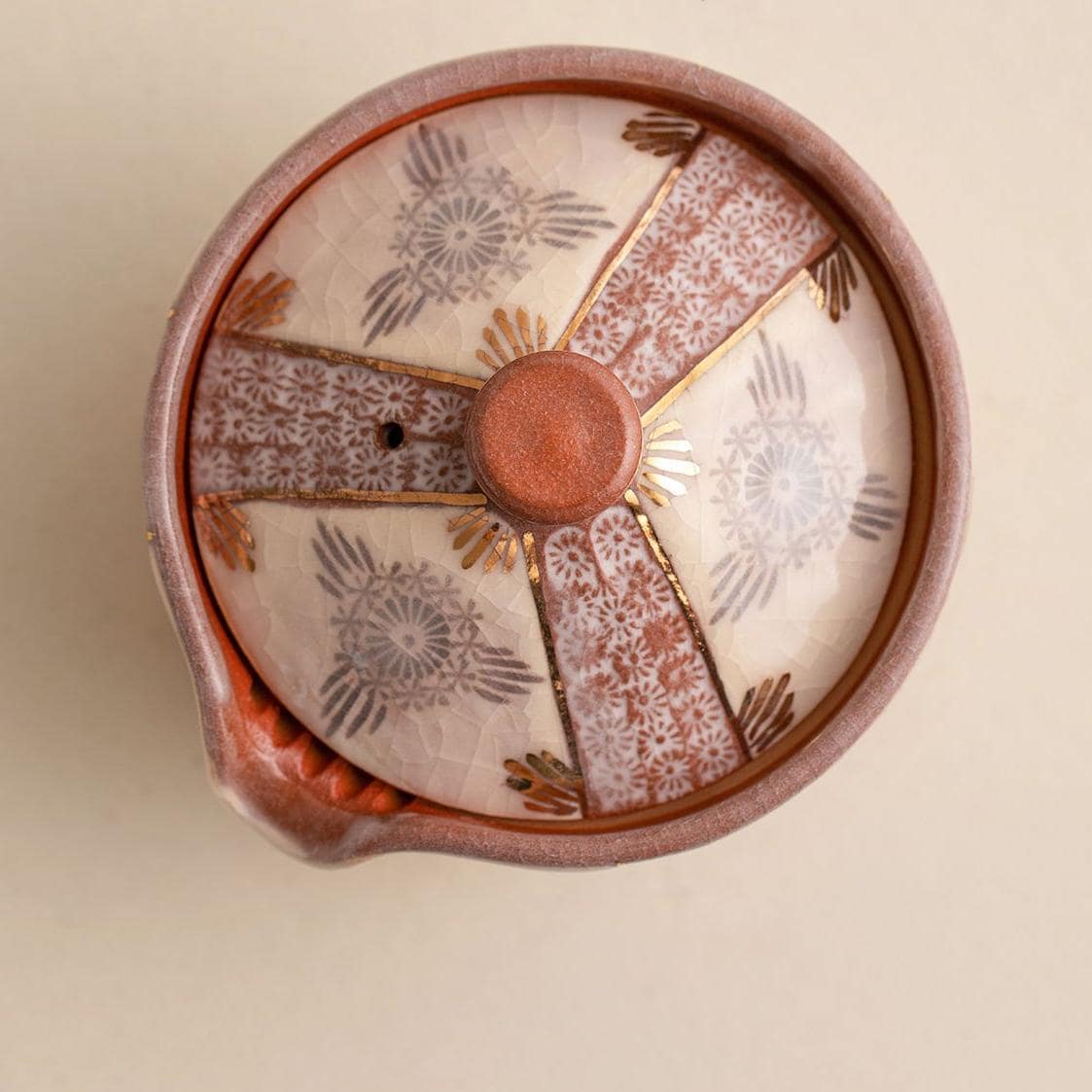
- Integrated Strainers: A hallmark of a good kyusu is its built-in strainer. These can be ceramic (sasame or deko) or stainless steel mesh (amichado or obiami), designed to prevent tea leaves from entering your cup while allowing for a smooth pour. The finer the mesh, the better it is for deeply steamed green teas (fukamushi sencha) with smaller leaf particles.
- Choosing Your Kyusu: Consider the type of tea you'll brew most often. For delicate green teas, a smaller kyusu (150-300ml) is often preferred, allowing for multiple small infusions. For everyday enjoyment, a larger capacity might be more practical. Pay attention to the handle and spout design for comfortable handling and drip-free pouring.
The Robust Charm of the Tetsubin
While not strictly a teapot for brewing tea, the Tetsubin is a vital piece of Japanese tea ware for heating water. These beautiful cast iron kettles are renowned for their ability to heat water evenly and retain heat for extended periods, making them perfect for serving multiple rounds of tea or keeping water warm during a longer tea session. They often feature intricate designs and a rich, dark patina that deepens with age.
- Material Benefits: Cast iron is excellent at distributing heat and is believed by some to improve the taste of water by releasing beneficial iron ions.
- Usage: Tetsubin are typically used on a heat source (stove, induction cooker) to boil water. Once boiled, the hot water is then transferred to a kyusu or directly used for matcha preparation. Many modern tetsubin are lined with enamel to prevent rust and make them safe for direct use with tea bags or loose leaf tea, but traditional ones are solely for heating water.
- Care: Traditional, unlined tetsubin require careful maintenance to prevent rust. They should be thoroughly dried after each use and never left with water inside for extended periods.
Whether you're seeking the delicate precision of a kyusu for your daily green tea ritual or the enduring warmth of a tetsubin to elevate your water preparation, the right Japanese teapot is an investment in your tea journey. You can explore a wide range of exquisite options in our Japanese tea ware collection.
Everyday Elegance: Yunomi Tea Cups
Once your tea is perfectly brewed, the vessel you drink from becomes equally important. The Yunomi is the quintessential Japanese tea cup for everyday enjoyment. Unlike the wider, shallower bowls used for ceremonial matcha, yunomi are typically taller, cylindrical, and designed to be held comfortably in the hand without a handle.
The Philosophy of the Yunomi
The absence of a handle is a deliberate design choice, allowing the drinker to feel the warmth of the tea directly, creating a more intimate connection with the beverage. Yunomi are made for daily use, often appearing in sets, but it's also common to find unique, individual yunomi that speak to personal taste and craftsmanship.
- Shapes and Sizes: While generally cylindrical, yunomi come in a vast array of shapes – some slightly tapered, others with a gentle curve. Sizes vary to accommodate different preferences, from smaller cups for multiple infusions of high-grade sencha to larger ones for a generous serving of bancha or hojicha.
-
Materials and Aesthetics: Like teapots, yunomi are primarily crafted from ceramic (pottery) or porcelain.
- Ceramic Yunomi: Often showcasing rustic textures, earthy glazes, and the unique character of hand-thrown pottery. Styles like Mino-yaki, Hagi-yaki, and Shigaraki-yaki offer distinctive glazes and forms, embodying the wabi-sabi aesthetic of imperfect beauty. They tend to retain heat well and have a comforting weight.
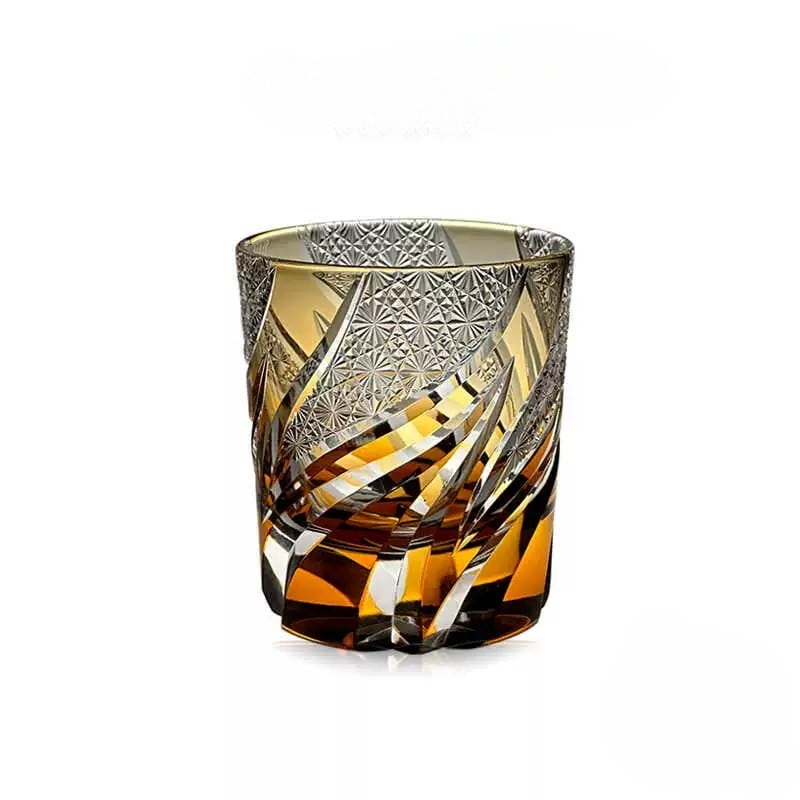
- Porcelain Yunomi: Known for their delicate feel, smooth surfaces, and often intricate, painted designs (like Arita-yaki or Kutani-yaki). They are lighter and can feel more refined, often used for more formal settings or simply for those who appreciate their crisp elegance.
- Comfort and Heat Retention: When choosing a yunomi, consider how it feels in your hand. Does its weight feel balanced? Is the rim comfortable against your lips? Ceramic yunomi are generally better at retaining heat, while porcelain ones cool down faster, which can be desirable for hotter teas.
Yunomi are meant to be enjoyed, often becoming cherished companions in your daily routine. Their diversity in form, texture, and glaze means there's a perfect yunomi for every tea lover and every type of tea. They are a beautiful way to bring a touch of Japanese artistry into your everyday life.
The Soul of Matcha: Matcha Bowls (Chawan)
For those who delve into the vibrant, whisked world of matcha, the Matcha Bowl, known as a Chawan, is an indispensable and deeply revered piece of Japanese tea ware. Far more than just a bowl, the chawan is central to the traditional Japanese Tea Ceremony (Chado) and plays a crucial role in the preparation and enjoyment of matcha.
The Purpose and Form of the Chawan
A chawan is specifically designed to facilitate the whisking of matcha powder with hot water into a frothy, emerald-green beverage. Its wide mouth allows for easy access with a bamboo whisk (chasen), while its deep, often slightly curved bottom helps contain the liquid during vigorous whisking. The size and shape are also chosen to enhance the visual appeal of the vibrant green tea and to feel substantial and comforting when held with both hands.
-
Shapes and Styles: Chawan come in countless forms, each with its own name and traditional use, often reflecting the season or the specific mood of a tea gathering.
- Natsujawan (Summer Chawan): Wider and shallower, designed to allow the matcha to cool more quickly in warmer months.
- Fuyujawan (Winter Chawan): Deeper and narrower, helping to retain heat during colder seasons.
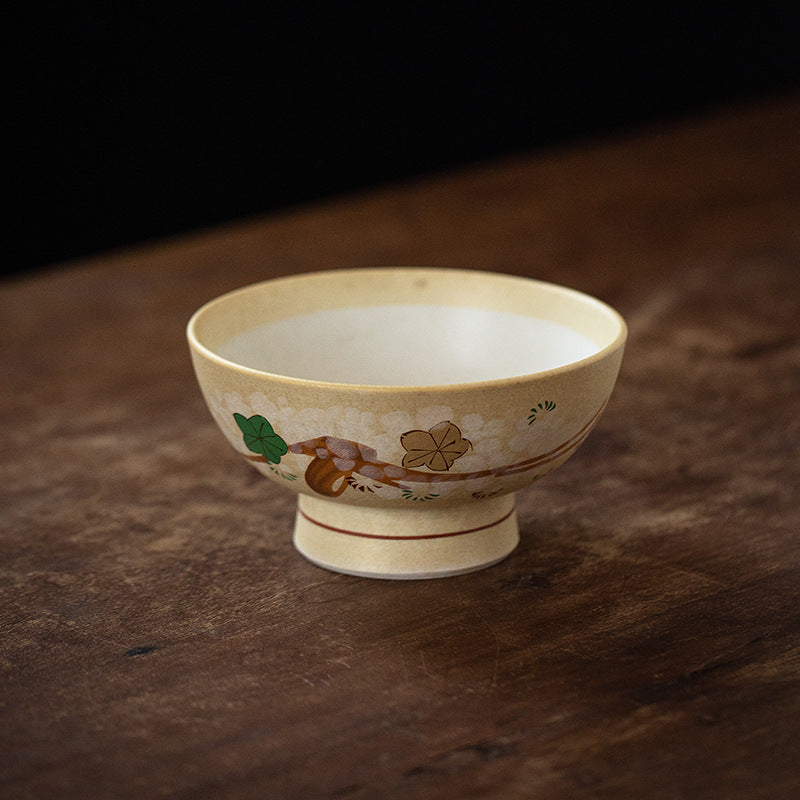
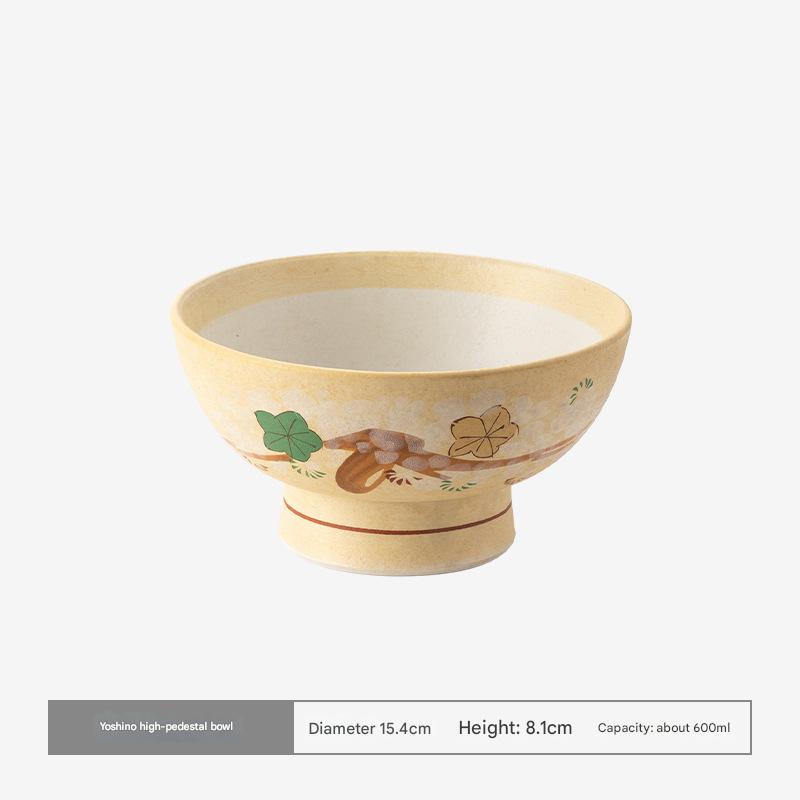
- Ido Chawan: A classic, rustic style with a tall foot, often associated with Korean origins but deeply cherished in Japan.
- Tsutsu-jawan: A very tall, cylindrical bowl, often used in winter for extra heat retention.
-
Materials and Regional Wares: Chawan are predominantly made from ceramic, with various regional pottery traditions (yakimono) lending their unique characteristics:
- Raku Ware: Perhaps the most famous, Raku chawan are hand-built rather than wheel-thrown, fired at low temperatures, and quickly removed from the kiln, resulting in unique, often asymmetrical forms and deep, rich glazes. They are cherished for their wabi-sabi aesthetic and direct connection to the potter's hands.
- Hagi Ware: Known for its soft, warm texture and subtly changing glazes (Hagi-yaki often develops a beautiful "tea stain" patina over time, known as nanabake).
- Mino Ware (e.g., Shino, Oribe, Seto): A broad category from Gifu Prefecture, offering a diverse range of styles from the thick, white glazes of Shino to the vibrant green and asymmetrical forms of Oribe.
- Karatsu Ware: From Saga Prefecture, known for its earthy textures and simple, elegant designs, often with subtle patterns.
- Aesthetics and Wabi-Sabi: A chawan is often appreciated for its imperfections – a slight asymmetry, an uneven glaze, a visible finger mark from the potter. These characteristics embody the Japanese aesthetic of wabi-sabi, finding beauty in the natural, the transient, and the imperfect. The unique "scenery" (keshiki) of a chawan, how the glaze flows, or how the clay is exposed, is highly valued.
- Choosing Your Chawan: When selecting a chawan, consider its balance and how it feels in your hands. Does it feel stable for whisking? Is the rim comfortable for drinking? Most importantly, choose one that resonates with you aesthetically, as it will become a central part of your matcha ritual.
A well-chosen chawan not only serves a practical purpose but also elevates the entire matcha experience, connecting you to centuries of tradition and the profound beauty of Japanese craftsmanship.
Beyond the Essentials: Complementary Tea Ware
While teapots, yunomi, and matcha bowls form the core of any Japanese tea ware collection, several other pieces can greatly enhance your tea experience, particularly if you delve deeper into the Tea Ceremony or simply enjoy a more refined preparation process.
- Yuzamashi (Cooling Water Pitcher): Essential for brewing delicate green teas like gyokuro and high-grade sencha, which require water cooled to a specific temperature (often 60-80°C). A yuzamashi allows you to quickly and accurately cool boiled water before pouring it into your kyusu.
- Chaire (Tea Caddy for Matcha): A small, often exquisitely crafted lidded jar used to hold ceremonial grade matcha. Chaire are typically ceramic and come with an ivory or plastic inner lid, and an outer silk pouch (shifuku).
- Natsume (Lacquered Tea Caddy): Another type of tea caddy, usually lacquered wood, used for storing matcha, particularly for less formal tea gatherings.
- Chasen (Bamboo Whisk): Absolutely indispensable for whisking matcha into a smooth, frothy lather. Made from a single piece of bamboo, the number of tines (prongs) varies, influencing the whisking efficiency.
- Chashaku (Bamboo Tea Scoop): A delicate bamboo scoop used to measure matcha powder from the chaire into the chawan. Its elegant curve is designed for precision and grace.
- Kensui (Waste Water Bowl): Used in the tea ceremony to collect the rinse water from the chawan and other waste water.
- Fukin (Tea Cloth): A special cloth used to wipe various tea utensils during the ceremony.
Building a complete tea set is a journey, and each additional piece adds another layer of appreciation for the intricate beauty and thoughtfulness behind Japanese tea culture. Even if you start with just the essentials, you'll find yourself drawn to these complementary items as your passion for tea grows.
Caring for Your Cherished Japanese Tea Ware
Proper care is essential to preserve the beauty and longevity of your Japanese tea ware, ensuring that each piece can continue to bring joy for years to come. While specific instructions may vary by material, here are some general guidelines:
-
Ceramic (Kyusu, Yunomi, Chawan):
- Hand Wash Only: Always hand wash with warm water and a soft sponge. Avoid harsh detergents, especially for unglazed or porous ceramics (like many kyusu or Hagi-yaki chawan), as they can absorb soap flavors.
- No Abrasives: Do not use abrasive scrubbers or steel wool, which can scratch glazes or damage surfaces.
- Rinse Thoroughly: Ensure all tea residue is rinsed away.
- Dry Completely: Air dry upside down or gently wipe with a soft cloth. Ensure pieces are completely dry before storing to prevent mold or mildew.
- Tea Stains: For glazed ceramics, light tea stains can often be removed with a paste of baking soda and water, gently applied and rinsed. For unglazed ceramics, embrace the "patina" of tea stains as part of its character.
-
Cast Iron (Tetsubin):
- No Soap: Never use soap on a tetsubin, as it can strip the protective layer and lead to rust.
- Rinse and Dry Immediately: After use, simply rinse with hot water and thoroughly dry both the inside and outside with a soft cloth.
- Avoid Leaving Water: Never leave water standing in a tetsubin for extended periods, as this will cause rust.
- Gentle Heat: For traditional, unlined tetsubin, heat water slowly. Avoid extreme temperature changes.
- Rust Prevention: If rust appears on an unlined tetsubin, it can sometimes be removed by boiling tea leaves in the kettle, which creates tannins that react with the iron to form a protective layer.
-
General Tips:
- Avoid Microwaves/Dishwashers: Most authentic Japanese tea ware is not microwave or dishwasher safe. The high heat and harsh detergents can damage delicate glazes, cause cracking, or lead to discoloration.
- Store Carefully: Store pieces where they won't chip or break, ideally in a cabinet or on a sturdy shelf.
- Handle with Care: Japanese tea ware, especially hand-crafted pieces, are often delicate. Handle them gently to prevent chips or cracks.
By dedicating a little extra care to your tea ware, you ensure that these beautiful objects remain pristine and continue to enhance your tea rituals for many years to come, deepening your connection to the art of Japanese tea.
Choosing Your Perfect Japanese Tea Ware Collection
Embarking on the journey of collecting Japanese tea ware is a personal and rewarding experience. With such a rich variety of styles, materials, and functions, it can feel daunting to know where to start. Here's some guidance to help you curate a collection that perfectly suits your preferences and tea-drinking habits:
-
Consider Your Primary Tea:
- Green Tea Enthusiast (Sencha, Gyokuro, Hojicha): A high-quality Kyusu will be your most important investment. Pair it with comfortable Yunomi for everyday enjoyment.
- Matcha Lover: A beautiful Chawan is paramount, along with a chasen (whisk) and chashaku (scoop). You might also consider a chaire or natsume for storing your matcha.
- Variety Seeker: If you enjoy a range of teas, start with a versatile kyusu and a set of yunomi. You can always add a chawan later if you decide to explore matcha. A tetsubin can also be a wonderful addition for heating water for any tea.
- Aesthetics vs. Functionality: While the beauty of Japanese tea ware is undeniable, always consider functionality. A teapot should pour well, a yunomi should feel good in your hand, and a chawan should be easy to whisk in. Ideally, you'll find pieces that marry both exquisite form and practical function.
-
Material Preference:
- Earthy & Rustic: Look for unglazed ceramic kyusu, Hagi-yaki yunomi, or Raku chawan if you appreciate natural textures, wabi-sabi aesthetics, and the idea of pieces aging beautifully with use.
- Refined & Elegant: Opt for porcelain kyusu, Arita-yaki yunomi, or finely glazed chawan if you prefer smooth surfaces, delicate designs, and a crisper feel.
- Robust & Enduring: A cast iron tetsubin adds a timeless, sturdy element to any collection.
- Start Simple, Expand Gradually: You don't need a full tea ceremony set right away. Begin with one or two key pieces that you love and use frequently. As your knowledge and appreciation for Japanese tea grow, you can gradually add complementary items, building a collection that tells your unique tea story.
Best Chopsticks for Sushi: How to Choose & Use Them
Care Tips: Make Your Japanese Chopsticks Last a Lifetime
Related Posts

How to Care for Handmade Japanese Ceramics, Lacquerware, and Glassware

How to Care for Handmade Japanese Ceramics, Lacquerware, and Glassware

The History of Chopsticks

How to Care for Handmade Japanese Ceramics, Lacquerware, and Glassware

The Story of Urushi

How to Care for Handmade Japanese Ceramics, Lacquerware, and Glassware

Bamboo vs. Metal Chopsticks: Choosing the Right Material for Your Needs